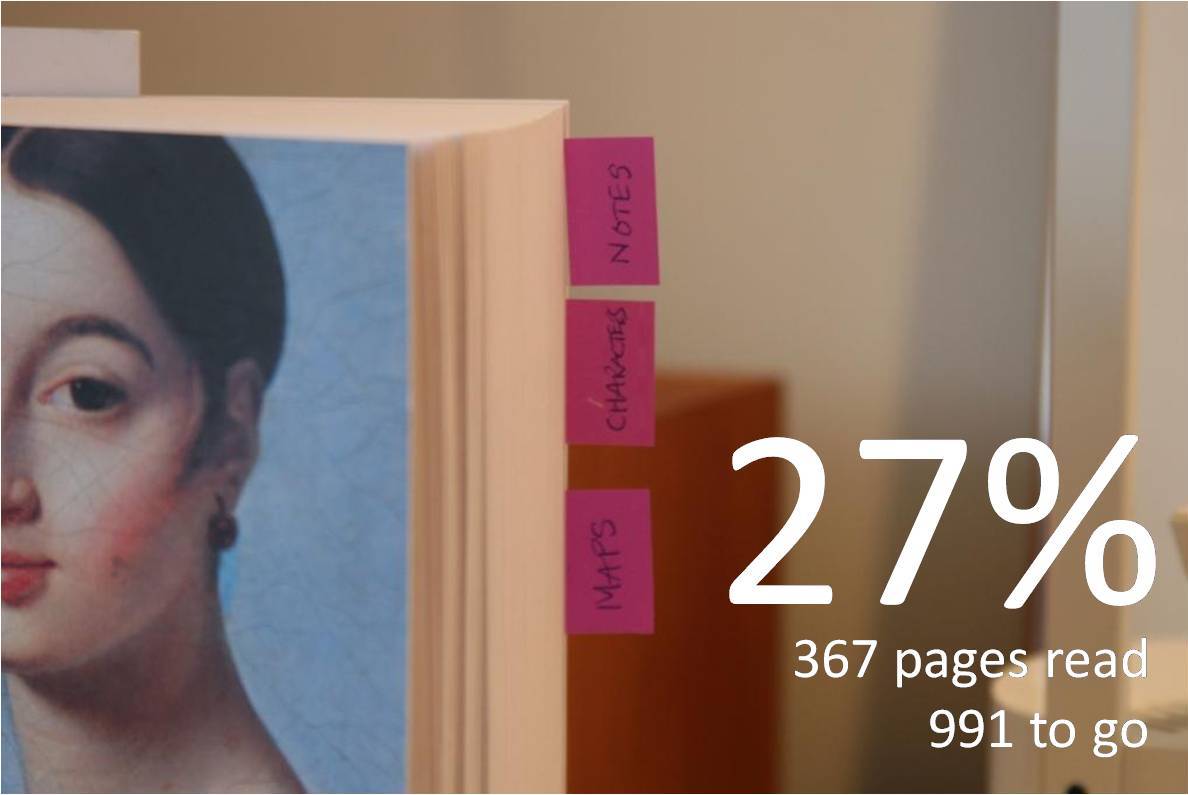
I first read and briefly wrote about Alan Bennett’s novella The Uncommon Reader back in July 2008 calling it the best book ever. And for what it is–a funny, touching, extremely well-written fictional story of the Queen of England discovering reading–it really is the best book ever. Taking a brief break from War and Peace I picked up this little gem again and found it as delightful the second time as I did when I first read it. And since I knew what was going to happen I was better able to soak up more of Bennett’s amazing wit and ability to turn a wry phrase. And since I read it the first time over two years ago, I have had the opportunity to read some of Ivy Compton-Burnett which makes the cameo appearances of her books in The Uncommon Reader all the funnier.
When the Queen’s private secretary, unhappy with her new found passion for reading condescendingly remarks to her that reading is a good way to pass the time, the rather annoyed monarch replies:
Books are not about passing the time.They’re about other lives. Other worlds. Far from wanting time to pass, Sir Kevin, one just wishes one had more of it.
Even Her Majesty’s corgis are unhappy with their keeper’s new hobby which keeps them from getting the attention they think they deserve, turning every book they can get near into a chew toy.
One of the wittier passages has to do with the inane small talk forced upon Queen and subject alike by the exigencies of schedule and decorum. When prepping groups of subjects for interactions with the Queen, the equerries have this to say:
Her Majesty may well ask you if you have had far to come. Have your answer ready and then possibly go on to say whether you came by train or by car. She may then ask you where you have left the car and whether the traffic was busier here than in – where did you say you came from? – Andover. The Queen, you see, is interested in all aspects of the nation’s life, so she will sometimes talk about how difficult it is to park in London these days, which could take you on to a discussion of any parking problems you might have…
Reading has opened up whole new worlds for a woman who has travelled more, seen more, and experienced more than perhaps any other living human. Reading has also opened up her interest in those around her and she begins to notice body language, facial cues, and other expressions of emotion she was once oblivious to. This discovery makes her seem even more isolated in her gilded cage than ever. Servants and subjects unused to real personal interactions with the Queen begin to think they are witnessing the early stages of dementia. After speaking freely with an equerry:
…the young man felt it might be that she was beginning to show her age. Thus it was that the dawn of sensibility was mistaken for the onset of senility.
Immune to embarrassment herself, as she was to any she might cause, the Queen would once not have noticed the young man’s confusion. But observing it now she resolved in the future to share her thoughts less promiscuously, which was a pity in a way as it was what many in the nation longed for.
The only quibble I have with this novella is that Bennett’s satirical observations about the hostility of the willingly illiterate philistines who surround her make it seem like the Queen is one of the few book lovers still alive. Authors are humorously painted as disinterested egomaniacs, and others who might share the Queen’s interest in reading are too paralyzed by her station to engage in any meaningful conversations. I say the Queen needs to meet up with some book bloggers. We would have no problem engaging in as much book talk as she could handle.
At this year’s Last Night of the Proms they ended the program as they always do with the singing of “God Save the Queen”. This year they chose an arrangement by composer Benjamin Britten. I am a huge fan of Britten but I had never heard this arrangement before. It is brilliant. It starts off so quietly, in a way that one does not normally associate with a national anthem. I include it here for your listening enjoyment.