Book Review: The Life to Come by E.M. Forster (with rant)


I first read this collection of short stories by E.M. Forster back in high school. It was what amounted to my third date with Forster. The first, which I have written about more than once, was seeing the fantastic Merchant-Ivory adaptation of A Room With a View on the big screen. Until then I had no idea who E.M. Forster was.

Not too long after that, my second date with Forster came about after Time magazine printed an article about how Merchant-Ivory was turning Forster’s gay-themed novel Maurice into a film. The possibility that there was going to be a gay Room with a View was more than I could handle. When I went to work that afternoon at the local public library I was surprised to see that we actually had a copy of Maurice on the shelf. Published just 15 or so years earlier I was certainly one of the few to check it out. I think if I hadn’t have worked at the library I would have been too afraid to check out this “gay” book despite the fact that there was nothing about its outward appearance that would have given it away.  I took it home that night and read the whole thing cover-to-cover, finishing sometime after 3:00 am. I had to get up for school in the morning, but it was worth it.

My third date with Forster was maybe a year or so after the second. I came across a newly reprinted edition of The Life to Come. With gay culture still too closeted and still too hard to come  by, I was thrilled that many of the stories in this collection had gay themes. At the time there were more than a few of the stories that I didn’t quite understand. Not because they had some gay theme that was too adult for my 17-year old brain, but because some of the stories are redolent of abstraction and symbolism that is so often the case with short fiction. You know, those oblique moments when you aren’t quite sure what just happened no matter how many times you go back and read it. Somewhat surprising to me is that all these years later and some of those same passages still confuse me. Although perhaps not as much as they did back then. And what it really amounts to, I think, is that I just don’t like uncertainty and prefer authors to make things really clear so I don’t have to obsess over whether or not I understand what is going on. (Not hard to imagine why most poetry is lost on me.)

Having said all of that, there are some real gems of stories in this collection. And  most of them explore in one way or another Forster’s fascination with breaking down, at least in fiction, class barriers and social mores that are damaging to the human heart. In so many cases I think that class stands in for sexuality in Forster’s fiction. In Maurice and in many of the stories in The Life to Come sexuality can actually stand on its own and be considered for what it is.

Requiescat  in pace: Tyler Clementi

It tears me apart that 23 years after I found solace in Forster’s posthumously published gay fiction, while so very much has changed, there is still a climate of sheer terror and helplessness for so many young gay kids. What a sin that Forster had to live a lie and wait to be dead to publish some of his work. And what an even greater sin that in September 2010 we see the tragic deaths in the US of 3 thirteen-year olds and an eighteen-year old who had been bullied for being (or just seeming) gay to the point where they took their own lives. In the case of 18-year old Tyler Clementi his college dorm roommate used a webcam to spy on him and post on the Internet a live stream of Tyler kissing another man in his own dorm room. As a result of being outed in this way Tyler threw himself off the George Washington Bridge.
I think gay suicides, especially among the young, have always been undercounted and that this recent rash of suicides may be more indicative of increased awareness than an uptick in actual suicide rates. I do think, however, when you have large chunks of the population wearing their hate and intolerance of gays as a badge of honor, it is not difficult to understand why some of these kids are driven to such despair.

Sunday Paintings: Book Illustrations

  
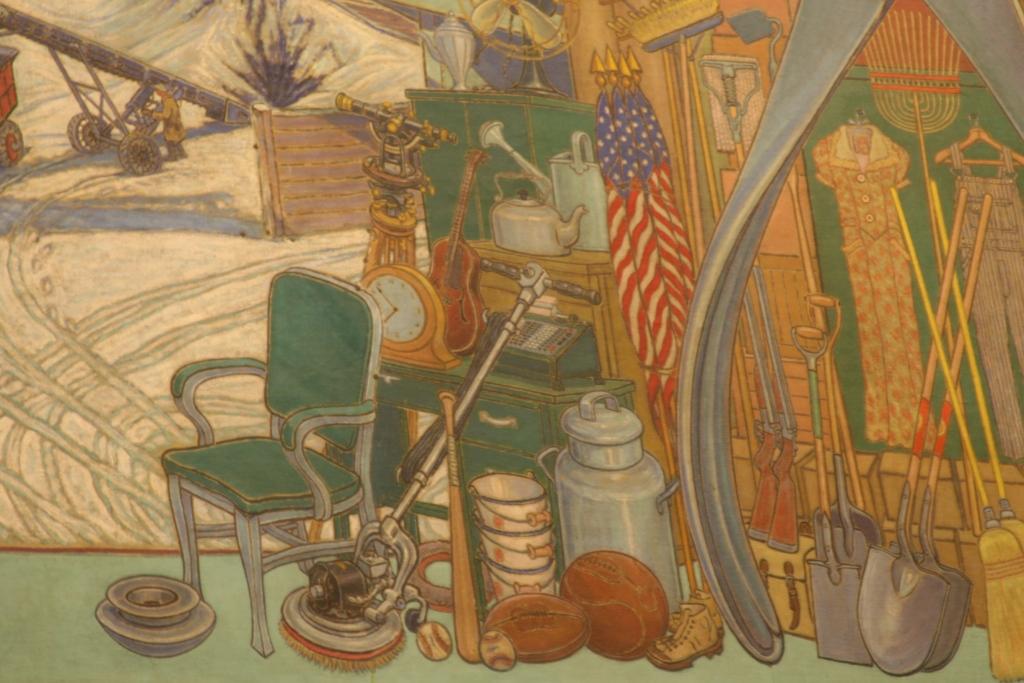
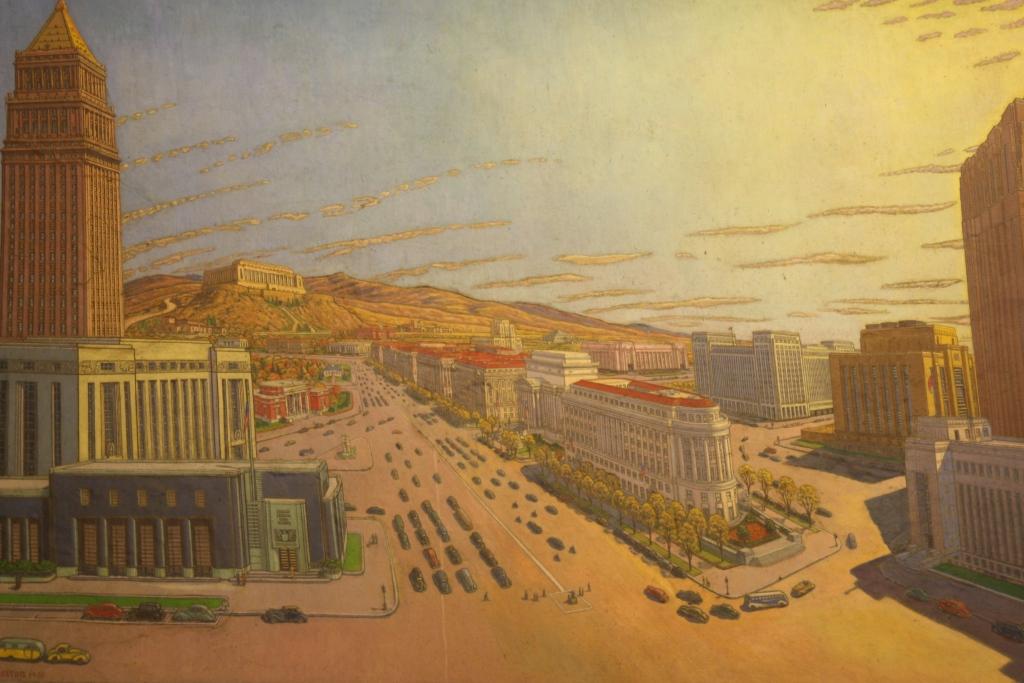
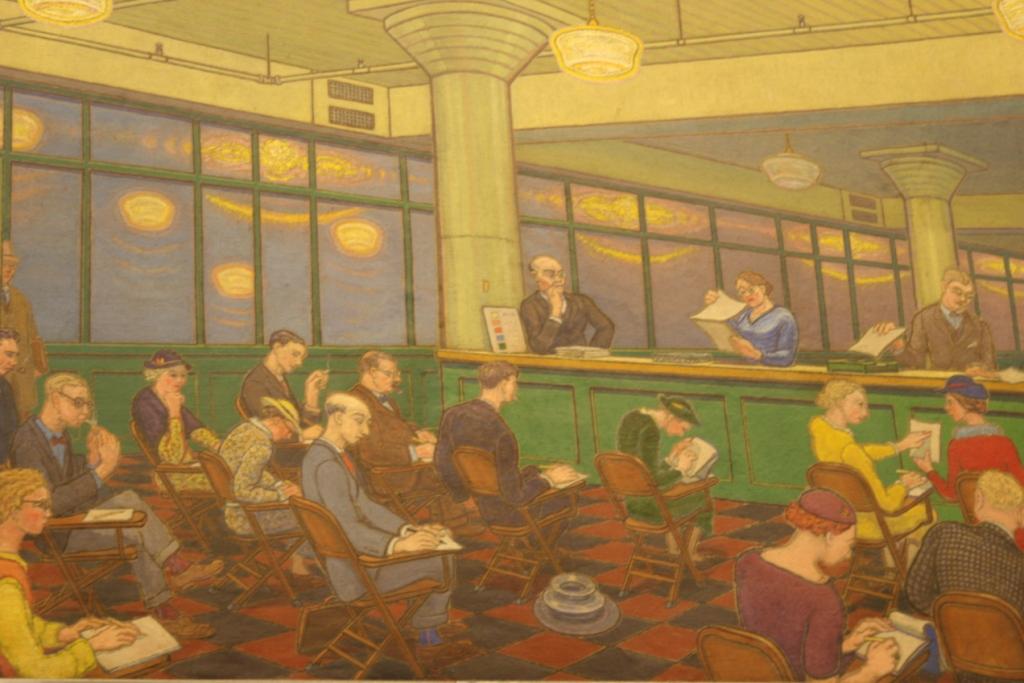
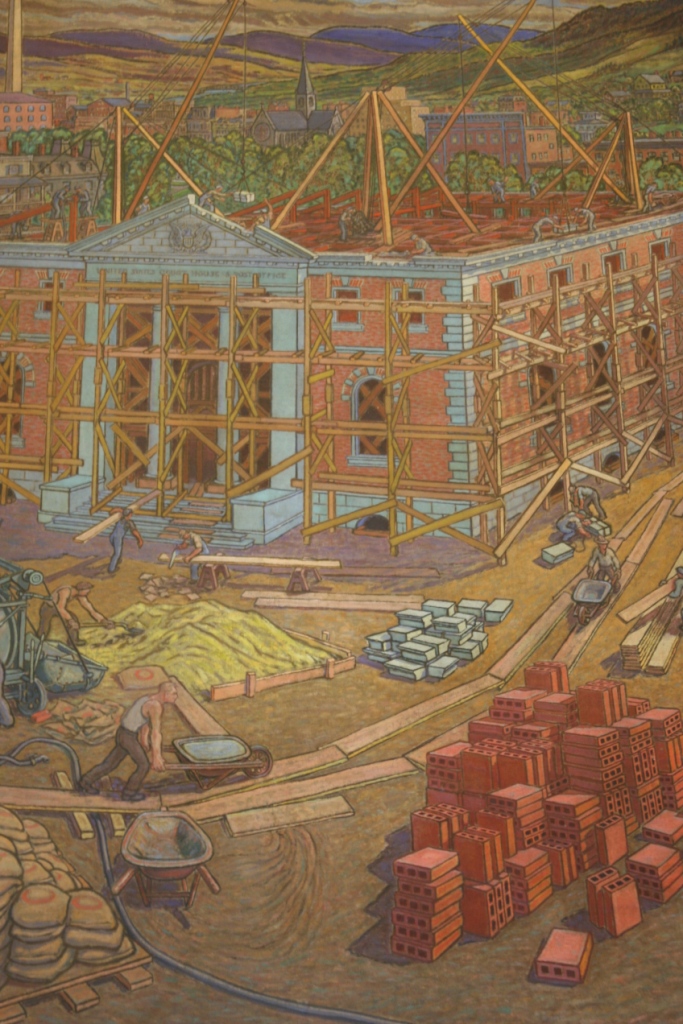
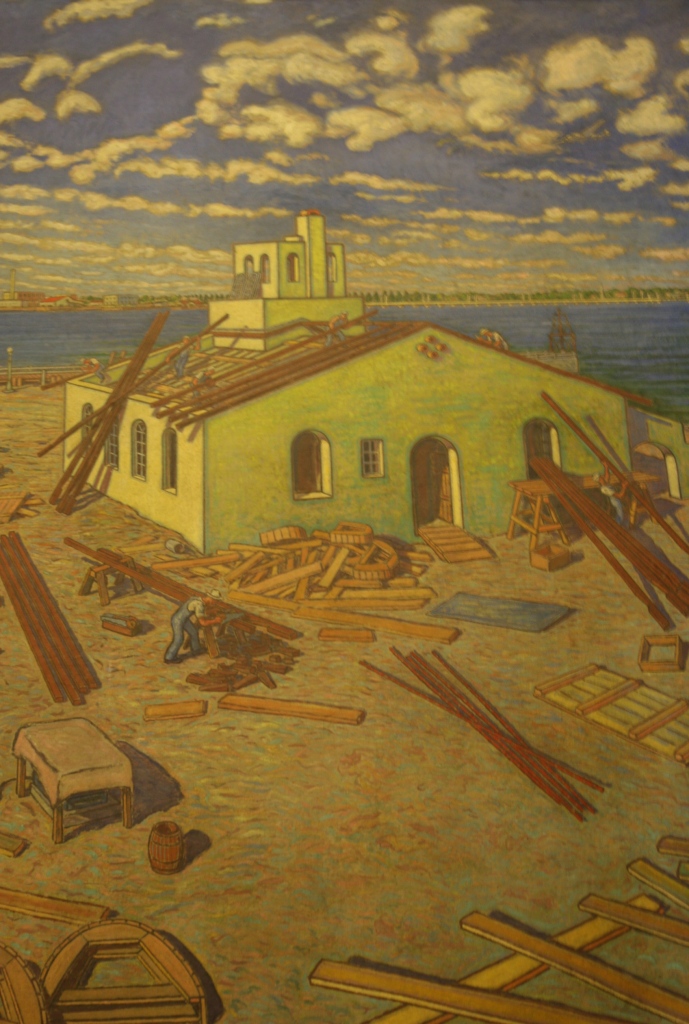
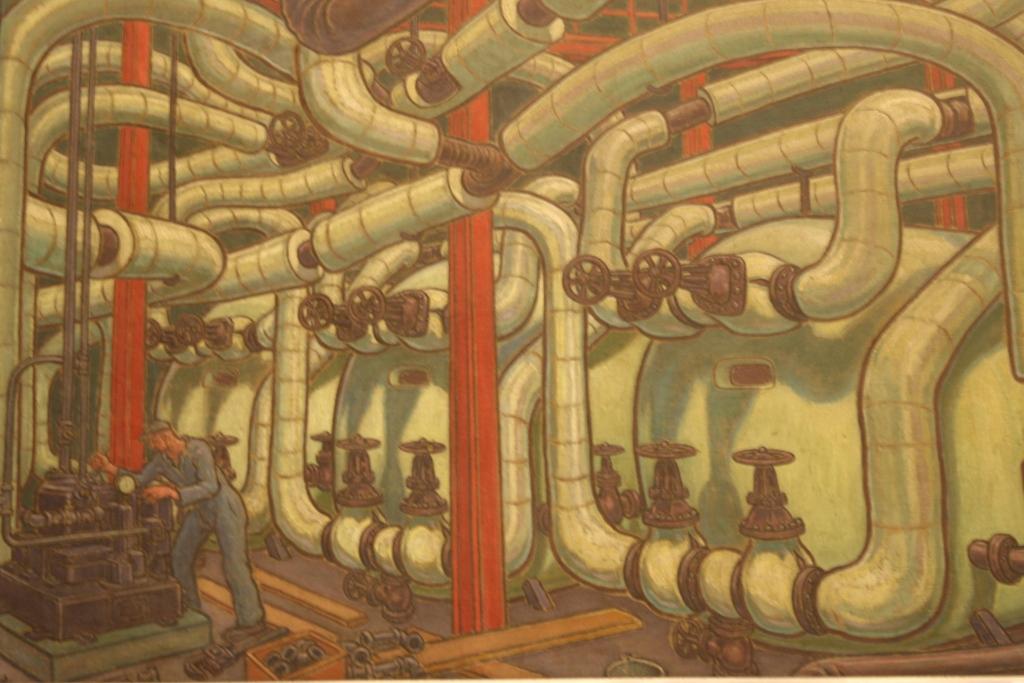
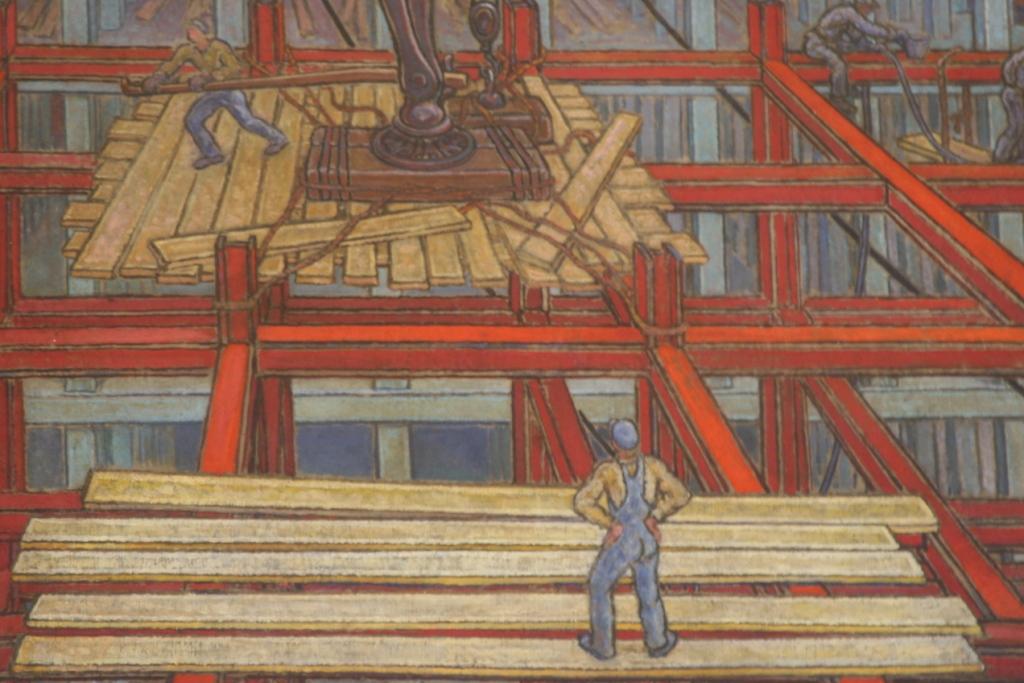
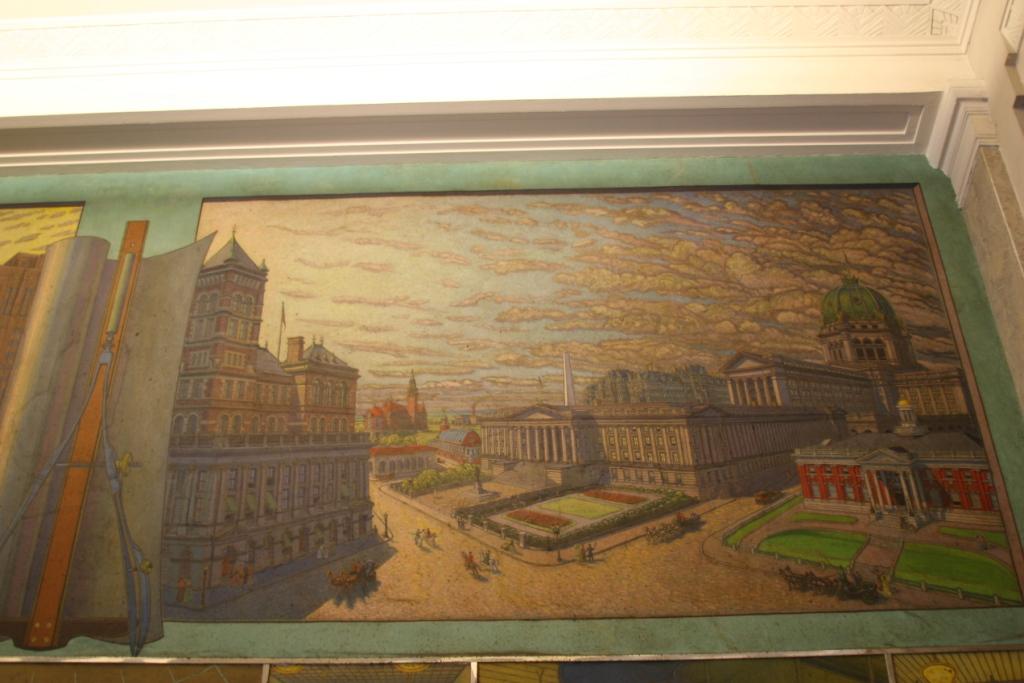
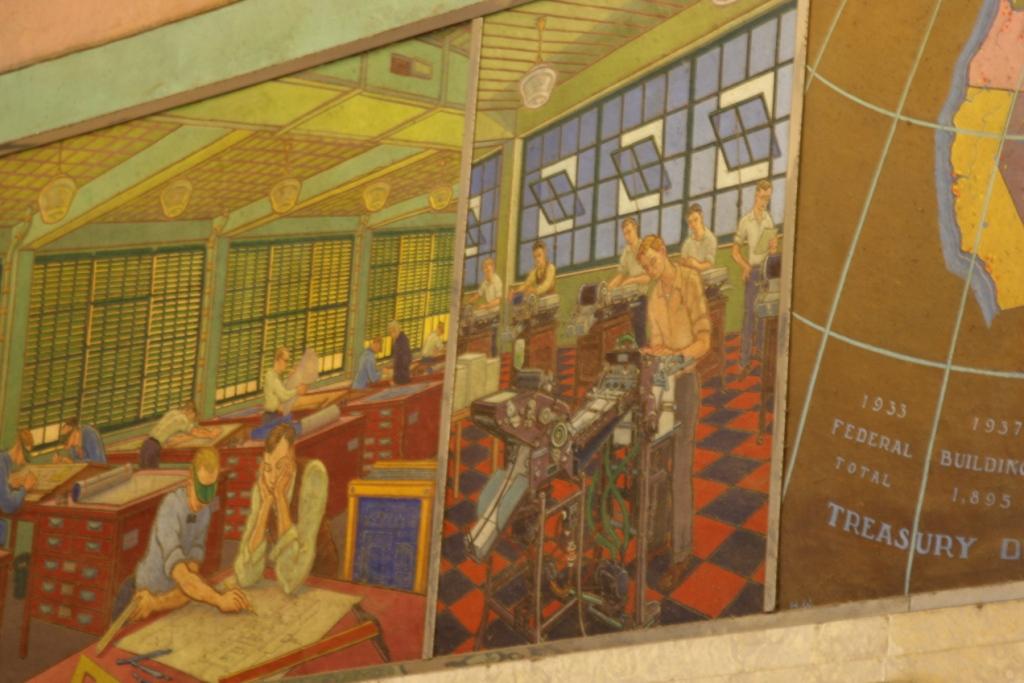
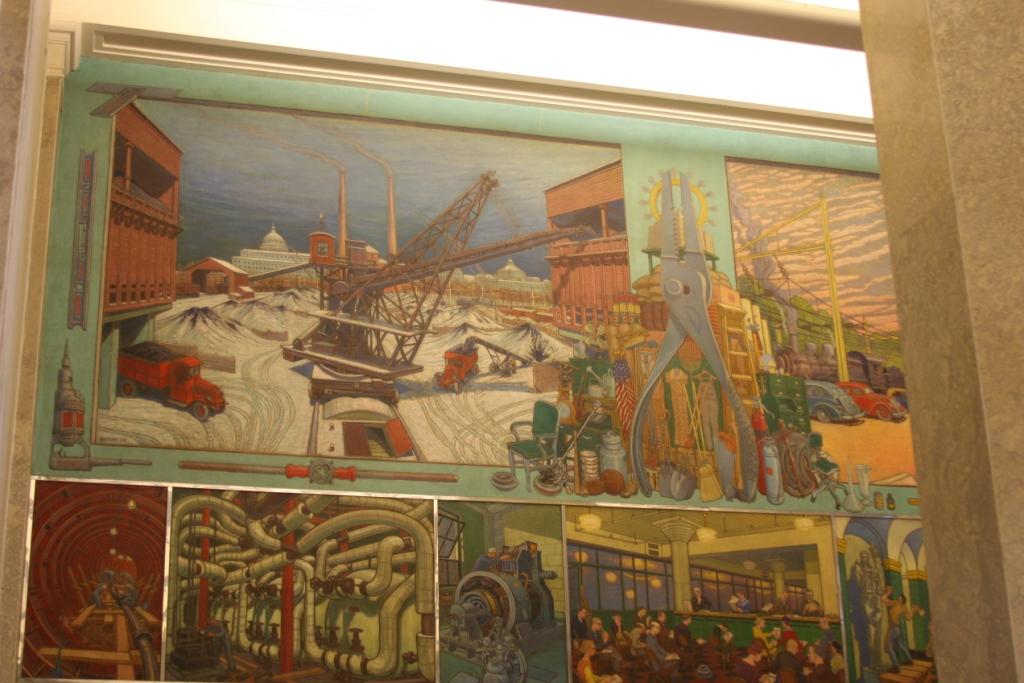
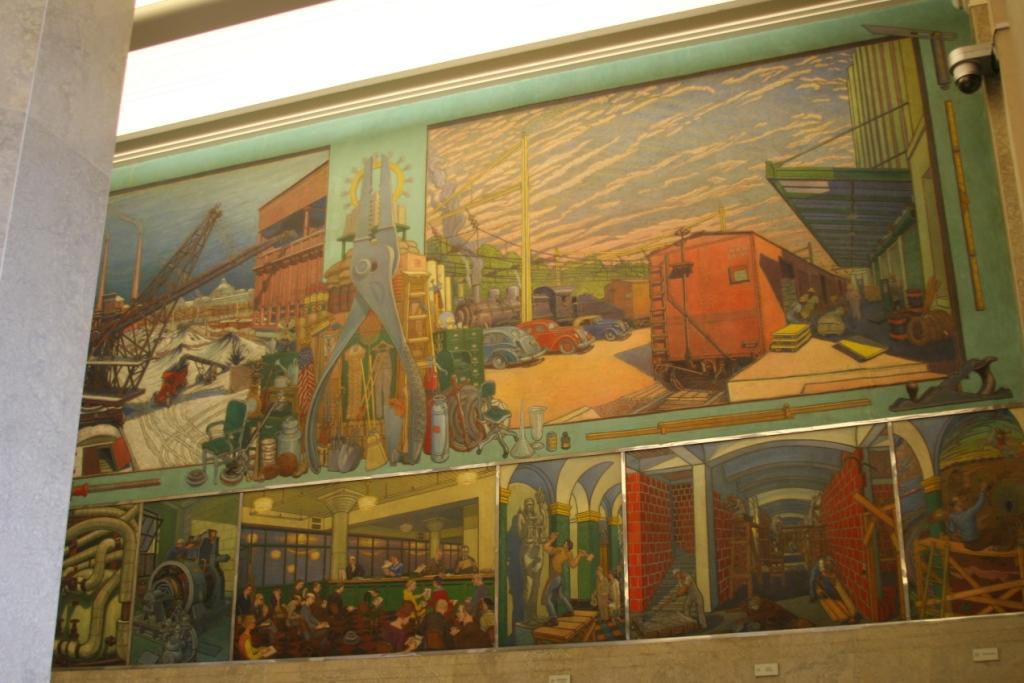
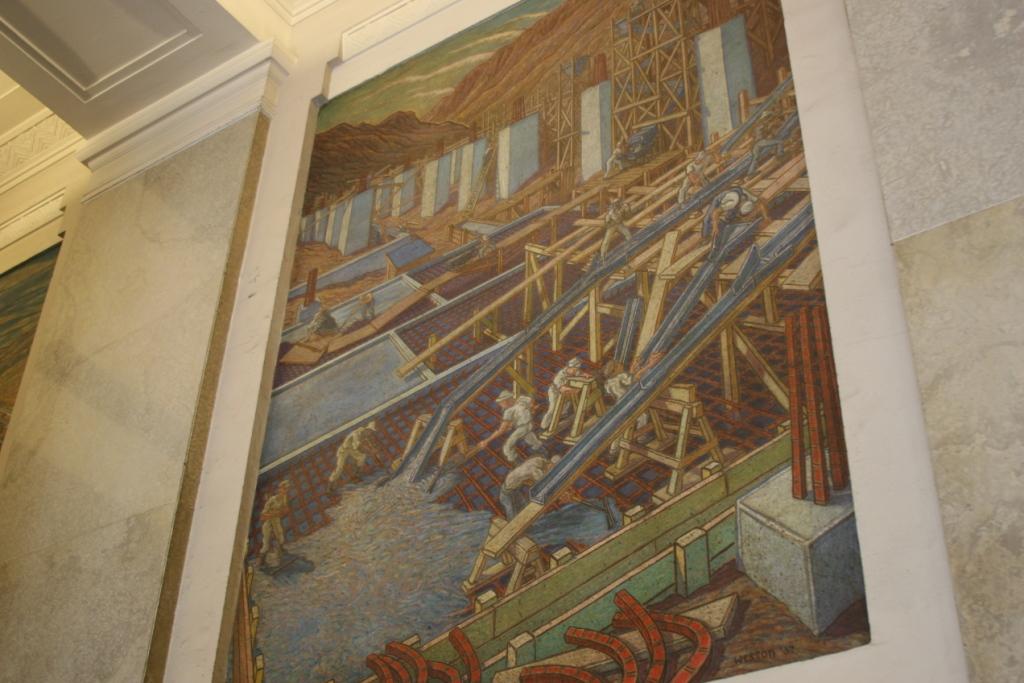
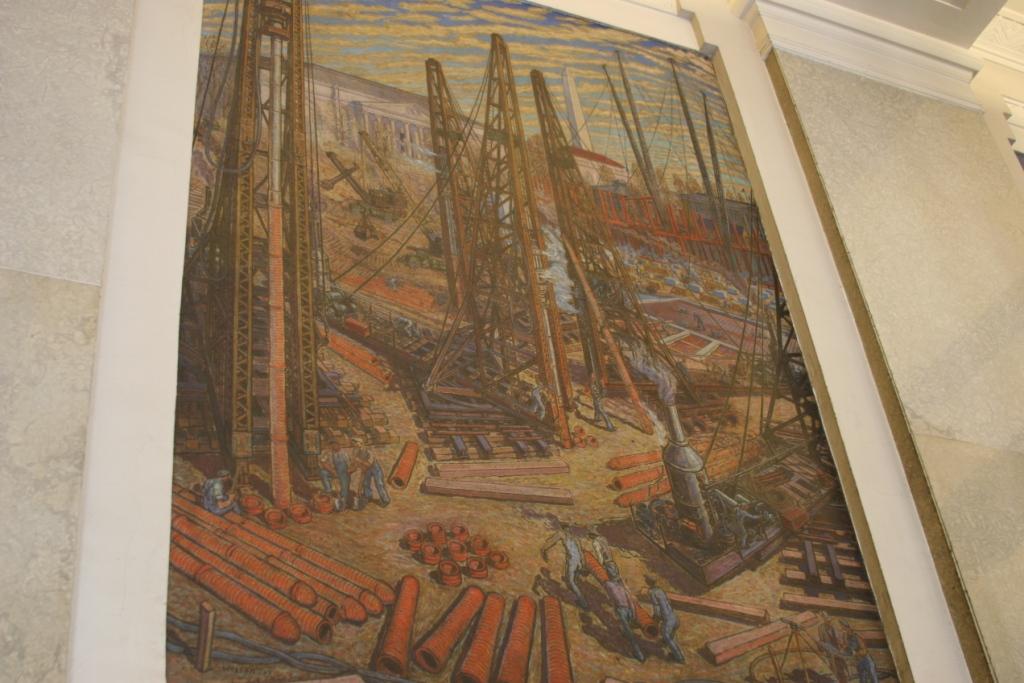
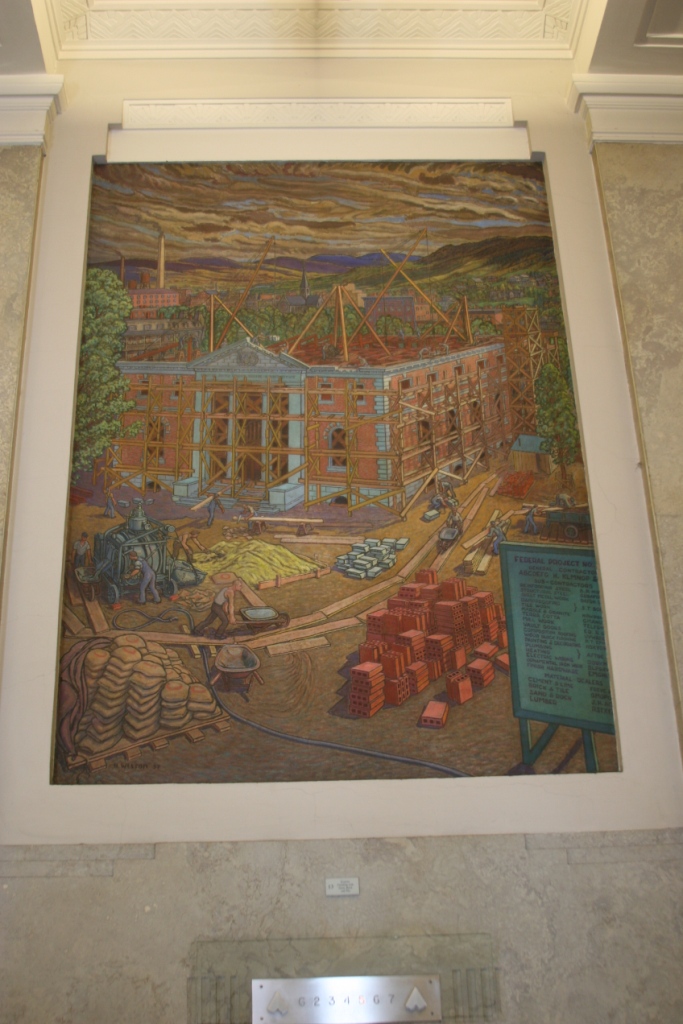
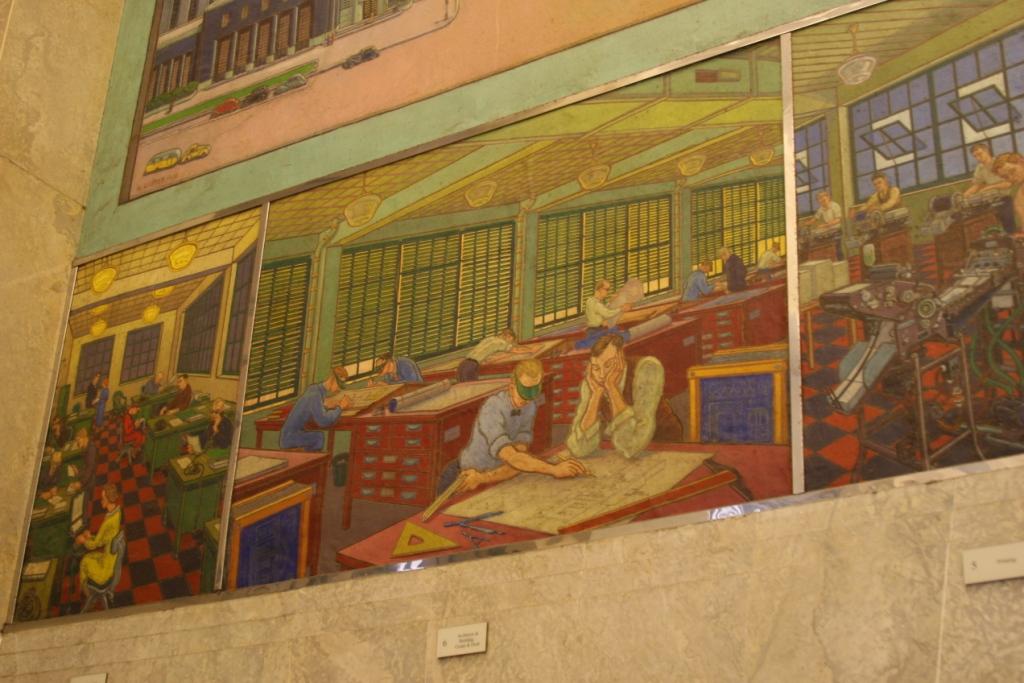
I decided to do something a little different this week for my Sunday Painting.  Can you guess what book these illustrations came from? Although different in style, they remind me a bit of the illustrations in my copy of Rebecca West’s The Modern Rake’s Progress.

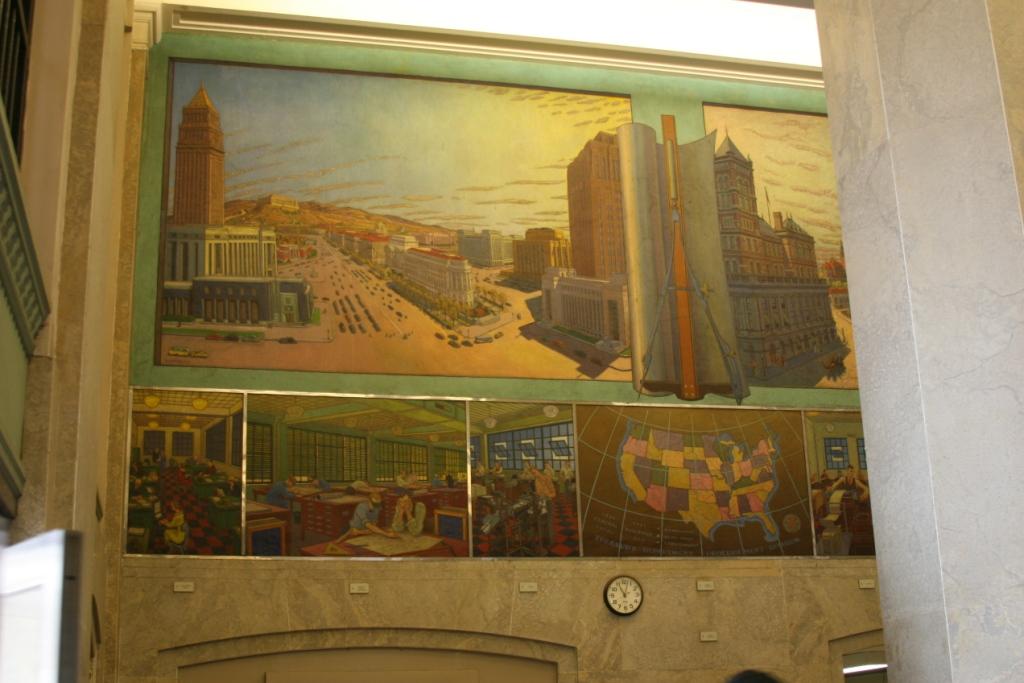
What’s that you say? You can’t figure out what book it is? That’s because I lied. These aren’t from a book at all. They are murals that I see every weekday at work. Aren’t they amazing? They desparately need cleaning. You can see them in context below. It was a little hard to take the photos because there are lots of columns in the way. But I think you can get the sense of them.


Book Review: Life Among the Savages by Shirley Jackson

      
It seems like I started reading Life Among the Savages a long time ago. I have probably finished 5 other books since I first started reading it. I am not entirely sure why I set it aside. I read Shirley Jackson’s We Have Always Lived in the Castle and loved it. And I have a copy of The Haunting of Hill House on my TBR. A memoir of Jackson’s young family in the early 1950s, Savages started out pretty strong. It was fun to read about the culture shock of moving from the cramped, expensive, city to rural Vermont. Big house, critters, learning how to drive, etc. Some of the stories about her children (the savages) were also pretty amusing but ultimately I found them a bit boring. Jackson’s writing isn’t boring, her recollections are quite witty, but ultimately, her kids just aren’t interesting enough to hold my complete attention. Especially when contrasted with Jackson’s gripping fiction.

Not surprisingly given my tastes, the parts I found most interesting were those that deal with the minutiae of everyday life. (I know, I know, boring stories about things, I find interesting. Boring stories about kids, not so much.) One such story includes a description of a suit for her young son costing something in the neighborhood of $45. This seemed liked an enormous amount of money for the time. When I consulted an on-line inflation calculator it indicated that $45 in 1950 would be about $397 today. Who among us is going to spend $397 for a suit for a child? And indeed Jackson did not pay the $45 for the suit, but just the fact that clothes cost that much relative to salaries is astounding. When I was telling John about this, he pointed out that the tiny closets in our 1937 house certainly supported the notion that clothes were not always purchased in the abundance like they are today. Of course that $45 suit in 1950 was no doubt made by an American who was paid an actual living wage rather than the measly sums given some poor 10-year old in a developing country.

But I digress. And the fact that I digress to such a degree indicates that I don’t have too much to say about this book. Some of you may find it worthwhile, but I am going to stick to Jackson’s fiction from now on.

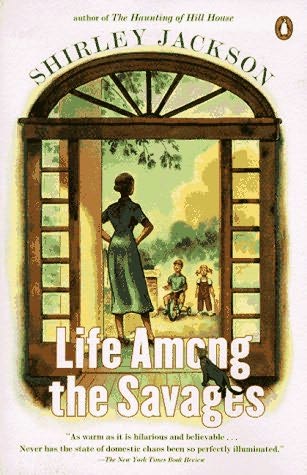
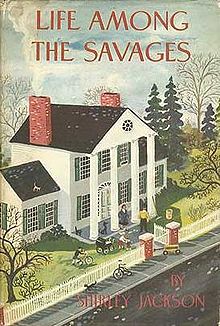
(The book certainly has had an interesting variety of cover art. My copy is one of the less interesting ones. It is the second cover below–the Penguin.)

The My Porch Manual of Style (MPMS)


Teresa at Shelf Love, a far better writer than I am, recently posted about her excitement over the new edition of the Chicago Manual of Style (CMOS). Her post and the comments that followed were fun to read, but it wasn’t until my friend Steve (inspired by Teresa’s blog) posted a link to the CMOS website that I actually clicked over and checked it out. The Question and Answer section makes for fascinating and fun reading–at least for someone with my proclivities.

I am by no means an expert on style or grammar. I am sure I make plenty of mistakes, and unless they are egregious, I don’t really care. This is, after all, a blog that I do for fun. If it isn’t perfect, so what? There are some rules that I don’t seem to grasp no matter how they are explained. Part of my problem is that I am very bad with parts of speech, especially the more technical distinctions. I have a pretty good sense of what works and what is proper, but nine times out of ten I wouldn’t be able to accurately identify various parts of speech. Somewhere in my education the system failed me on that one.

In my comment on Teresa’s post, I noted how I am often too lazy when blogging and commenting to be consistent on certain points. I find myself having the style discussion in my head but don’t always come to the same conclusion. So, as I read through the Q & A on CMOS’s website I decided to make some decisions, once and for all, on certain issues of style that regularly crop up in my writing.

Important note: These are rules for me. You may use whatever style you want (or no style) in commenting on my posts.

Capitalization
I have been wildly inconsistent in the way I capitalize headlines and other headings. Even after considering the issue closely, a single answer doesn’t seem to be forthcoming. Since I would like My Porch to be more than a one-sided conversation there are times when my headlines are meant to be conversational in tone. In those cases I will use regular sentence capitalization. In other cases I will use headline capitalization which caps every word except for words like “of” and “the”.

Oh, the dogs I could love… [sentence capitalization]
Bits and Bobs [headline capitalization]
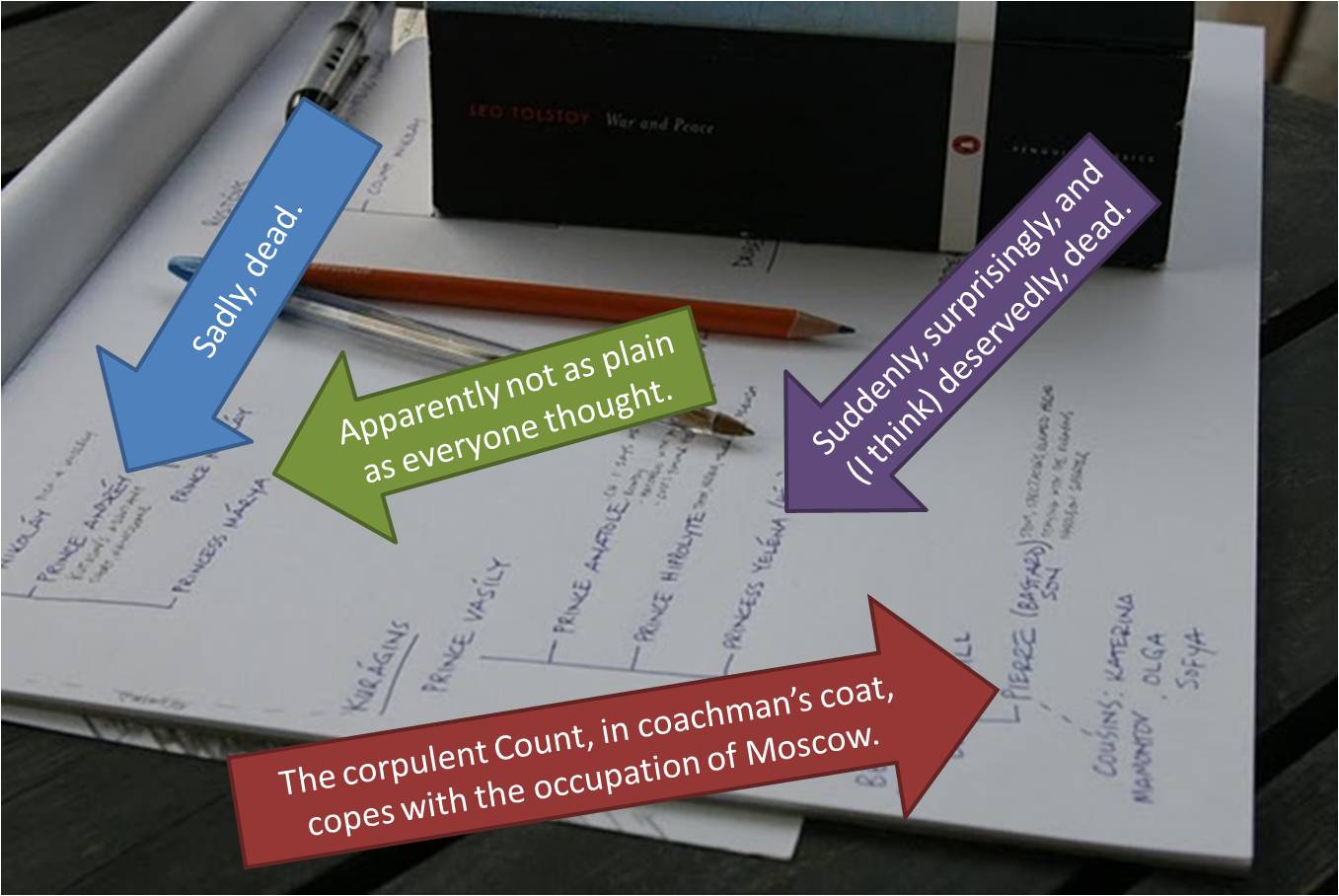
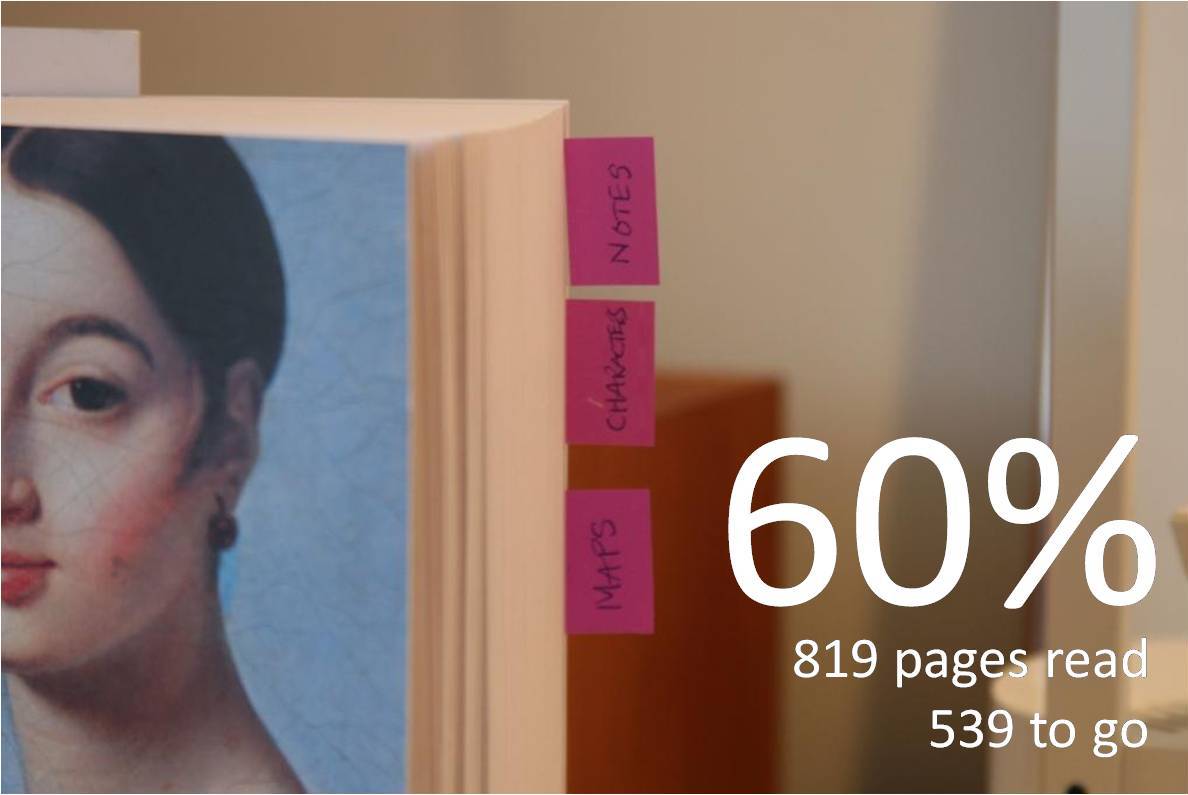
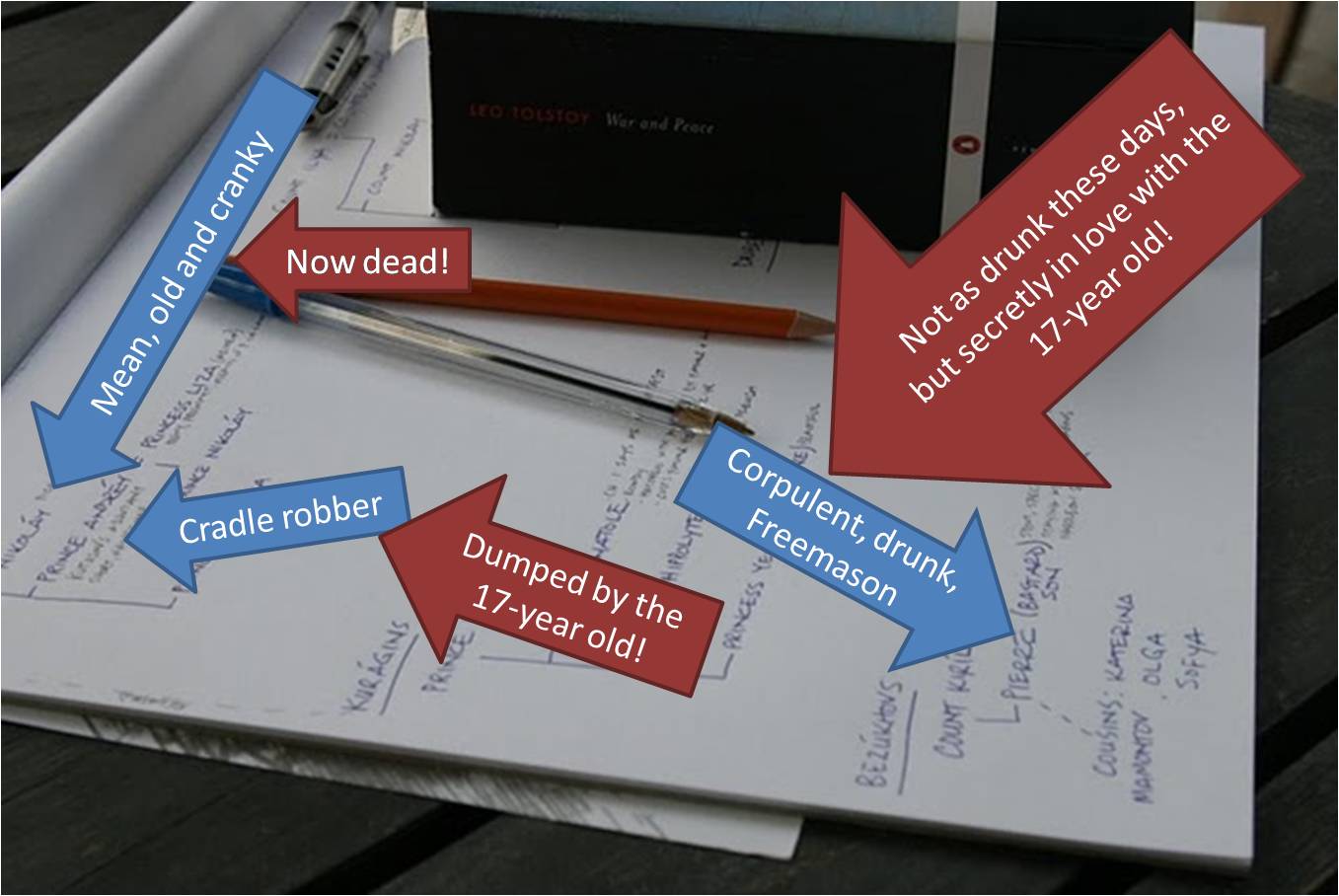
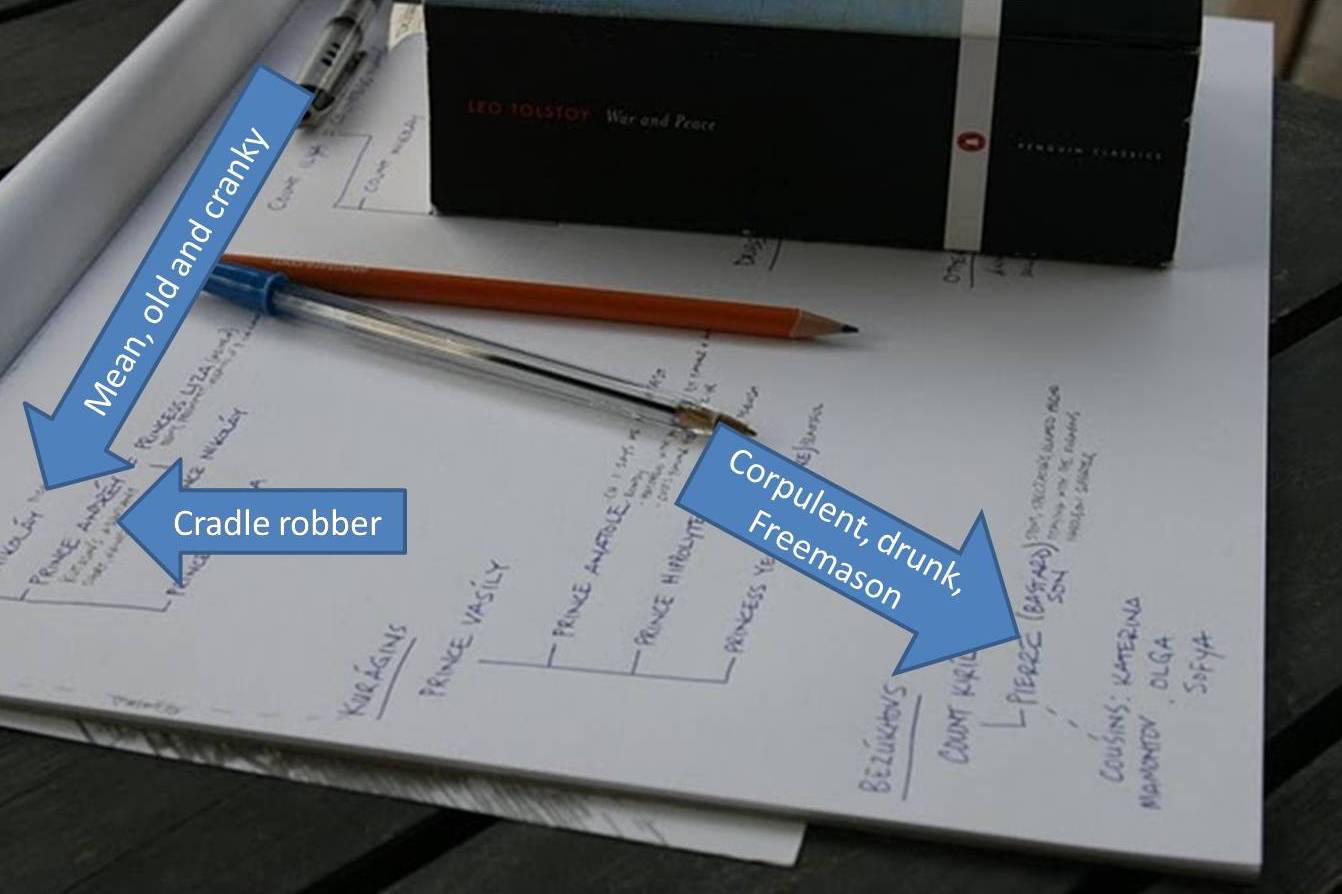
War and Peace Progress (with visual spoiler) [headline with a conversational side w/no caps]

And when it comes to the capitalization of deities, I will follow CMOS in not capitalizing any of them. So your god, whether him or her, will not be capitalized.

Italics
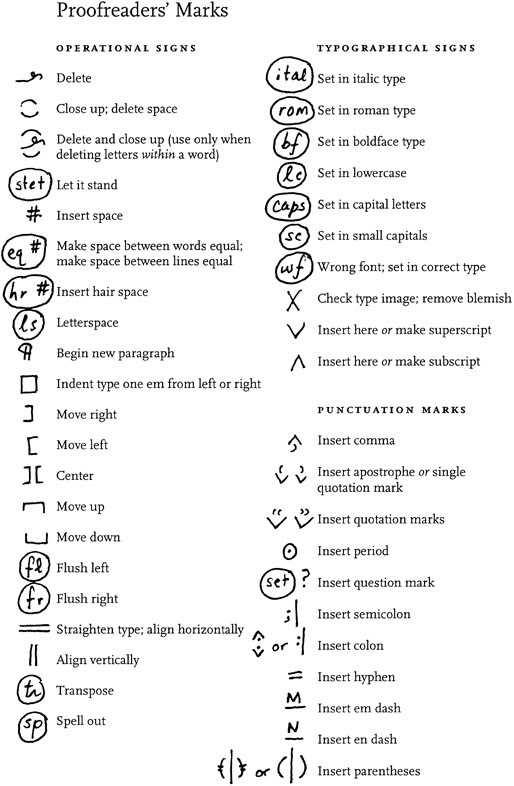
I use italics for titles in my text. But I don’t know how to do italics in my headlines so they remain without them. And if I remember, I will italicize foreign words in my text.

Serial Commas
This one is much easier for me. I have always preferred the use of serial commas. However, it seems that they are used less and less which has shaken my conviction in using them. Until today. From now on, serial commas will the standard on My Porch.

Abbreviations
No periods for me (thus U.S.A. will be USA or US) except when it comes to titles such as Mr., Mrs., and Ms.

English Usage
No matter how much of an Anglophile I may be, I will only use American spellings. No favourite colours here. There are some though that I no longer remember which is which (e.g., cozy/cosy, gray/grey). And I won’t Americanize words in quotes or titles or proper names. I abhor The Washington Post’s standard of Americanizing “Labour Party” so that it reads “Labor Party”.

Tell me UK readers, can I use “Britain” interchangeably with “UK”?

Indefinite Articles
Right or wrong I will not use “an” before hotel or historic or similar.

Split Infinitives
CMOS has accepted the split infinitive since 1983. Who knew? But I think they prefer that one limits it to cases where one wants to add emphasis. Which reminds me of one of my favorite lines from Upstairs, Downstairs. Hudson, the paternal butler always keen on providing instruction to his employees, says to one of the footman (I paraphrase): “You are correct in noting that the Master split an infinitive over luncheon.”

Things I Doubt I Will Ever Get Right
Affect and effect
You and I, You and me

Dealer’s Choice
Given that this is my blog, and it is meant to be a conversation and not at all formal, I reserve the right to be as ungrammatical or stylistically impure as I wish.

Long live the Uncommon Reader (with soundtrack)


I first read and briefly wrote about Alan Bennett’s novella The Uncommon Reader back in July 2008 calling it the best book ever. And for what it is–a funny, touching, extremely well-written fictional story of the Queen of England discovering reading–it really is the best book ever. Taking a brief break from War and Peace I picked up this little gem again and found it as delightful the second time as I did when I first read it. And since I knew what was going to happen I was better able to soak up more of Bennett’s amazing wit and ability to turn a wry phrase. And since I read it the first time over two years ago, I have had the opportunity to read some of Ivy Compton-Burnett which makes the cameo appearances of her books in The Uncommon Reader all the funnier.

When the Queen’s private secretary, unhappy with her new found passion for reading condescendingly remarks to her that reading is a good way to pass the time, the rather annoyed monarch replies:

Books are not about passing the time.They’re about other lives. Other worlds. Far from wanting time to pass, Sir Kevin, one just wishes one had more of it.

Even Her Majesty’s corgis are unhappy with their keeper’s new hobby which keeps them from getting the attention they think they deserve, turning every book they can get near into a chew toy.

One of the wittier passages has to do with the inane small talk forced upon Queen and subject alike by the exigencies of schedule and decorum. When prepping groups of subjects for interactions with the Queen, the equerries have this to say:

Her Majesty may well ask you if you have had far to come. Have your answer ready and then possibly go on to say whether you came by train or by car. She may then ask you where you have left the car and whether the traffic was busier here than in – where did you say you came from? – Andover. The Queen, you see, is interested in all aspects of the nation’s life, so she will sometimes talk about how difficult it is to park in London these days, which could take you on to a discussion of any parking problems you might have…

Reading has opened up whole new worlds for a woman who has travelled more, seen more, and experienced more than perhaps any other living human. Reading has also opened up her interest in those around her and she begins to notice body language, facial cues, and other expressions of emotion she was once oblivious to. This discovery makes her seem even more isolated in her gilded cage than ever. Servants and subjects unused to real personal interactions with the Queen begin to think they are witnessing the early stages of dementia. After speaking freely with an equerry:

…the young man felt it might be that she was beginning to show her age. Thus it was that the dawn of sensibility was mistaken for the onset of senility.

Immune to embarrassment herself, as she was to any she might cause, the Queen would once not have noticed the young man’s confusion. But observing it now she resolved in the future to share her thoughts less promiscuously, which was a pity in a way as it was what many in the nation longed for.

The only quibble I have with this novella is that Bennett’s satirical observations about the hostility of the willingly illiterate philistines who surround her make it seem like the Queen is one of the few book lovers still alive. Authors are humorously painted as disinterested egomaniacs, and others who might share the Queen’s interest in reading are too paralyzed by her station to engage in any meaningful conversations. I say the Queen needs to meet up with some book bloggers. We would have no problem engaging in as much book talk as she could handle.

At this year’s Last Night of the Proms they ended the program as they always do with the singing of “God Save the Queen”. This year they chose an arrangement by composer Benjamin Britten. I am a huge fan of Britten but I had never heard this arrangement before. It is brilliant. It starts off so quietly, in a way that one does not normally associate with a national anthem. I include it here for your listening enjoyment.