Couldn’t resist. You dog lovers will enjoy these.
![]() |
| Helping me get ready for the party. |
![]() |
| She was sleeeepy |
![]() |
| Really sleeeeepy |
![]() |
| Arco Lamp does dual duty as doggie lookout point |
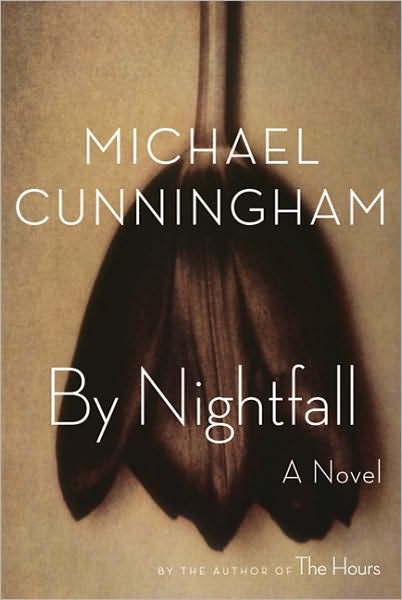
And then the flip side of setting Peter in this world is the contrast of perfection and high ideals with the baser side of human experience and emotion. Sometimes something beautiful comes out of something messy and ugly. And sometimes there is nothing seemingly profound in art at all–it is born out of base sexuality, greed, or vanity. But even those can create something that transcends the sum of their parts.
I am not saying this is a brilliantly written, perfectly wrought novel. There are more than a few themes that didn’t really pull together for me. But it did at times tap into something very emotional for me. And anyone who can get me to see Damien Hirst’s ridiculous shark in a tank in a new light is doing something worth looking into.
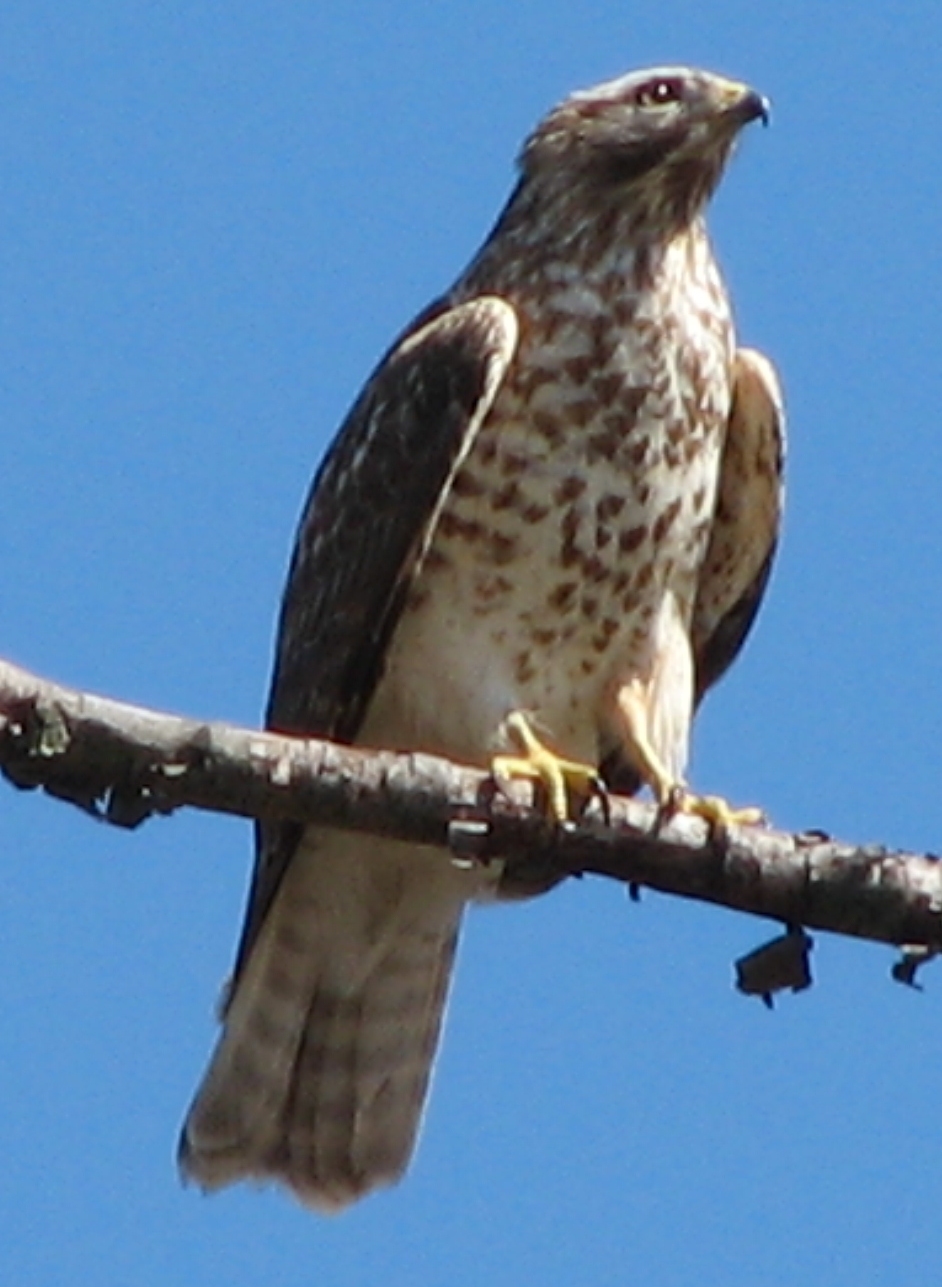
This morning I was about four houses away from my own house when I saw a large bird swoop down on the sidewalk directly ahead of me and pick something up. The bird flew up to a nearby roof and perched. I quickened my pace because I wanted to get a closer look to see what kind of bird it was and to see what it had caught. As I got closer to where it was perched, the bird took to flight again. But this time, instead of flying away from me, it crossed over about 20 feet in front of me and only about 10 to 15 feet in the air. I couldn’t believe how close it was and practically at eye level. It was such an amazing thing to see at such close range.
I had noticed hawk-like silhouettes circling high above the tree line in our neighborhood on a few previous occasions, but to see one swoop down on the sidewalk right in front of me and catch its prey was amazing. And then to have it do a fly by right in front of me was surreal. I thought about trying to capture it on my cellphone camera, but I knew that just watching it and not missing a thing was way more interesting than getting a blurry picture of it.
I am pretty sure it was a red-shouldered hawk. And I am even more sure that it was an American grey squirrel. May he or she rest in peace. Circle of life and all that…
Today was supposed to be the big reveal for the Persephone Secret Santa, but, due to weather-induced postal complications, I still don’t know who my PSS is. As you may have noticed I have been on a bit of a Persephone roll, having read two very recently. And today I started Someone at a Distance by Dorothy Whipple. I will have to make do with that until I get my PSS package.
![]() |
| This fantastic photo from a Flickr page belonging to burningoutofcontgrol |
Even though I very much enjoyed Little Boy Lost, I think I am going to be in the minority on this one. Many bloggers have loved this novel and commented on the fine quality of Marghanita Laski’s writing. I agree with them in their enthusiasm for Little Boy Lost. It was one of those books that I didn’t want to put down once I had started. But I felt like there were too many tidy progressions in the plot that were so obviously just meant to move things along. It wasn’t so bad that it really bothered me, but it did keep me from thinking that Laski was a great writer.
To provide a succinct, spoiler-free plot description: Hilary, an Englishman, still bereft over the death of his Polish wife at the hands of the Nazis, goes to France after World War II to find his young son. When he encounters a boy who might be his child, emotional confusion results. Is the child really his? You’ll have to read the book.
It is in fact Hilary’s emotional confusion that provides the real meat of this book. When he meets Jean, the boy who may or may not be his child, Hilary is smacked in the face with his own emotional ambivalence. So much so that I wondered whether Hilary had a heart at all. Part of me just put it down to the fact that he was English. (I know, I know…before I get hate mail from my English friends, you must forgive me my deep seated and probably unjust notion that the English are capable of an emotional detachment that can be breathtaking. No doubt this stereotype is the equivalent of those English depictions of Americans being loud, crass, slack-jawed, idiots.) But as I thought a little more about it I realized that Hilary was also a prisoner of his time and gender. What else could explain the fact that despite having a big ol’ farm and plenty of money, he could only imagine taking the child if he could pawn the him off on his parents or by marrying his f*** buddy, gal pal Joyce (see there is that crass American coming through). I shouldn’t really fault 1940s Hilary for not living up to what we might expect today. But then I think of the husband in Dorothy Canfield Fisher’s much earlier book The Homemaker or even Martin in Richmal Crompton’s Family Roundabout and think “Hilary, you fool, break out of that box!” I mean really, why go searching for a son that you only intend to farm him out to someone else to take care of.
I also found myself screaming (silently) at Hilary “For god sake man give the kid a sandwich–he can’t live on Raspberry soda thingies alone.” And having been brought up Catholic I couldn’t help but be annoyed by the Mother Superior being overly, but not surprisingly given her position, concerned about Hilary not being a Catholic. Right, better to be a Catholic orphan than the son of a non-Catholic.
I didn’t mind, as many of you did, the introduction of the slutty number toward the end of the book. Perhaps clumsily inserted into the story sure, but it does add a psycho-sexual dimension that really heightens the emotional stakes. Laski does mention Hilary’s sex life earlier in the book when he is hanging out with Pierre, but nothing that prepares us for the possibility that Hilary is going to let his penis make the decision for him.
And how is that for a review of Little Boy Lost? I managed to offend an entire nation, dropped and f-bomb, and used the word “penis”.
Job well done, Thomas. Job well done.
(But seriously, read the book. You’ll like it.)
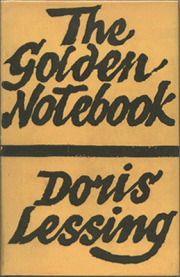
And like War and Peace, The Golden Notebook was at times brilliant, and enthralling, and well, at times, a bit of a slog. I had also read about 200 pages of this 635-page book when I picked up the 1358-page War and Peace. So I think I first started The Golden Notebook back in September and have read eleven other books since then. Needless to say my reading experience suffered somewhat from such a long, drawn out read. The good thing is that there were so many things that made me stop and think along the way, that I put post-it notes through the book as I read. So now as I crack open the early chapters to see what I was thinking about months ago, I hope there is adequate fodder for a decent review.
To sum up the story (and the whole notebook thingy). Anna Wulf is keeping four notebooks. A black one where she writes about her experiences in Africa. A red one in which she writes about her political life as a member of the Communist Party in Britain. A yellow one that contains a novel she is writing. And a blue one in which she keeps her diary. And then at the end she chucks all those aside and writes a golden notebook where she decides to tie it all together. (I think this may be the source of the title…)
I know there are bloggers out there who love this book, and I can understand why. There is much to like and be fascinated by, and much that is intellectually and emotionally engaging. By the time I got to the end I found it somewhat hard to really say I liked this book, even though I know there were about at least 400 pages that I really did enjoy.
And since this “review” is starting to become as sprawling as Anna and her amazing technicolor notebooks I am going to go back and look at my post-it notes and just take the thoughts as they come.
Post-It Note #1
An entry in the black notebook which takes place in Africa during World War II, has the following interesting insight which had never occurred to me before:
There was another reason for cynicism…This war was presented to us as a crusade against the evil doctrines of Hitler, against racialsm, etc., yet the whole of that enormous land-mass, about half the total area of Africa, was conducted on precisely Hitler’s assumption–that some human beings are better than others because of their race.
Post-It Notes #2, 3, 4, and 5
I have no idea why I thought these passages were important enough to tag. At some point I felt I had something I wanted to say about these, but as I go back and read them, I have no clue what that might have been. I guess next time I should write something on those post-its.
Oh god, I have lost track of the number of post-its that make no sense to me now. I remember being struck as I read by how serious the whole Communist thing was back in the 1950s and 1960s. Not just the “menace” to the capitalist West, but the fact that the Communist Party had (and has) legs in Europe that it never really grew in the U.S. Of course we had those delightful communist witch hunts that might have put a damper on things
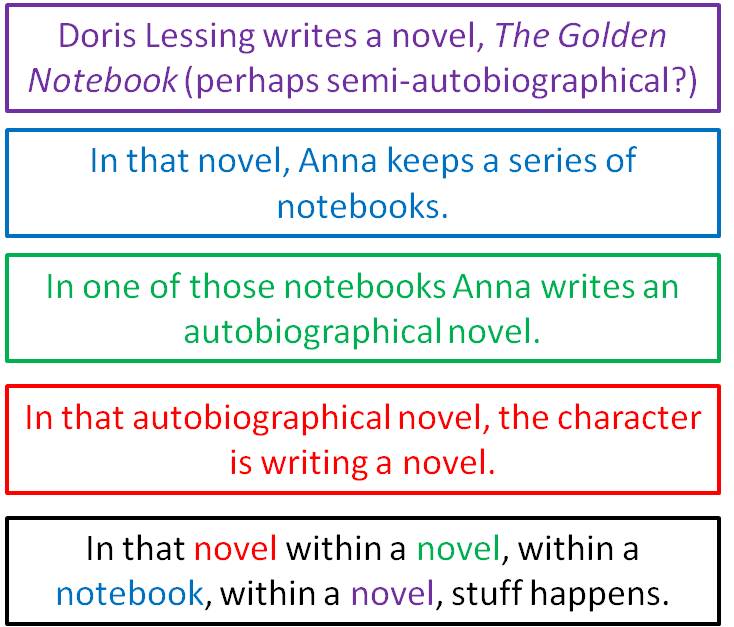
And there was one passage that I really wanted to write about, that I now seem to have misplaced, that occurred in the yellow notebook–the one in which the main character is writing a novel. As I read this particular passage I was struck by the levels of the narrative. It made me want to make a graphic. Without being able to find the passage I think I have it characterized correctly below:
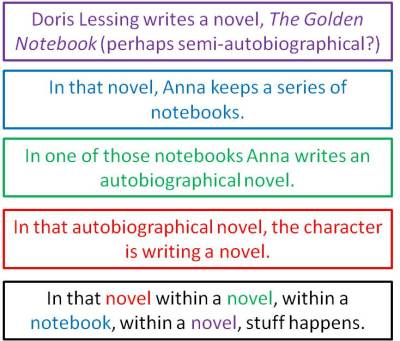
Did you follow all of that? Doesn’t this beg a really big question? Why in the world did Lessing have to bury the story behind so many layers of narrative? I know that a big part of the story is the complexity of Anna’s life and mind and writing and everything else, but it just seemed to me after about page 500 that it could have been done differently. I know, I know the book is genius, I am being too simplistic, etc. Lessing tackles so many things, gender, sex, mental health, racism, politics, and so on. But by the end I just didn’t care. There is also much, especially in the last 200 pages that just seems way to overwrought with meaning. If my everyday life was full of the much portent I think I would need to be admitted to care.
Lovers of The Golden Notebook, don’t be too hard on me. There were many things that I got and appreciated. This is truly a book that deserves close study in any number of disciplines. But overall I got to the point where I just didn’t care. I will continue to read Lessing’s novels. They are fascinating, and so far no two have been alike. And even this one that I found frustrating had way too much that was good and interesting to give it a bad review. Although I realize it may sound like that is exactly what I am doing. Like Anna, I am a complex, confusing, person.
I meant to unveil one book-a-palooza post a day, but I got impatient. All the text and pictures were ready, I couldn’t resist dumping them all at once.
And if these Penguins don’t interest you (!) scroll down there are plenty of other book treasures that follow.
I saved the best Book-a-palooza post for last.
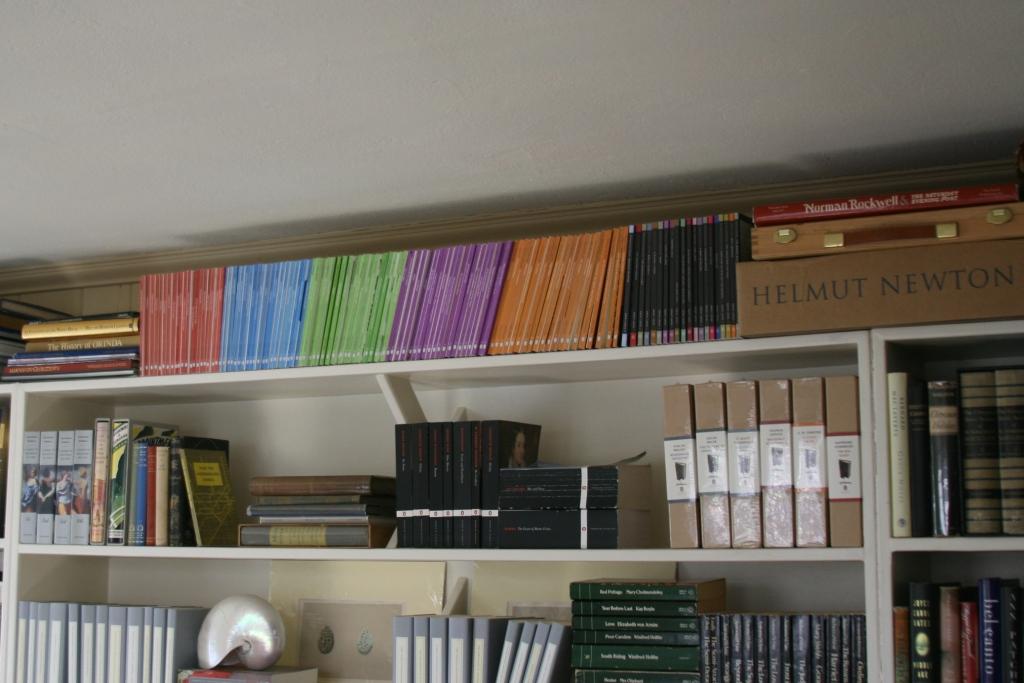
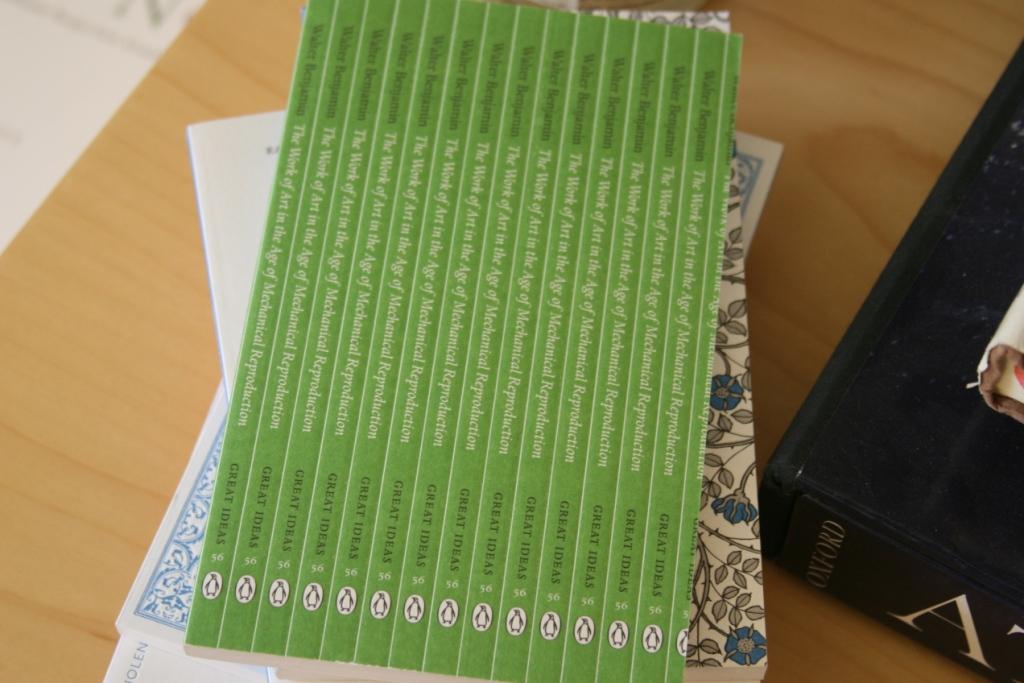
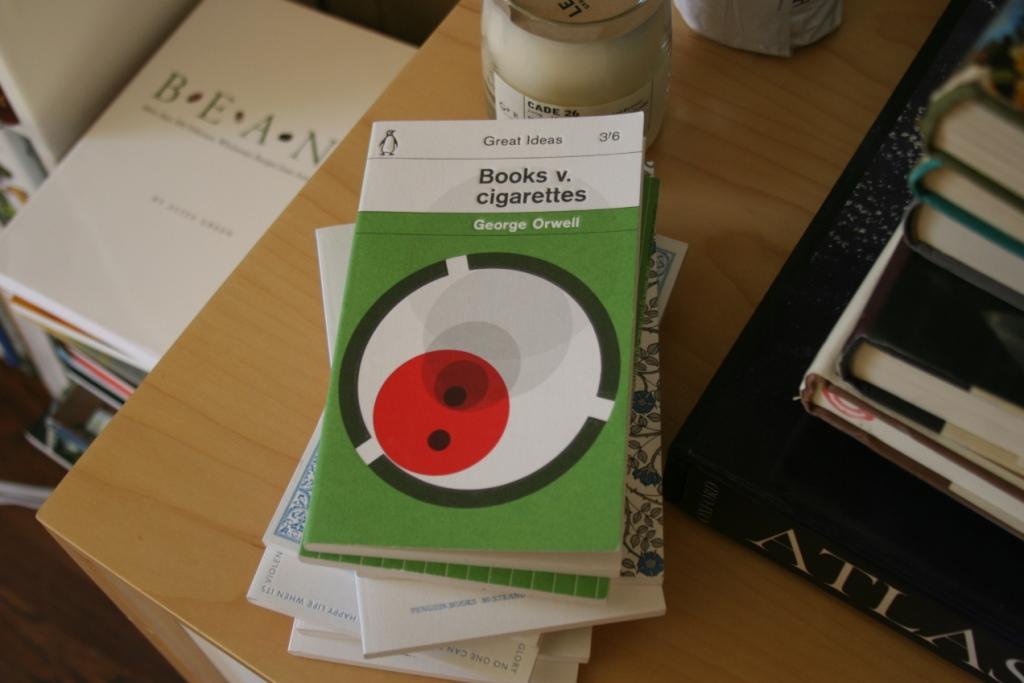
Some of you may remember my obsession in getting all 20 volumes of the Penguin English Journey’s series. Well obssessions ran amok on my recent trip to London. As you saw earlier, I couldn’t help buying almost all of the Penguin Great Loves series. But far crazier was my last minute decision to acquire all 100 volumes in the Great Ideas series.
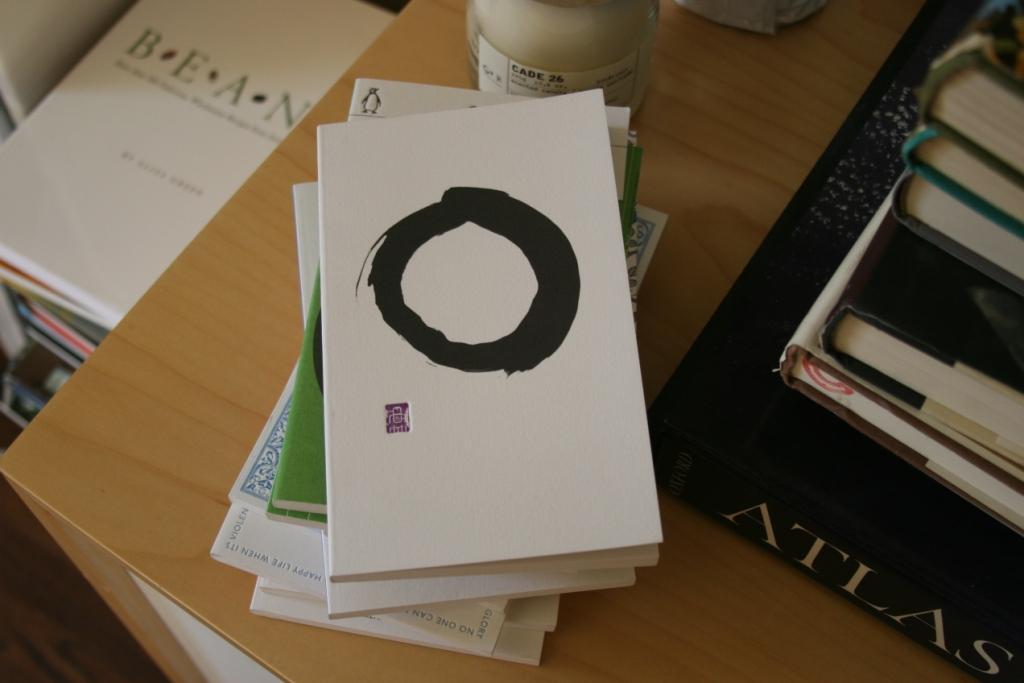
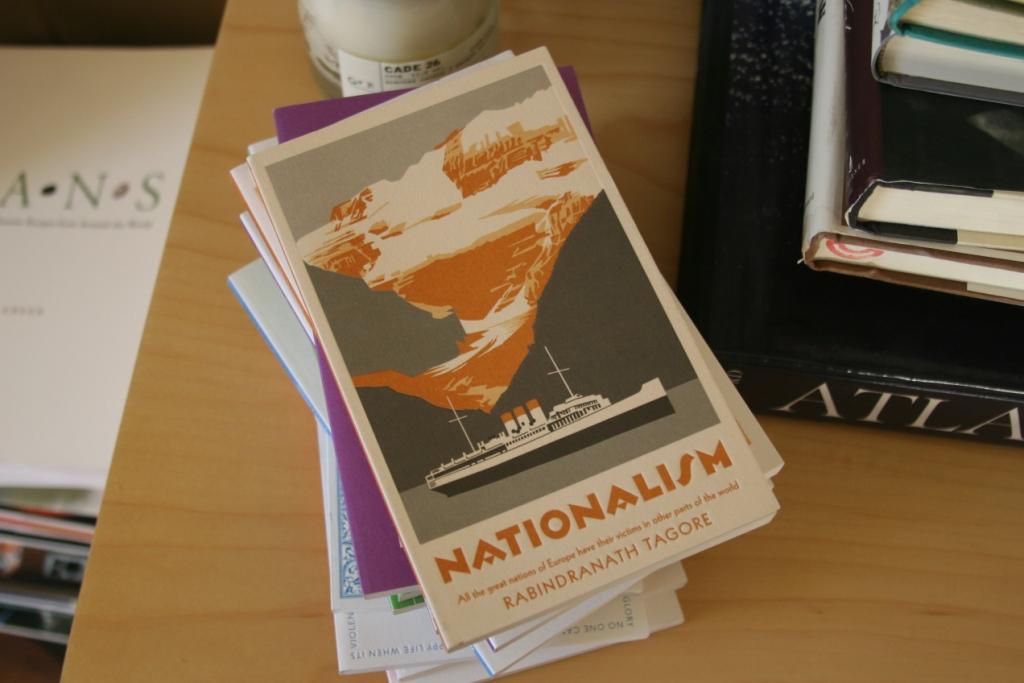
What possessed me? I already owned two that I had picked up a year ago at an English bookshop in Den Haag. And then when I was in the original Daunt Books on Marylebone High Street on a rainy Friday night a few weeks ago, I picked up a copy of Nationalism just because I loved the cover (see below).
Later that weekend right before drifting off to jet-lag enhanced slumber I noticed that the volume was numbered and that there are 100 books in the series. One thing led to another and our last full day in London I found myself in Daunt Books on Fulham Road where I managed to snag about 45 volumes in one fell swoop. But this still left fifty-some still to buy. As we wended our way across central London that day I called in at every new bookshop we passed to see if they had more of them. The giant Waterstone’s at Picadilly. Nothing. At the fantastically wonderful Hatchards just a few doors down from that, not one to be found. Foyles on Charing Cross Road, another goose egg. I was starting to despair, the helpful folks at Hatchards explained that they once had them all in one section but after the original promotion they put them into general stock which made them worse than a needle in a haystack given the time I had left. Then, after almost not even going in, I walked into the Blackwell’s on Charing Cross Road and asked at the information counter. He pointed me toward a full display of the whole series. Earlier at Daunt I had noted down all the numbers that were still missing. I took that list and started grabbing the ones I needed off the shelf. I soon had to enlist John’s help to hold the ones I was going to buy as I went through my numbered list. Within five minutes John had about 52 books in his arms. I had managed to find all the volumes that were missing. I couldn’t believe my luck. Finding all missing 97 volumes in one day. The best part is that Blackwells had them on sale 3 for the price of 2!
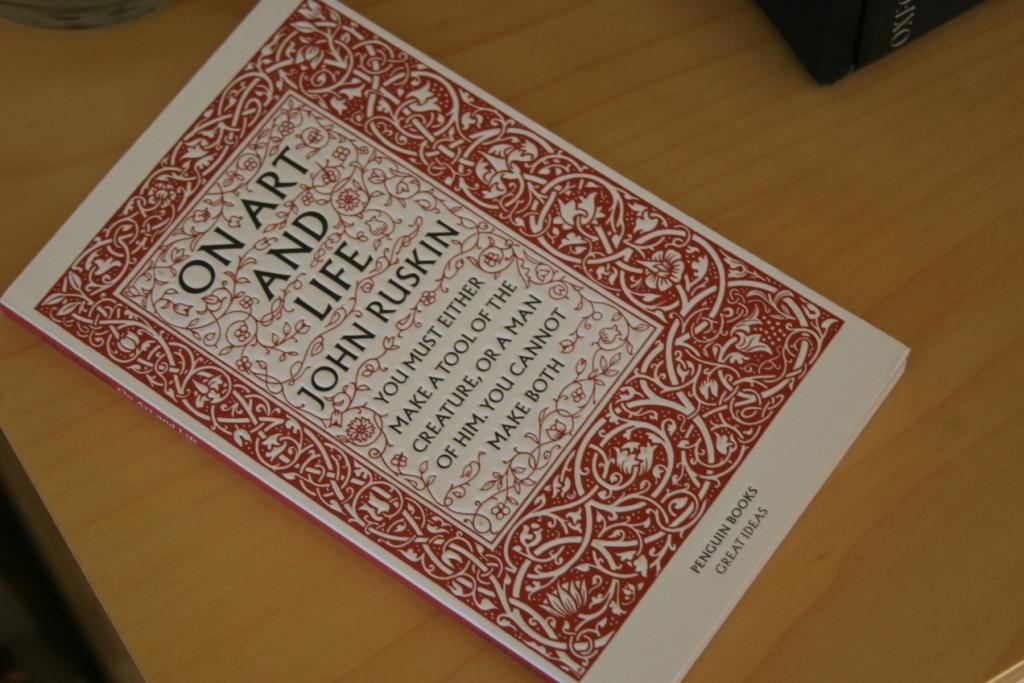
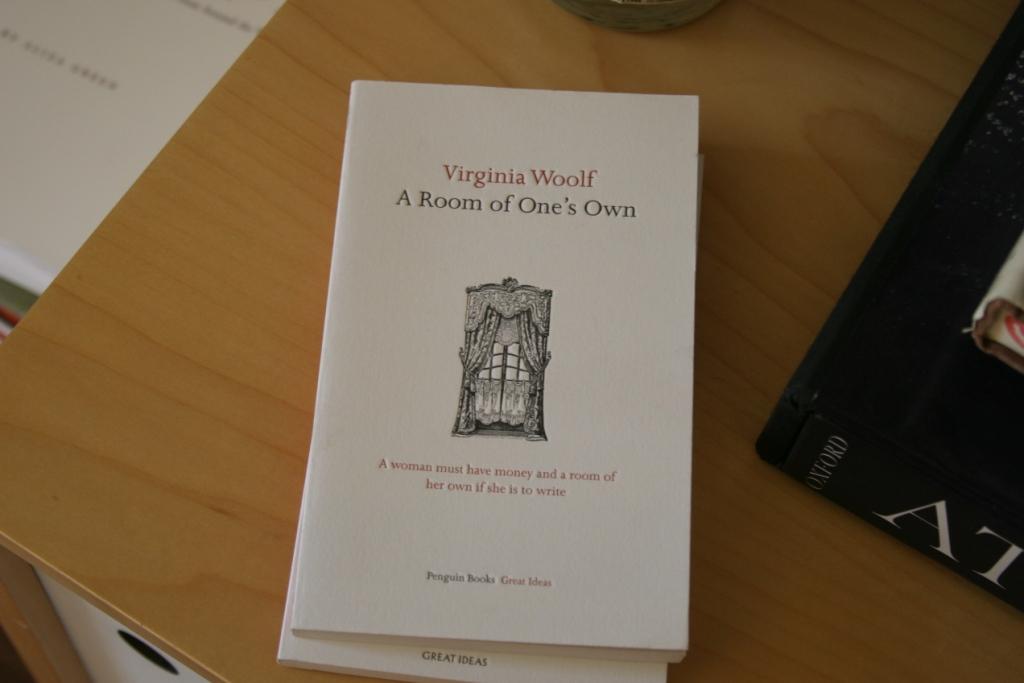
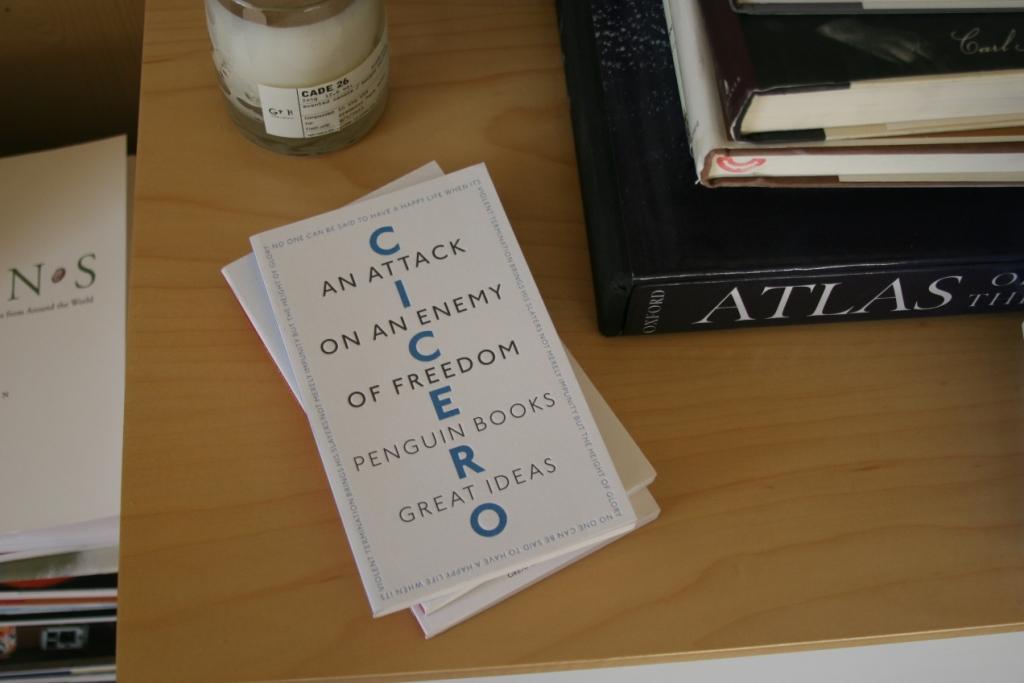
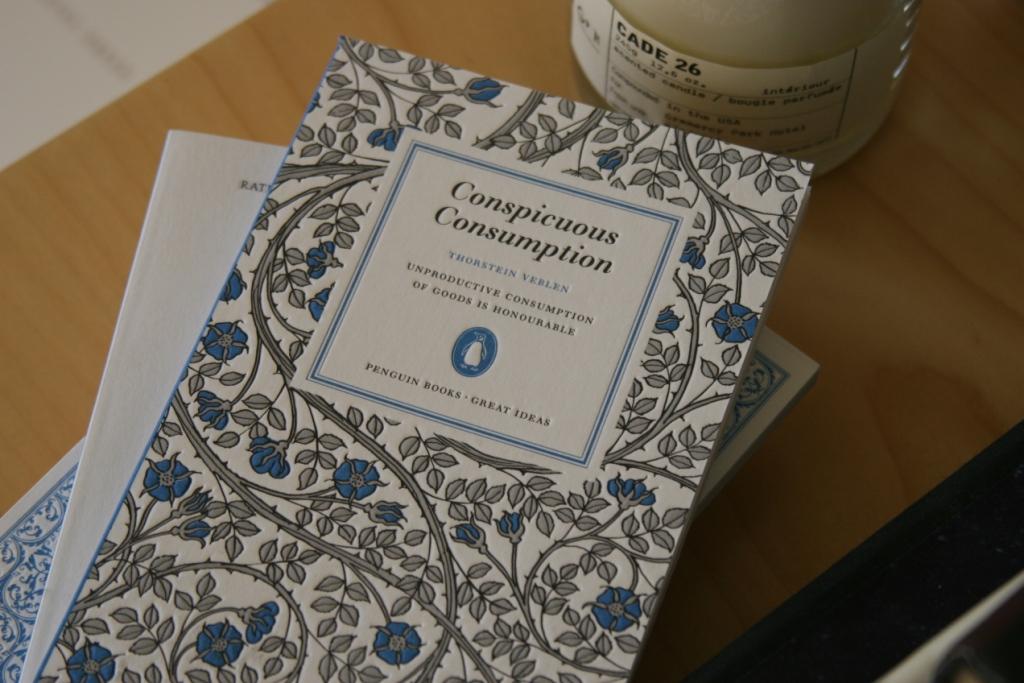
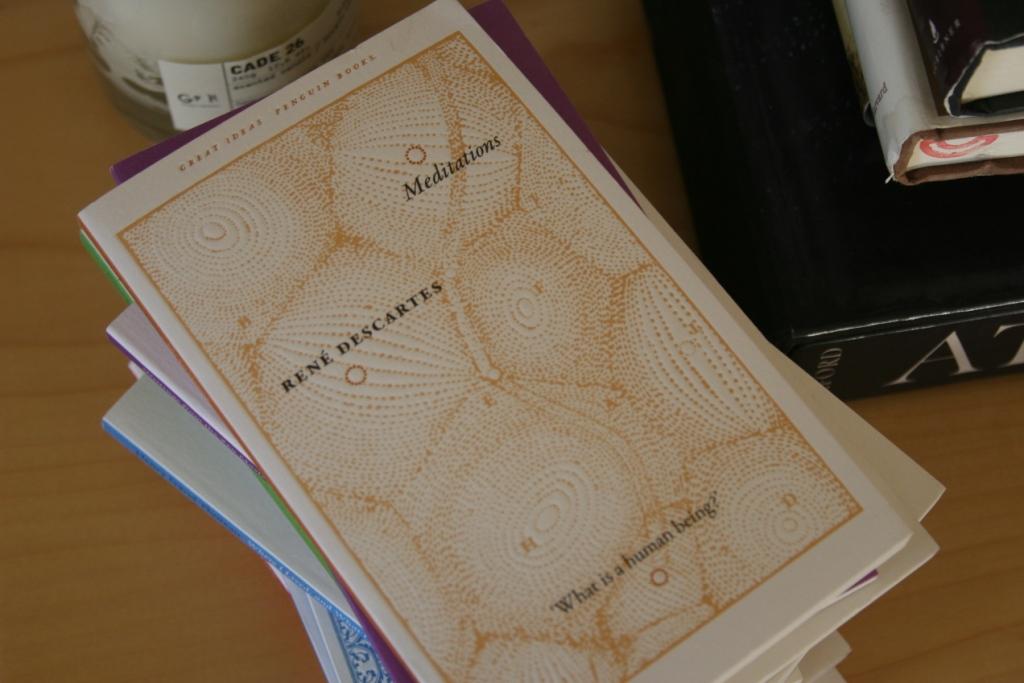
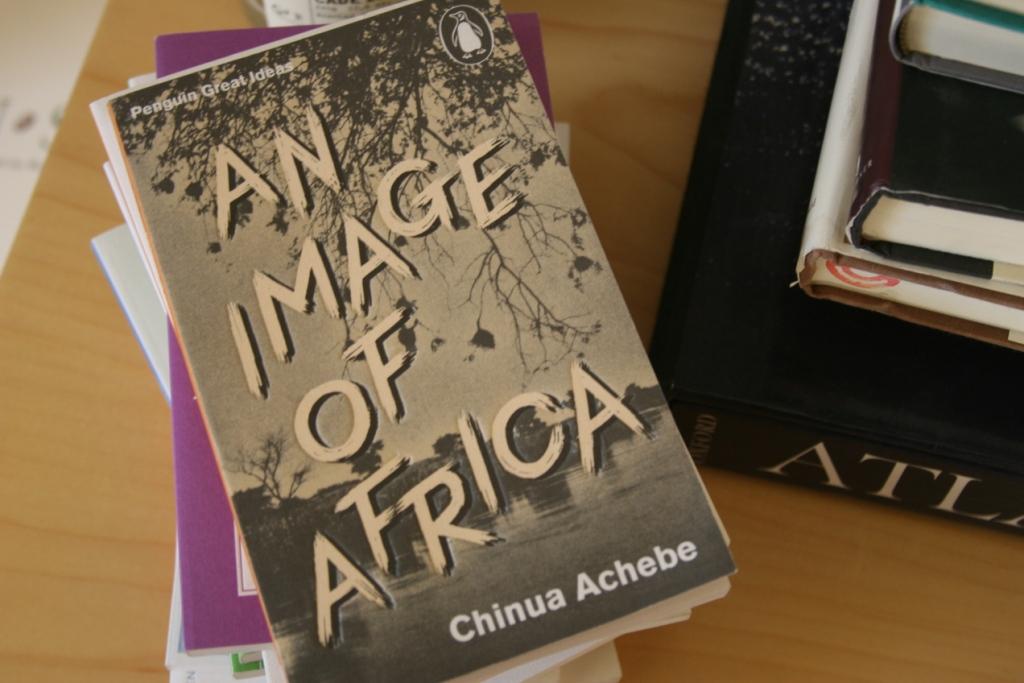
And let me tell you, they are beautiful. Most of covers have some element of embossed design. Some are very intricate and some are extremely simple. Below are a selection of my favorites.
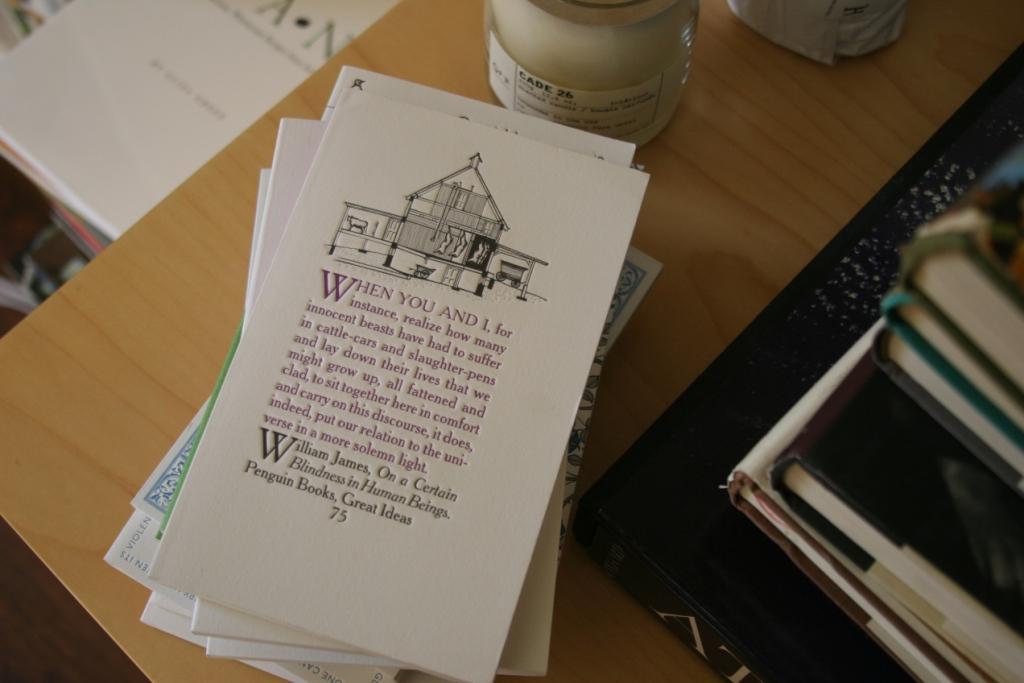
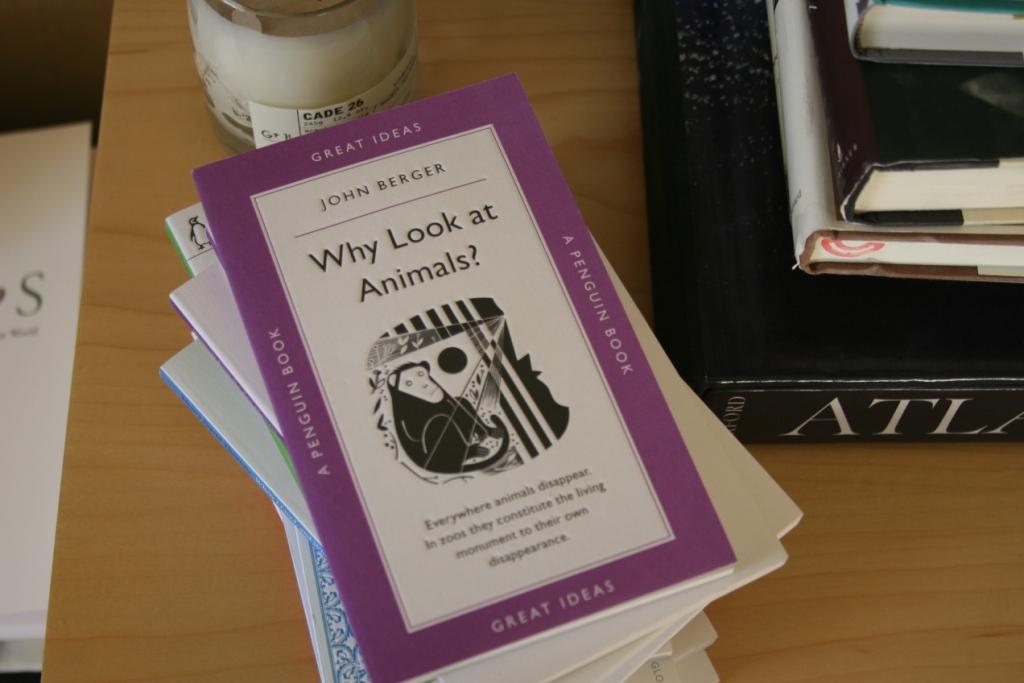
Penguin knows at least two things: 1) Pretty covers matter; and 2) Create a numbered series and OCD book collectors will spend way too much money, like climbing Everest, just because it is there.
![]() |
| Can you spot the rainbow of Great Ideas on the top shelf? |
![]() |
| The cover that started it all for me. |
I have gotten way behind in writing about recent book adventures, so all this week I will be posting about some of fun things I have picked up in the last couple of weeks.
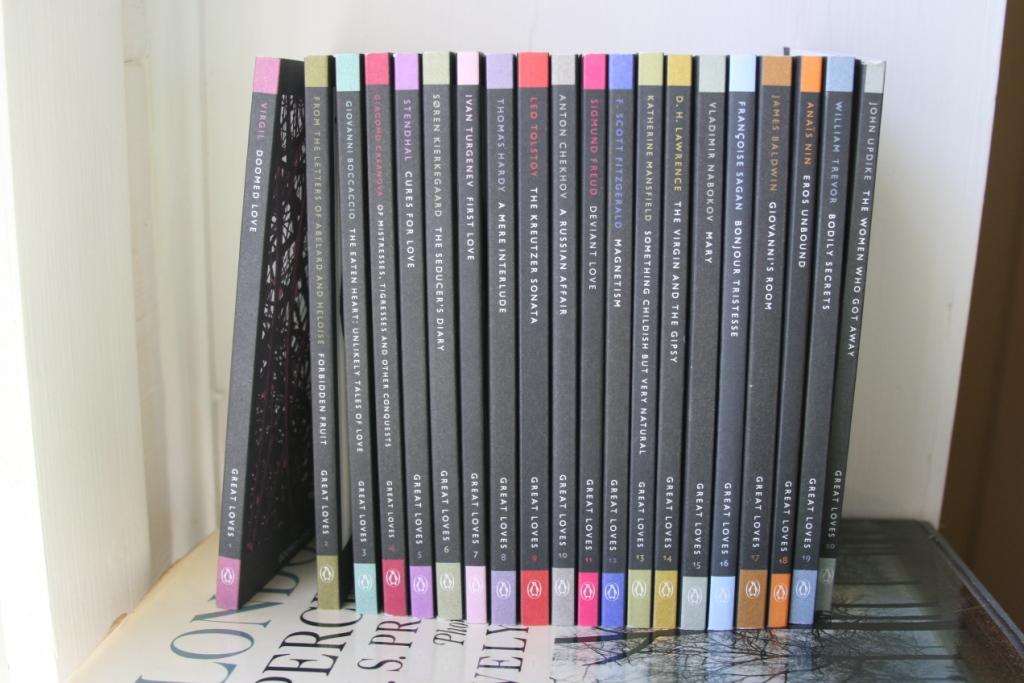
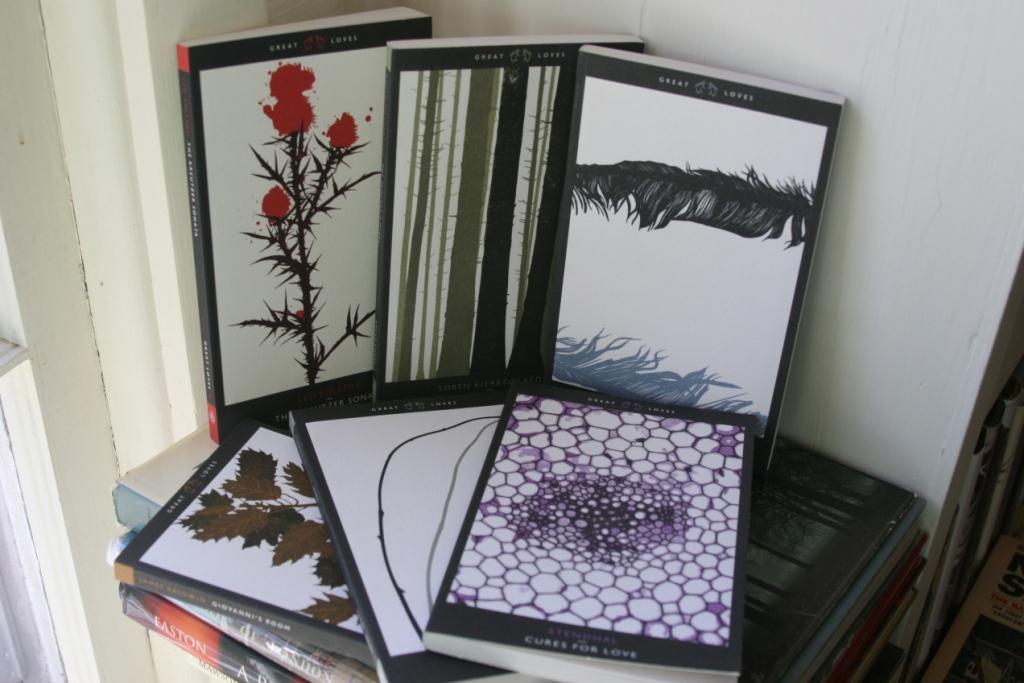
God knows I love a Penguin series. Here is their Great Loves series. I am still in need of one more volume to complete the 20-volume set.
I think the covers are quite lovely.
I have gotten way behind in writing about recent book adventures, so all this week I will be posting about some of fun things I have picked up in the last couple of weeks.
I was on a hunt for something in particular when I went into Foyles on Charing Cross Road. (Much more on that later this week.) When the young man at the information counter told me they didn’t have it I noticed over his shoulder Deborah Devonshire’s latest book. Turned out it was even signed, albeit on a bookplate pasted in the front. I am looking forward to this.
But then I noticed Darlene at Roses Over a Cottage Door that the Canadian cover is way better (I think). I would give up my signed English copy for her Canadian one. Frances writes about it and other things Mitford here.