My new favorite thing

img_7736

I saw Lapham’s Quarterly a few weeks ago in the check-out lane at Whole Foods and had to have it. I find it absolutely charming and interesting and have decided it is my new favorite thing. Each issue focuses on a specific issue and is filled with shortish bits and bobs from all over.  The journal’s website explains it better than I can.

Lapham’s Quarterly embodies the belief that history is the root of all education, scientific and literary as well as political and economic. Each issue addresses a topic of current interest and concern—war, religion, money, medicine, nature, crime—by bringing up to the microphone of the present the advice and counsel of the past.

The texts are drawn from authors on the order of Aristotle, William Shakespeare, Leo Tolstoy, Mark Twain, Thucydides, Virginia Woolf, Charles Dickens, Edith Wharton, Edward Gibbon, Mahatma Gandhi, Confucius, Honoré de Balzac, Jane Austen, Jorge Luis Borges, Matsuo Bashō, Henry David Thoreau, and Joan Didion. Abridged rather than paraphrased, none of the text in the Quarterly runs to a length longer than six pages, others no more than six paragraphs. Together with passages from the world’s great literature, each issue offers full-color reproductions of paintings and sculpture by the world’s great artists. The connecting of the then with the now is further augmented with the testimony found in the letters, speeches, diaries, and photographs, in five-act plays and three-part songs.

The website is very cool and has lots of content, but I must say, I love the printed version. The art is cool, it’s beautifully designed, and I love it as an object as much as I love the content.

img_7740

img_7741

img_7750

img_7751

img_7749


Christmas Baking Part Two

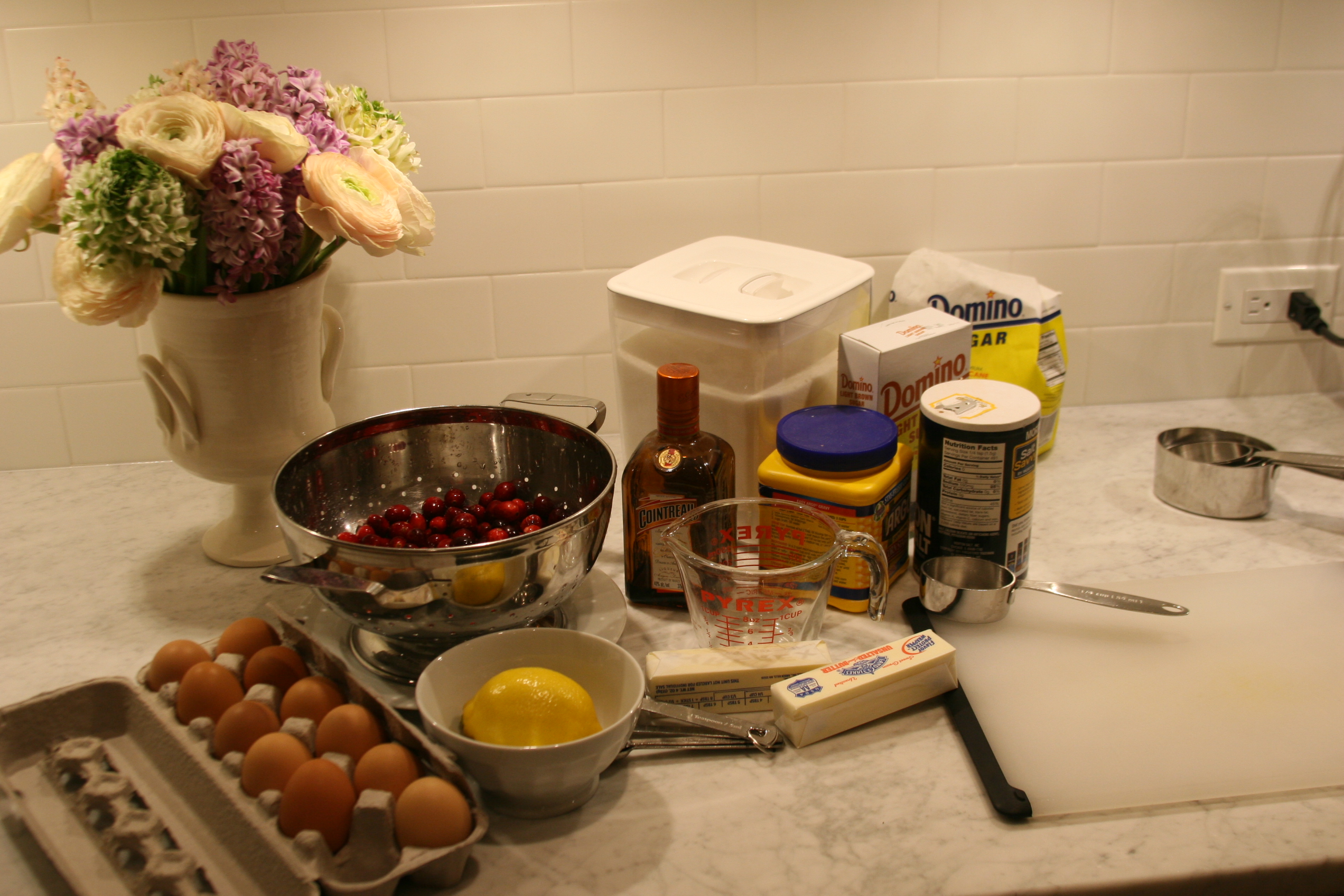
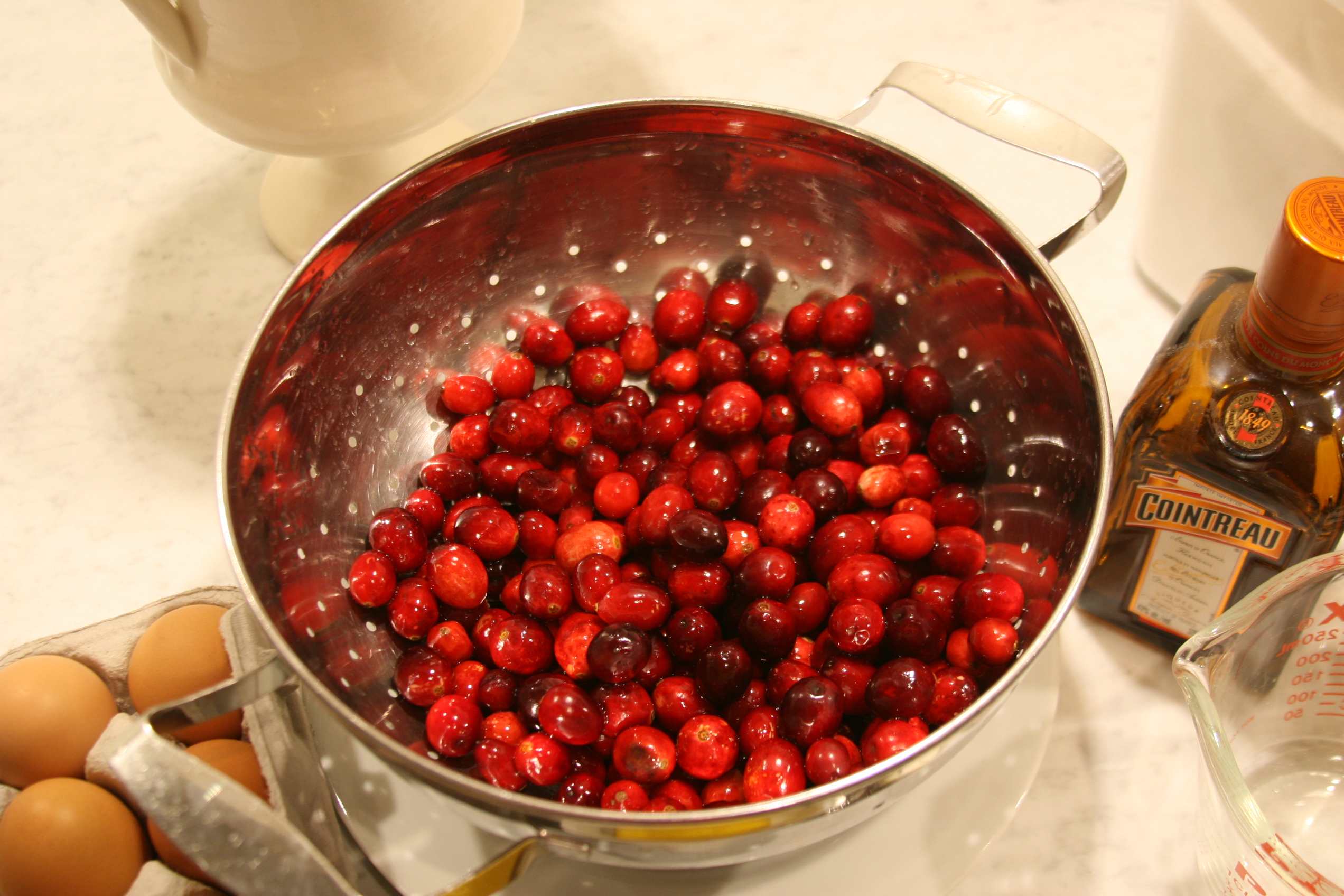
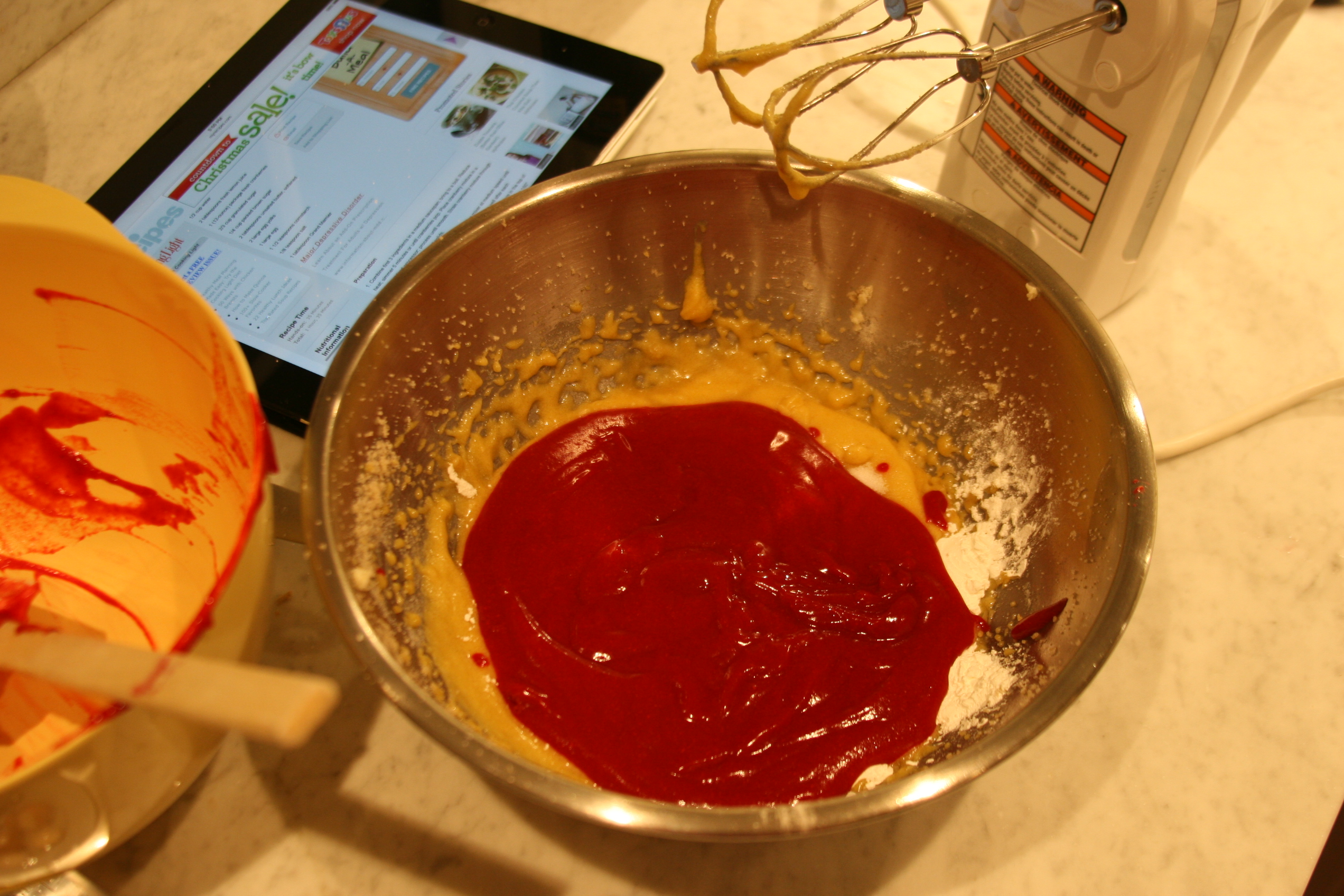
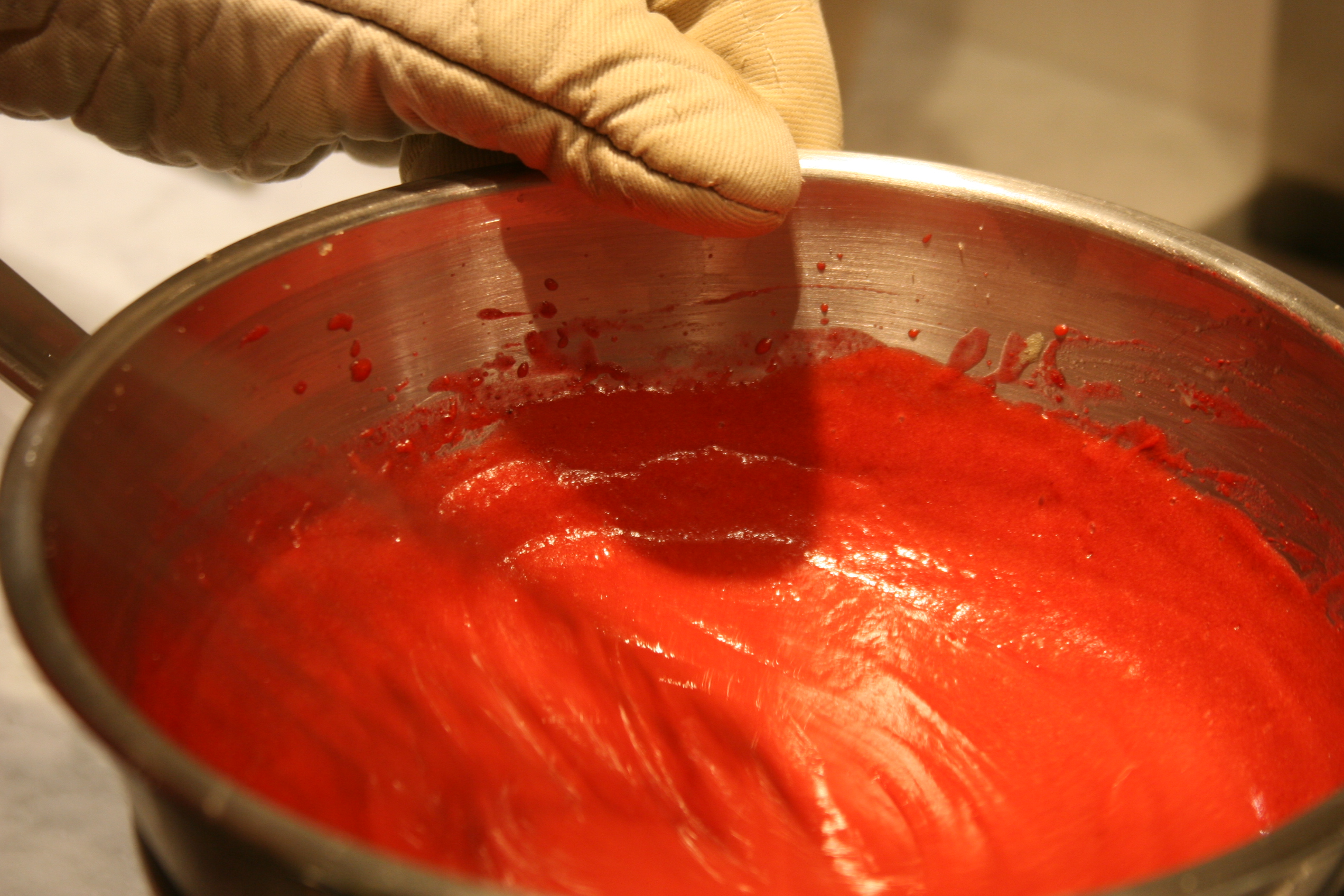
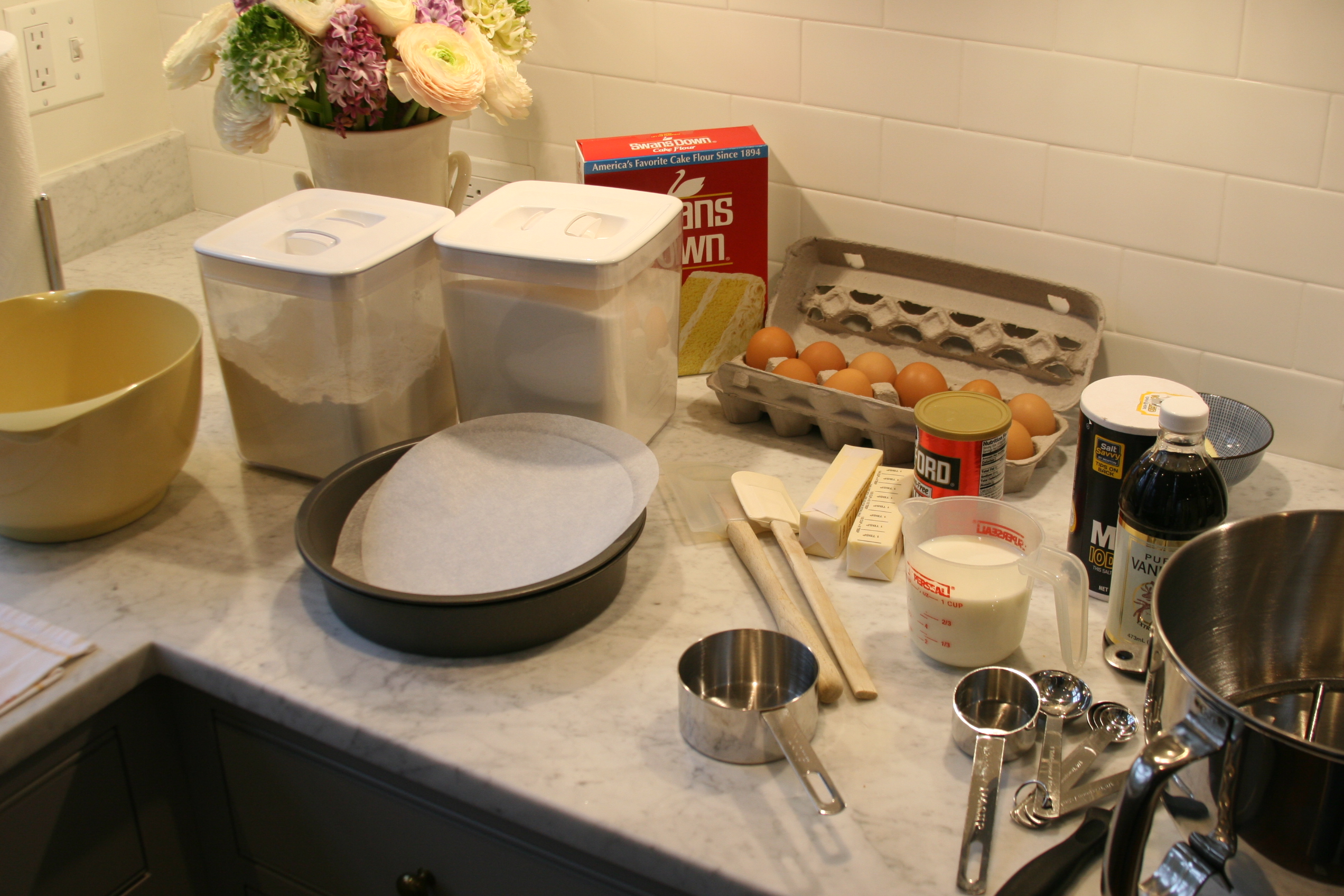
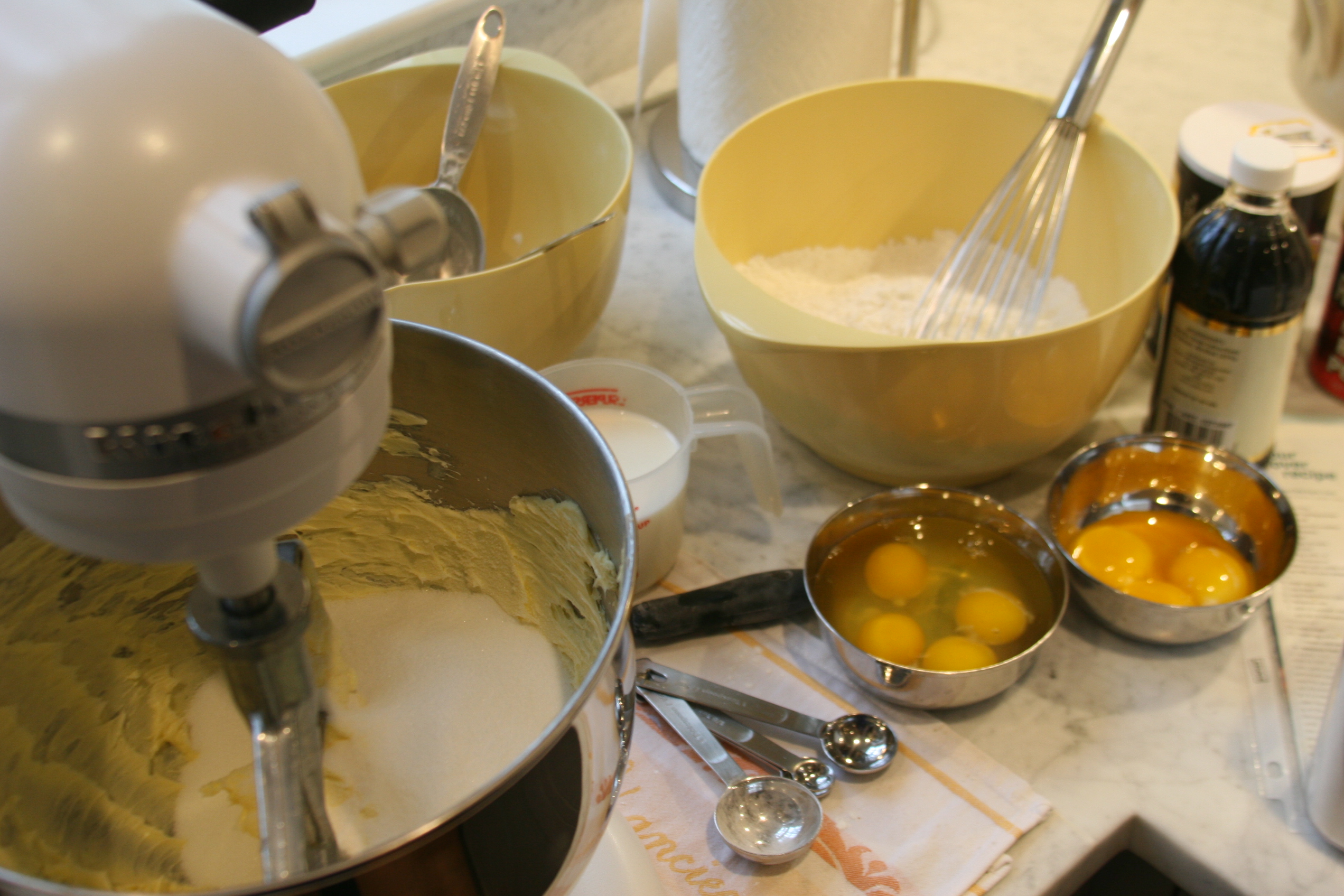
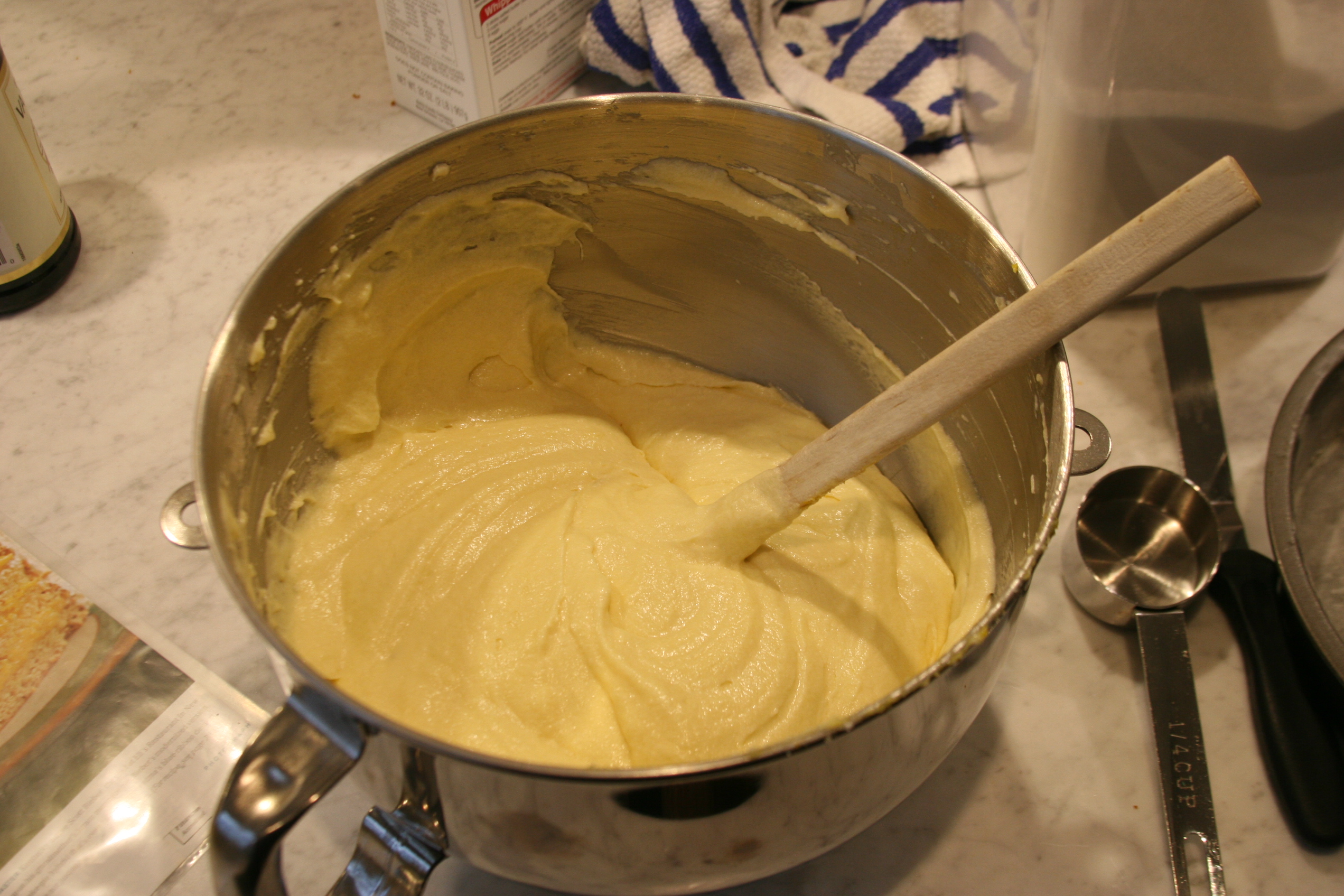
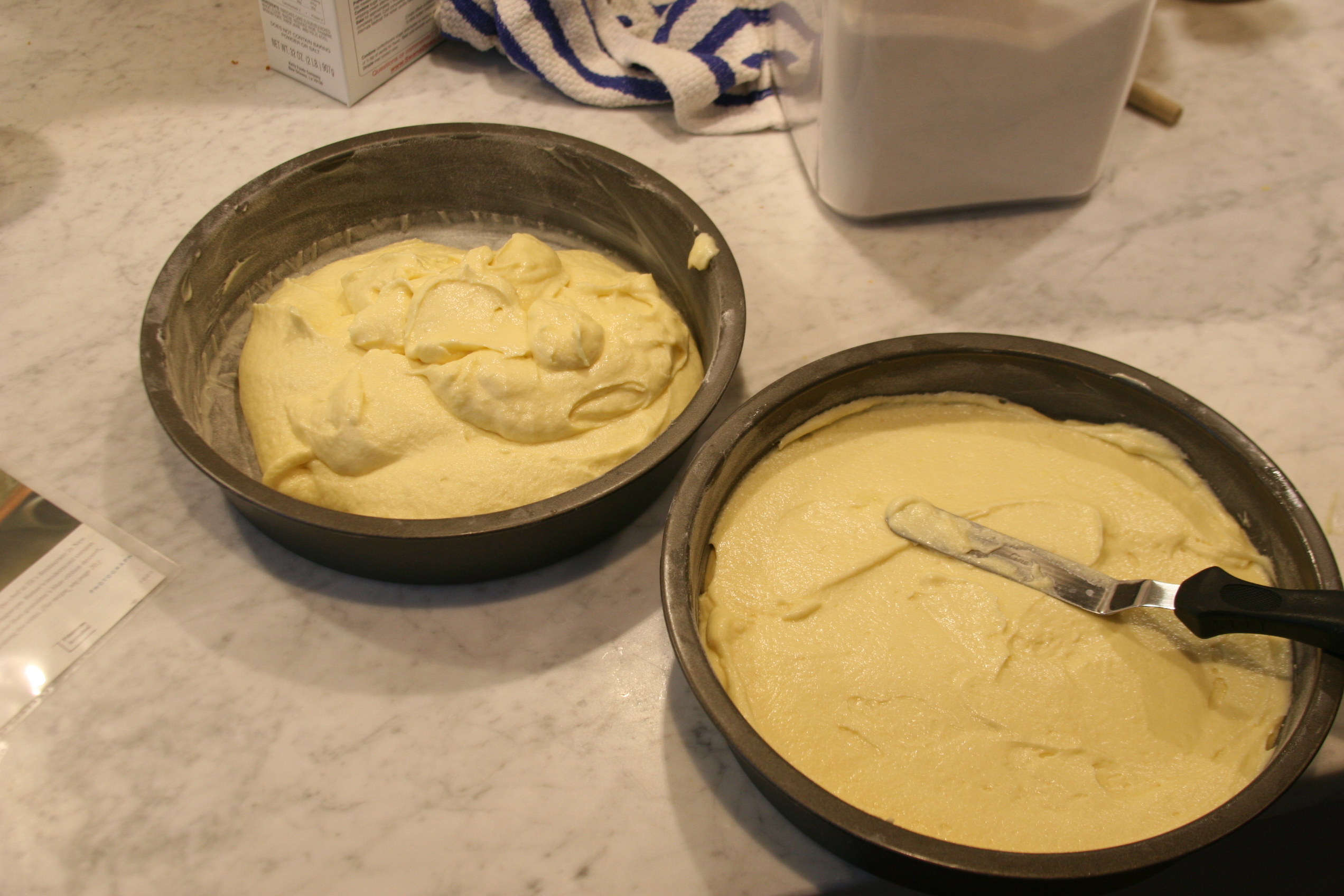
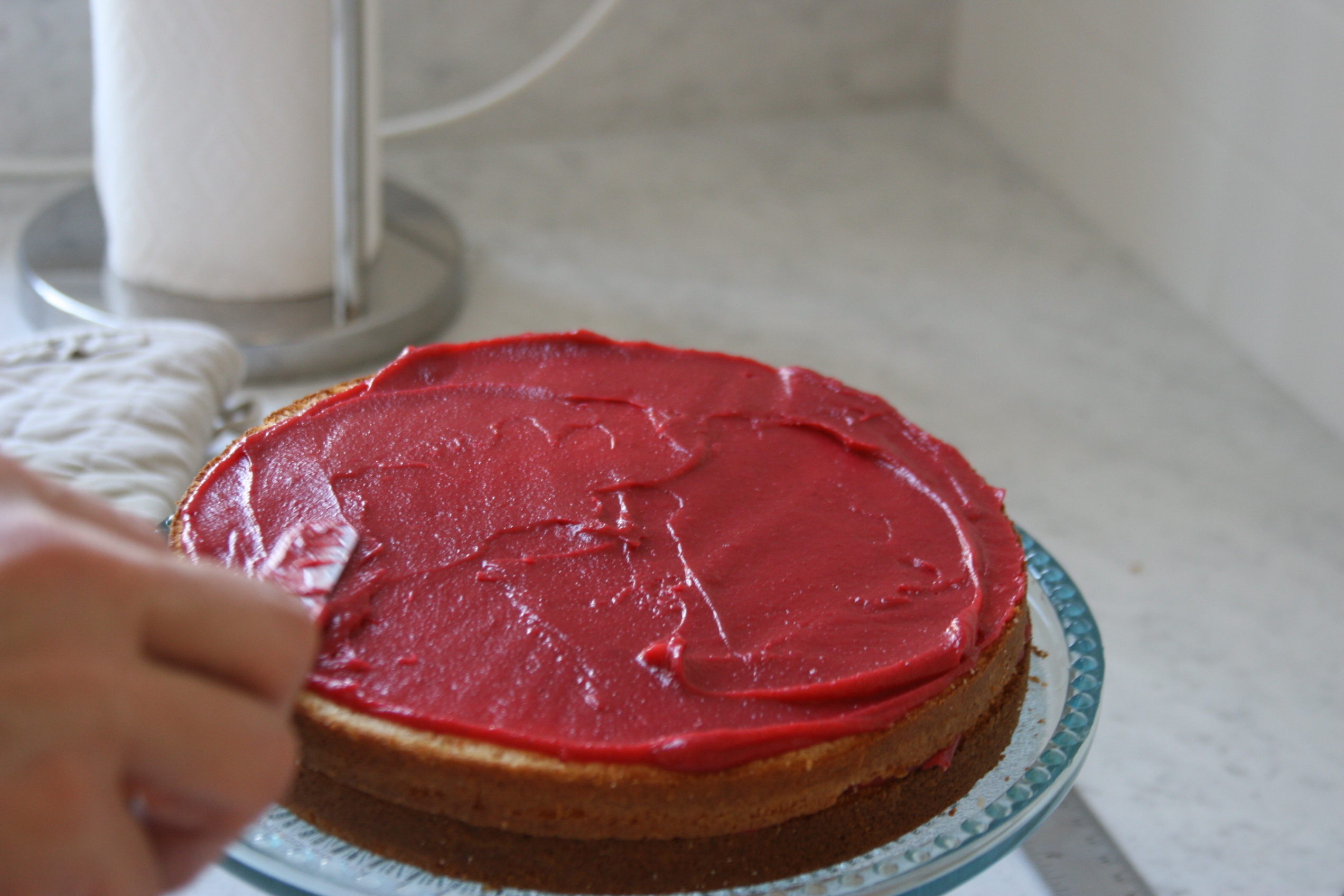
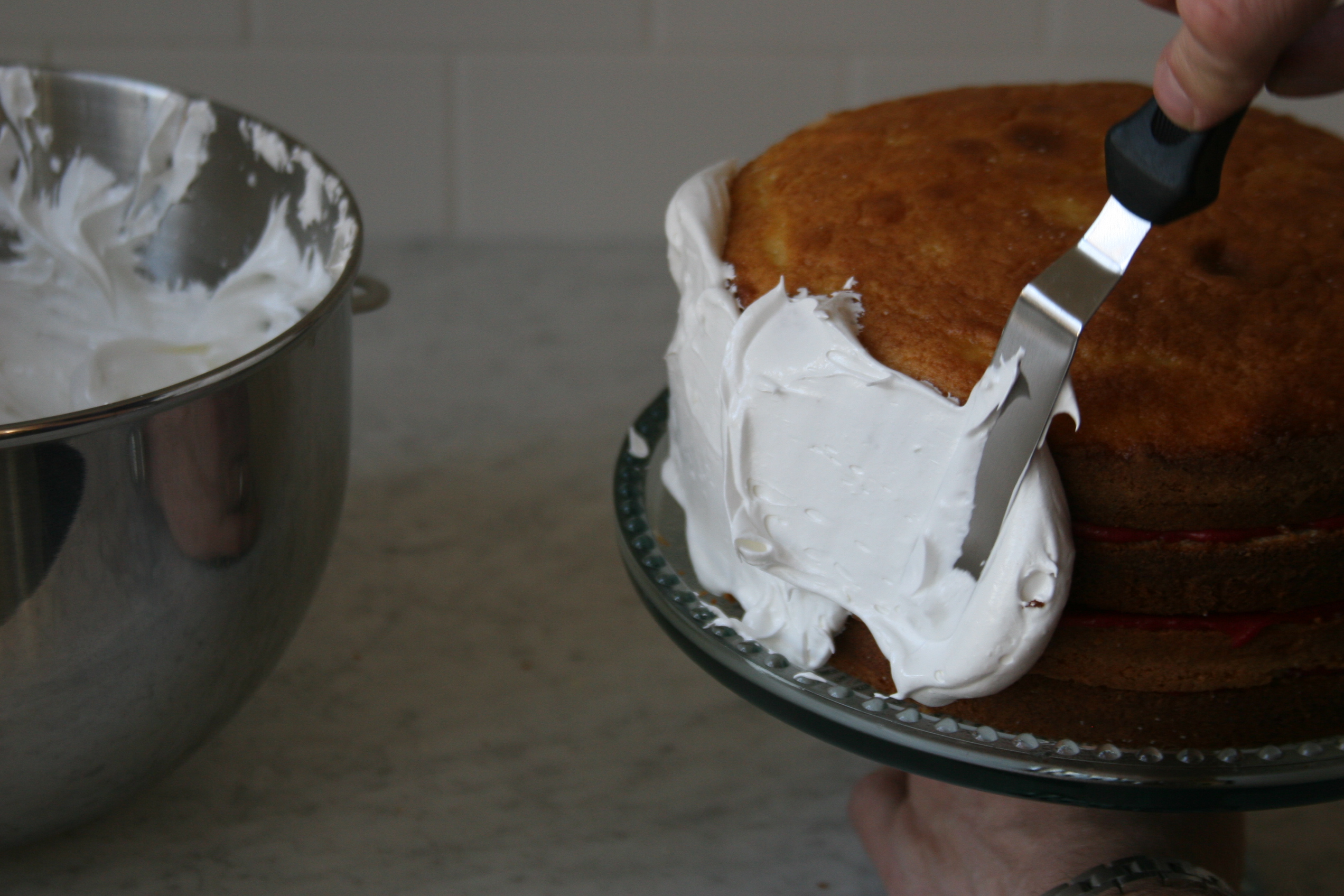
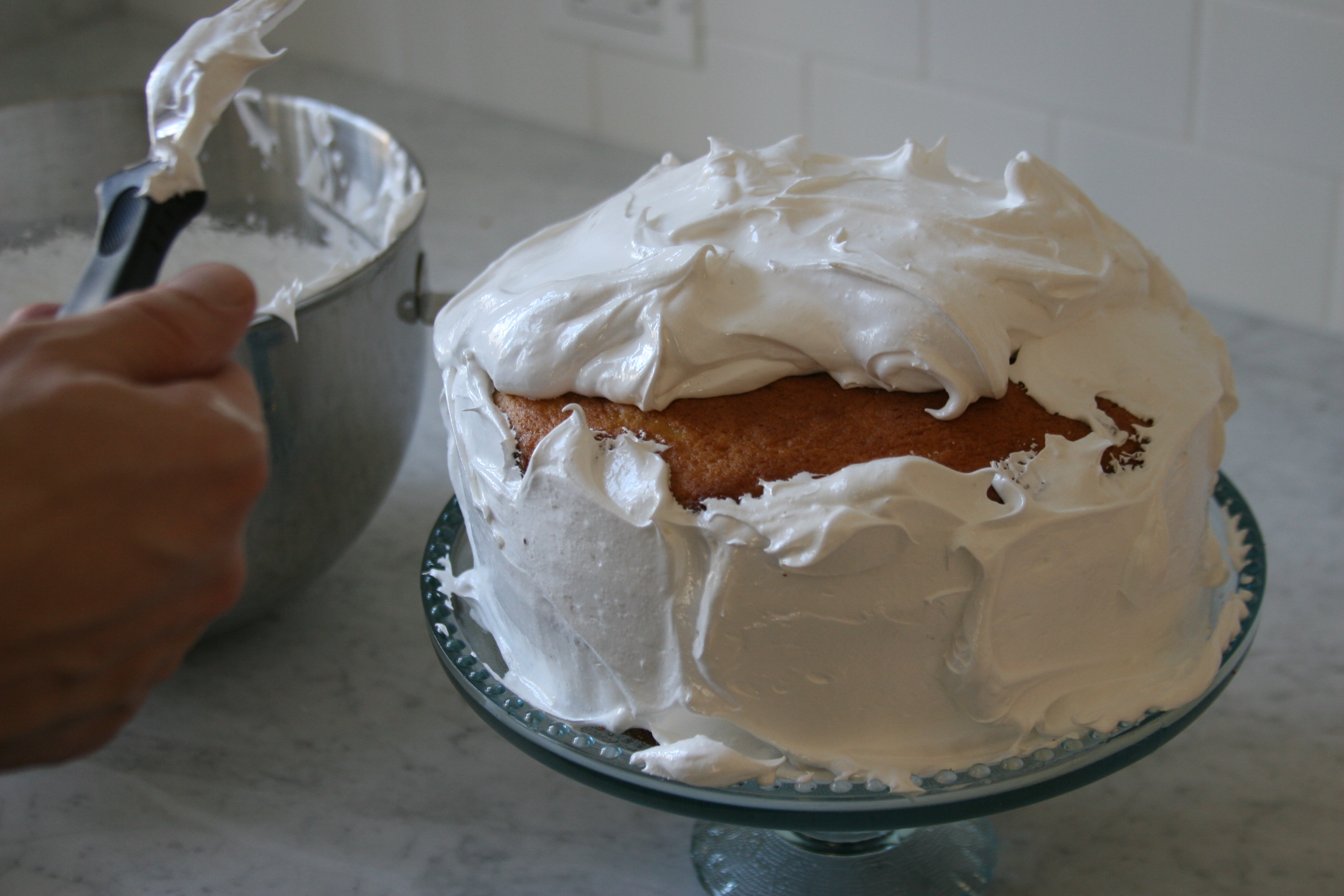
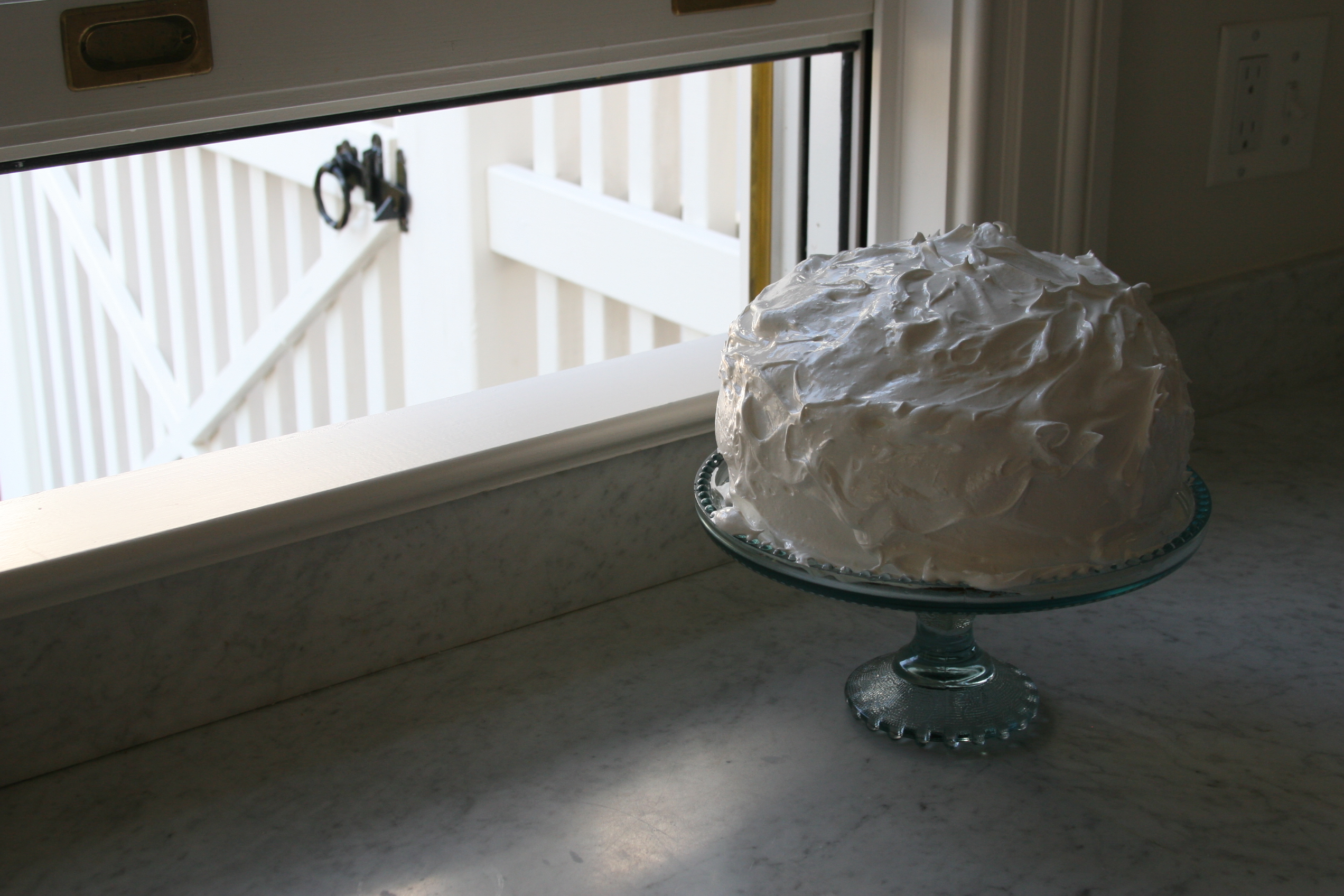
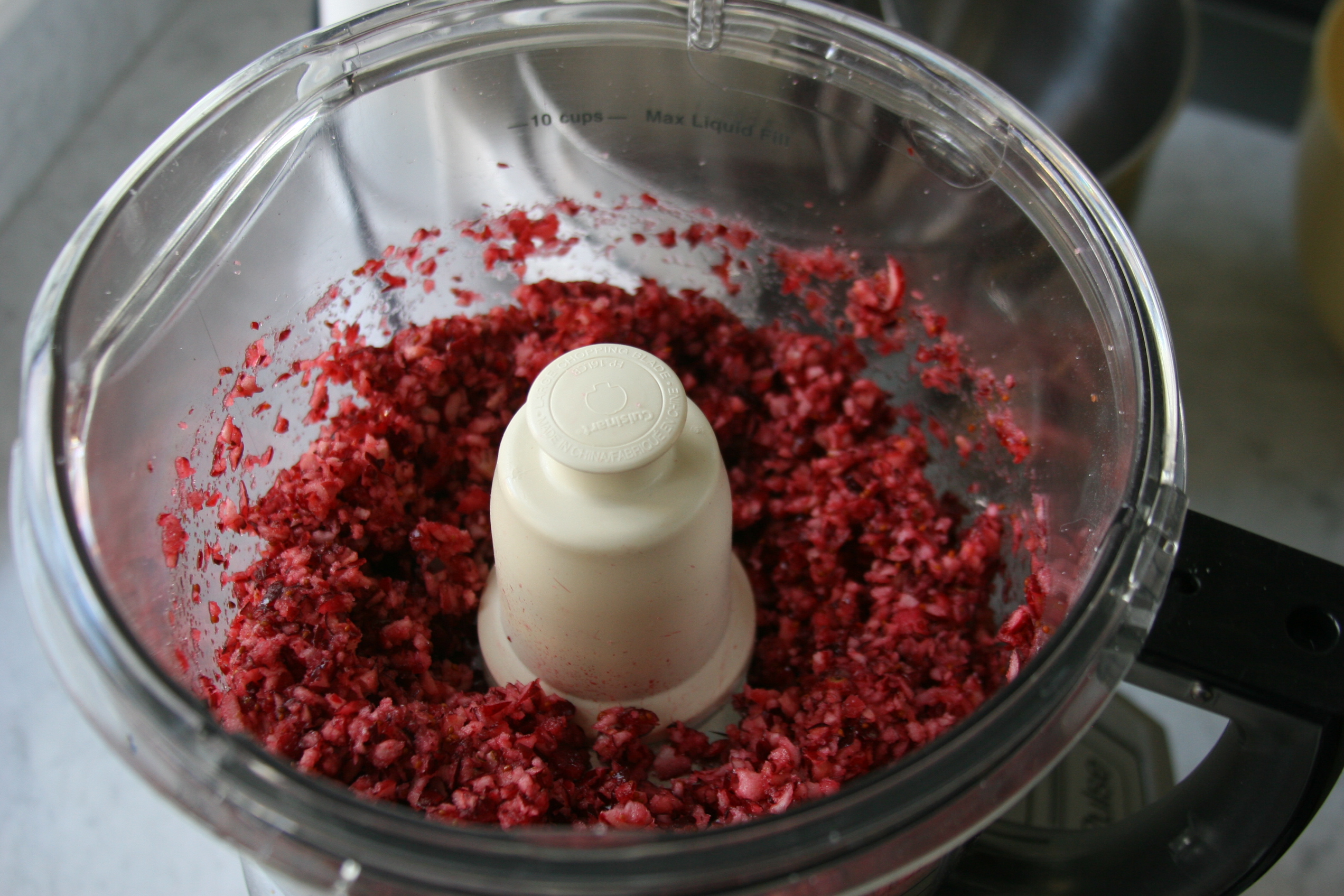
I got a little cranberry happy on Christmas Day, although you can’t tell from this first picture. Might only be interesting to bakers in the crowd.

img_7940

img_7659
Friday night. Made the cranberry curd.

img_7660

img_7662

img_7665

img_7779
Next day, the cake.

img_7781

img_7782

img_7783
You know how much of this batter I ate? A lot.

img_7787

img_7832
Christmas Day, time to assemble the cakes.

img_7843

img_7844

img_7849
Not only did I have to level off the top, I had to cut the two layers in half to make four layers. Usually I am terrible about trying to get even layers so I wasn’t going to take any chances.

img_7850

img_7860

img_7876 img_7887 img_7888

img_7904

img_7908

img_7866
Time for the meringue.
img_7872
These didn’t actually get used in the recipe, but I thought they looked pretty.

img_7919

img_7926

img_7929

img_7933
Tip: when a recipe says beat the meringue for 15 minutes, don’t think you can stop early because it looks right. By the time dessert rolled around the meringue hadn’t held its shape as well as I would have liked. But it tasted great.
img_7790
More cranberries.
img_7792
This time they don’t get cooked, just get chopped with sugar before going into the cake.

img_7794

img_7797
I forgot to take a picture when it was at its most dramatic. I ate a lot of this batter as well. I don’t know why I even bother with the oven some times.

img_7833

img_7974
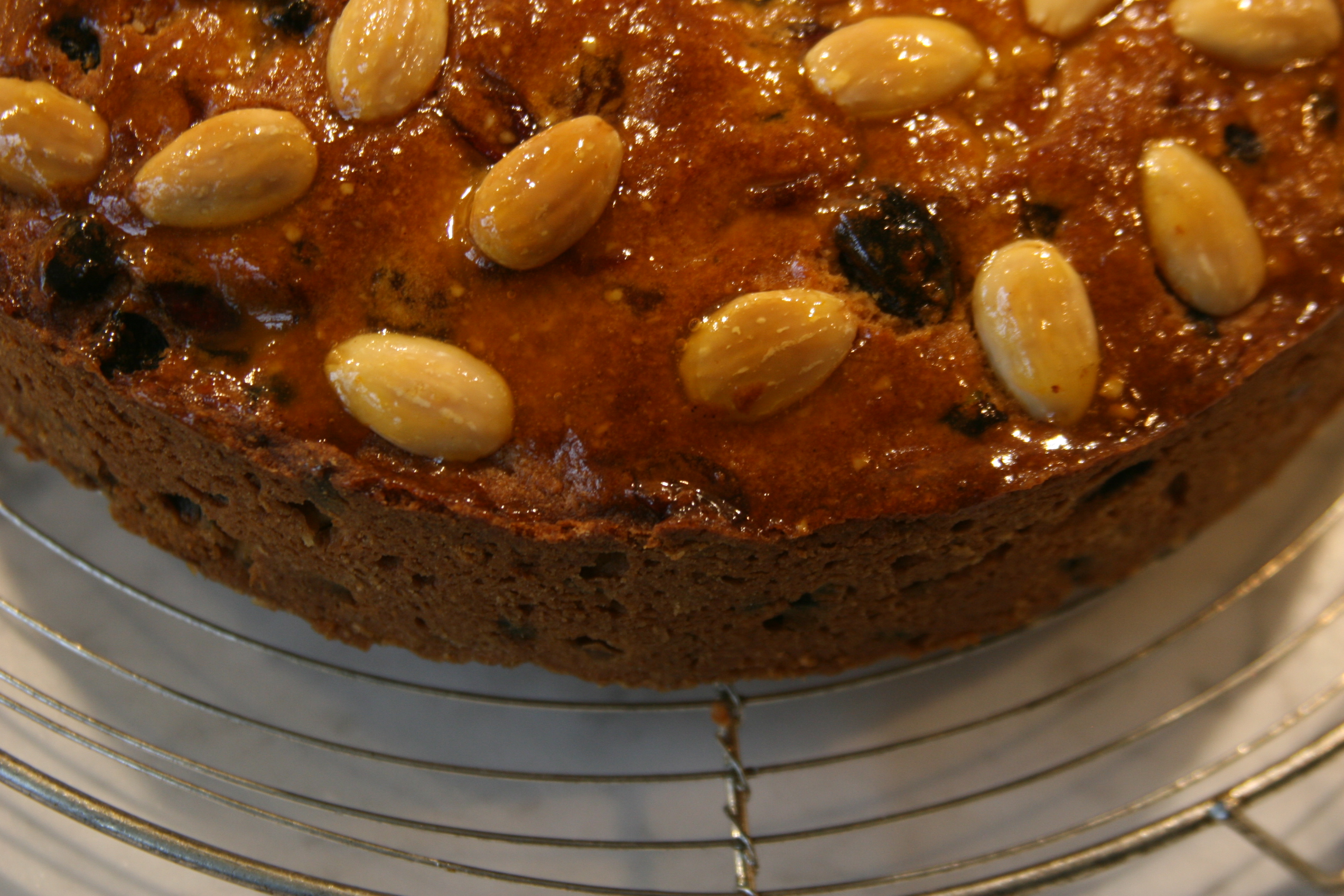
It tastes even better than it looks. The pumpkin babka and the panettone, from a bakery, weren’t as good as they look. The kitchen background is at our friends’ farm.


Christmas Baking Part One

December has been so busy work wise I haven’t had much brain capacity for blogging. I have a few ideas I hope to execute before the new year, but in the mean time here is something delicious to look at.

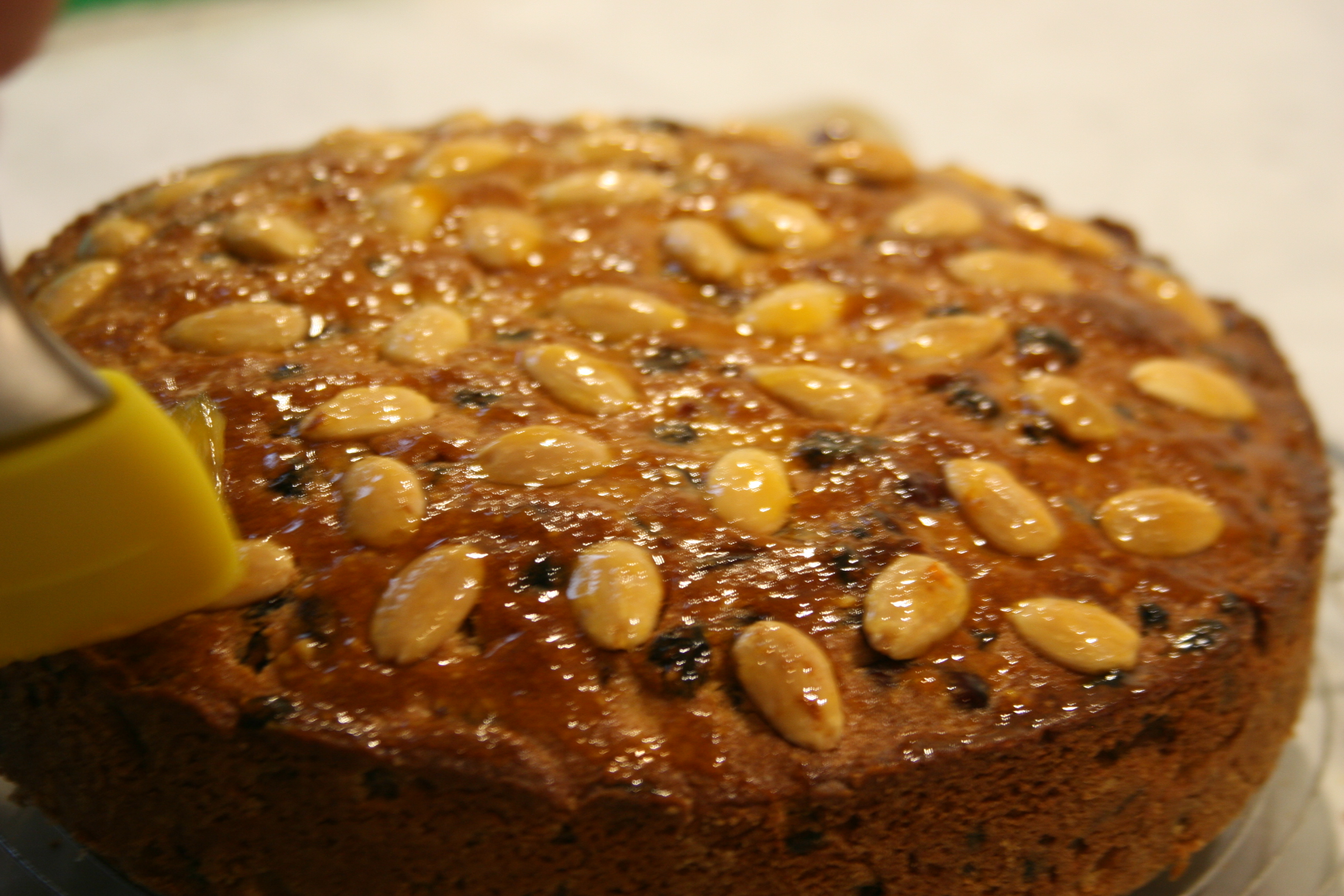
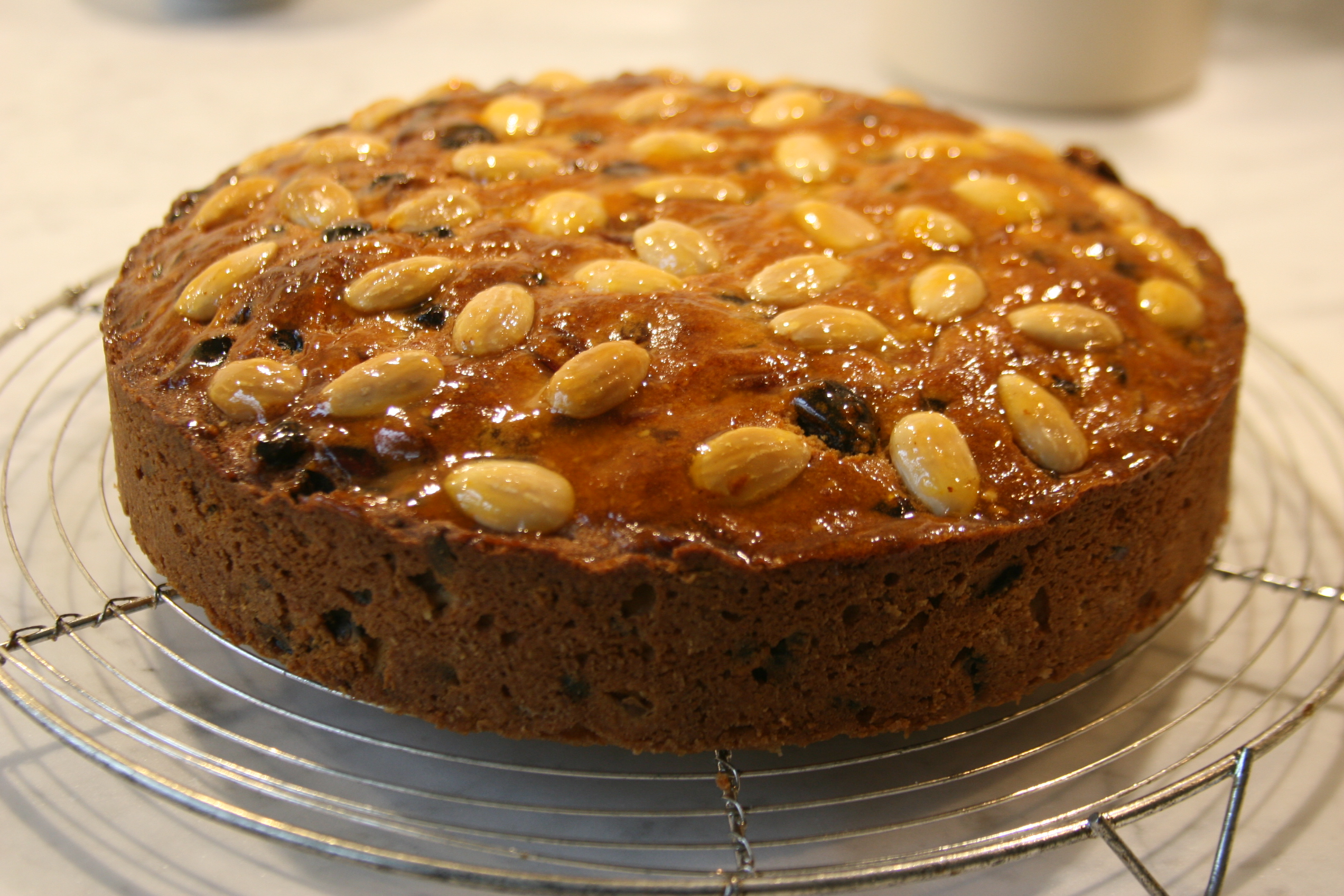
The batter certainly tasted yummy, but frankly I made this cake just because I thought it was picturesque and it reminded me of something Mrs. Bridges might have made or something the Schlegels may have had when Leonard Bast showed up to tea unexpectedly. Or just about any other cosy tea in English fiction you can think of.

And for something even more seasonal, you can head over to Lucy’s Forever Home, and see the house dressed for Christmas (and Lucy).

img_7778

img_7668
Using the 9″ parchment round to decide whether I am going to do a random pattern or something more formal. I went for random.

img_7670

img_7680

img_7700
Planning my next step.
img_7684
I don’t drink coffee, but my photographer does.

img_7691

img_7698
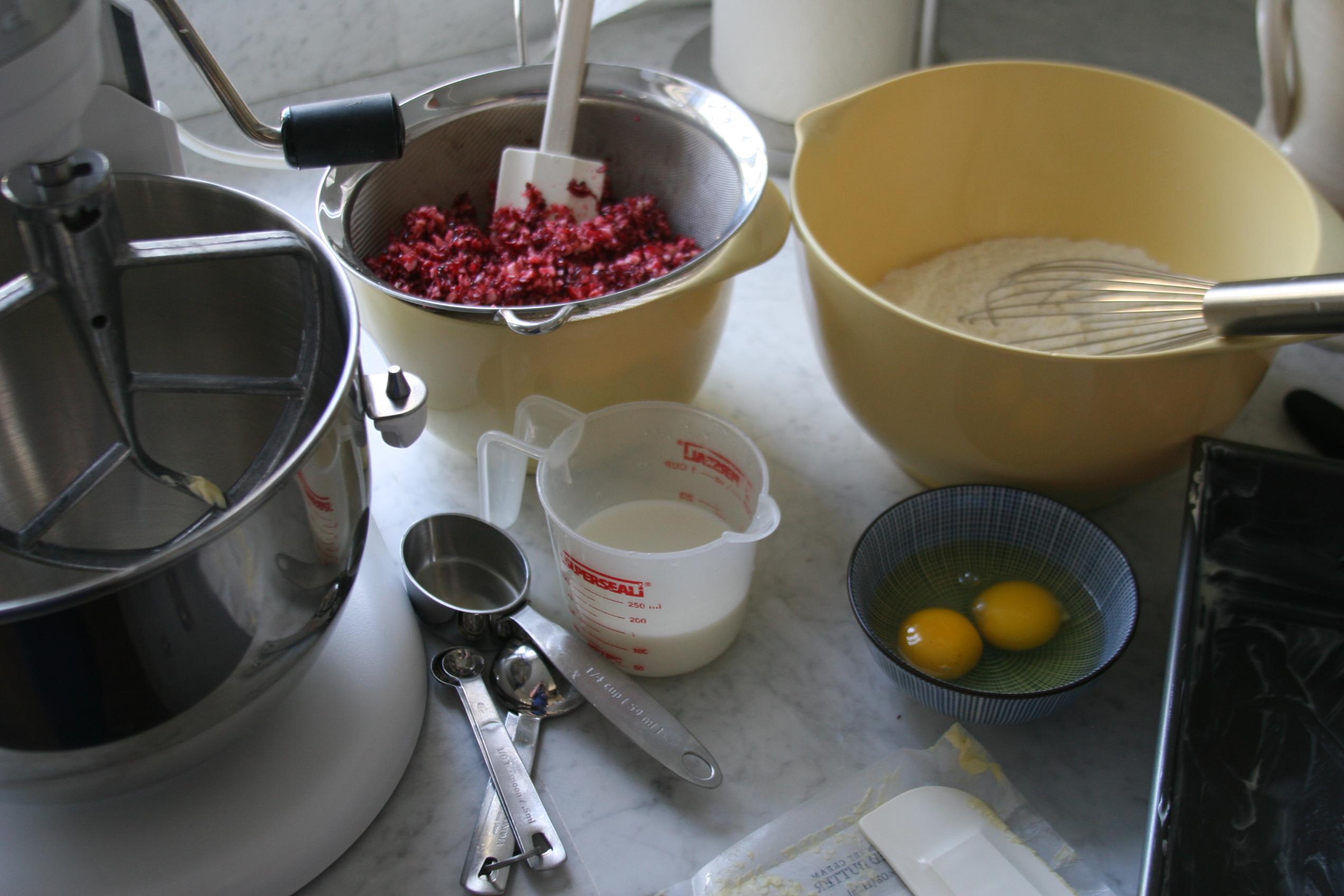
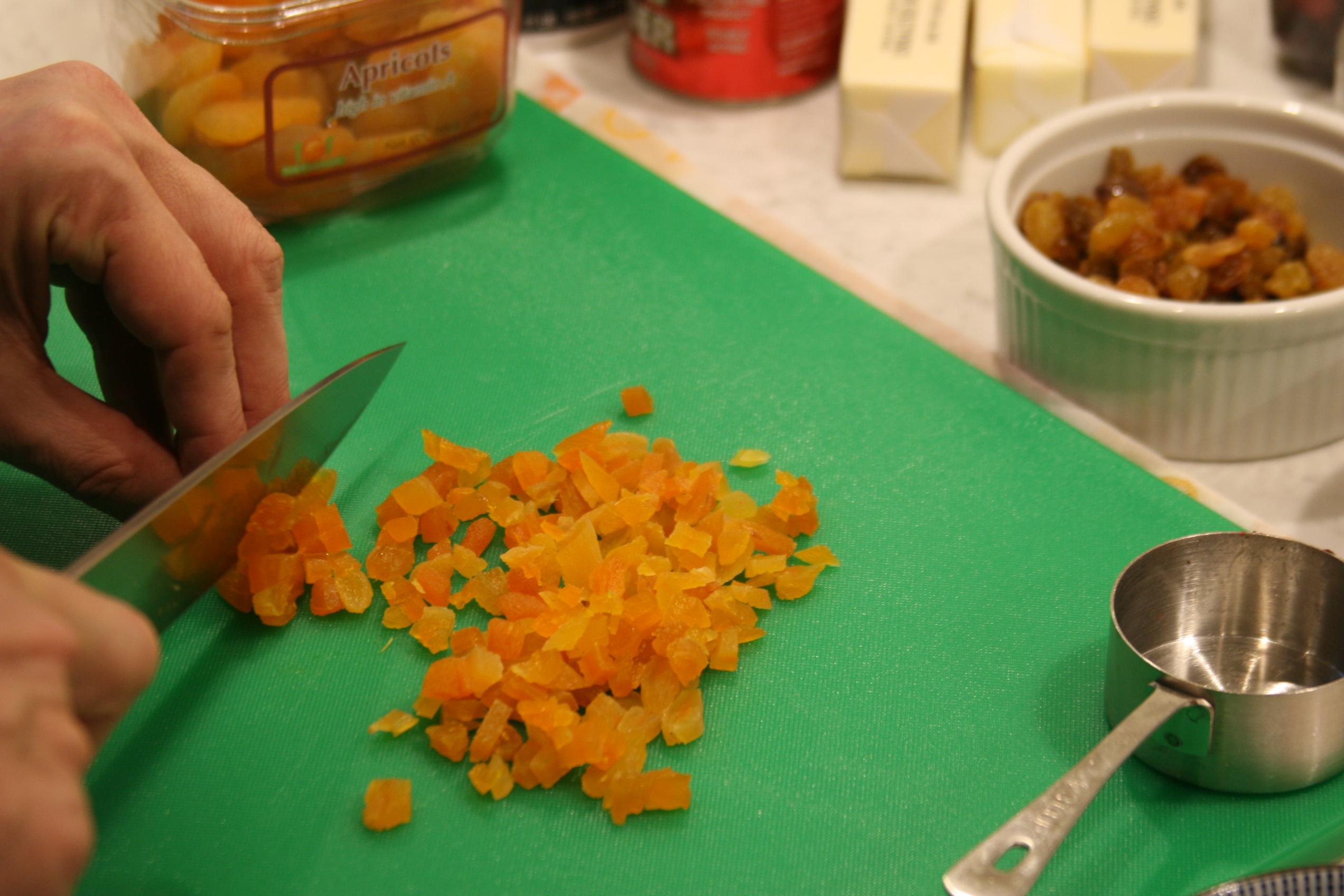
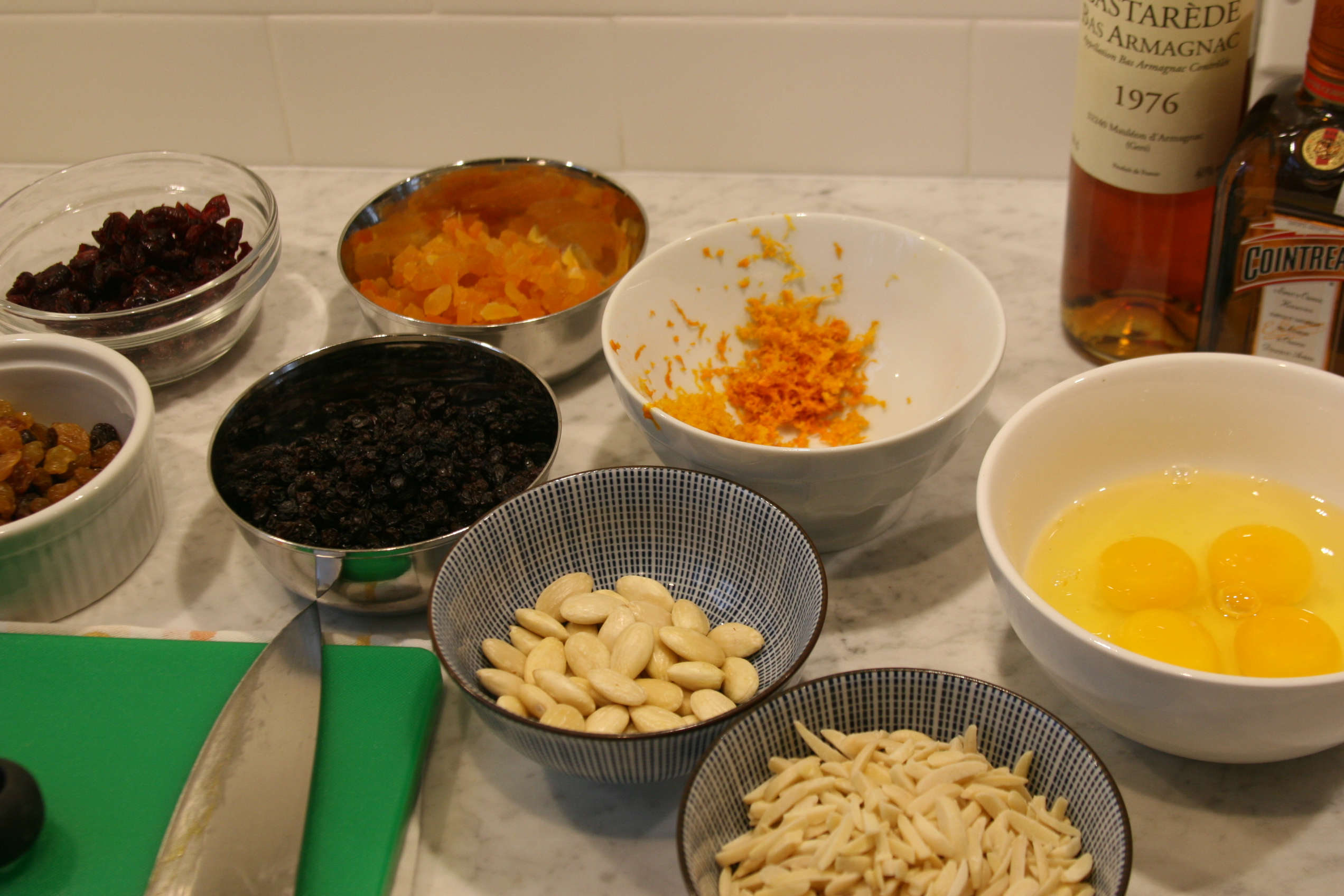
Dried currants, sultanas, dried cranberries, chopped dried apricots, orange zest, whole blanched almonds, slivered blanched almonds, eggs.
img_7703
Recipe called for Cognac, I had to settle for Armagnac
img_7708
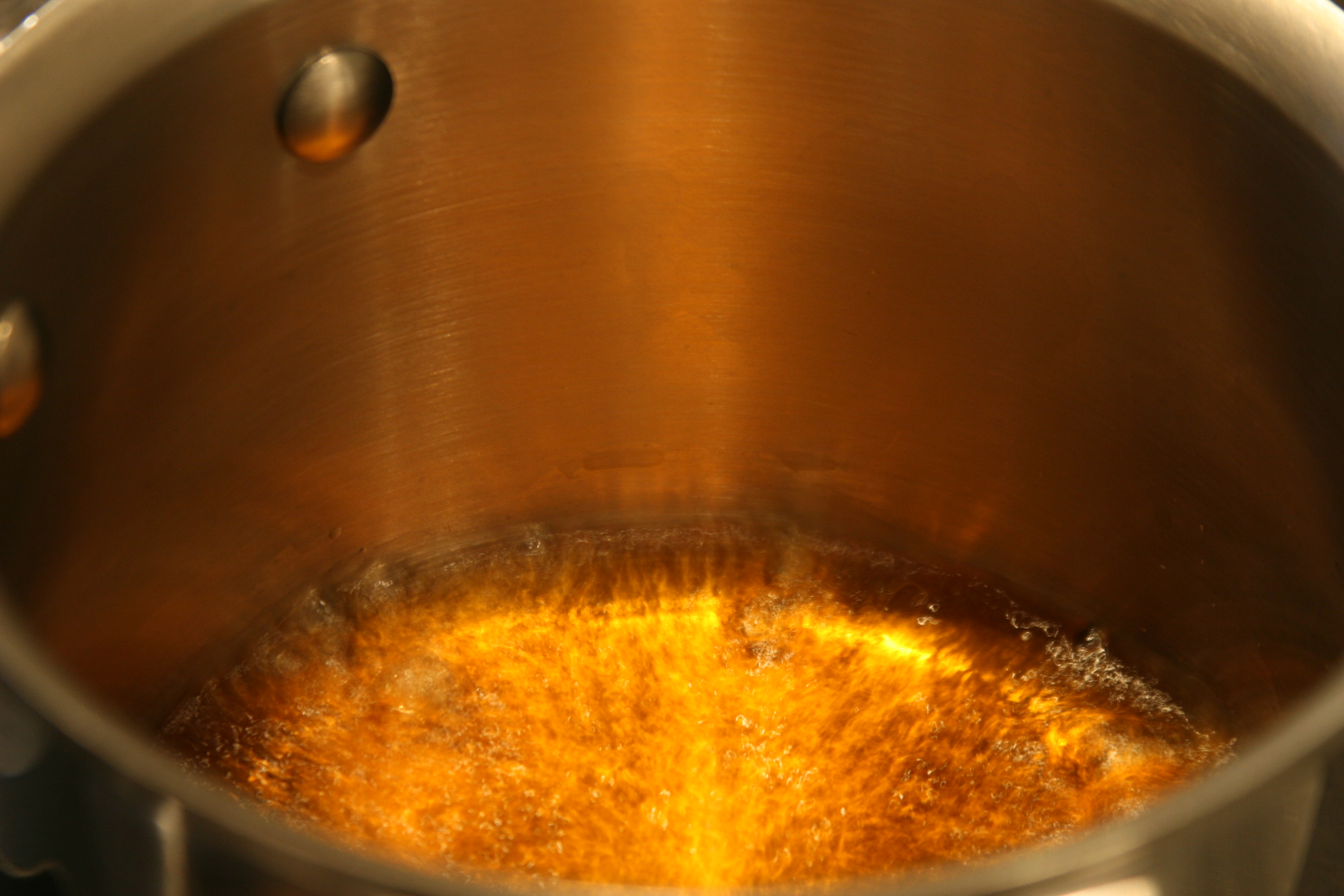
Warming up the Armagnac.
img_7716
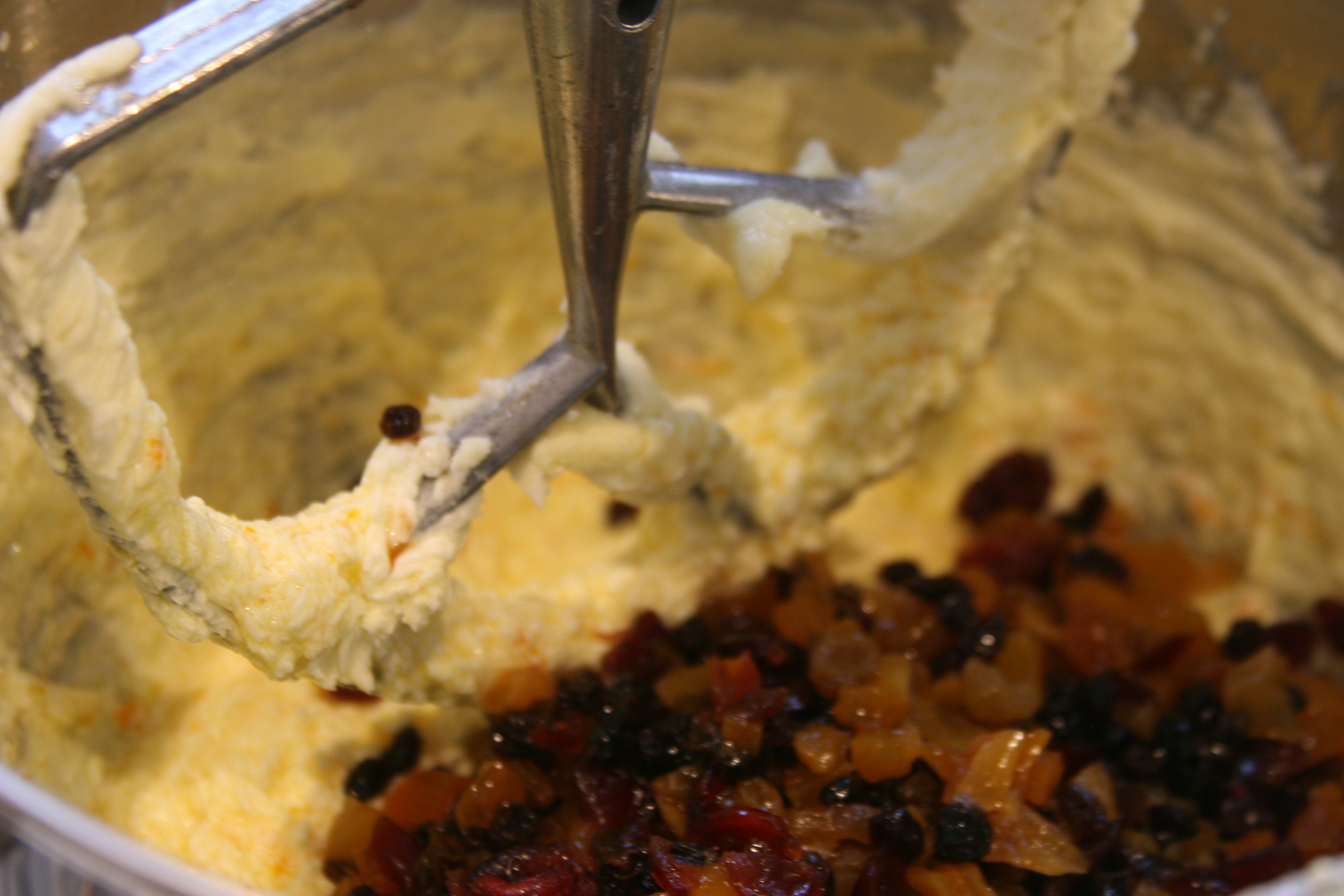
Dried fruit gets added.
img_7718
Steeps in the warm Armagnac for 30 minutes.

img_7720

img_7725

img_7728

img_7733
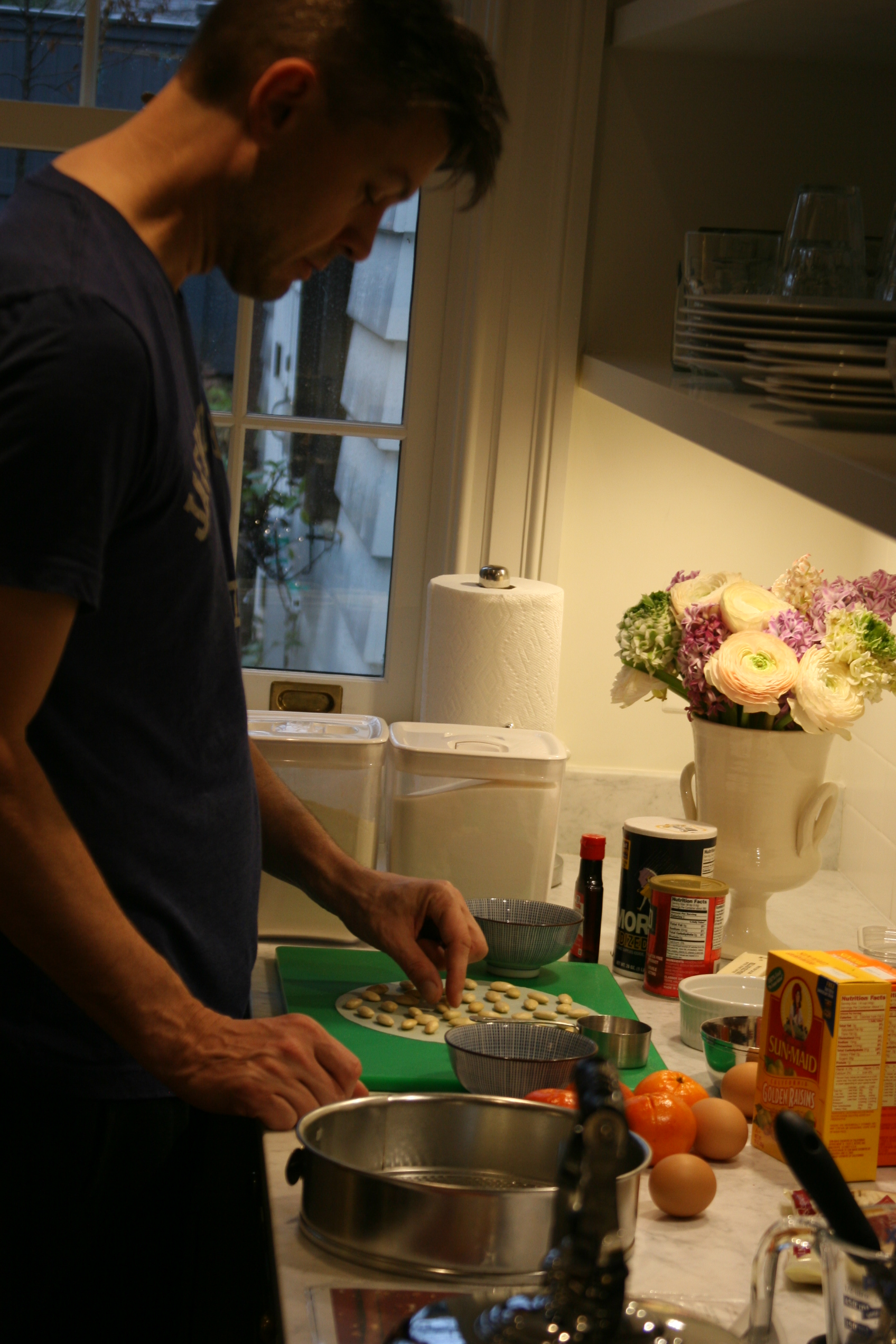
I had the hardest time finding blanched whole almonds. I ended up having to blanch and peel them myself. It was not only easy, but it was fun.

img_7754

img_7757

img_7766

img_7776

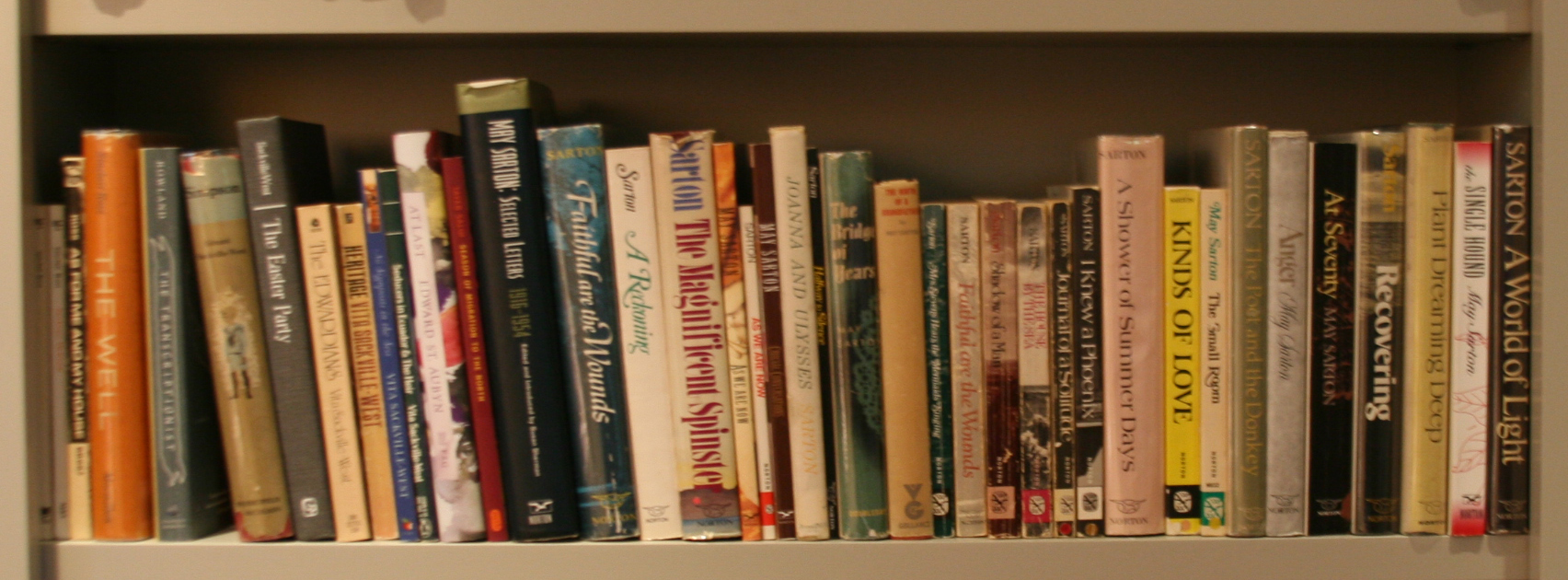
shelf by shelf : from Ross to Sarton

I find this shelf deeply satisfying, but alas, there isn’t much variety so I’m guessing some of you may get a little bored.

Having said that, I will also note that May Sarton is one of the delights of my life. She wrote beautiful journals; warm, introspective novels; essays; and poetry. I think she is one of the most underrated authors. Her book are also pretty easy to find in used bookshops, at least in the U.S. So why haven’t you read her? If you need more convincing, you can read about my love for Sarton here, here, here, and here.

Click to enlarge.
Click to enlarge.

SHELF TWENTY-TWO: 39 books, 20 unread, 19 read, 49% complete

Ross, Sinclair – The Lamp at Noon and other stories 
Ross, Sinclair – Sawbones Memorial (completed)
Ross, Sinclair – As For Me and My House (completed)
Ross, Sinclair – The Well
I think the only way you would have read Sinclair Ross is if: A) You are Canadian; or B) Someone who already read him told you/inspired you/forced you to read him. And this is a damn shame. You will see I have only read half of my small Ross collection, but I have read As For Me and My House twice and think it is one of the more brilliant books of all time. When I re-read it in 2011 I described it thus: “Imagine On Chesil Beach meets The Grapes of Wrath meets Main Street meets Anita Brookner.” Re-reading my 2011 review makes me want to read the book again soon.

Rowland, Amy – The Transcriptionist (completed)
I just read this novel this past summer and really liked it.

Sackville-West, Edward – Simpson

Sackville-West, Vita – The Easter Party
Sackville-West, Vita – The Edwardians
Sackville-West, Vita – Heritage
Sackville-West, Vita – No Signposts on the Sea (completed)
Sackville-West, Vita – Seducers in Ecuador and The Heir
What is missing here is All Passions Spent. Not only my first VSW novel, but also the first Virago I ever bought. I got it in 1992 from a used bookshop on Charing Cross Road. I guess somewhere along the way I got rid of it. I wish I hadn’t.

St. Aubyn, Edward – At Last (completed)
Since I took this picture, I’ve read At Last and put it on my donate pile. I didn’t dislike it, I just can’t imagine ever wanting to read it again.

Salih, Tayeb – Season of Migration to the North

Sarton, May – Selected Letters, 1916-1954
Sarton, May – Faithful are the Wounds
Sarton, May – A Reckoning
Sarton, May – The Magnificent Spinster (completed)
One of my favorite novels of all time. From my 2011 review: “The Magnificent Spinster is cozy, cozy, cozy, but with feminist, political twists and some somber earnestness that elevates it to something more profound. Parts of it reminded me of Betty Smith’s A Tree Grows in Brooklyn but it also had a Pepysian quality as WWI, the Spanish Civil War, WWII, the McCarthy Communist witch hunts and Vietnam all scroll through proceedings.”

Sarton, May – As We Are Now (completed)(two editions)
Another one of my favorite novels of all time, but for every different reasons. A tale of an elderly woman confined to a nursing home.

Sarton, Mary – Crucial Conversations (completed)
Sarton, May – Joanna and Ulysses
Sarton, May – Halfway to Silence (poetry)
Sarton, May – The Bridge of Years
Sarton, May – The Birth of a Grandfather (completed)
Sarton, May – Mrs. Stevens Hears the Mermaids Singing (completed)
Perhaps Sarton’s most (in)famous novel, but perhaps my least favorite.

Sarton, May – Faithful Are the Wounds
Sarton, May – Shadow of a Man
Sarton, May – The House by the Sea (journal)(completed)
Sarton, May – Journal of Solitude (journal)(completed)
Sarton, May – I Knew a Phoenix (journal)
Sarton, May – A Shower of Summer Days (completed)
Sarton, May – Kinds of Love (completed)
Sarton, May – The Small Room (completed)
Sarton, May – The Poet and the Donkey
Sarton, May – Anger
Sarton, May – At Seventy (journal)
Sarton, May – Recovering (journal)
Sarton, May – Plant Dreaming Deep (journal)(completed)
Sarton, May – The Single Hound
Sarton, May – A World of Light (biographical essays)

One novel I can’t believe I don’t own is The Education of Harriet Hatfield. I must have loaned or given it to someone. I hope they are enjoying it because I sure did. I’m going to have to buy the next copy I see.

NEXT TIME: Schine to Shute

shelf-2

A whole lotta of recappin’

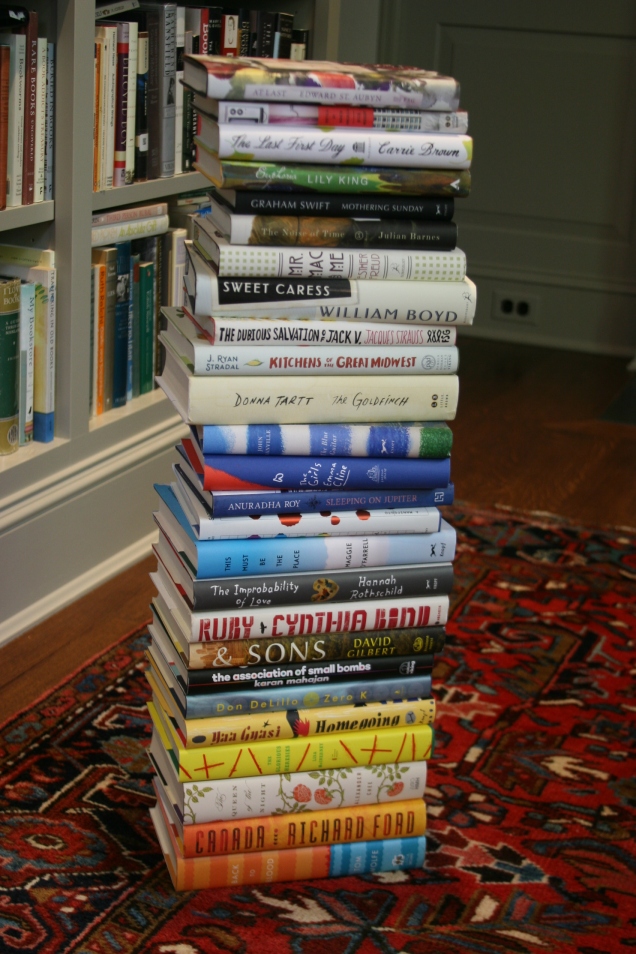
euphoria-by-lily-king-coverI was shocked to see on my Books Read 2016 list, how many I have yet to post about. For some reason I thought I was caught up. I wasn’t. But this post will help close the gap.

Euphoria by Lily King
I think I bought this one for the cover but I really enjoyed it. A fascinating look at a young couple who are anthropologists in New Guinea. Great combination of anthropology related drama and personal dynamics.

The Noise of Time by Julian Barnes
A novel about a classical composer I quite like, Dmitri Shostakovich, should have been a slam dunk for me, but it was just so-so. I found the story about the composer trying to stay clear of the vagaries of the ruling Communist party interesting, but overall the book seemed a little emotionless and left me cold.

The Day of the Jackal by Frederick Forsyth
A 1971 thriller about a professional assassin who has been hired to kill Charles de Gualle. This book is interesting on a few different levels. I didn’t realize how fragile France’s government was in the 1960s. Nor did I understand much about France’s departure from Algeria. But the aspect of this book that I just loved was the description of all the steps the Jackal took in planning the assassination attempt. Visits to public records offices, trains, passports, cafe tipples, top-secret multinational briefings. I love that kind of stuff. I’m not even sure I would need a plot–although there is plenty of plot here.

Mothering Sunday by Graham Swift
A lovely, beautiful book about a servant and her romance with the heir of a neighboring country estate. Luminous is a word I want to use. It has depth and subtlety that is too often absent from the upstairs/downstairs genre.

mrmacMr Mac and Me by Esther Freud
A young boy becomes friends with the architect Charles Rennie Mackintosh and his wife during World War I. Freud uses actual correspondence between the couple in a way that isn’t gimmicky. This is a great example of historical fiction that works for me. I never got the feeling that the author was trying to write historical fiction.

The Girls by Emma Cline
So much hullabaloo about such a boring book. I was kind of liking it until Evie hooked up with the cult, then it just got really boring and I couldn’t wait for it to be over.

Satin Island by Tom McCarthy
This is an odd, fascinating, enjoyable, little book. Shortlisted for the Booker Prize, it’s narrated by “U”, a corporate anthropologist who takes us on a wild, somewhat depressing, ride through the many ways in which we create and consume information. It also shows how we are leaving trails of information that allow markets and governments lots of room for manipulation.

And Sons by David Gilbert
The narration seems to be first person omniscient. The story starts off using “I” and goes back to it with some regularity, but we know what everyone else is up to and what they are thinking. In some cases you can see how the narrator was a fly on the wall, but there are other times when there is no way he could have been a fly on the wall. The action focuses on a reclusive, national treasure type author and his family and social circle. Enjoyable for sure.

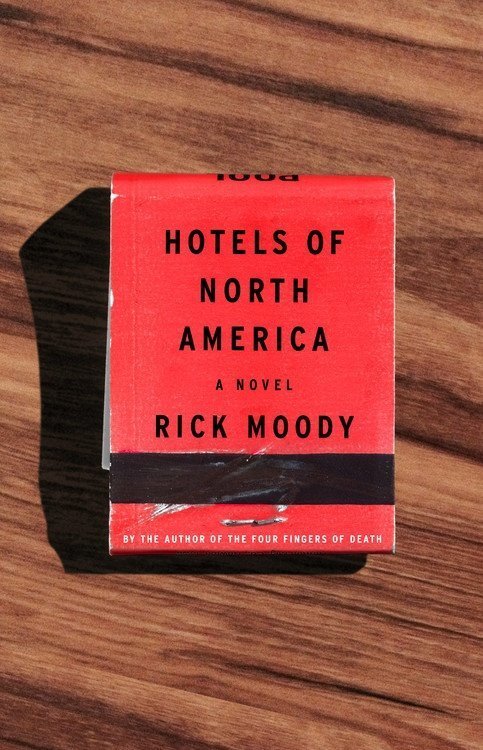
Hotels of North America by Rick Moodyhotels
This book is essentially one man’s story as told through his online hotel reviews. I wasn’t sure if this would work for me, but I found it witty and biting (in a good way) and more than a little quirky. I can imagine re-reading this one.

Books and You by W. Somerset Maugham
A collection of three essays about what to read. Fun in the way those kinds of essays are always fun, but not much in the way of surprising choices, or even authors who were new to me.

The Last First Day by Carrie Brown
A woman reflects on her life as the wife of a headmaster of a boys school in Maine as they experience their last first day of school. Interesting, engaging, a little sad. Nicely done.

At Last by Edward St. Aubyn
The fact that this is the last in a series almost kept me from reading it. There were moments I loved the cast of characters, but overall I found it a little too arch to like all that much. I think I could enjoy St. Aubyn in the future, but this wasn’t compelling enough to get me to try.

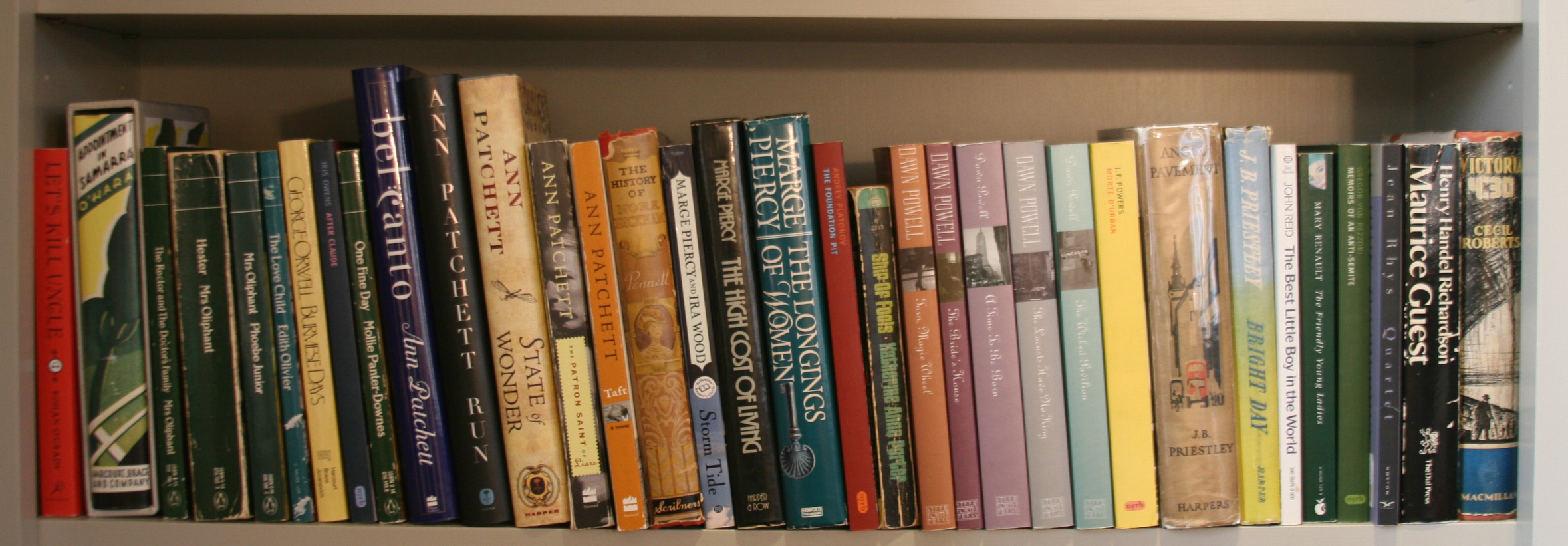
shelf by shelf : from O’Grady to Roberts

The weather has turned properly crisp, the sky is a brilliant blue, and my library is cosy and smells like old books. Perfect day to sit staring at them, doing a little reading, and posting another Shelf by Shelf. I must admit, as much I as I love Persephone Books, doing the Persephone shelf last time was kind of tedious. It’s nice to have an eclectic shelf this time around.

Click to enlarge.
Click to enlarge.

SHELF TWENTY-ONE: 34 books, 20 unread, 14 read 41% complete

O’Grady, Rohan – Let’s Kill Uncle
I only bought this because The Bloomsbury Group reissues stuff that I tend to like. Although TBG gets lots of exposure in my corner of the book blogging world, I don’t think I have ever come across anyone else blog about this title.

O’Hara, John – Appointment in Samarra (completed)
I read this 15 years ago and I have no recollection of it whatsoever. It is one of the Modern Library’s top 100 novels of the 20th century which is why I read it. I’m kind of curious to read it again but I only gave it 6 out 10 the first time around so maybe that would be a waste of time. And I am beginning to think it may be a waste of space on my shelves.

Oliphant, Mrs – The Rector and The Doctor’s Family
Oliphant, Mrs – Hester
Oliphant, Mrs – Phoebe Junior
Active from 1849 to 1897, Mrs (Margaret) Oliphant published about 120 books. The only titles of hers that I have read are the ones reissued by Persephone. One day I will get to these.

Oliver, Edith – The Love Child

Orwell, George – Burmese Days (completed)
George Orwell is so much more than 1984 and Animal Farm. Burmese Days is one of my favorites. A novel of a very small British ex-pat community at a remote station in Burma in the waning days of the empire. Flory, our tragic hero despairs of his life in Burma but realizes that after ten years he can’t imagine living back in England. He hopes to marry the newly arrived niece of another ex-pat but then the realities of life in Burma set in and the divide between the two becomes too wide to brook. An enjoyable read despite a surfeit of tragedy. There are so many victims of circumstance it is hard not to feel sorry for them all.

Owens, Iris – After Claude (completed)
Published in 1973, After Claude is still a little shocking. Bitchy, funny, off-balance, and a little dark. Harriet goes back to New York after five years living in Paris. She crashes with one friend until that friend boots her out. Lives for another six months with Claude, the frenchman who rescues her from the  friend who just kicked her out. Then she ends up at the Chelsea Hotel where she hooks up with some sort of sex-guru cult figure. Much in the book is hilarious. But you have to be ready for more than a few jarring moments

Panter-Downes, Mollie – One Fine Day

Patchett, Ann – Bel Canto (completed)
Patchett, Ann – Run (completed)
Patchett, Ann – State of Wonder (completed)
Patchett, Ann – The Patron Saint of Liars (completed)
Patchett, Ann – Taft (completed)
As you can see, I like Ann Patchett. I think her writing is very easy and smart and her storytelling capabilities are wonderful. Seeing which of her books I have on my shelf, I realize I should have purchased that copy The Magician’s Assistant I saw at the Friends of the Library sale last week. I knew I had read it, but wasn’t sure if I owned it. I have her latest novel, Commonwealth, on my nightstand, but haven’t started it yet.

Pennell, Joseph Stanley – The History of Nora Beckham: A Museum of Home Life
I bought this one for its cover. I’ve just noticed that the cover flaps and back of the jacket are focused on JSP’s previous novel The History of Rome Hanks so I have no idea what this one might be about.

Piercy, Marge and Ira Wood – Storm Tide
Piercy, Marge – The High Cost of Living
Piercy, Marge – The Longings of Women (completed)
Although the title made for a few self-conscious Metro rides, I thoroughly enjoyed The Longings of Women by Marge Piercy. This is the fourth Piercy book I have read and I have liked all of them (this one probably the least so). They all have multiple women, usually in the Boston area, who are building their lives after some sort of male perpetrated malfeasance. They are warm, smart, realistic but ultimately uplifting, and never feel like male bashing. One of the characters in this one gives a very believable account of what it would be like to be homeless after a long marriage ends in divorce. More of you should be reading her. Try Three Women, The Third Child, Fly Away Home, or The Longings of Women.

Platonov, Andrey – The Foundation Pit

Porter, Katherine Anne – Ship of Fools (completed)
I loved this book and recommend it often. A German passenger ship in the 1930s on its way from Veracruz to Bremen. Fascinating study of characters in a time of rising racism.

Powell, Dawn – Turn, Magic Wheel
Powell, Dawn – The Bride’s House
Powell, Dawn – A Time to Be Born
Powell, Dawn – The Locusts Have No King
Powell, Dawn – The Wicked Pavilion
I bought all of these years ago because they were remainders and I liked the look of them (and their uniformity). Many have told me that they love her writing, but I still have yet to read even one of them. I almost got rid of them all during a recent book cull, but decided I should at least try one before giving up.

Powers, J.F. – Morte D’Urban

Priestley, J.B. – Angel Pavement (completed)
Priestley, J.B. – Bright Day

I  loved Angel Pavement. I bought this just because it had such a great cover and was about London. Had no idea if it would actually be enjoyable to read. It was. It painted such an interesting picture of life in a London office in the late 1920s. It could be a Persephone for boys. There is a lot of dry, subtle humor as well.

Reid, John – The Best Little Boy in the World (completed)
A wonderful, evocative, gay coming of age story published in 1973.

Renault, Mary – The Friendly Young Ladies

von Rezzori, Gregor – Memoirs of an Anti-Semite

Rhys, Jean – Quartet (completed)
I’m not sure I like Jean Rhys’ style, but I enjoyed this one enough that I wanted to keep it and read it again one day.

Richardson, Henry Handel – Maurice Guest

Roberts, Cecil – Victoria 4:30 (completed)
You can read all about my love for this novel here.

shelf-2

NEXT TIME: Ross to Sarton

The Crown is must see TV

crown2
I don’t know how Netflix spent $100 million on a 10-part drama about Queen Elizabeth II without me knowing about it until it became available. But they did, and they did a magnificent job.

Everything that Downton wasn’t

Intelligent
Insightful
Well-written
Well-paced

I know I am in the minority when I say that I hated Downton Abbey. I found it poorly written, dumbed-down, and derivative of much better earlier TV dramas, and perhaps worst of all, it tried to pack in so many historical events and soap opera twists that it just felt like a joke. The Crown on the other hand took about a decade of the Queen’s life (with flashbacks to earlier periods) and took its time telling the story of her ascension to the throne and her early years as queen. As much as I know about the Royal Family, I’m not entirely sure how much liberty they took with the facts, but they did it so well that I don’t really care so much. It is amazing how good TV can be when it is allowed to breathe.

A feast for the eyes

They really didn’t spare expense when it came to costumes, locations, and sets. They were so clever with establishing shots that there were times I wondered if they actually got permission to film at Buckingham Palace. Knowing that that was an impossibility, I started to look for clues or things that were out of place–there were a few, but still so well done that none of it bothered me. Her wedding to Philip, her coronation, foreign trips, vintage aircraft…it was all so nicely, and grandly done. And did I mention the jewels?

crown1

A story of real people

Although some of the story lines and characterizations were well known to me, others were either new, or so intimately told that I really felt like I was getting a peek behind the curtain. There are moments when the characters feel more like real people than royalty. This also means that there were liberties taken with personalities and behaviors which might rankle some. The Queen Mum probably fares the worst, Princess Margaret probably fares the best. But neither of them were one dimensional. And then there is a saucy moment or two…like Philip telling HM to, um, well, you’ll just have to watch it.

crown3

The acting was generally superb. John Lithgow’s Churchill was great even if he was too tall. Eileen Atkins as Queen Mary was fantastic. Matt Smith’s portrayal of Prince Philip makes one see where Prince Harry gets his devilish side. Claire Foy as HM is pretty brilliant. Vanessa Kirby was perhaps too tall to be Margaret, but the eyes and face were spot on. Not all characters were look-a-likes but since this isn’t a gimmicky production, that part doesn’t matter.

crown4

So worth watching. I’m hoping they make 10 more to take us into the 1960s and beyond.

shelf by shelf : Persephone to Persephone

In 2009, after about three years of blogging, I discovered a whole world of (mainly British) book bloggers. As I poked around on those blogs and linked to other blogs that they recommended, I kept coming across posts about Persephone Books. I was intrigued by the almost universal, gushing praise they received as well as the publisher’s unique and largely uniform style. Regardless of content, these seemed like books I needed to possess. I soon began to understand why people loved them so much. Not only are they beautiful to look at, but I was delighted by the books they published: mainly middle brow, domestic fiction written by female British authors in the first half of the 20th century. There are exceptions to each of these characteristics, but I don’t think I’m too far off the mark in my generalization.

Much better view if you click to enlarge the picture.

SHELF TWENTY: 34 books, 21 read, 13 unread, 62% completed

Bonham, Margaret – The Casino
Wasn’t a big fan of these stories.

Burnett, Frances Hodgson – The Shuttle (completed)
Who doesn’t love Hodgson’s The Secret Garden? And I certainly loved an old copy of T. Tembarom I found and of course the Persephone edition of The Making of a Marchioness, but something about The Shuttle made me like it a lot less than those other two FHB novels. Basically, The Shuttle is a fictional account of the rich American heiress marrying a penniless British aristocrat. And of course he is a spendthrift asshole. It was fun enough to read a bit shallow and not all that compelling.

Cambridge, Elizabeth – Hostages to Fortune

Cannon, Joanna – Princes in the Land (completed)
We follow Patricia Lindsay as she gets a lesson in marrying beneath her. She sacrifices much for her insecure husband and her ungrateful children. In a town and gown story as old as the academy itself, Patricia’s eldest gets the newsagent’s daughter preggers and marries her, much to his mother’s horror. The second son falls in love with his friend Peter–I mean with his friend Peter’s love of the Oxford Movement. This makes his high church, only on Sundays mother openly hostile. And then the daughter…what does she do that is so wrong…I don’t remember. Was it that she loved cars more than horses?

Cooper, Lettice – The New House (completed)
The whole action of the book takes place over the course of just one day as thirty-something Rhoda Powell and her widowed mother who are moving to a more modest house to conserve their limited financial resources. Although the surface action is all about the move, we learn so much more about all the characters through both their current thoughts and their memories of the past. Our heroine Rhoda is in a  bit of a rut, one that threatens to last the rest of her life. Having not yet married or gone into any career, everyone, including Rhoda herself, assumes that she will continue to live quietly and take care of her mother. But things start to rattle around in Rhoda’s mind and we begin to see a glimmer of hope that Rhoda may rebel against her fate. More here.

Delafield, E.M. – Consequences

English, Isobel – Every Eye

Ferguson, Rachel – Alas, Poor Lady

Ferguson, Ruby – Lady Rose and Mrs Memmary (completed)
The Queen Mum was said to have been a great admirer of this novel. I did wonder as I read Lady Rose and Mrs. Memmary  if the QM suffered from a little cognitive dissonance when it comes to marrying for love. In Ferguson’s 1937 novel, the heroine marries for love and ends up old and impoverished. Now, the Queen Mum is said to have been a great admirer of this book. So why did she love this book? Was she clueless to the fact that her life-long grudge against the Duke of Windsor and Wallis Simpson was similar to the class-induced opprobrium Lady Rose faced? Or, more sinisterly, did she relish the comeuppance Lady Rose got for marrying below her? If either of these is true I tend to think it is more the former than the latter. Or was she so caught up in this romantic paean to Scottish life that she couldn’t think clearly?

Fisher, Dorothy Canfield – The Home-maker (completed)
Really loved this book. Challenges traditional gender roles at a time when no one challenged them. More here.

Hart, Elizabeth Anna – The Runaway (completed)
This is a bit of children’s book and I must say I found it kind of boring, but I know others have found it charming. I hesitate getting rid of it because it has wonderful illustrations by Gwen Raverat.

Holme, Thea – The Carlyles at Home (completed)
There is lots of domestic minutiae for those of us that like that sort of thing. The Carlyles at Home is a primer on daily life in the mid-19th century. Almost a behind the scenes look at all those costume dramas we love to read and watch. Food (limited selection, always leading to indigestion), gardening (Jane liked flowers, Carlyle like fruits), home improvement (seemed to be constantly making changes to their home), finances (misers with unsteady but overall decent income), and servants (always hard to find and keep). More here.

Hughes, Mollie – A London Child of the 1870s

Laski, Marghanita – Little Boy Lost (completed)
Laski, Marghanita – To Bed with Grand Music
Laski, Marghanita – The Victorian Chaise-longue (completed)
I must say I find Laski a little overrated. I enjoyed reading Little Boy Lost, but didn’t think it was any great shakes. I had this to say about it in 2010: “I also found myself screaming (silently) at Hilary “For god sake man give the kid a sandwich–he can’t live on Raspberry soda thingies alone.” ”

I think need to re-read The Victorian Chaise-longue. It seems to get universal praise and is seen as a bit of a feminist classic. But I disagreed on both fronts in 2011. I wonder what I would think of it now.

Mackail, Denis – Greenery Street (completed)
Really enjoyed this one. Felicity and her fiance Ian Foster find a place of their own in Greenery Street to move into after they are married. It would be wrong to say that Greenery Street is just background, the street itself is as much a character as they are. Just as we learn about Ian and Felicity’s personalities and foibles, so too do we learn about the foibles and personality of the street itself. More here.

Noble, Barbara – Doreen

Oliphant, Mrs. – The Mystery of Mrs Blencarrow (completed)
Two enjoyable stories by an insanely prolific novelist.

Panter-Downes, Mollie – Minnie’s Room

Peck, Winifred – House-Bound (completed)
I had mixed feelings about this novel about a woman trying to keep her house going during WWII. More here.

Playfair, Jocelyn – A House in the Country (completed)
Based on my thoughts from 2011, I might think about getting rid of this one. “Parts of it were enjoyable, but overall I was bored and a little annoyed. I didn’t really care for the structure of the narrative and I had a hard time caring about any of the characters.”

Sherriff, R.C. – A Fortnight in September (completed)
Sherriff, R.C. – The Hopkins Manuscript (completed)
Two of my favorite Persephones and, in fact two of my favorite books of all time. The first is a gentle, insightful family drama, the second is cozy, apocalyptic, speculative fiction.

Todd, Barbara Euphan – Miss Ranskill Comes Home (completed)
I sound like a broken record this week, but I loved this book. Miss Ranskill is lost at sea  in 1939 and winds up on a deserted island being cared for by a working class carpenter who is also stranded. The book begins four years into Miss Ranskill’s ordeal and we find her digging a grave for the recently departed carpenter. Not long after this opening scene she is rescued by a British convoy headed back to England. While convalescing on a destroyer Miss Ranskill learns that England has been at war for four years but nothing she learns on board prepares her for what she will encounter when she gets back to England. More here.

Towers, Frances – Tea with Mr. Rochester

Whipple, Dorothy – The Closed Door and Other Stories (completed)
Whipple, Dorothy – The Priory (completed)
Whipple, Dorothy – High Wages (completed)
Whipple, Dorothy – They Knew Mr. Knight (completed) 

Whipple, Dorothy – They Were Sisters (completed)
Dorothy Whipple is the queen of the middlebrow. I love all of these in varying degrees. The only one I haven’t really loved was Someone at a Distance which I talked about last time. I might love The Closed Door and Other Stories the most. Our of the novels, They Were Sisters and The Priory are top faves.

Woolf, Leonard – The Wise Virgins

Woolf, Virginia – Flush: A Biography

NEXT TIME: O’Grady to Roberts

shelf-2

Ugh

kitchensKitchens of the Great Midwest by J. Ryan Stradal
This book annoyed me so much, I gave up on it about 20 pages in. Before I hurled it across the room, however, I did scan my way through the rest of it and found it oddly easy to hit on what seemed to be the major plot points. What I saw of those annoyed me as well. I think an editor could have saved this book–or at least gotten me past page 20. But maybe Stradal’s editor was as green as his writing.

The book starts off in Minnesota and the very first line is “Lars Thorvald loved two women.” I was born in Minnesota and spent about 25 years of my life there. There may indeed be multiple people in Minnesota named Lars Thorvald, but in a chapter called “Lutefisk” (disgusting, Norwegian fish dish), it is so cliche to pick a name like that. It’s like Rose from the Golden Girls decided to tell one of her stories. Now this takes talent, a cliche in the first two words of the book. And then on page two there’s St. Olaf’s Lutheran Church. There is more than one St Olaf’s church in Minnesota for sure, but again, choosing this name smacks of the Rose Nyland school of Minnesota storytelling.

Perhaps my biggest problem with Stradal’s writing is his constant need to use proper nouns. He does this in two ways. The first won’t bother the average (non-Minnesotan) reader, but it sure got me fired up. He does so much name dropping of places and businesses that it feels like he is trying way too hard to create an authentic setting. But for those of us who know the place, it comes off like he is trying too hard. It feels fake. Second, Stradal just uses too many proper nouns. There is no subtlety. It’s nostalgia masturbation. It feels like those kids’ books where you send in details about your child to the manufacturer and then they send you books with all the information included in the story. Here are some examples with my suggestions for editing:

“…gotten him into a nice Lutheran school like Gustavus Adolphus or Augsburg,”

“…proper pesto, he had learned during a previous job at Pronto Ristorante, is made with…”

“Where’d you get it from? St. Paul’s Farmers’ Market?’  How about just “the farmers market”?

“…sat in his Dodge Omni…” I suppose this is to make the reader think “OMG, remember Dodge Omnis?”

“Mom’s Chicken Wild Rice Casserole” Stradal packs the book full of forced Minnesota authenticity and then uses the word casserole. No. We call them hotdish. The only time I even heard the word casserole as a child was on TV.

“Lars’s younger brother and his girlfriend also lived in St. Paul, a few miles away.”

“Lars was lying on the brown shag area rug, reading to his daughter from James Beard’s Beard on Bread…” Just saying “cookbook” would be even better, but short of that, why oh why does Stradal have to spell out for us that Beard on Bread was written by James Beard? We have Google, or a cultural frame of reference, or it’s a detail that really doesn’t matter.

“…the famous West Coast sommelier Jeremy St. George” Sounds like one of the fancier characters on All My Children.

“…she opened a single-vineyard Merlot from Stag’s Leap that she’d been saving…” I might even strike “single-vineyard” but okay, he is trying to show that she really does know her wine.

“…Lars’s rounds at the St. Paul’s Farmers’ Market were more logistically difficult…” and then in the next paragraph: “But the St. Paul Farmers’ Market would, as always, reward their efforts.” Really? Wait, which farmers’ market? Could we have the address including zip code?

“That’s where the New French Cafe gets their tomatoes…referring to the trendiest of the new Minneapolis restaurants.” Stradal doesn’t allow his readers any credit. You don’t have to know the New French Cafe–or have it described–to understand they are referring to a business that wants quality tomatoes.

“The Southeast Asian vendor sat on a blue Land O’Lakes milk crate…” OMG, another Minnesota brand! This book is SO authentic. If only he would mention 3M. (He eventually does.) I even object to “blue” the only purpose of which seems to be to show the reader that Stradal didn’t miss the day they talked about descriptions in his creative writing class at the Learning Annex.
“…unsmiling, through Ray-Ban sunglasses…” I don’t object to the proper noun here, what I object to is the need to add the word “sunglasses”. We aren’t stupid J. Ryan.

“By the afternoon, he was calling wineries he knew they might have visited: Stag’s Leap, Cakebread, Shafer, Ridge, Stony Hill, Silver Oak.”

And it just goes on and on and on. There are so many capital letters you can pick out these annoying instances just by flipping through the book. Which is what I did.

I had more to say, but I think I’ve tired myself out. Time for a nap.

shelf by shelf : from Pym to Persephone

As you will see as soon as you take a look at the photo, the system breaks down a bit at this point. My largely alphabetical arrangement suddenly gets fudged up by some non-fiction related to Barbara Pym; a stack of Melville House novellas; and the start of my Persephone collection. The homogeneous design of the both the Melville House and the Persephones required me to keep them together rather than intershelve them according to their authors. I’m not saying I won’t ever do it, but I truly can’t imagine ever doing it. And just wait until you see the next shelf. One shelf of nothing by Persephone gray.

shelf-19
Easier to inspect if you click on the image.

SHELF NINETEEN: 50 Books, 19 unread, 31 read, 62% completed

Pym, Barbara – No Fond Return of Love (completed)
Pym, Barbara – Crampton Hodnet (completed)(twice)
Pym, Barbara – Excellent Women (completed)(twice)
Pym, Barbara – Less Than Angels (completed)
Pym, Barbara – Jane and Prudence (completed)(twice)
Pym, Barbara – A Glass of Blessings (completed)(thrice)
Pym, Barbara – Some Tame Gazelle (completed)
Pym, Barbara – A Few Green Leaves (completed)
Pym, Barbara – An Academic Question
Pym, Barbara – Civil to Strangers 
Pym, Barbara – An Unsuitable Attachment (completed)
Pym, Barbara – The Sweet Dove Died (completed)
Pym, Barbara – Quartet in Autumn (completed)
Pym, Barbara – A Very Private Eye (non-fiction)
Cocking, Yvonne – Barbara in the Bodleian (non-fiction)
Burkhart, Charles – The Pleasure of Miss Pym (non-fiction)
Holt, Hazel – A Lot to Ask (non-fiction)(completed)
Bell, Hazel, ed. – No Soft Incense: Barbara Pym and the Church (non-fiction)
Pym, Hilary and Honor Wyatt – The Barbara Pym Cookbook (non-fiction)(completed)
Wow. If you couldn’t tell from reading my blog, you most certainly can see now how much I LOVE Barbara Pym. Not only have I read all but two of her novels, I’ve read three of them twice and one of them thrice. The odd thing is the ones I have read multiple times are not necessarily my favorites.

So, what’s that? You say you haven’t gotten around to Barbara Pym yet? Well, get off your butt, get one of her novels, get back on your butt, and read one. The one that gets the most attention, and for good reason, is Excellent Women. However, I think Some Tame Gazelle is wonderful and not a bad place to start with Pym. And for those of you that like things a little darker, try Quartet in Autumn. It’s a bit Brookneresque but sunnier. For the academic nerd in your life, you can’t go wrong with No Fond Return of Love. It starts at an indexer’s conference and turns into a bit of a stalker tale.

Pym really was a genius. The world she creates is gentle but not twee. Her powers of observation are superb. Her writing is lovely and often funny. But she’s got stuff to say. These are far from fluff. At the risk of overhyping her, I think there is no other author that makes me as happy as Pym does.

And by the by, I have indeed baked a few things out of the cookbook. The recipes are a bit like the technical challenges on The Great British Bakeoff in that they don’t always give you enough information for a successful bake. A little baking intuition and cross-referencing with other recipes of the same type are recommended. If you would like to see my baking efforts from Pym Week in 2013 follow this link.

1aa23-avictoria
My delicious version of the Victoria Sponge from the Pym cookbook.


Svevo, Italo – The Nice Old Man and the Pretty Girl
Melville, Herman – Benito Cereno
James, Henry – The Lesson of the Master
Wharton, Edith – The Touchstone (completed)
Howells, William Dean – A Sleep and a Forgetting (completed)
James, Henry – The Coxon Fund
Turgenev, Ivan – First Love
Dostoevsky, Fyodor – The Eternal Husband
Constant, Benjamin – Adolphe (completed)
Joyce, James – The Dead (completed)
Twain, Mark – The Man that Corrupted Hadleyburg
Gogol, Nikolai – How the Two Ivans Quarrelled
Tolstoy, Leo – The Death of Ivan Ilych
Morely, Christopher – Parnassus on Wheels
Proust, Marcel – The Lemoine Affair
Austen, Jane – Lady Susan (completed)
Chopin, Kate – The Awakening (completed)
Flaubert, Gustave – A Simple Heart (completed)
Kipling, Rudyard – The Man Who Would Be King (completed)
Jewett, Sarah Orne – The Country of the Pointed Firs (completed)
Pushkin, Alexander – Tales of Belkin (completed)
von Kleist, Heinrich – Michael Kohlhaas (completed)
Tolstoy, Leo – The Devil (completed)
de Balzac, Honore – The Girl with the Golden Eyes
Stevenson, R.L. – The Beach of Falesa
Back in August 2011 Frances at Nonsuch Book decided to read all Melville House’s Art of the Novella novellas in one month. At that time there were about 42 of them. She was crazy to try and I was even crazier for joining her. I think it was the lure of a set of books that caused me to order all of them. I only finished 19 of them, and oddly, not all of those 19 are here. Either I got rid of them at some point or they are lurking somewhere else. Of those I completed, I really loved A Simple Heart by Flaubert, Austen’s Lady Susan, and surprisingly given how much I hate his other work, I really loved The Dead by James Joyce. And The Awakening is one of my favorite books. One that I didn’t keep was Mary Shelley’s Mathilda. I hated that book so much it made me angry.

Benjamin Constant’s Adolphe arrived just as I finished re-reading Anita Brookner’s novel Providence. So what? I’ll tell you what, the protagonist in the Providence was a scholar of Adolphe and the work was woven into the Brookner novel. I liked Adolphe, but the experience of reading right after Brookner heightened my enjoyment and comprehension of it.

Downes, Mollie Panter – Good Evening, Mrs. Craven (completed)
Dickens, Monica – Mariana (completed)
Whipple, Dorothy – Someone at a Distance (completed)
Strachey, Jessica – Cheerful Weather for the Wedding (completed)
Crompton, Richmal – Family Roundabout (completed)
Burnett, Frances Hodgson – The Making of a Marchioness (completed)
The two Persephone books at the left in their gray livery are indicative of the cover design for almost all Persephone books. However, they also publish some of their more popular titles with more colorful colors. In general I really like and often love most of what Persephone reissues. From the group above, I absolutely adored the Crompton, I liked Making of a Marchioness far more than I did The Shuttle, Burnett’s other Persephone. Someone at a Distance is a very popular Whipple but I think it is my least favorite. Next shelf, you are going to get to see nothing but Persephones.

NEXT TIME: Persephone to Persephone

shelf-2