For the second time an audio book has helped me get into and through an enormous literary classic. The first time was Moby Dick. After trying to read the book numerous times and failing, doing a read/listen combo helped me finally get through it. Unfortunately, I can’t say that the experience turned out to be pleasant. Not the case, however, with my most recent read/listen attack on a hitherto impenetrable classic read.
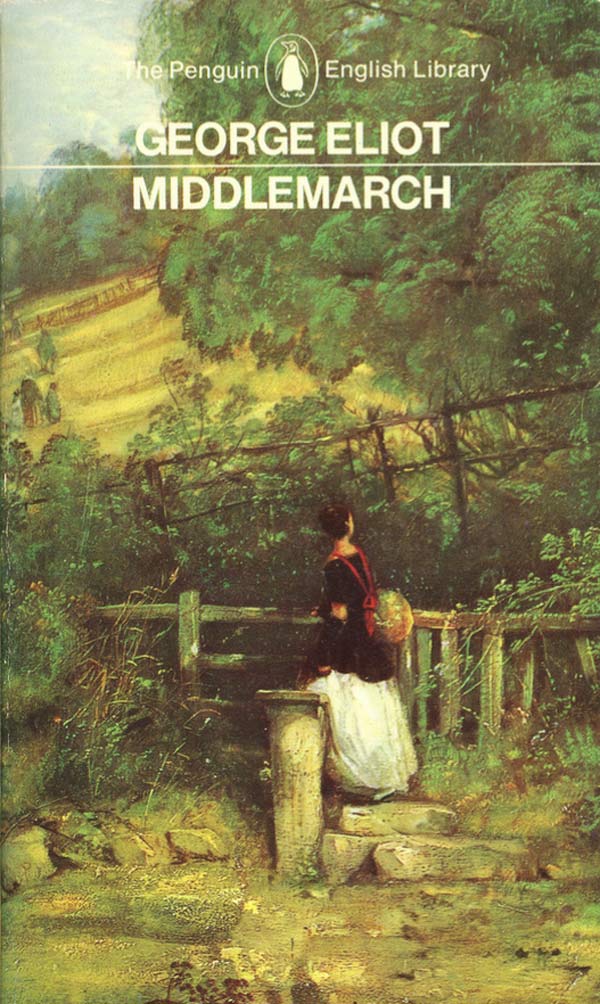
Middlemarch by George Eliot
Twice I made it to about page 150 before giving up on Middlemarch. With the help of Nadia May’s narration, I was finally able to get past that mark and read/listen to the whole freaking 736 pages. On my previous attempts I didn’t dislike what I was reading, I actually kind of liked it, but something made me set it down and not want to pick it back up again. I’m glad I finally made it past that hump because I did thoroughly enjoy the rest of the novel.
I enjoyed Middlemarch in the same way I enjoy Trollope. Lots of characters and period detail and charming turns of phrase. But most importantly, lots of talk about how much money people have to live on. On the one hand I can see how money issues drove so many marital decisions at the time, but I also wonder whether it was a bit voyeuristic at the time. Surely a good number of contemporary readers of Middlemarch and Trollope must have been living below the socio-economic status of the main characters. Was it similar to our fascination with rich reality show characters?
I got into a bit of trouble on Twitter for tweeting spoilers about this 150-year old book so I am not sure how much I should say here. Certainly not worth trying to explain a plot that spans over 700 pages, but I am tempted to tell you who I liked and who I hated. There is at least one character who is redeemed in a way that I don’t think was very redeeming. In the end I feel like he was forgiven too much and only made good after everything was handed to him on a platter.
Unlike Moby Dick, I enjoyed Middlemarch and could see myself reading it again for the sake of the language and because I want to revisit the characters. Given everything else on my TBR, it may be a decade or two before I get around to that.
Reading kind of slowed down for me towards the end of June. I was worried I might be heading into a slump, but I managed to keep that at bay and things started to look up. Looking back at my Books Read list, my pace really didn’t slow down much but it just felt like things weren’t plugging along like they had been earlier in the year. I think the real problem was spending about 150 pages on a book that I decided not to finish. That always makes me feel like I am going backwards. However slow I think I might have been, I still have a backlog of six books I haven’t reviewed. So time to get cracking.
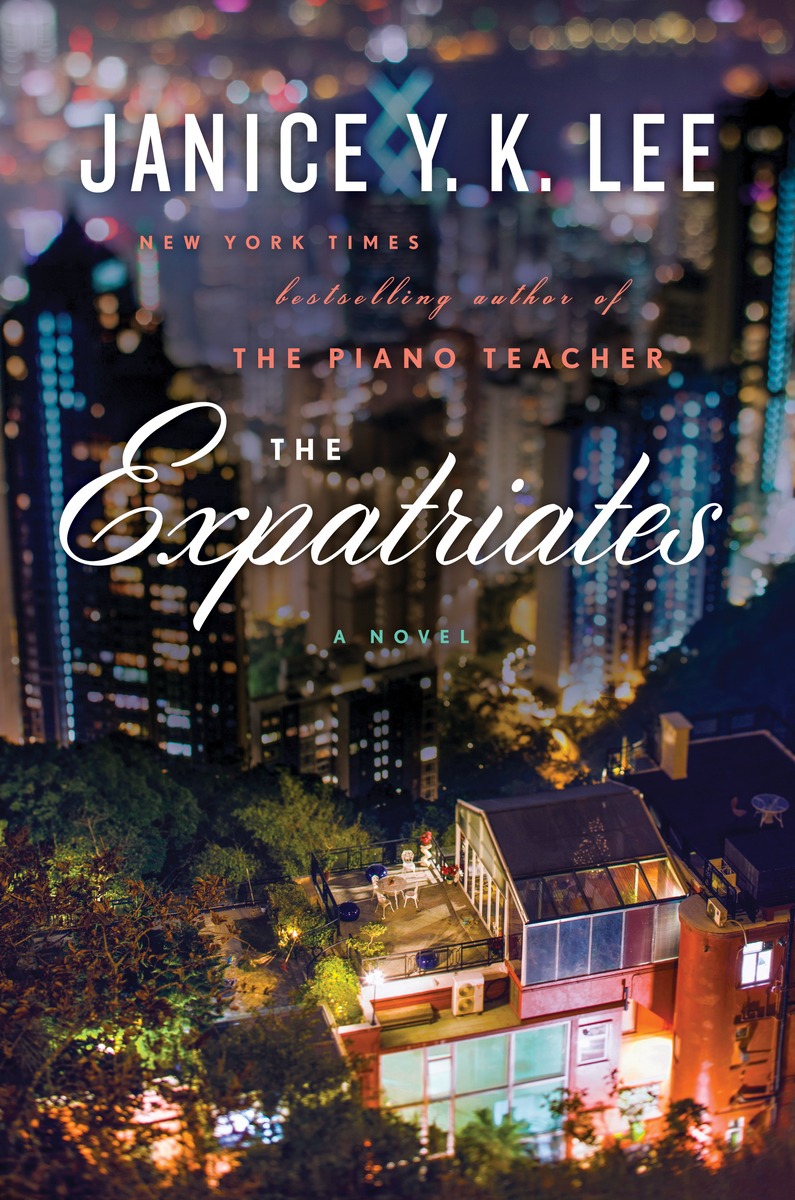
The Gattis and Lee have covers that deserve to be giant.
All Involved by Ryan Gattis
The story of various gang members and their families and friends in the days of the 1992 riots in Los Angeles. This was one of Simon’s five books that he put on his summer reading list on episode 155 of The Readers. My first thought was that it was going to be a festival of violence. In some ways it was, but after getting into the rhythm of the book, the characters and the circumstances of their existence transcended the depiction of violence. Gattis does something clever in that each chapter is written from point of view of a different character. The result is that we not only get dozens of individual stories and perspectives, but we see how they overlap and intertwine with each other. All these individual stories are like mini-plots that help advances that hand together quite well and help tell the overarching plot of the novel. Kudos to Simon for this one. It is certainly a novel I wouldn’t have picked up on my own. Particularly since I think the bookstore had it miscategorized in the crime/mystery section.
Stowaway to Mars by John Wyndham
A 1936 look at the future of space travel and the space race. Since there wasn’t really a space race or the technology to get to space and survive in 1936, it was quite a bit of fun to see what a sci-fi writer thought things would look like in the future. The author was particularly on point when he described a mission to the moon that took place in 1969–of course the year humans actually made it to the moon. Originally published under a pseudonym and the laughingly bad title Planet Plane. As far as Wynhdam goes, The Day of the Triffids, The Chrysalids, and Midwich Cuckoos are all places to start before you pick-up this one.
The Expatriates by Janice Y. K. Lee
Three American expatriate women of different ages and backgrounds living in Hong Kong. I bought this new hardcover book on a whim and expected it to be a bit on the fluffy side. Might have been the frilly cover font or maybe a jacket blurb that made it sound fluffy. In addition to the compelling personal stories I was fascinated by the description of expat life. It was particularly interesting to see how the English-speaking expats colonize Hong-Kong, especially the experience of the youngest of the expats who is a Korean-American. Somewhat to my surprise I liked this book, not because it was the kind of fluff I was expecting, but because it wasn’t. Much more substance than I expected but really readable. And a perfect summer read.
The Bell Jar by Sylvia Plath
I have finally read this modern classic that might be more of a cultural icon than it is a book people have actually read. Which, when you come to think of it is true for so many classics. Lots of people talking about books they haven’t read. I knew exactly two things about Plath before I read this: she was a poet, she committed suicide. There is plenty that is dark in The Bell Jar, so no surprise there, but I expected something more poetic–which to me often means dense and unreadable. But it really was a very readable novel that didn’t require special pools of literary understanding. A fascinating, feminist time capsule that had to have been an influence on Lena Dunham. Parts of it gave me a Mary McCarthy vibe as well.
Quesadillas by Juan Pablo Villalobos
I picked this up on a whim from the remainder table and knew nothing about it prior to reading it. It’s a story of poor family in Mexico dealing with the vagaries of of political and economic unrest and rarely having enough to eat. But rather than depress, it’s a comic novel in which the kids have named each kind of their mother’s quesadillas based on how much cheese is inside, there’s an inflationary quesadilla, a normal one, as well as deflationary, and poor man’s. In the poor man’s quesadilla “the presence of cheese was literary” with nothing on the inside but the word cheese written on the tortilla. The book is the kind of madcap that could go wrong if it feels like the author is working too hard at being madcap, but Villalobos makes it seem effortless and thus avoids my knee-jerk response to whimsy. Oh, did I mention alien abductions? Alien abductions.
Prairie Tales by Melissa Gilbert
This is perhaps an example of my newly re-discovered library browsing run amok. I remember Andy Cohen talking about how she really names names and in a way she does, but overall I found it a little boring. It would be nice to read a celebrity memoir that doesn’t include chemical dependency and recovery.
No anecdote or story this time around. In fact I think my lack of inspiration in that regard is what has kept me from posting a Shelf by Shelf for a month.
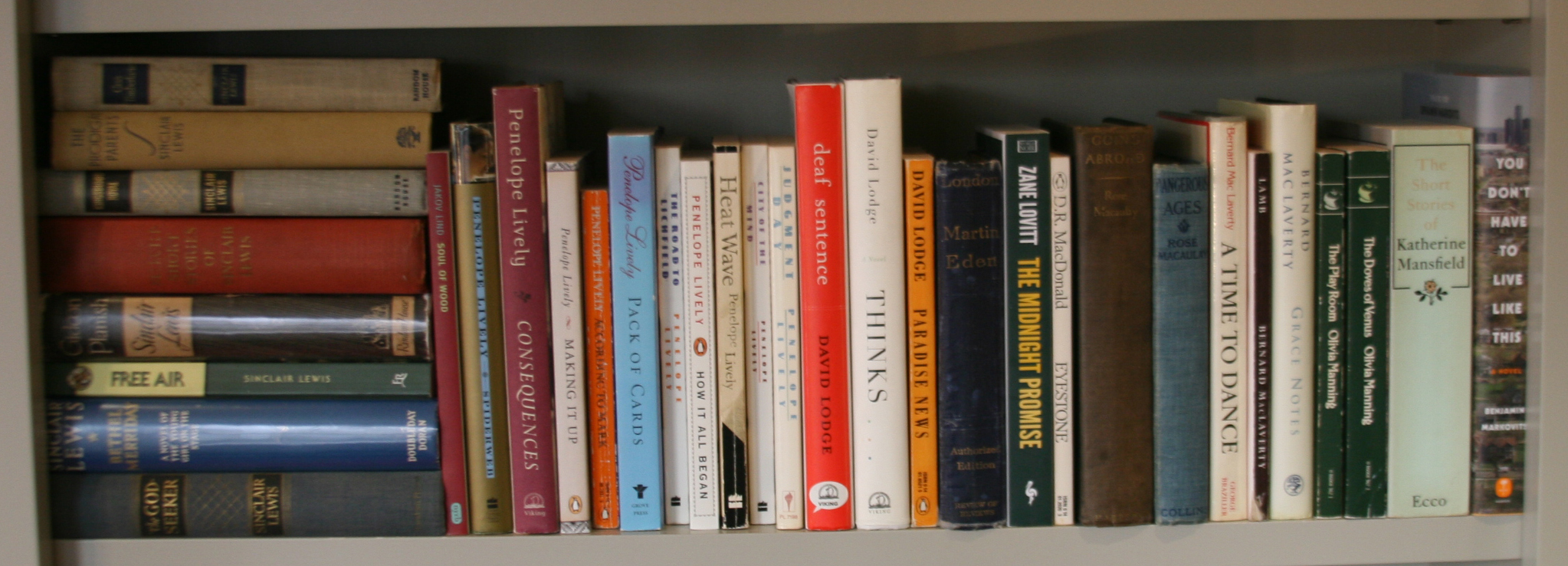
Lewis, Sinclair – The Godseeker Lewis, Sinclair – Bethel Merriday Lewis, Sinclair – Free Air Lewis, Sinclair – Gideon Planish (completed) Lewis, Sinclair – The Short Stories of Sinclair Lewis Lewis, Sinclair – Kingsblood Royal (completed) Lewis, Sinclair – The Prodigal Parents (completed) Lewis, Sinclair – Cass Timberlane (completed)
I had five more Lewis on my previous shelf. Until I recently re-read Main Street I had begun to wonder if my large collection of his novels might be a leftover from the days when I would collect books just to collect them. I had been a fan of his work for sure, but there was a part of me that thought I might have grown out of my Lewis phase. After my recent experience with Main Street I no longer worry about that. He wrote really great novels that were ahead of their time and many still wildly relevant.
Lind, Jakov – Soul of Wood
Lively, Penelope – Spiderweb Lively, Penelope – Consequences (completed) Lively, Penelope – Making It Up Lively, Penelope – According to Mark (completed) Lively, Penelope – Pack of Cards Lively, Penelope – The Road to Lichfield (completed) Lively, Penelope – How It All Began (completed) Lively, Penelope – Heatwave (completed) Lively, Penelope – City of the Mind Lively, Penelope – Judgement Day I’ve read a few more Lively novels than those on my shelf. Happily she wrote about 16 novels for adults and four short story collections. Not only has she won the Booker prize (for Moon Tiger) but has been a finalist two other times, including for her debut novel The Road to Lichfield. If you have never read Lively or find yourself lukewarm on her, I say read Consequences. I think it will make you a fan.
Lodge, David – Deaf Sentence Lodge, David – Thinks Lodge, David – Paradise News
I loved a few of Lodge’s comedic academic novels like Changing Places, but I shy away from calling myself a Lodge fan. Looking back I’ve read five of his novels so maybe I am. I think I need to dive into these to know for sure.
London, Jack – Martin Eden (completed)
One of my favorite books of all time. Martin is an aspiring writer in turn of the century San Francisco. Fascinating and extremely moving. This is a book that readers will love if they only take the time to read it. If you are curious you check out me waxing rhapsodic about it here.
Lovitt, Zane – The Midnight Promise
MacDonald, D.R. – Eyestone
Macaulay, Rose – Going Abroad Macaulay, Rose – Dangerous Ages (completed)
I loved Dangerous Ages, but I wasn’t a fan of Told By an Idiot and I didn’t enjoy the rather madcap Towers of Trebizond which I didn’t even finished. I recognize the latter as a good book, I just didn’t like it. The former was tedious in a way I can’t quite put my finger on.
MacLaverty, Bernard – A Time to Dance (completed) MacLaverty, Bernard – Lamb (completed) MacLaverty, Bernard – Grace Notes (completed)
I seem to like everything by MacLaverty that I have read. I bought Grace Notes on a whim one year in London when it was short listed for the Booker and the Booker was relatively new to me. I re-read it not too long ago and liked it even more than the first time I read it.He is a bit of a sleeper favorite of mine.
Manning, Olivia – The Play Room Manning, Olivia – The Doves of Venus
Mansfield, Katherine – The Short Stories of Katherine Mansfield
Markovitz, Benjamin – You Don’t Have to Live Like This
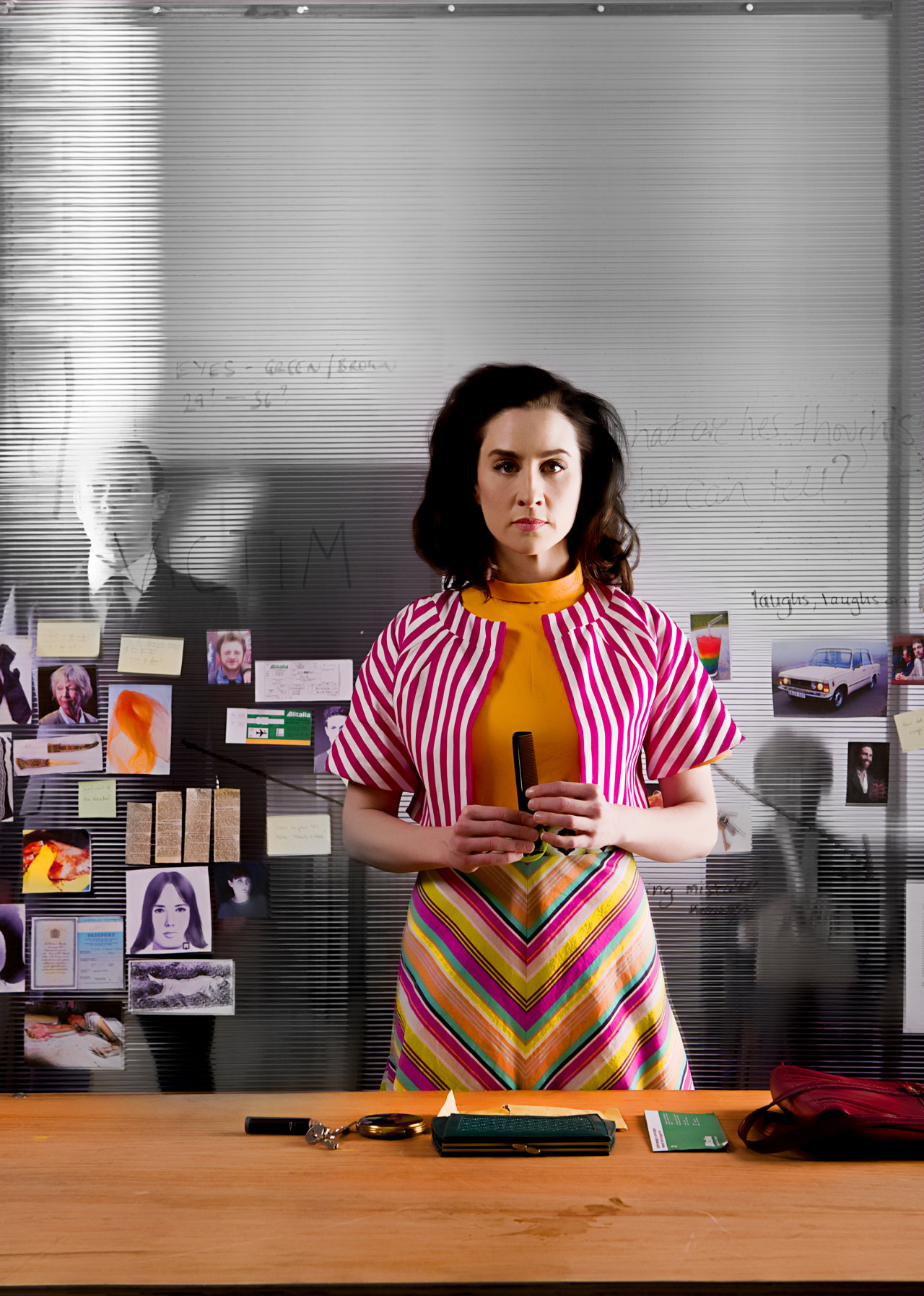
This fantastic image from the National Theatre of Scotland’s adaptation of The Driver’s Seat makes me wish for a new fantastic, period, film version of the book. I need to track down the Elizabeth Taylor version.
The Driver’s Seat by Muriel Spark
I’ve been wanting to re-read this short novel for some time now so I when I stumbled upon it at the library it seemed the time had come. This is easily one of Spark’s quirkier works. The story follows Lise as she is getting ready to go on holiday. I’m not sure how much more I can say about the plot without giving too much away. Let’s just say that Lise is complex and more than a little unhinged. But only certain authors are capable of writing unhinged characters this well. Spark does such amazing things with Lise that keeps readers constantly on our toes.
Lise crosses so many lines of sanity and responsibility that you would think it would make a rules-y, organized person like myself a little crazy. Instead I found myself relishing the insanity of this book and all the perils it contains.
A Grant Wood illustration from my copy of a 1937 limited edition signed by the artist.
There is rather old fashioned, hale and hearty kind of feeling to both Sinclair Lewis’s prose and his characters. God knows he loved an adverb and his dialog can feel a little ham-handed and out-of-date. And if we believe Garrison Keillor, Lewis’s brand of satire doesn’t age well. But what is amazing about much of Lewis’s output, is that it was remarkably ahead of its time and remains timeless and relevant.
Certainly Lewis’s name has popped up with some frequency in recent months as the rise of America’s small-handed, orange-faced, fascist has reminded people of Lewis’s 1935 novel It Can’t Happen Here. But many of his other novels have proven relevant decade after decade as well. It’s as if every televangelist read his 1927 novel Elmer Gantry as a how-to-guide for fleecing religious folk. It’s too bad the religious folk didn’t read it and heed it’s warnings. Babbitt takes on capitalism and Dodsworth takes on the suburbs. And no one can tell me that Ann Patchett wasn’t inspired, at least in part, by Lewis’s take on the medical/scientific establishment in Arrowsmith when writing her novel State of Wonder. Lewis’s look at race in America, Kingsblood Royal was published in 1940, eight years before President Truman desegregated the U.S. military and a good 20 years before To Kill a Mockingbird.
Nine years before Virginia Woolf published A Room of One’s Own, Lewis’s heroine Carol Kennicott asked for a room of her own in Main Street. Even though Main Street is seen a classic take down of small town America, I think it should be read as well as an early feminist classic.
Main Street by Sinclair Lewis
I first read Main Street sometime prior to when I started keeping track of my reading in 1994. Since knocking out his other marquee titles (Dodsworth, Babbitt, Elmer Gantry, and Arrowsmith) in 1996, I’ve collected his novels when I come across them and have read an additional three or four of them. Most recently and most surprisingly, a few years ago I began to read It Can’t Happen Here but decided not to finish it after about getting half way through. I just couldn’t get into the swing of it.
Since it had been so long since I read Main Street I thought I would reacquaint myself with the story by listening to the audio book. In fact it was one of the first books I bought when I joined Audible. It was also the reason I found out that Audible will give you your money back if you don’t like one of their recordings. But they have no way of actually taking the unwanted recording back, so it sits on the shelf in your Audible library in perpetuity. Flash forward a year or so and I decided to grit my teeth and listen to the horrible recording by Lloyd James. Despite how much I hate his reading and mispronunciation of the name “Bea”, I managed to get back into the swing of the book and succumb once again to its brilliance. About half way through it occurred to me that there might be a better version available on Audible. There was and so I bought it and enjoyed the second half waaaay more than the first.
In Main Street Carol Kennicott is a librarian who moves from the metropolis of St. Paul with her older, doctor husband Will to his hometown of Gopher Prairie. What she finds is boredom and parochialism and prejudice. In addition to the exploration of Carol’s plight, which is, as I alluded to earlier, as much about being a woman as it is about small town life, Lewis also deals with class, immigration, religion, education, and marriage, providing a fascinating snapshot of American life in early 20th century. A snapshot that is still relevant to the early part of the 21st century.
If you haven’t read Main Street before you might find the writing style a little hard to get into. It’s not difficult by any means, it’s more like the kind of shift you need to make when you read Victorian lit. Give yourself some time to get used to it. Like many of us do with the prose in Victorian novels you may even end up finding yourself reveling in the prose. Once you get into the swing of the story, I think you will find yourself compelled and moved. It is definitely one of those books you will be happy you decided to read and you will wonder why more people don’t do the same.
What is it about the breakdown of modern society that I am drawn to? The reality is that life would be infinitely harder for those in industrialized countries who survive. But I find reading about them oddly appealing. Before I go any further, I am not talking about political dystopia, like The Handmaid’s Tale, that is just scary from all angles. But Atwood’s MaddAddam dystopia with fantastic creatures and a planet trying to heal itself is so fascinating to me. Similarly, Eden Lepucki’s California was fascinating if not as well written as Atwood. And vintage R.C. Sheriff’s tale of the moon smashing into Earth in The Hopkin’s Manuscript, or John Wyndham’s equally vintage The Day of the Triffids.
Station Eleven by Emily St. John Mandel
Much to the surprise of the social media universe, I loved, loved, loved this book. Twenty years after a global flu pandemic wipes out something like 99% of the population we follow a troupe of musicians and actors who traverse western Michigan performing for small, isolated settlements. (Extra credit points if you can figure out the pun in that sentence.) I’ve seen some reviewers say that Mandel doesn’t break any new ground in this genre and some other niggling complaints about the book, but I liked the milieu enough to not care if those things are true.
In particular I love the flashbacks to the time when the pandemic strikes and I especially loved to read the bits about how society as we know it came to an end. The end of planes, the end of electricity, the end of communications, the end of gas–apparently it goes stale after a few years. All fascinating stuff. As much as I love air travel, I love the idea of a sky with no planes. I may get in trouble for saying this, but in the days following 9/11/2001, the gorgeous fall days in Ithaca, New York were enhanced by a silent sky.
I know I would probably not survive, and if I did would probably be miserable, but I am so drawn to the romanticized world of the planet reverting to nature.
I will admit that there were lots of connections between characters who in reality would probably never have met up again. But, I am the kind of person who really likes closure so as unrealistic as some of those connections may have been, I liked how they tied somethings up with a bow.
It is slightly possible that I am a little cynical about what the marriage-industrial complex has deemed necessary for those looking to tie the knot. It might be a reaction to the slew of reality TV shows that have turned a generation of brides into profligate, vain, delusional wannabe princesses who think the whole world needs to stop and genuflect before them on their special day. It may be because the vast majority of weddings I have been to have nothing to do with the couple getting married even though they may have planned every little detail. Maybe it is because all of the expectations that swirl around getting married make it impossible for some young couples to overcome the disappointment of what happens after all the wrapping paper is thrown away and the first credit card statement comes. It might also be the many ceremonies where the most irreligious of couples pledge left, right, and center to dedicate their marriages to God to the point where you think they are inviting JC into a life-long, platonic three-way–and then they head out to the parking lot for a couple of shots, high fives, and “fuck-yeahs”.
It might also be the fact that I have a big old gay chip on my shoulder. John and I were together 13 years before it was legal for us to get married. Yes, that is right. Our 13-year “engagement” was five years longer than the average marriage in the U.S. And the hets take all of the marriage rites, rituals, and respect for granted. Like getting to do Prom all over again (oh, the gay chip is getting bigger). Certainly the gays are stepping up to the plate these days and grabbing all of the ostentation and entitlement they can get their hands on.
Don’t get me wrong, I have no problems with big weddings, or making the day special, or really celebrating the start of a life-long partnership. My problem is with the fact that too many couples get lost in the trappings and lose sight of what’s really going on. Or worse, they are bedazzled by the trappings into wanting to get married in the first place.
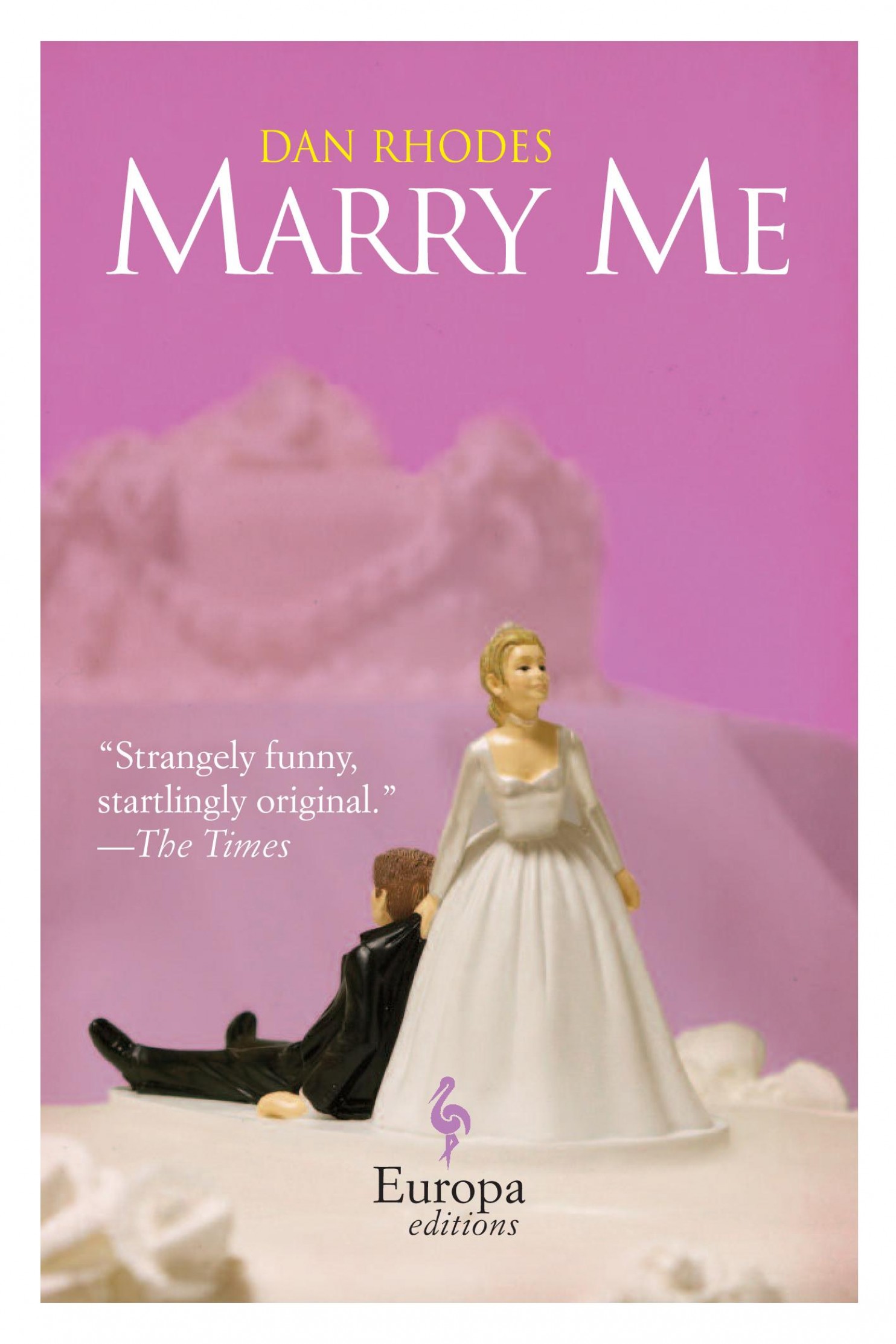
Perhaps it is no surprise then, that I really loved this book:
Marry Me by Dan Rhodes
A shortish book of very short stories all dedicated to the before, during, and after of weddings. Most of these stories are under a page long and all of them are witty, and honest, and biting, and a little wicked. It’s an odd little book that I picked up on a whim at the library not quite sure what to make of it. But I figured if reading one or two lines could cause me to break out giggling in the stacks it was worth a go. And it was worth a go. I chuckled on pretty much every page. It might help to be happily married or happily single when reading it. I’m not sure what someone in a crappy marriage might think of it. In some ways they could see it as a how-to manual. Rhodes does present numerous ways one can cut the marital knot in the most straight forward of ways. There were so many things I wanted to quote here, but I think this one will strike a particular chord with readers/writers/grammar nerds.
“On our honeymoon my wife lay beside me, writing a letter to her best friend. When she had finished, she asked me to check it over. I was glad to help, so I carefully read it through. Her handwriting is very neat, and her spelling and grammar are pretty good, but there were one or two minor glitches for me to point out. ‘See here?’ I said. ‘You’ve written “the most biggest mistake I have ever made” — but it should just be “the biggest mistake I have ever made.” And this bit, where you’ve put “it feels like a life sentance,” that should be “sentence.” I’d only caught one more error. ‘Where you’ve written “I dont know what I did to deserve this,” you need an apostrophe in “don’t”. ’ I explained that it was a contraction, and that it was the job of the apostrophe to take the place of the missing letter. She looked very serious, nodding just a little as she took it all in.”
On Friday Chris of Wildmoo Books passed through DC and we had a chance to hang out and spend some time at Politics and Prose. It was a lot of fun to catch up with Chris since our last meeting in New Haven in October. And what’s more fun than a trip to the bookstore? Probably a trip to the bookstore with a bookish friend.
In this case it was like going to the grocery store while hungry. Something you just don’t do. With all the talk about summer reading lately and people gearing up for Booker long lists and such and so forth, I had a hard time saying no and even found myself forcing a few books onto Chris.
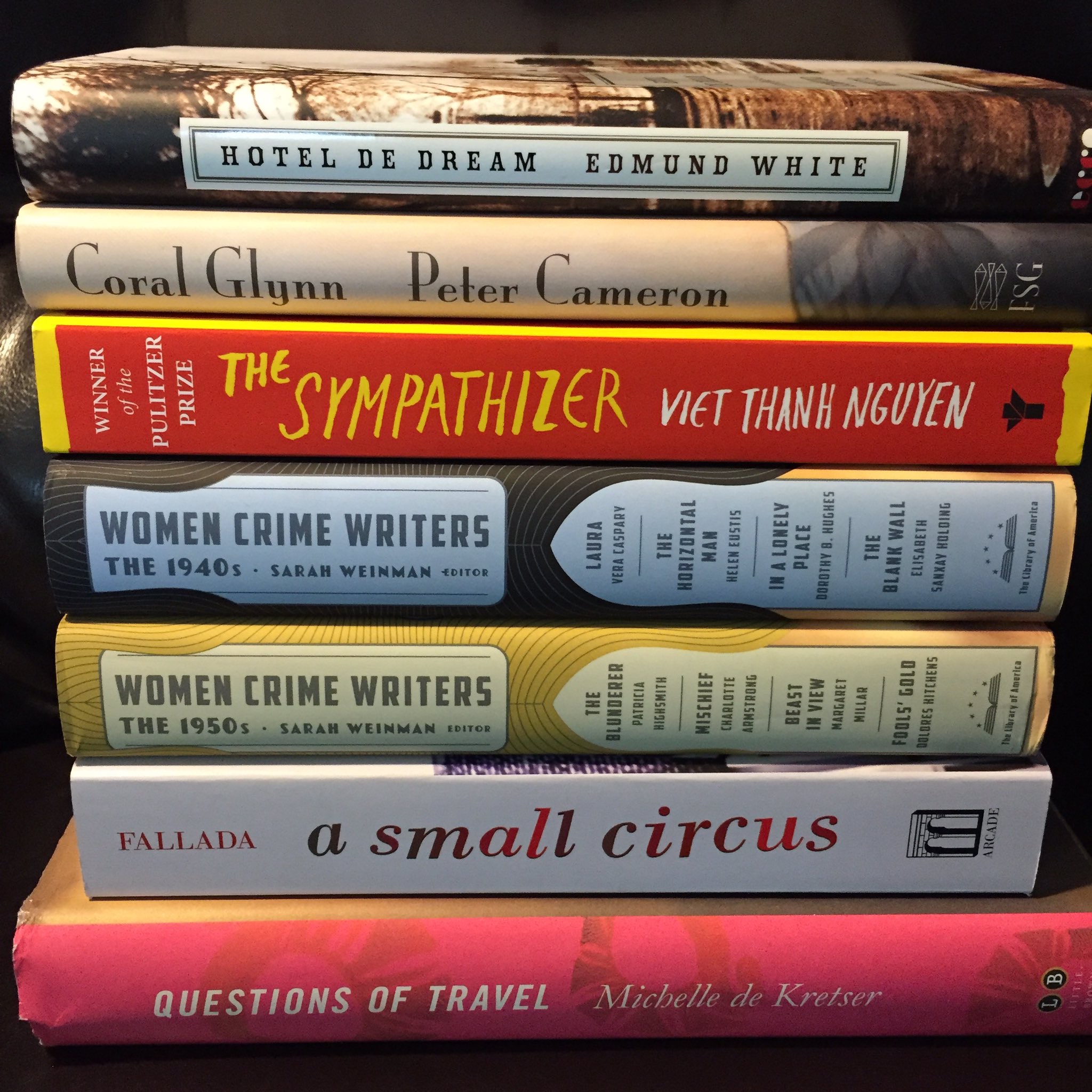
Recently on The Readers we each chose five books to put on a summer reading list at the request of one of our listeners. One can’t swing a cat without hitting a summer reading list these days, but what makes our list different is that we didn’t try to identify the “it” books of the summer of 2016. Rather we tried to make a diverse list of old and new books that we think would be worthwhile pursuing should one be inclined to do so. With the help of our listeners, we also chose a summer read along book that will be discussed sometime after Labor Day. If you haven’t yet read The Sympathizer by Viet Thanh Nguyen you have until the first Monday in September to read it and submit your questions and/or comments to be a part of the discussion. For more on the read along, you can check out the website for The Readers.You can also find the summer reading list there.
As for the 14 books I bought on Friday, here is a rundown as to why I couldn’t keep them out of my basket.
Villalobos: Has an expletive-laden opening line similar to the one in Kerry Hudson’s Tony Hogan Bought Me an Ice-cream Float Before He Stole My Ma. I’ve started reading it and am enjoying it.
Swift: Frances at Nonsuch Book recently posted a picture of five books she thinks might be on the Booker long list. Frances might be the one person who can egg me on to buy books without even being with me. I bought all but one of her five (The Essex Serpent is not out yet in the U.S.)
Tey: People are always telling me to try Tey and this nice edition was half price in the remainder section.
Barnes: I really, really liked The Sense of an Ending and this was also on Frances’ long list stack.
Gattis: One of the books Simon put on his summer reading list. I’ve started reading this one already and like it but think I need to read it in sections almost like a serial feature or television program.
Paterson: What self respecting gay could pass up a novel called Rancid Pansies?
Conley: Also on Simon’s summer reading list. About a young man who enters a pray-the-gay-away “treatment” program. I ended up finding it quite tedious for a number of reasons and tossed it on the DNF pile after about 80 pages.
Nguyen: Duh.
Lee: Picked this one up just cuz and really liked it. Finished it yesterday.
Gyasi: I’ve seen this one around the blogosphere but more than anything I liked the cover. Plus, I have been interested in reading literature by Africans about Africa.
Mahajan: One that I considered throwing in the ring for the summer read along, but it isn’t out in the UK yet. Probably a title I won’t read on an airplane.
DeLillo: Another Frances Booker long list prediction. I gave up on DeLillo about 25 years ago, but decided to give him another shot because Frances has that effect on me.
Chee: Also Frances peer pressure. I read one of his books years ago and only found it okay. I’ve been hearing mixed things about it.
Ford: The combination of the jacket blurb and the half priceness of it made me add this one to the pile.
Chris and I showing off our new copies of The Sympathizer.
The top two are the books I put in Chris’ basket. I’m thinking she will like both.
Last week I was at a public library and came across John Wyndham’s novel Stowaway to Mars. Being a big (and recent) fan of Wyndham, I was chuffed to find a title I had never heard of before. When I went to the self-service kiosk to check out the book, the computer told me I was unable to take it out and that I should go to the circulation desk for assistance. While I waited for a member of staff (seemingly forever) I thought “What if someone has a hold on this and they don’t let me check it out?” Thinking, thinking, thinking. I stepped out of line and looked up the book in the catalog to see what its status was. The title did not come up, suggesting the book just needed a barcode, blah, blah, blah. But then I thought “What if it takes them days to give it a barcode rather than minutes?” It’s a fairly hard to find title…more thinking, thinking, thinking…Knowing they don’t have a security system for books I walked out of the library without checking it out.
I finished the book this weekend and brought it back to the library. But, I was curious to see what the issue was so I pretended like I wanted to check it out. I got the same message as before. When I explained to the situation to a library employee, he told me that it was no longer one of their books, that it had been withdrawn, and then handed it over to me saying it was mine to keep. In some circumstances this might have been really cool but I was sad that they were taking it out of circulation. Then the employee thought to ask someone else and she indicated after glancing at the computer that the book had been lost for a long time and all he had to do was hit a button to reinstate it in their system.
So there it is. Instead of withdrawn or lost forever, it is back in the system and ready for someone else to check it out. That is once I return it.
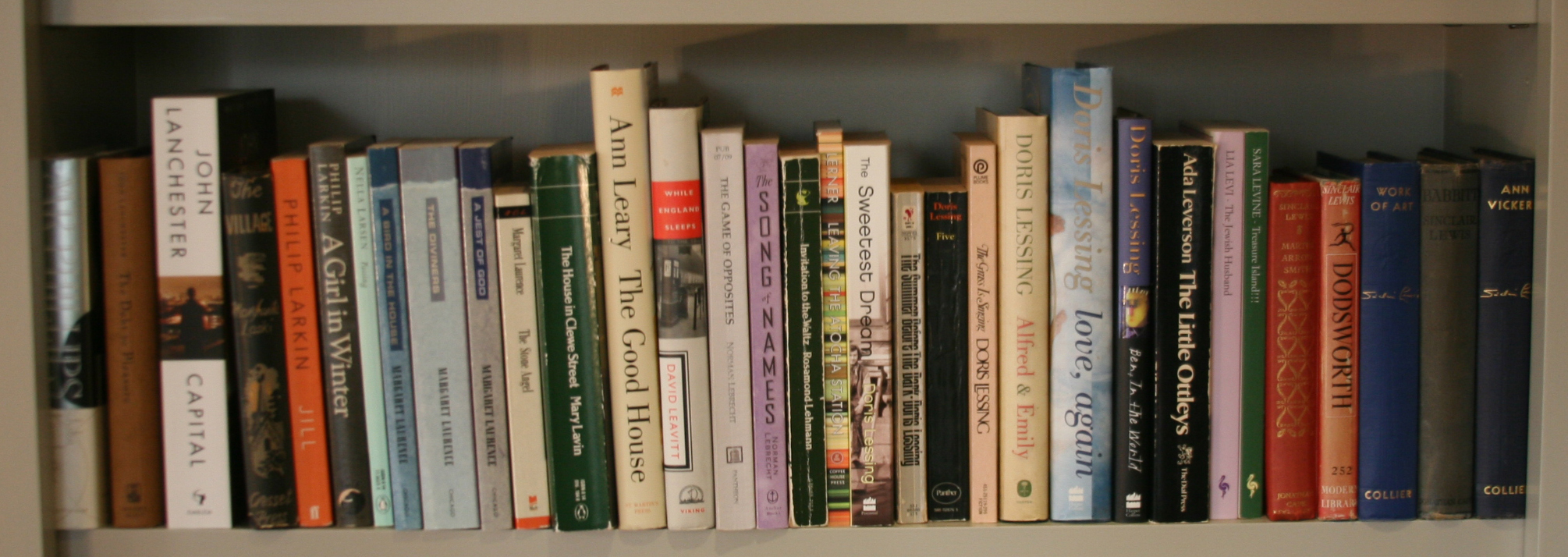
Lanchester, John – The Debt to Pleasure Lanchester, John – Capital
In 2009, Mr. Phillips received an honorable mention when I decided my best reads for the year. In refreshing my mind on what the heck the book was about, I discovered a few reviewers who likened its plot to Ulysses. My only guess is that there aren’t similarities style-wise or I shan’t have gotten through Mr. Phillips, let alone really liked it. The plot is literally one day in the life of a newly fired accountant as he ambles about London pretending to his wife that he is at work.
Laski, Marghanita – The Village
Larkin, Philip – Jill Larkin, Philip – A Girl in Winter
Larkin is one of the two people who helped resurrect Barbara Pym’s writing career. Known more as a poet than novelist, I couldn’t resist snapping up these two novels to see if he has any of the Pym magic or some other sort of magic that I may find interesting.
Larsen, Nella – Passing (completed)
Fascinating 1920s story of an African-American woman who passes for white even to her white, racist, husband told from the point of view of her school friend who is also light skinned but not trying to pass as white.
Laurence, Margaret – A Bird in the House Laurence, Margaret – The Diviners Laurence, Margaret – A Jest of God (completed) Laurence, Margaret – The Stone Angel (completed)
Margaret Laurence was the original national treasure of Canadian authors called Margaret before that upstart Atwood sucked all the air out of the room. All four shown here form part of the Manawaka Sequence after the fictional Manitoba town in which they take place. There is another one, The Fire Dwellers, that I don’t own. Since it is the third in the sequence after The Stone Angel and A Jest of God, I have been reluctant to move on to the other two I own. I really need to get my hands on TFD so I can continue reading these brilliant books.
Lavin, Mary – The House in Clewe Street
Leary, Ann – The Good House (completed)
I bought this off of a sale table knowing nothing about it other than it has been seemingly everywhere in the blogosphere when it was published. All I remember is alcoholic real estate agent and fact that I really liked it.
Leavitt, David – While England Slept (completed)
Leavitt faced charges of plagiarism lawsuit and a copyright infringement lawsuit over the similarities between this novel and Stephen Spender’s memoir World Within World published in 1950. After pulping the first version, Leavitt reissued a revised version in 1995. I had many unrelated qualms over this book but I still ended up enjoying it and found it quite moving. (I was not able to get over my qualms with Leavitt’s most recently novel The Two Hotel Francforts, which I found not plausible, not period, and tedious.)
Lebrecht, Norman – The Game of Opposites (completed) Lebrecht, Norman – The Song of Names (completed)
These two novels are so good that I am frustrated that: 1) Lebrecht spends too much time being a bitchy classical music critic and not writing more novels; and 2) More people don’t read these two novels. The Song of Names read by Simon Prebble is also probably the single most brilliantly read audio book I have listened to.
Lehman, Rosamund – Invitation to the Waltz
Lerner, Ben – Leaving the Atocha Station
Lessing, Doris – The Sweetest Dream Lessing, Doris – The Summer Before the Dark (completed) Lessing, Doris – Five Lessing, Doris – The Grass Is Singing Lessing, Doris – Alfred & Emily Lessing, Doris – Love, Again Lessing, Doris – Ben, In the World (completed)
With the exception of her magnum opus The Golden Notebook, I really like Doris Lessing’s fiction. I thought Ben, In the World was stunning and sad and a great follow-up to the rather chilling The Fifth Child.
Leverson, Ada – The Little Ottleys
Levi, Lia – The Jewish Husband
Levine, Sara – Treasure Island!!! (completed)
Lewis, Sinclair – Arrowsmith (here in UK edition titled Martin Arrowsmith)(completed) Lewis, Sinclair – Dodsworth (completed) Lewis, Sinclair – Work of Art Lewis, Sinclair – Babbitt (completed) Lewis, Sinclair – Ann Vickers
Ten years ago today I published my first blog post.
I never set out to write a blog. I had been looking at a blogspot blog and noticed a prompt at the top of the screen that asked “Do you want to start a blog?” I was bored, I needed a creative outlet, so I followed the link and the rest, as they say, is history.
Longtime readers of Hogglestock will know that my blog was called My Porch for about 9 years before I made the switch. The original title was taken from the opening of James Agee’s A Death in the Family–a book I have yet to read ten years later. I knew this bit of Agee’s work from the musical setting of it by the American composer Samuel Barber in Knoxville, Summer of 1915. To me it evokes a lazy summer evening just sitting on a front porch and chatting.
It has become that time of evening when people sit on their porches, rocking gently and talking gently and watching the street and the standing up into their sphere of possession of the trees, of birds’ hung havens, hangars. People go by; things go by…
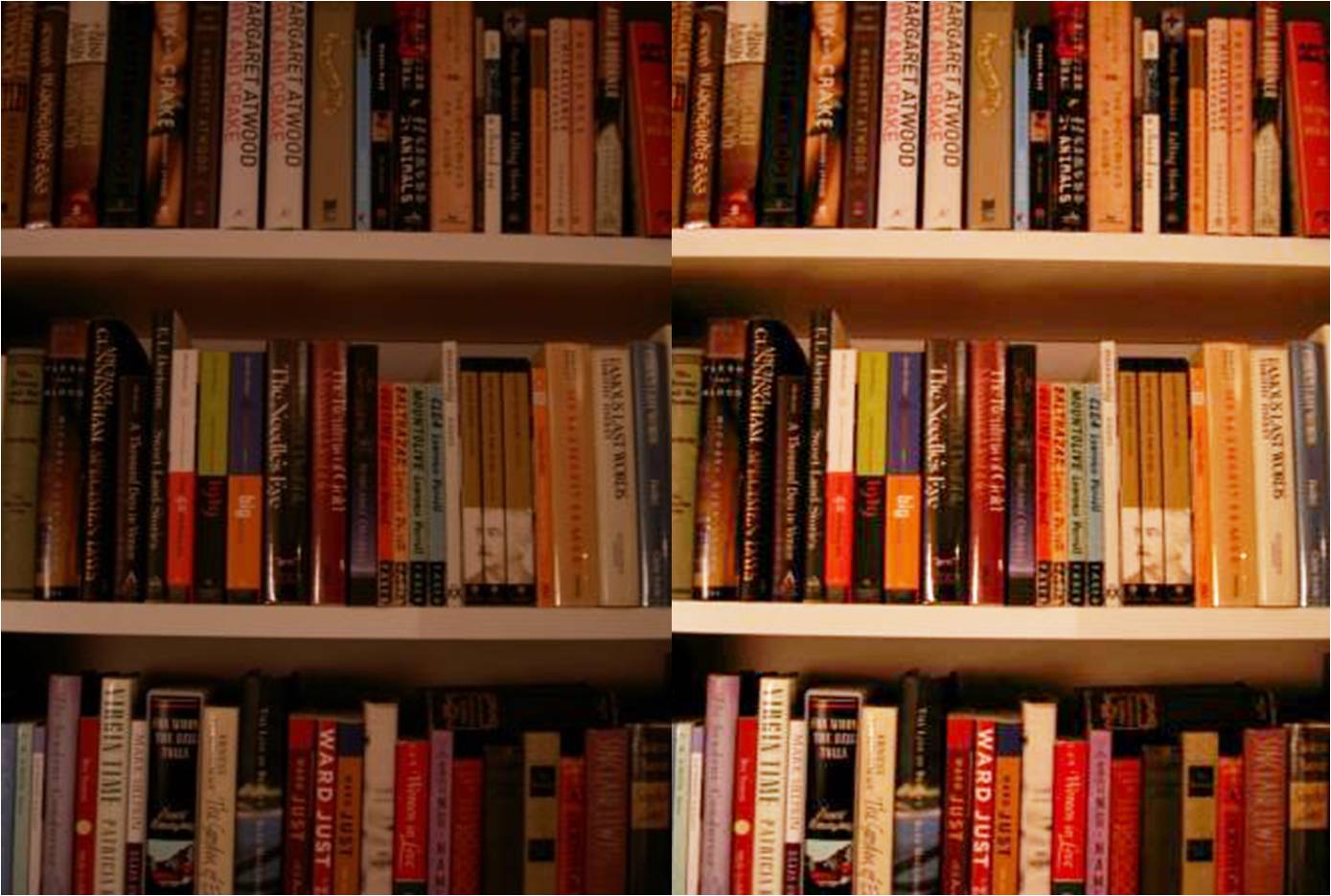
Although the early days of my blog found me taking on all sorts of topics (and sounding rather portentous in the process) I did write about books and reading with some frequency. In fact, my second post was a paean to librarian Nancy Pearl and her fantastic Book Lust which led to many wonderful books and authors including Barbara Pym and Ward Just. Just to show you how much things have changed in ten years and how much they have stayed the same, I give you the following photo:
The left side is the dark, poorly focused photo I posted in June 2006. The right side has been brightened up a bit so you can get a better sense of what was on my shelf back then.
It is kind of interesting to dissect this now historical photo. If you have been following my Shelf by shelf feature on Hogglestock you will recognize the Drabble and Findley and others, but other things may surprise you. There have been some notable deletions. I decided I did not need four copies of Oryx and Crake and got rid of all but one of them. After finishing the USA Trilogy by John dos Passos, I decided I never need to read him again and got rid of them. After not finishing any of Oprah’s Faulkner set I got rid of them and hope to never read him again. I also got rid of all my D.H. Lawrence. In my mid-30s I thought I had time for stuff like that. Not so. Another difference is that I’ve jettisoned my paperback Anita Brookners for the hardcover U.S. first editions that I have found cheap here and there. Looking at this I also realize that my Drabble collection has expanded greatly yet one of them in the photo remains unread a decade later. That’s kind of crazy.
The Evolution of MyPorch/Hogglestock
I ambled along for about three years writing about books now and then. I had a very small following. Mostly people who knew me. The more I started to write about books the more I began to bore my core audience. Around that time I also stumbled across the world of book bloggers. I don’t remember which Simon I found first but one led to the other. I remember Simon Thomas at Stuck in a Book blogging about Persephone Books and the Bloomsbury reissues of Miss Hargreaves and Henrietta’s War. And I remember Simon Savidge at Savidge Reads blogging about sensation novels and Wilkie Collins’ The Woman in White specifically. I had come across one or two book blogs prior to that, but discovering the two Simons was a real eye opener. These were kindred spirits and they opened up a whole world of UK book bloggers to me. I found myself swept up in all kinds of book blogging challenges, reading weeks, memes, and all kinds of other reading mayhem, not to mention lots of Transatlantic book orders.
I also ended up finding bloggers in North America. There was BookishNYC who used to blog about books she saw on her commute and the people reading them. JoAnn at Lakeside Musing was always good for reading inspiration. I followed, and eventually became friends in real life with, local bloggers Teresa (Shelf Love) and Frances (Nonsuch Book).
And there was Darlene in Ontario and her fantastic border collie Deacon. She used to blog at Roses Over a Cottage Door and has a blog roll there that reads like a who’s who of my early blog reading life. Nan at Letters from a Hill Farm. And raise your hand if you remember Verity’s Virago Venture? And so many, many, more too numerous to list. One of the sad things about moving to Hogglestock was no longer having a blog roll.
Sometime in 2009 my bookish comments on other blogs started to drive traffic to my own and I began to wonder if they were my real audience rather than the faithful 12 friends and family who occasionally came by to have a look. Eventually I decided to take the leap and focus more on books and haven’t regretted it for a moment. I continue to meet so many interesting bookish people thanks to Hogglestock.
I’ve done a lot of other fun things on, and because of, the blog over the years. I’ve met probably 30 different book bloggers in the US, UK, Netherlands, and Thailand. It has been wonderful and a great way to chat about books. I think most of us realize how great social media has been in bringing together bookish people–especially for those of us who don’t have many bookish friends in real life.
A HUGE thanks to all of you who read Hogglestock and especially those who comment. I love hearing other people’s perspective and getting a discussion going. It is by far the best part of blogging.
P.S. Earlier Notoriety
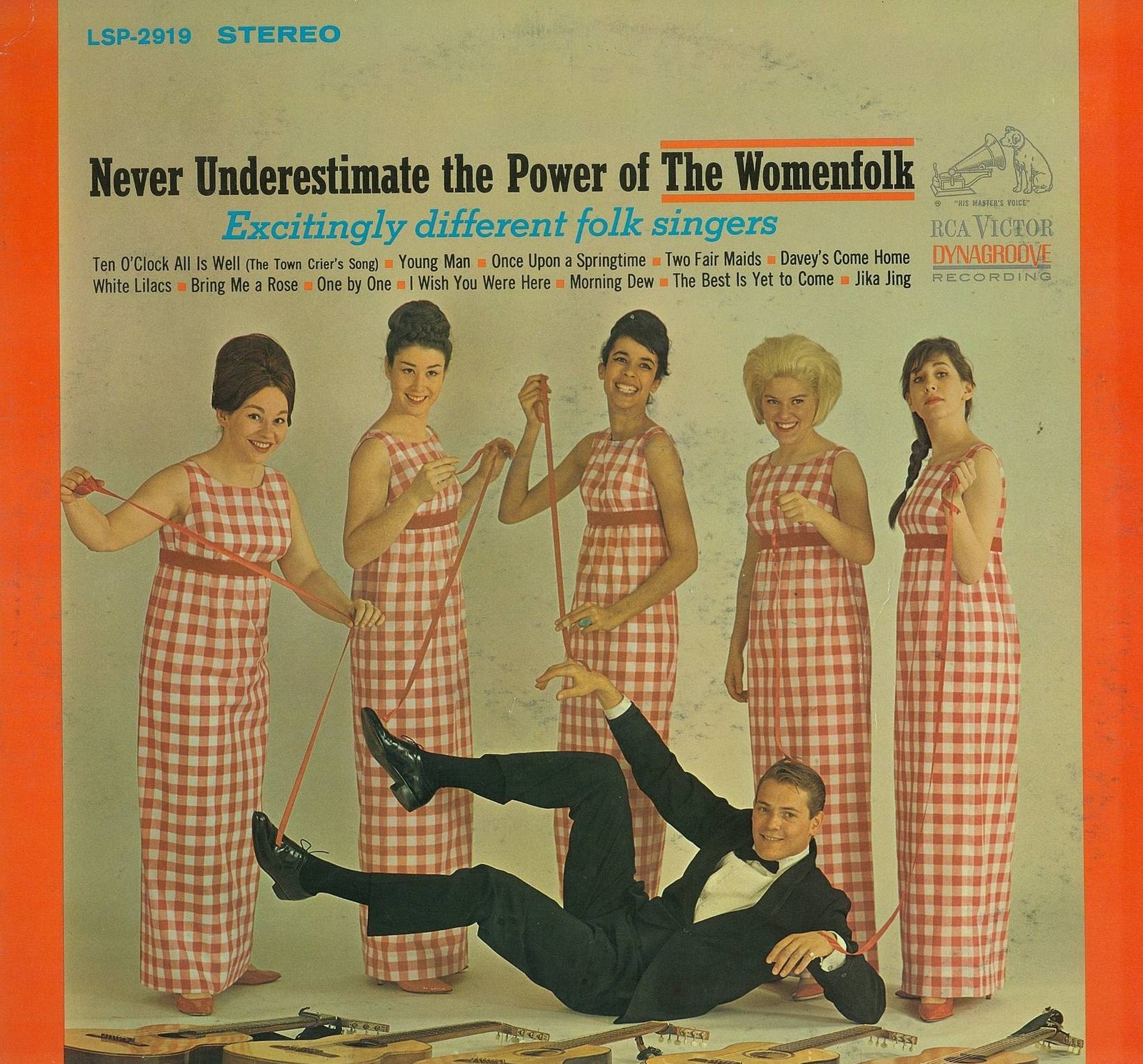
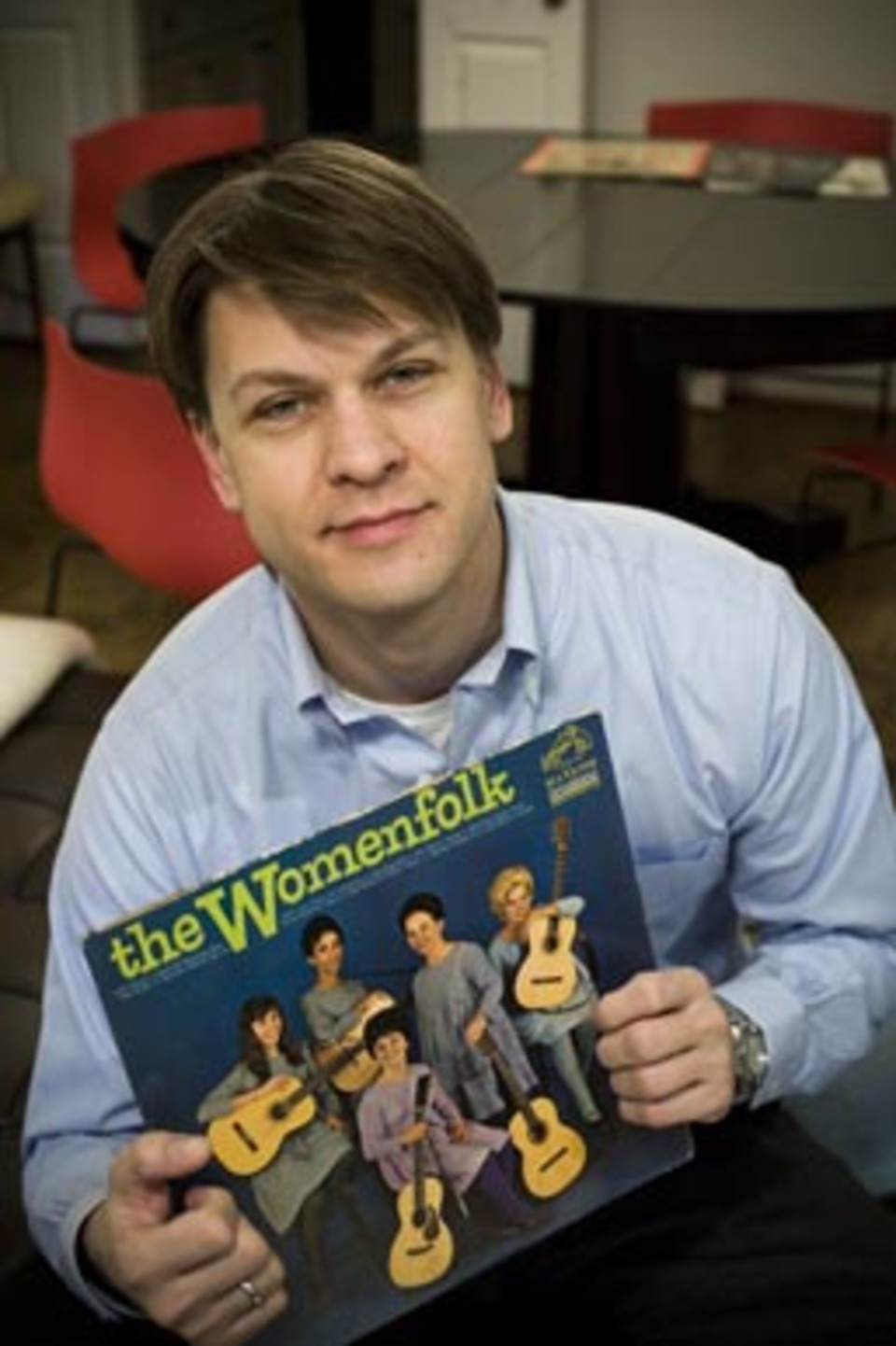
In the early days of my blog I wrote about a women’s folk music group from the 1960s that I had fallen in love with in college. After a almost 20-year, largely fruitless search for information, I finally managed to track down three of the surviving four members of Womenfolk. This led to this post, I met Babs Cooper in NYC, the reunion of the women after almost 40 years, and this article about my quest in the Washington CityPaper.
 For the second time an audio book has helped me get into and through an enormous literary classic. The first time was Moby Dick. After trying to read the book numerous times and failing, doing a read/listen combo helped me finally get through it. Unfortunately, I can’t say that the experience turned out to be pleasant. Not the case, however, with my most recent read/listen attack on a hitherto impenetrable classic read.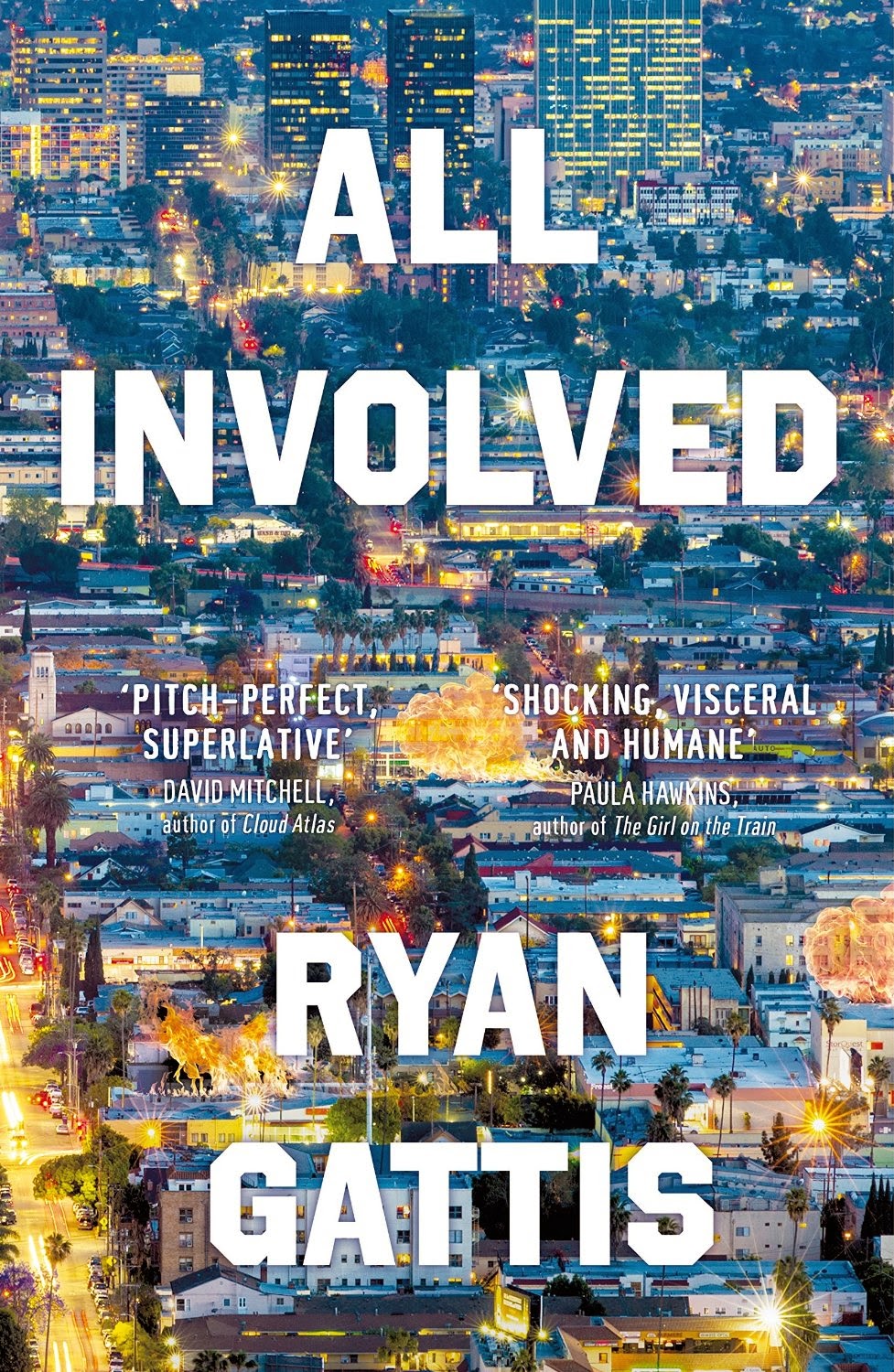





 hogglestock