What a difference a day makes

Yesterday.
On Saturday John and the yard service guys were out cleaning things up and mulching all the beds.
He took this picture yesterday.

Today.
Today that is all covered in snow.
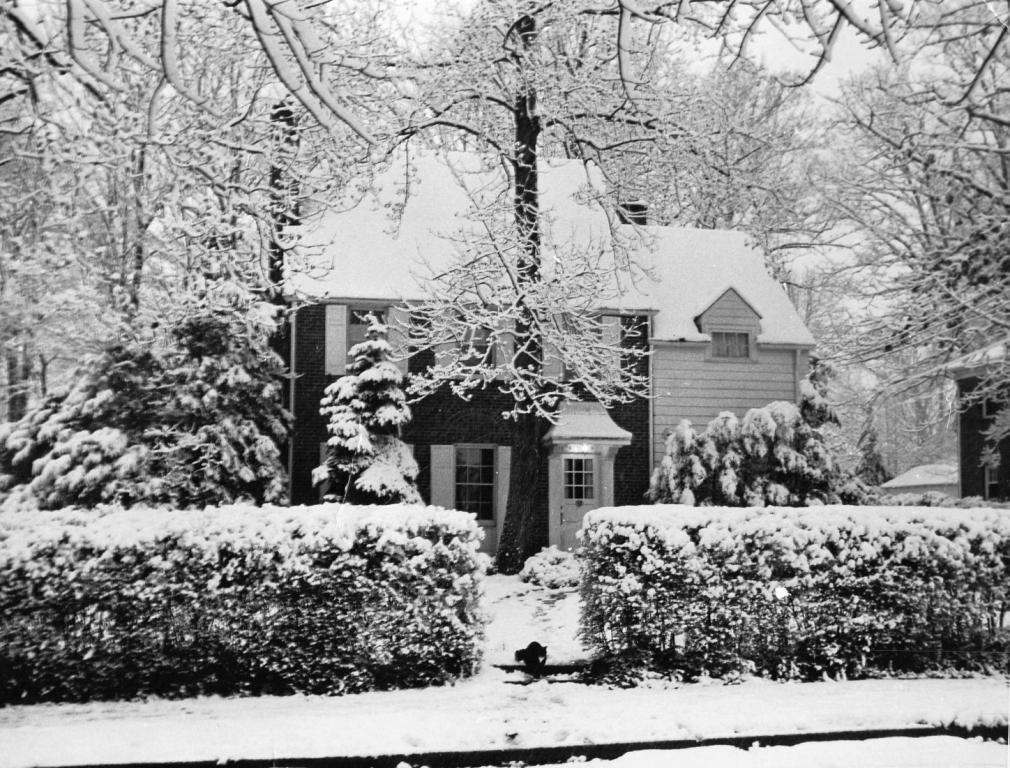
40 Years Ago.
Coincidentally, when John was out working on Saturday a man who lived in our house from 1954 to 1967 stopped by and then emailed us this photo from when he lived here.
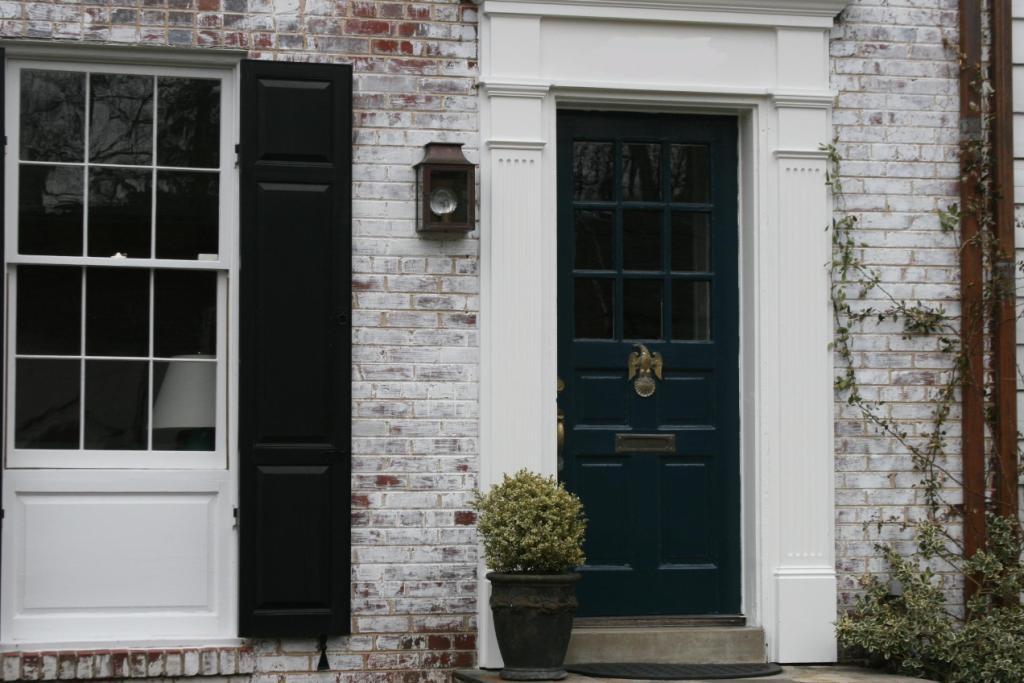
I painted our red front door blue earlier this month. Since this door will be replaced next year as part of our renovation, but needed paint, we decided to experiment with a different color.
This is Farrow & Ball’s Hague Blue. The surround is Wimborne White.

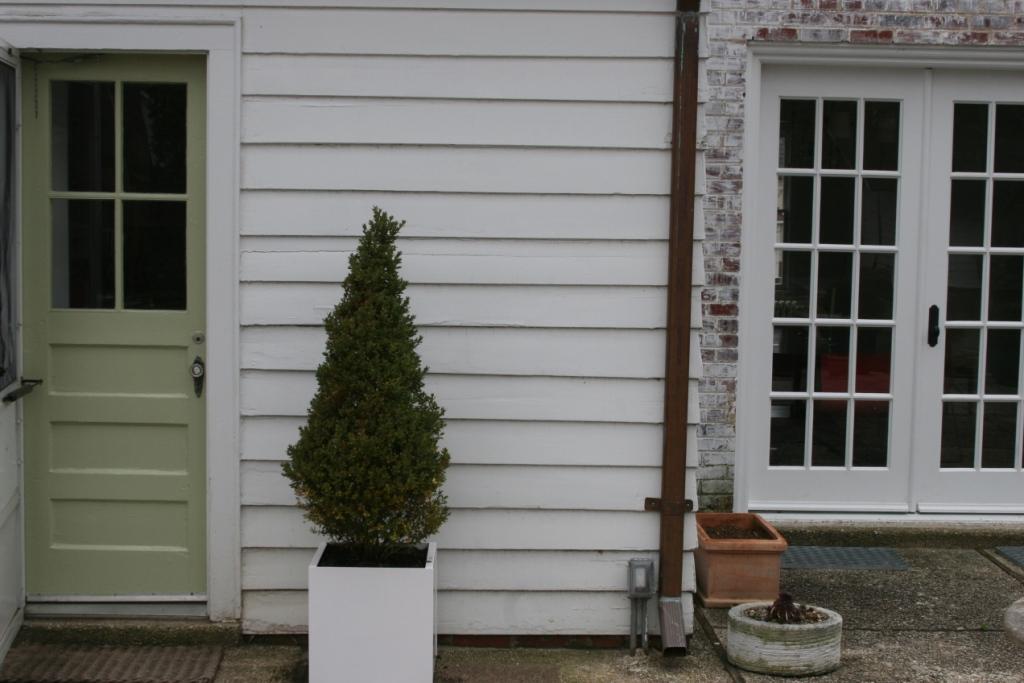
This door will disappear as well so I decided to give Farrow & Ball’s Cooking Apple Green a try.

Looks a little different this morning.

A Pymtastic Weekend

  
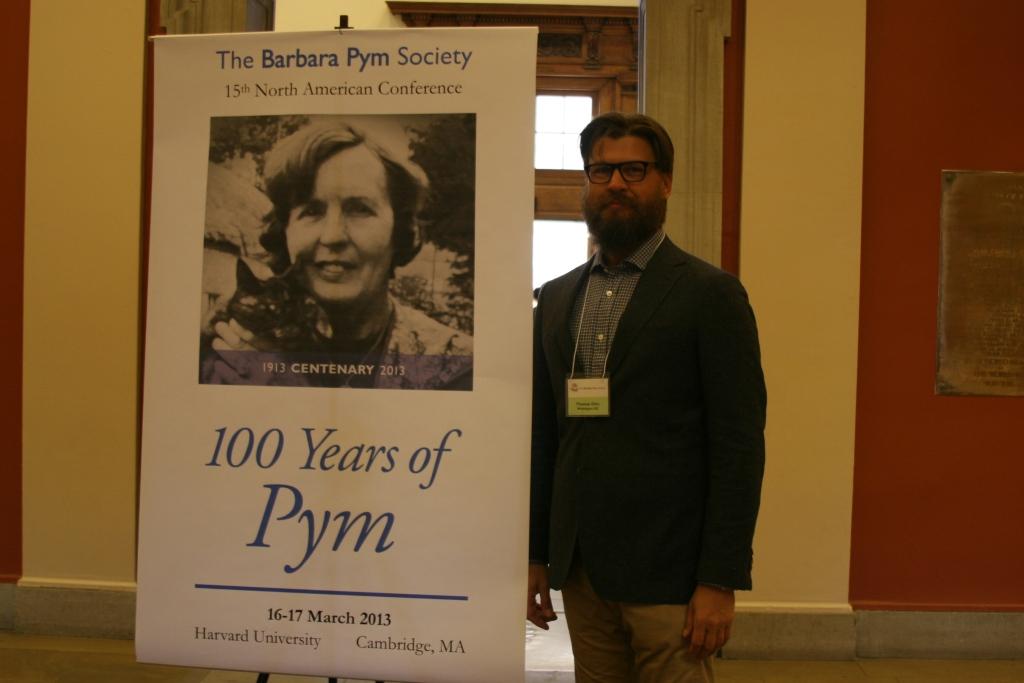
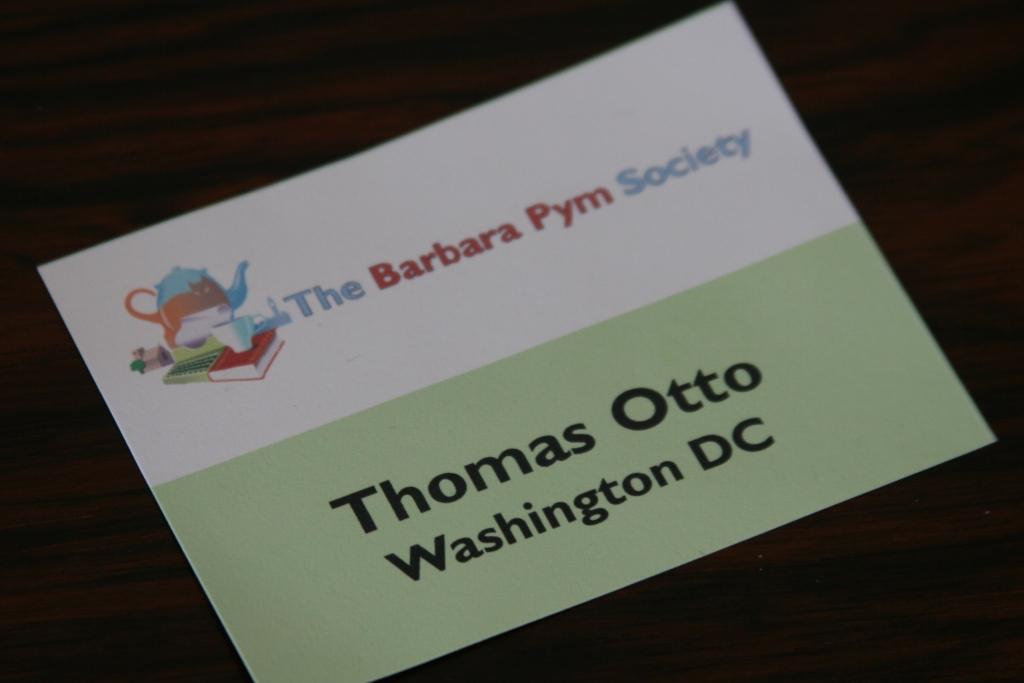
Last year when Amanda at Fig and Thistle suggested we join together to co-host a Barbara Pym reading week I took to the interwebs to look for more information about Pym. The top result Google returned was for the Barbara Pym Society of North America which in turn led me to a link for their annual conference. The thought of spending a weekend in Cambridge, Massachusetts talking about Pym was too good to pass up. Little did I know how much fun I was going to have.

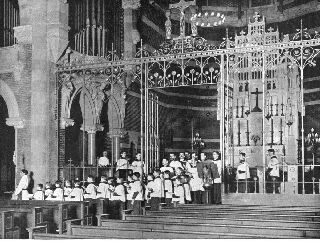
The weekend started off in high style with evensong on Friday night at the Church of the Advent on Beacon Hill in Boston.  In addition to including one of my favorite hymn arrangements (Ralph Vaughan Williams’s version of Old 100th “All people that on earth do dwell”) the service also featured an anthem that was commissioned by the Pym Society to mark Pym’s centenary. The anthem was one of Barbara’s favorite hymns “God Moves In A Mysterious Way” set to music by composer Rodney Lister. The evensong service itself was more Anglo-Catholic than the typical Anglican service one usually encounters in England. Although there is some disagreement as to just how high a service Pym preferred, her characters tend to prefer an incense laden version that reminded me quite a lot of my Roman Catholic childhood.

After the service we all headed down to the church basement for dinner. On the way there, I stumbled across a sign on a door that had me kicking myself for not having a camera with me. It was something about not letting Simon the church cat outside as he was still too young. Anyone who reads or knows Simon at Stuck in a Book will understand me when I say that I took the sign as a good omen for the weekend. The food at dinner was quite delicious. Perhaps the highlight for me was finally tasting cauliflower cheese (a kind of cheesy cauliflower au gratin) that featured so memorably in Some Tame Gazelle. This cauliflower cheese was garnished with a worm made of green grapes in further homage to STG.

It was clear from this first encounter with the die hard Pym fans in attendance that the weekend was going to be lots of fun. Oh to be in a room full of like-minded readers. The papers presented over the course of the weekend where plenty academic but did not diminish the warmth and fellowship that pervaded the conference.

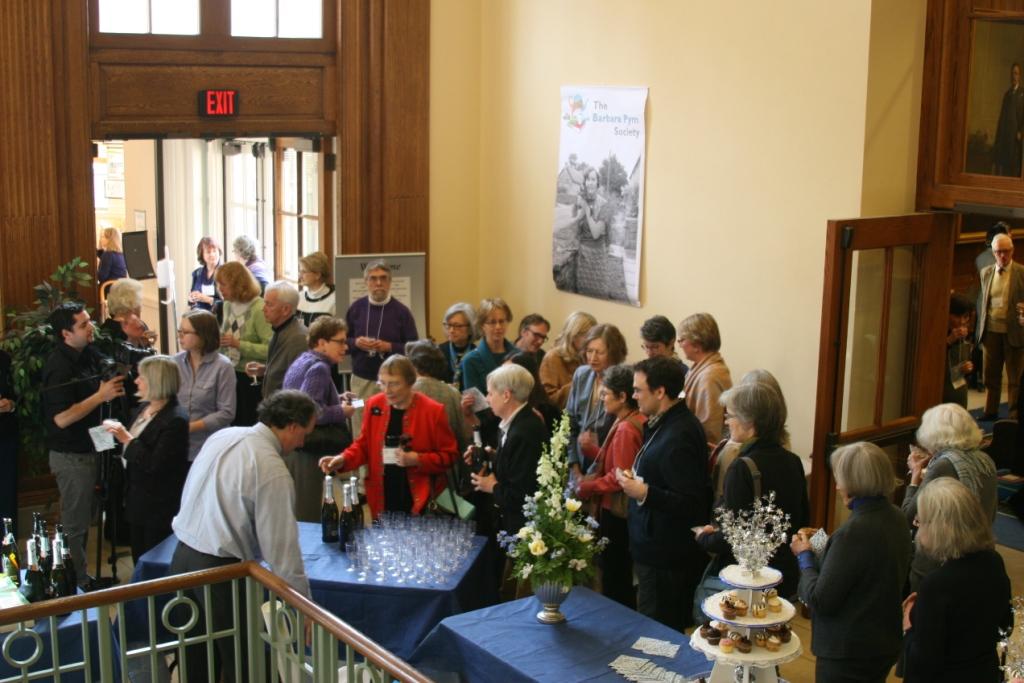
There is much more I could say, but I save it for Barbara Pym Reading Week which is June 1st to 8th.  Until then, here are some pictures.

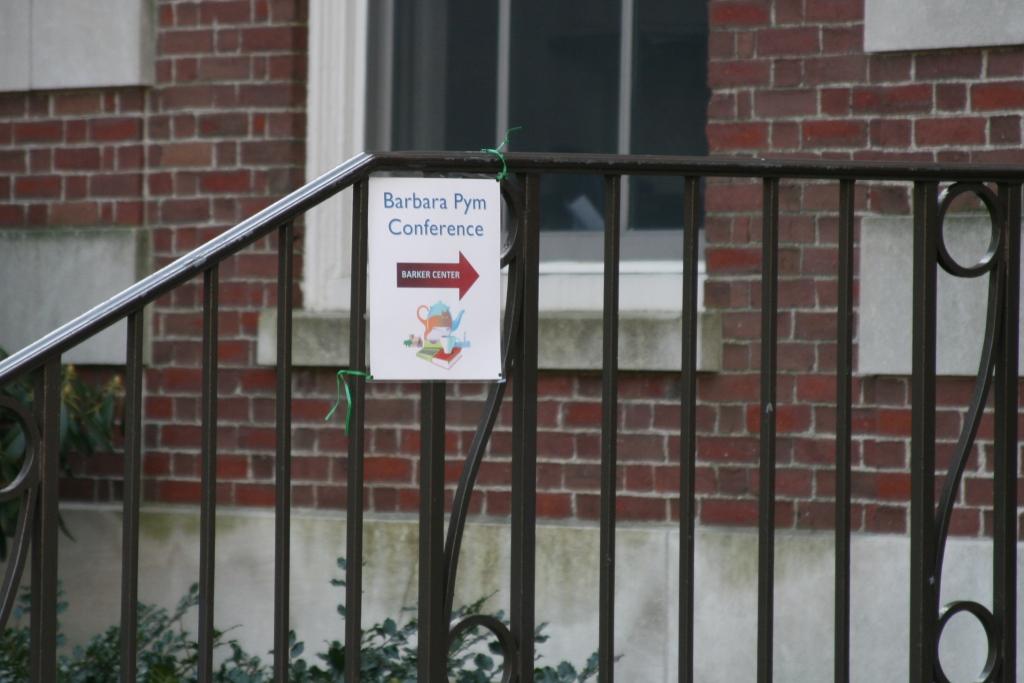
The conference was held at the Barker Center at Harvard.

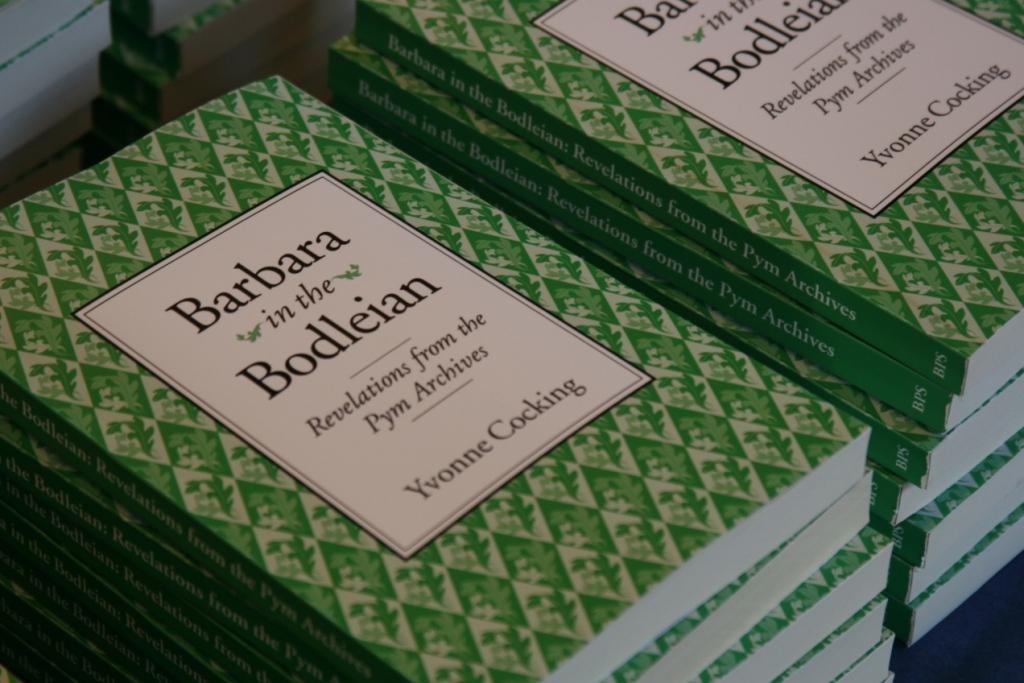
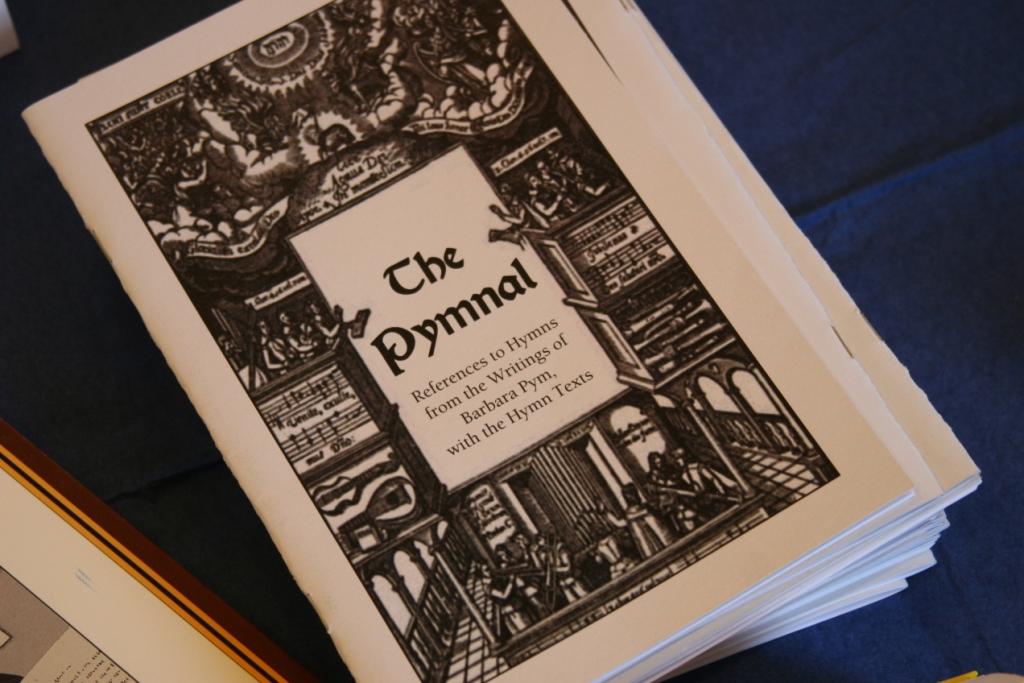
Hot off the presses. Ms. Cocking gave a presentation about the poetry by Pym and her friends that is sprinkled throughout Pym’s papers at the Bodleian Library at Oxford. She even had wonderful readers who recited excerpts of the poetry.


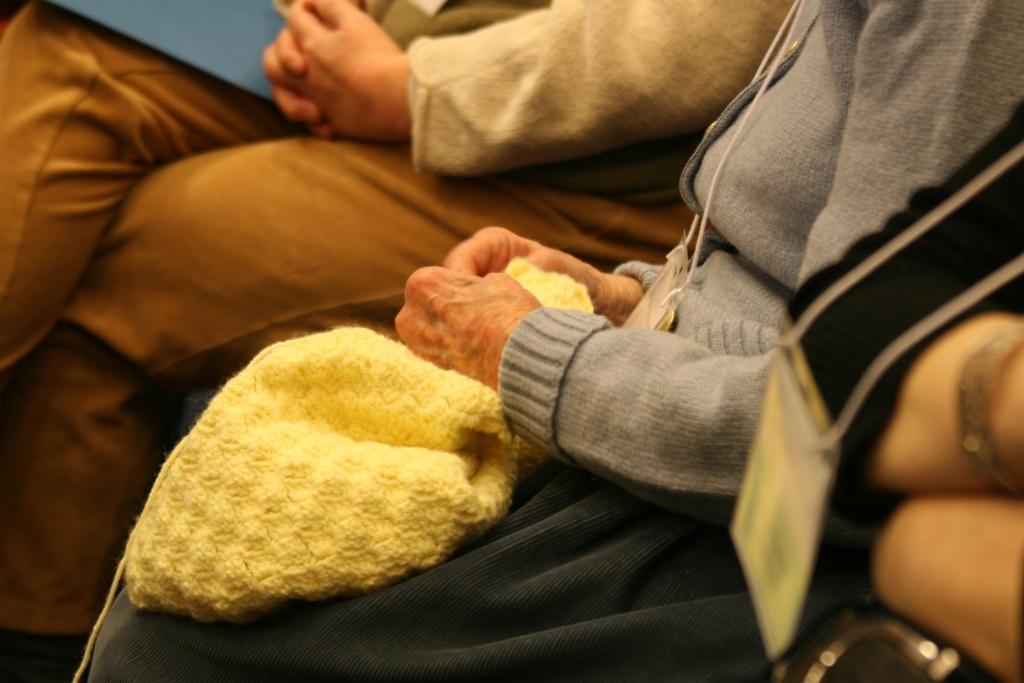
I counted three knitters, a quilter, a crocheter (shown above) and an embroiderer.

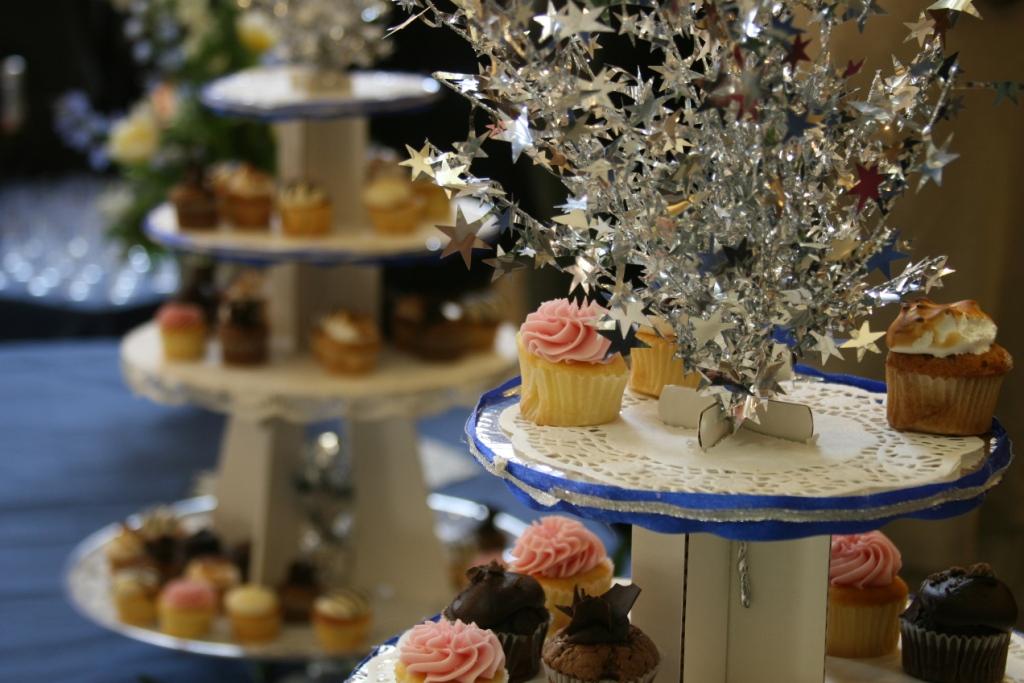
There was a birthday party to celebrate Pym’s centenary as well as the release of Cocking’s book.

With a capacity of 100 for the conference, there was a waiting list. I am glad I registered early.

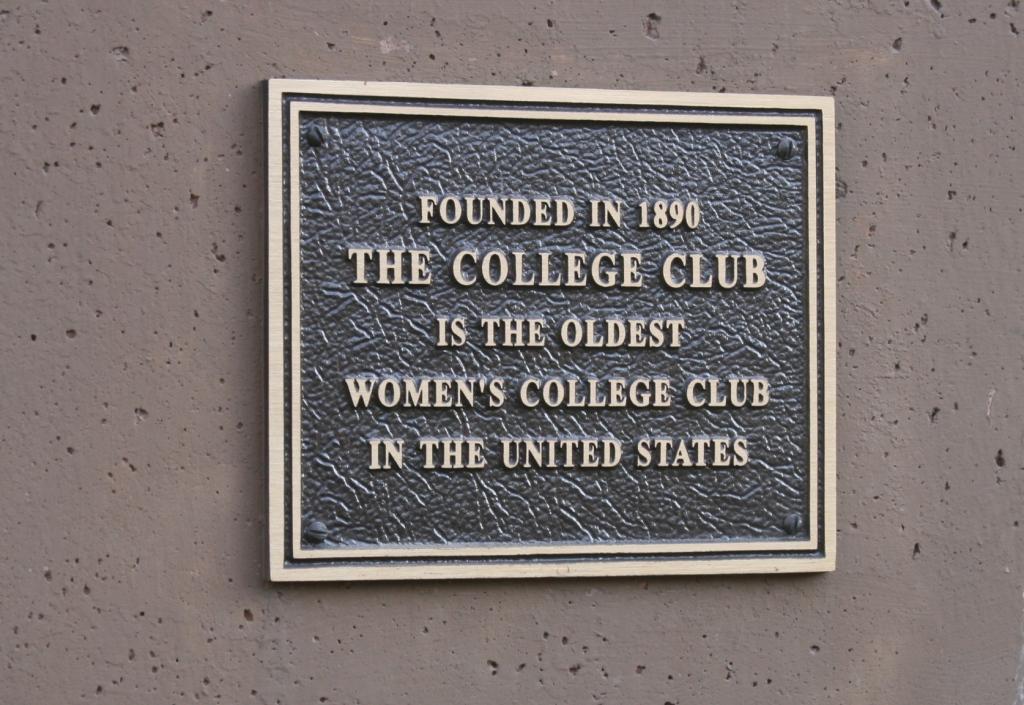
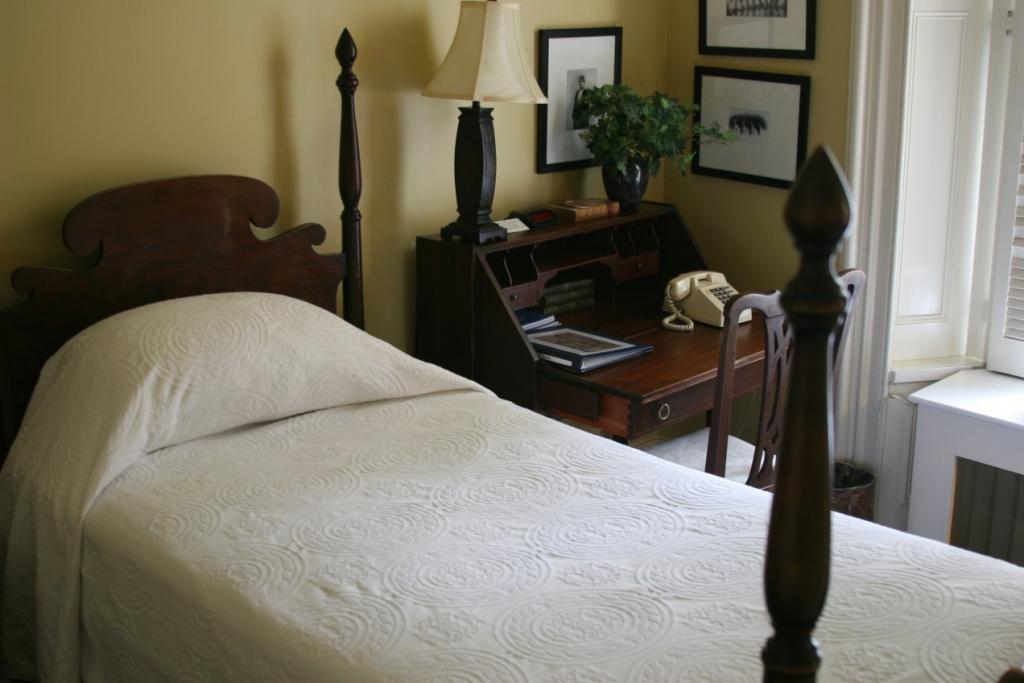
When I was looking for a place to stay I came across The College Club which has a B&B. It seemed a fitting place to stay while attending a Barbara Pym conference.

Rather than get a double room with an en suite bath, it seemed more Pymsian to get a single with a shared bath. Unfortunately, the one person I shared the bath with was not particularly considerate. But I loved my cosy little room.

Weekend Checklist

1. Fly to Boston

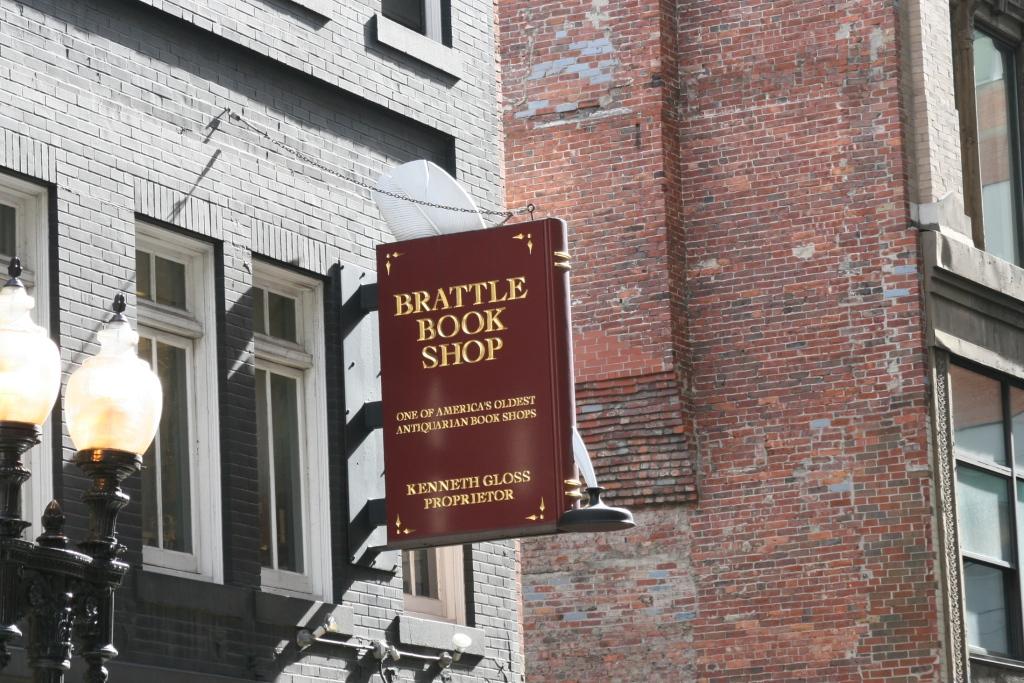
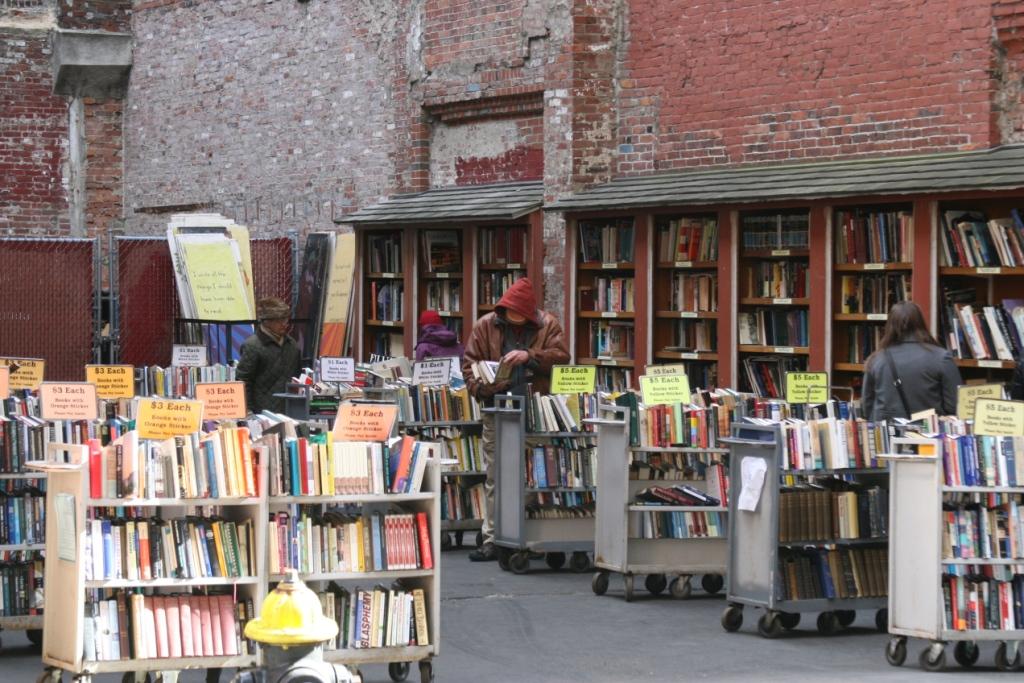
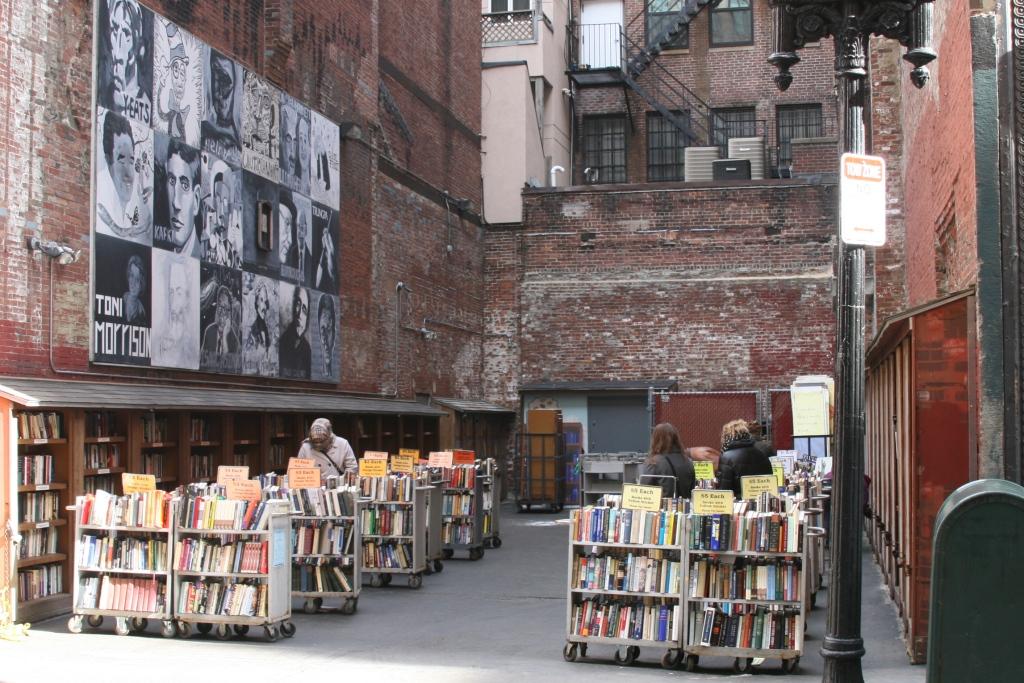
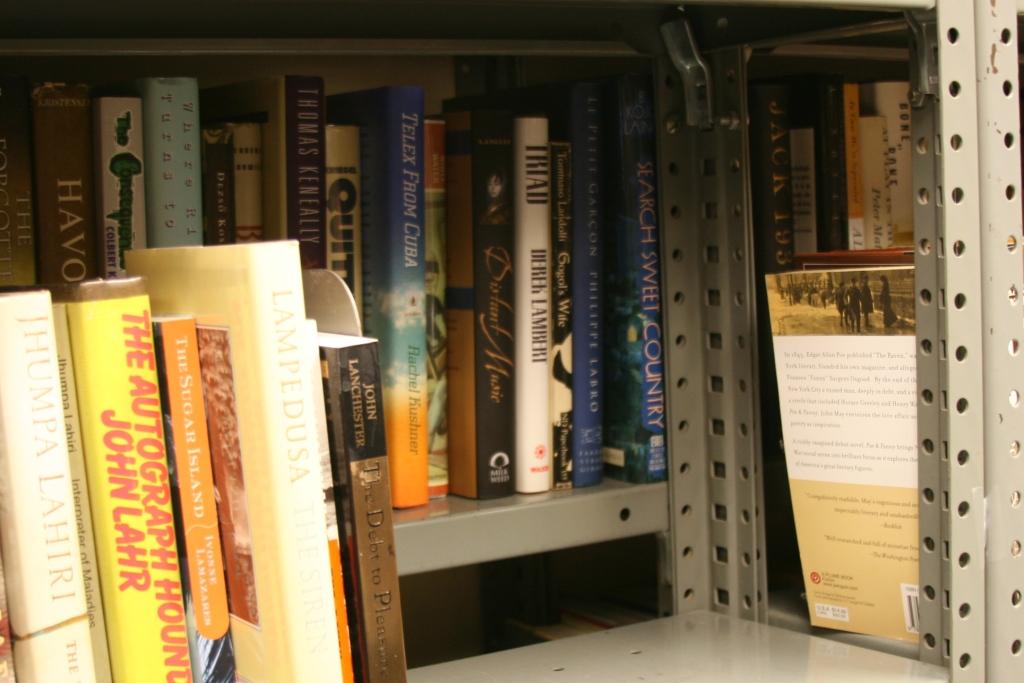
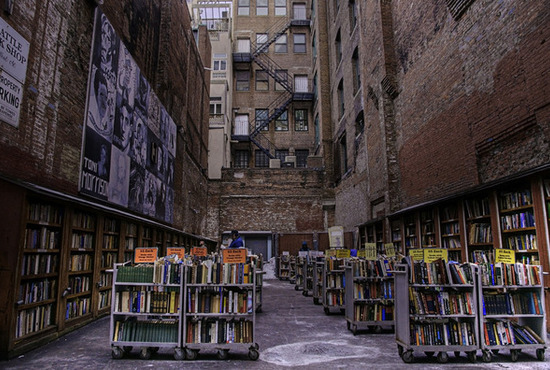
2. Go to Brattle Book Shop (thanks to Joan K.)


I’m not sure this outdoor part of Brattle Book Shop is open in March.

3. 2-hour massage

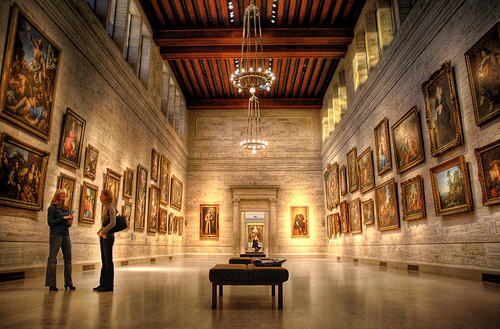
4. Isabella Stewart Gardner Museum

5. Museum of Fine Arts

6. Solemn Evensong at the Church of the Advent

7. Barbara Pym Society Annual Conference (my first time attending)

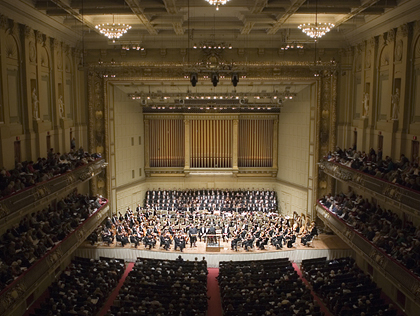
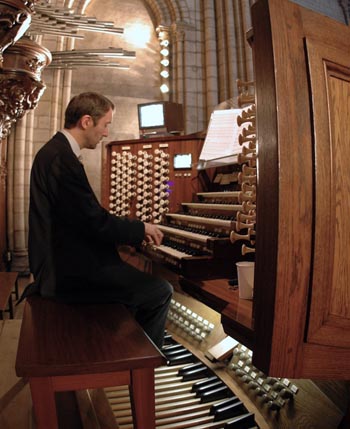
8. Boston Symphony Orchestra with Olivier Latry on the organ playing Saint-Saens Third Symphony

9. Meet a penpal I have had for 28 years for the first time.

10. Test Liz Lemon’s theory that all the women at the St. Patrick’s Day parade are called Meagan

11. Fly home

Want to go to a book sale?


Scene from the Tompkins County Friends of the Library book sale in Ithaca, NY.
(copyright Eric Stewart Photography)

Yesterday I was really in the mood to go to a book sale. Not a bookstore, but a book sale. One of those events where there are just tables and tables of books for sale. I knew there were a few coming up in the DC area but I didn’t know when or even where. And then I stumbled on Book Sale Finder. I can’t believe I didn’t know about this website. If you live in the US or Canada, you really need to check it out. It really makes me want to gas up the car and travel around doing nothing but going to book sales. There was nothing of interest for me yesterday but I marked my calendar for a few upcoming sales. Unfortunately, there are three pretty big ones next weekend here in DC but I will be at the Barbara Pym Society conference in Boston. Oh well, when it rains it pours.

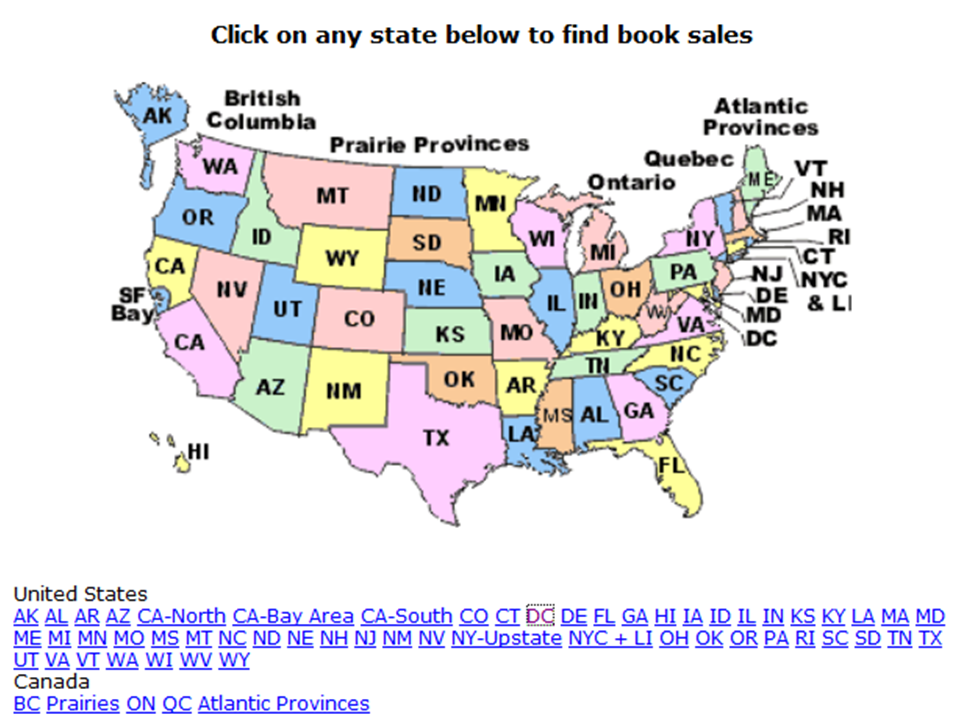
So how does it work?

First, choose your location.

Then you can browse by date and link to sales that catch your interest. I’ve circled the big book sale that goes on twice a year in Ithaca, New York sponsored by the Friends of the Tompkins County Library. When I lived in Ithaca for grad school I couldn’t really spend much money on books so I have never really gotten to go hog wild at this mammoth sale.

 Then when you click through to the link, it gives you more details on the sale.

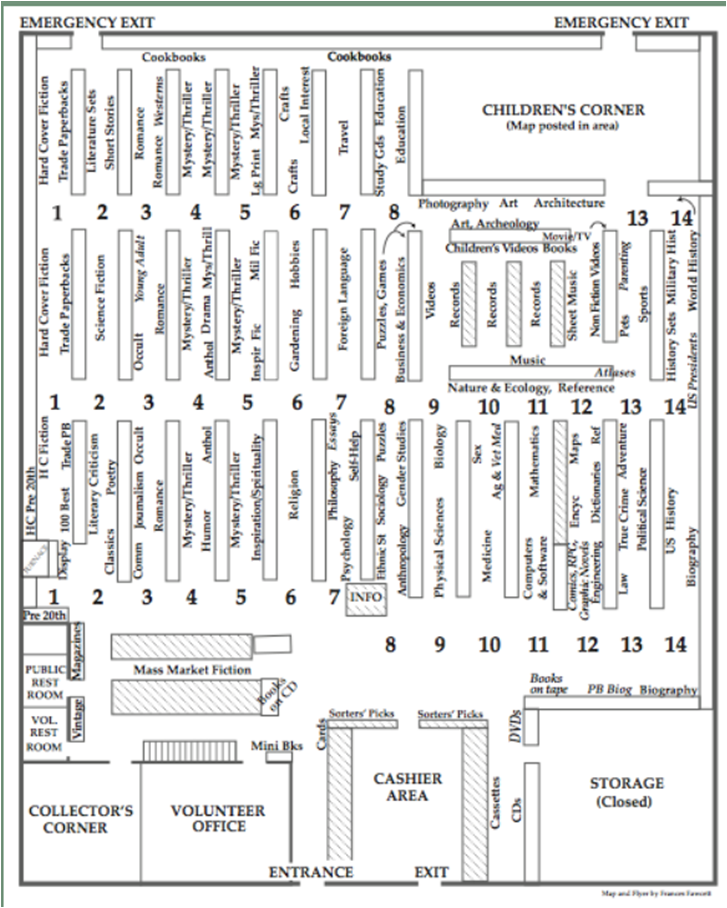
When you click through to the sale website you can take a look at a map of the sales floor.

Maybe JoAnn from Lakeside Musing and I need to meet up for the sale in May?

Shiny Happy Volunteers.
(Photo from the Friends of the Tompkins County Library Facebook Page)

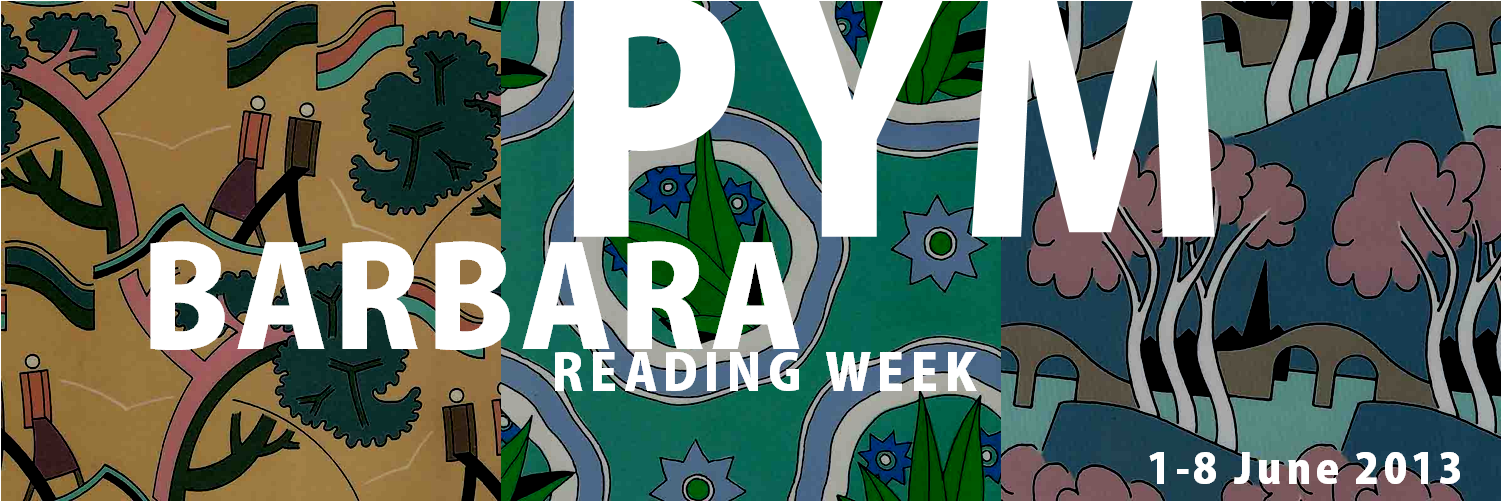
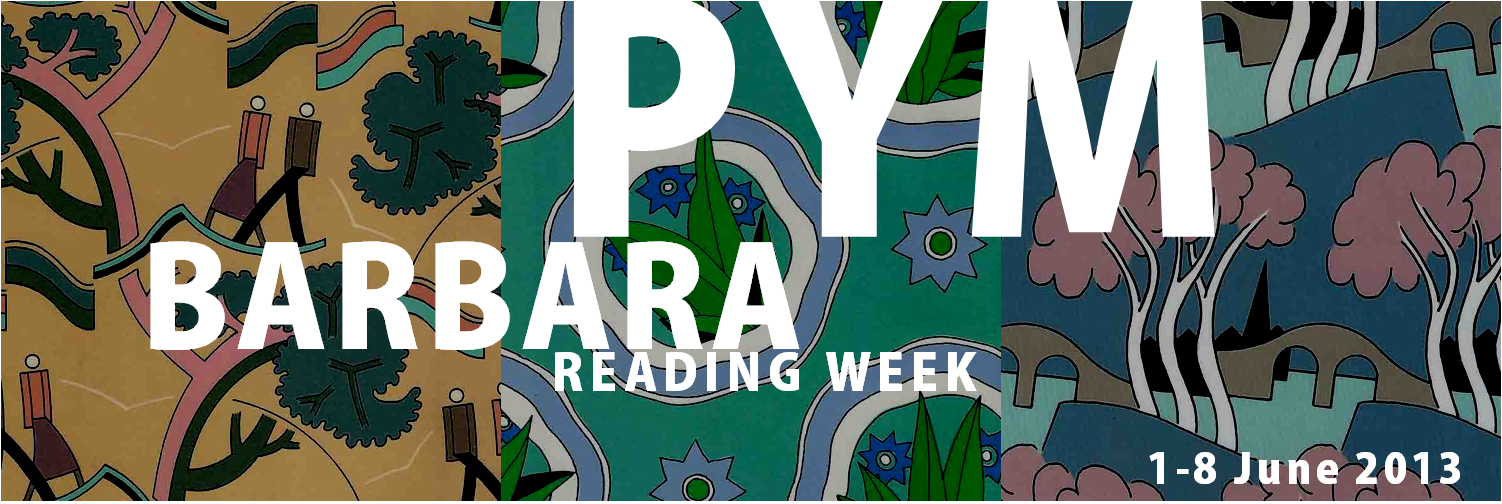
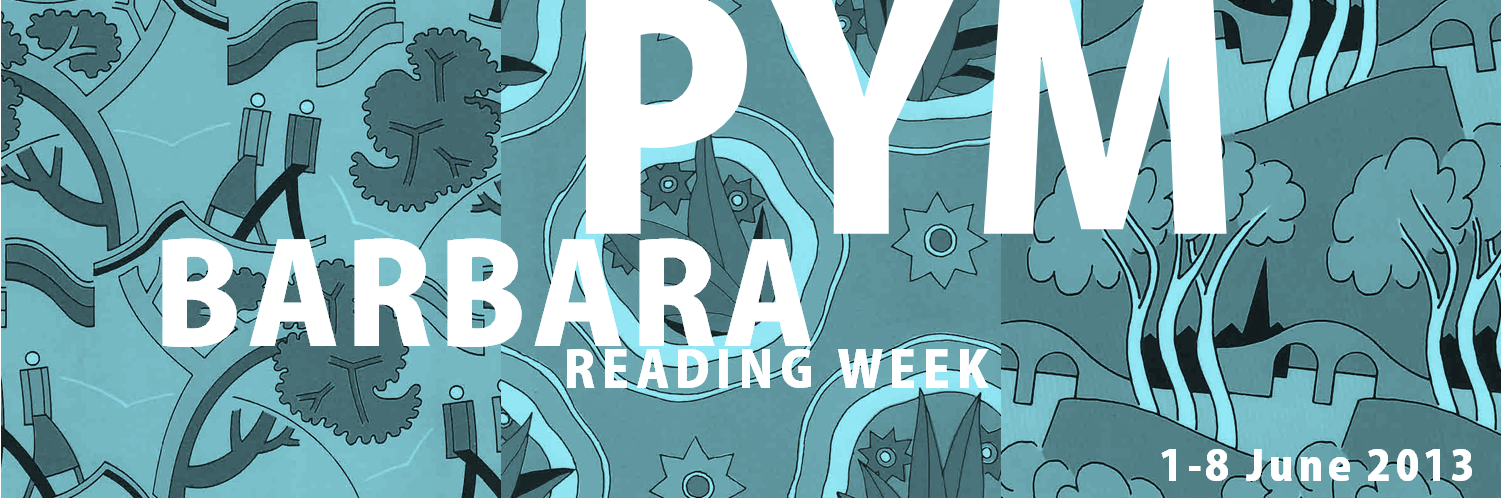
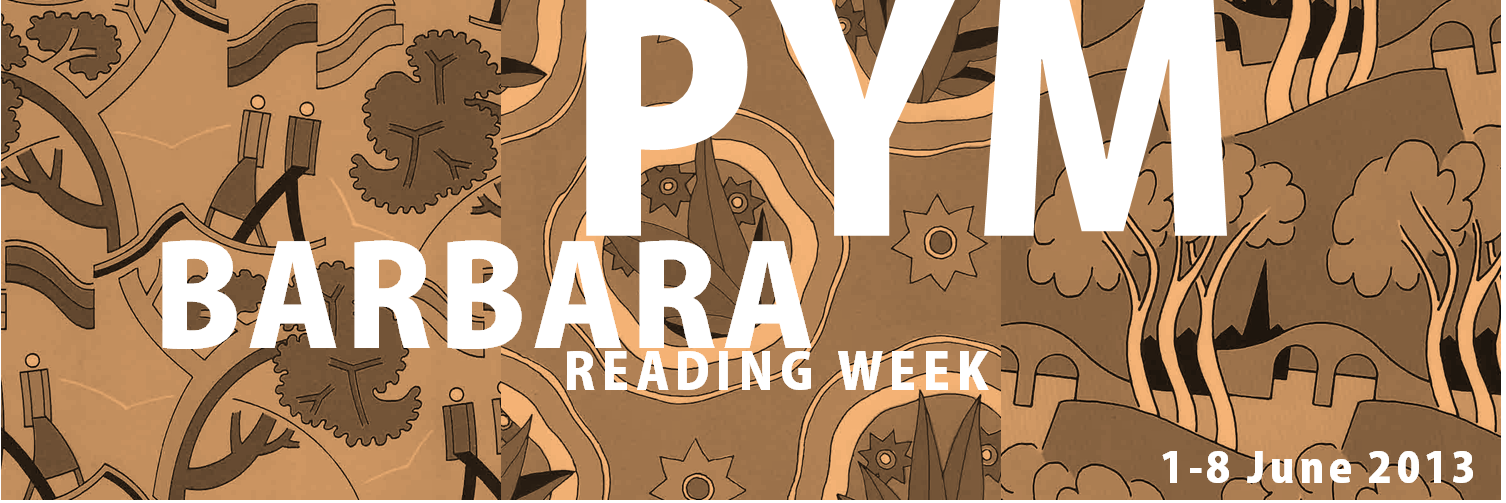
The Barbara Pym buttons are here!

 
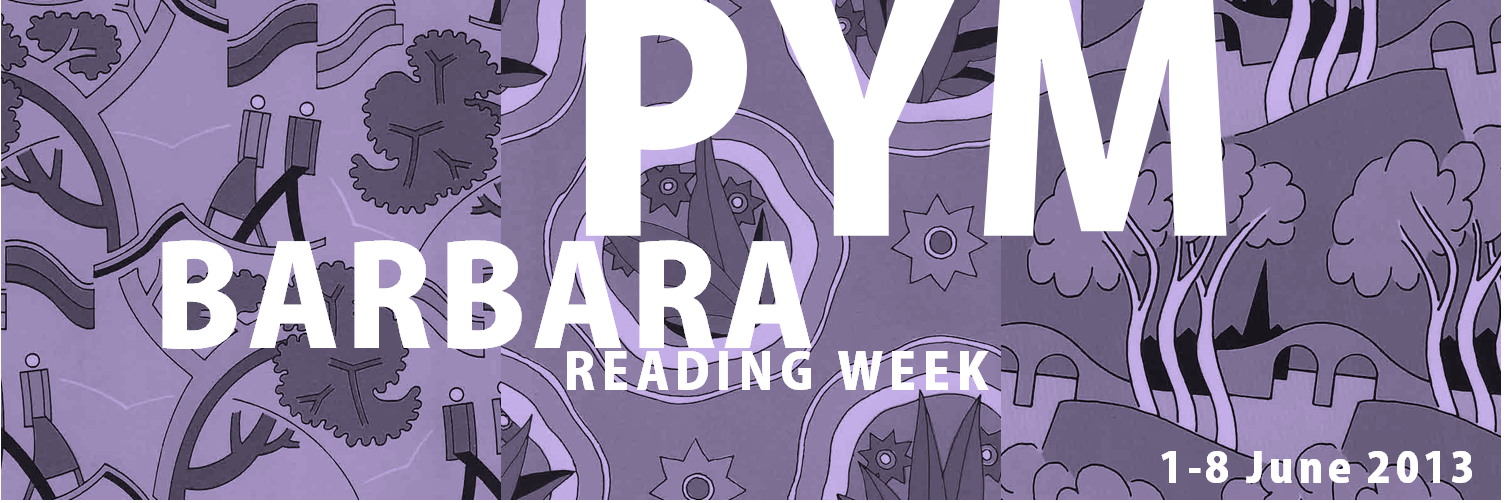
When Amanda (@nerdybookgirl) and I announced back in December that we were going to host a reading week to honor the centenary of the birth of Barbara Pym, all I could think was that I hadn’t made an official button/banner/badge yet. I was in the throes of finishing a really big project and Amanda was busy getting ready to have her daughter Persephone. My really big project was for work so I couldn’t very well set it aside in favor of playing around with a Barbara Pym button.

When I finally decided to give it a go last week I have to admit that I was stumped for ideas. In the past I have used collages of book covers and author photos, but neither of those were really speaking to me this time. Then, as I stared at my collection of Pym’s work I realized my inspiration was staring right back at me. All of the Dutton editions feature very distinctive patterns that I have always found rather Pymsian and I thouhght they would make a great background.

The reading week itself should be tons of fun. Not sure yet if we will have an official sign-up or not, but I can tell you that there will a week full of Pym-related posts, links to all of you who are taking part, giveaways, and perhaps even a contest (most Pymsian cardigan perhaps?).

I was tempted not to include the multi-color version, but then I thought some of you may want to see the orginal color schemes. So here they are are. Use them in good health!

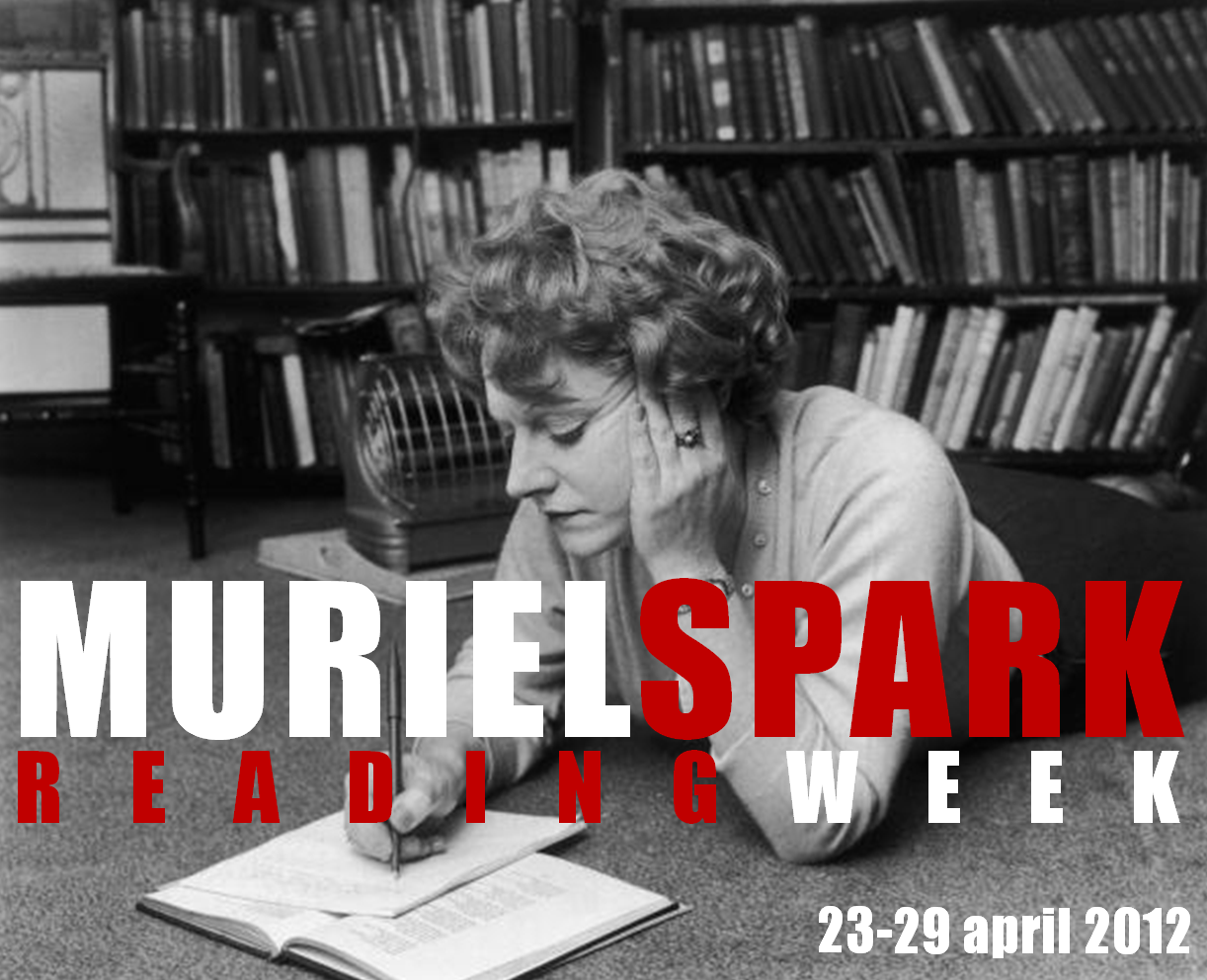
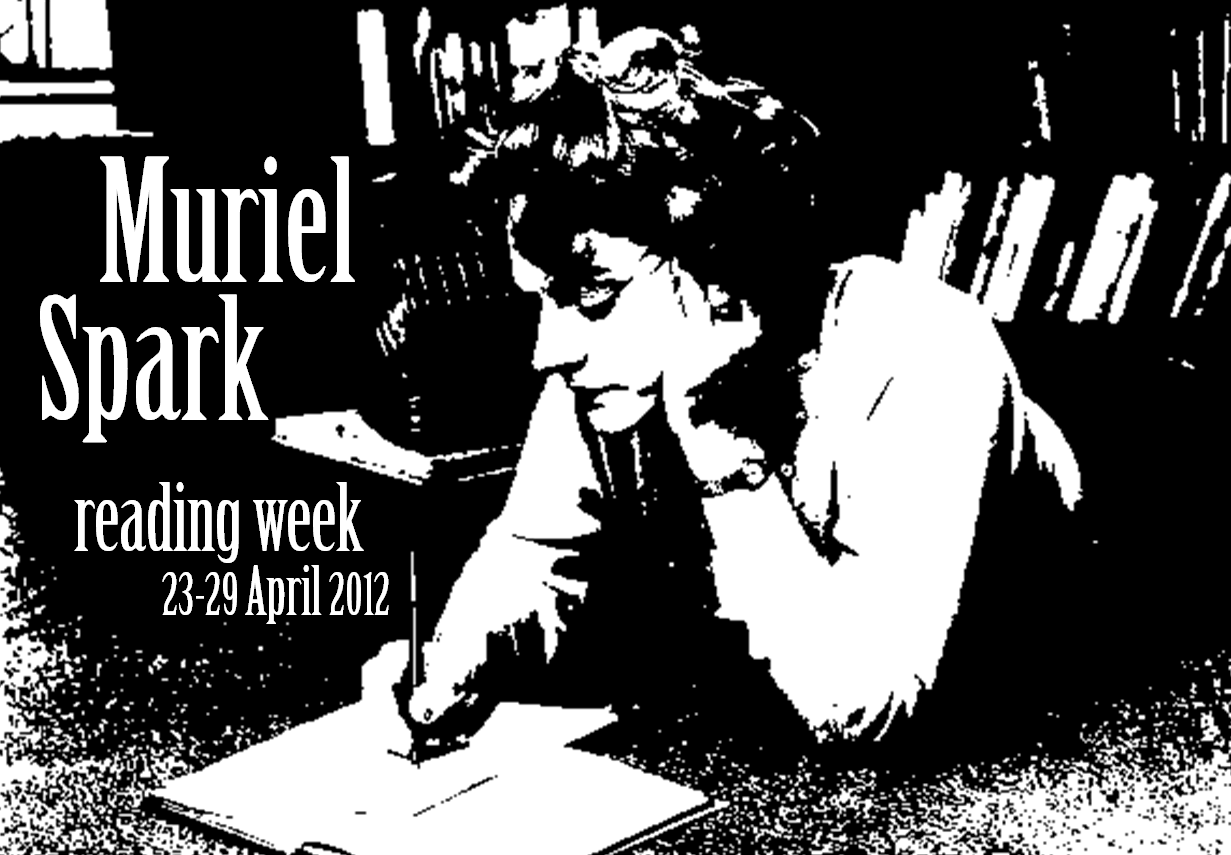
Here are some of my past efforts. The first three I did for myself, the Virago, Daphne, and Muriel Spark buttons were done for other bloggers.

I think I need to resurrect this feature.

An early effort of mine. So bush league that I didn’t crop it properly on the left so there is extra white space.

A slight variation of this is the one that was chosen by the hosts.

Rejected design.

Rejected design.
I was kind of trying to make this look like a 1950s/1960s album cover. The way Spark is posed (in her sweater set) made me think of a young woman of that era writing in her diary while she listens to the hi-fi.

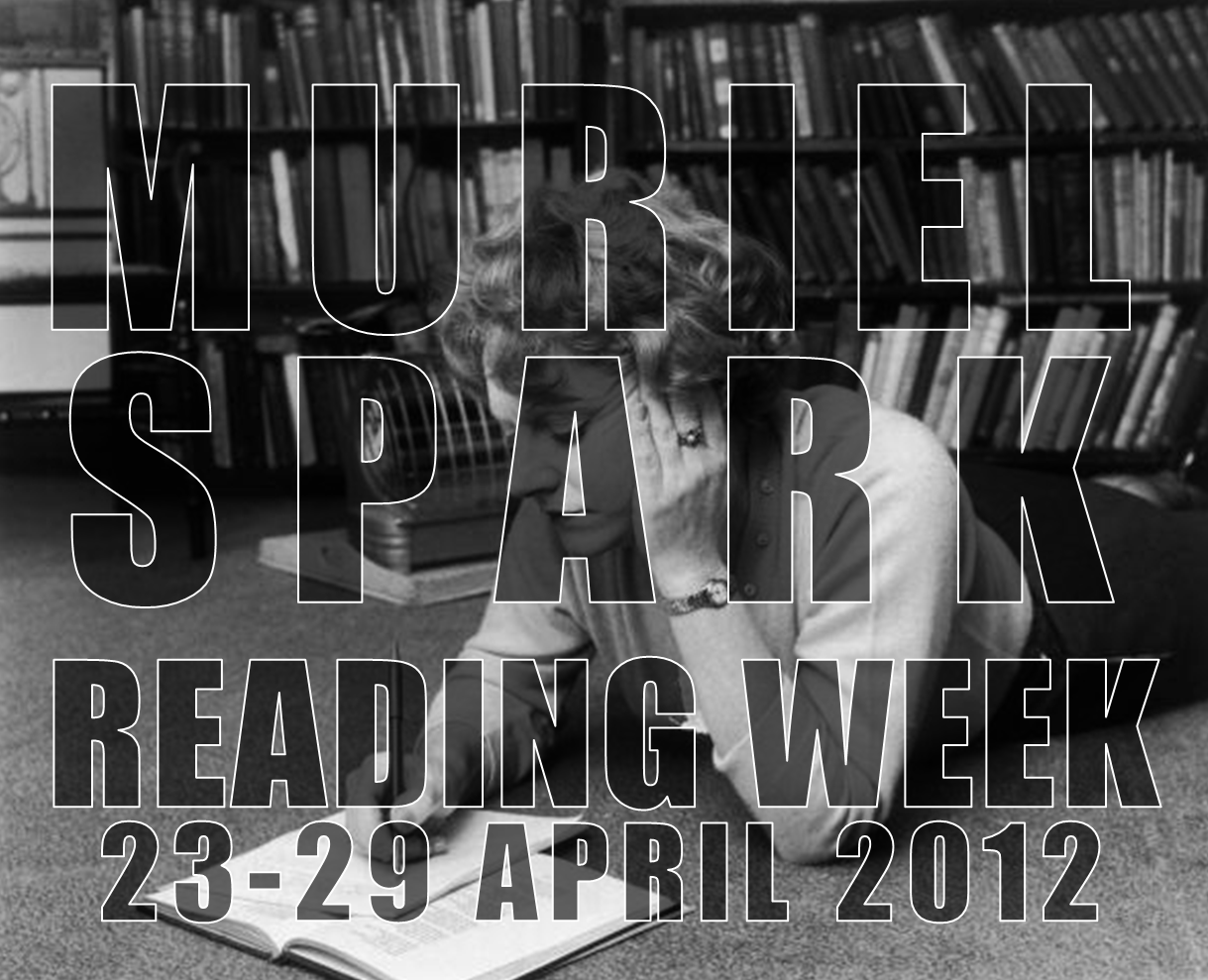
Rejected design.
Going for something that suggested Sparks darker, more gothic side.

The chosen design.

Rejected design.
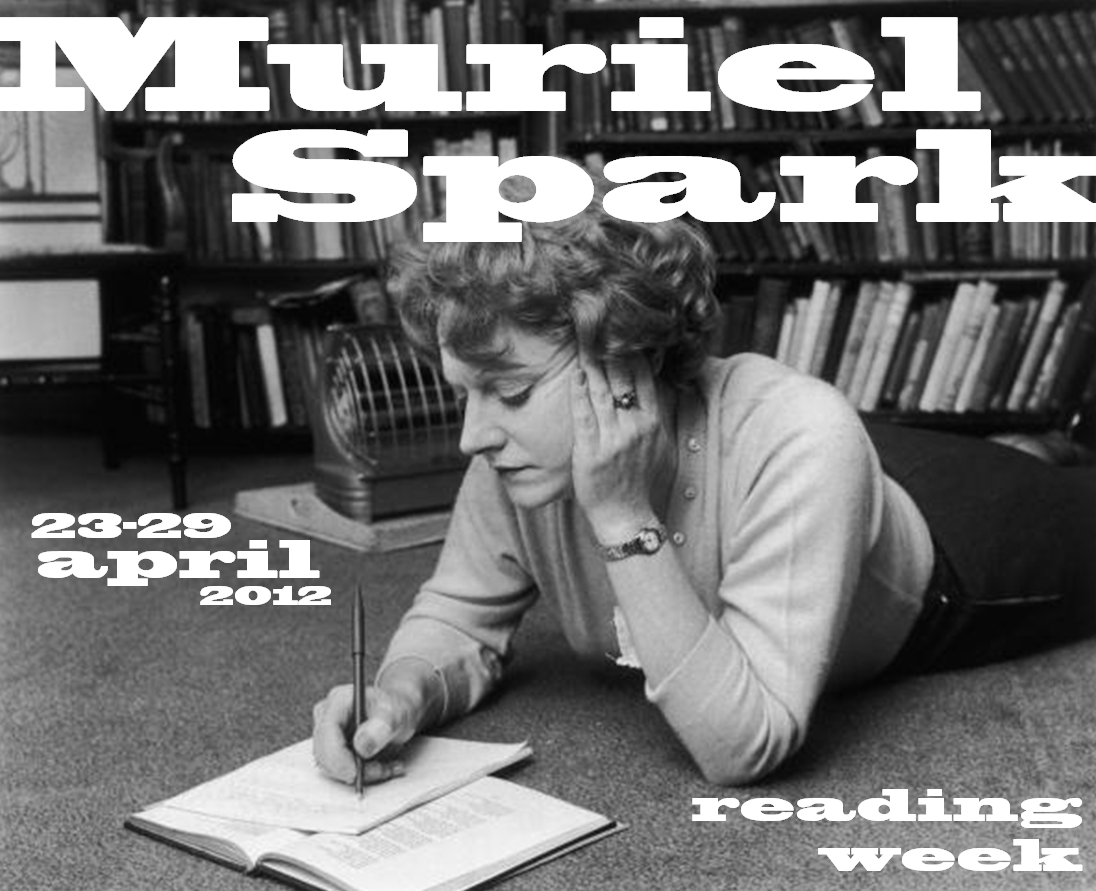
This one is kind of boring. With the font and the quality of the photo I was going for a New York Times feature kind of vibe. I am pretty sure that is the font they use, or close to it.

Rejected design.
I can see now this one is kind of weak. The typewriter in the photo suggested this font.

Three fantastic books and one dud


It has been awhile since I got lost in a page-turner. I read plenty of enjoyable books but not many of them reach true page-turner status. Recently I came across three of them almost in a row. I will start with the dud.

Young Torless by Robert Musil
This slender book filled a niche in my Century of Reading list, and let me just say, if it were not for that list, I would not have finished it. Violent and surprisingly homoerotic for 1906, Young Torless is schoolboy bullying, torture, and rape masquerading as philosophical exegesis. I found it tedious and disturbing.

Cryptonomicon by Neal Stephenson
I have avoided this book since it was published in 1999 because of both its size and a feeling that it might be too mathematical for me. I probably made the right decision fourteen years ago, but the older, more mature Thomas can handle, even appreciate, a little math and science in his fiction. It is a truly fascinating book from so many perspectives. Many characters, one storyline in WWII and one in the tech frenzy of the late 1990s. (From today’s vantage point the bits from the 1990s feel just as much like historical fiction as the WWII parts.) I thought this was a great mix of detail, character, and plot and it achieved page-turner status, something, given the aforementioned biases, I didn’t expect. Definitely worth a go. I think if you apply the Nancy Pearl 50-page rule, you aren’t likely to set it aside. I would even hazard to say that you could apply a 25-page rule with the same result.

Patricia Brent, Spinster by Herbert Jenkins
This one comes close to Miss Buncle status for me. An absolutely delightful idea for a book that reminded me in a tiny way of the George Glass episode of The Brady Bunch where Jan is tired of everyone thinking she is a lonely loser so she makes up a boyfriend. That is exactly what Patricia Brent does, except it is 1918 London, not 1970s California. And like Frank Baker’s Miss Hargreaves, Patricia’s lie becomes real–although without the supernatural elements of the Baker–and many complications ensue. This out of print (I think) gem has Persephone written all over it.  If you find a copy snap it up. I was lucky enough to get mine from British expat Roz who some of you know.

Martin Eden by Jack London
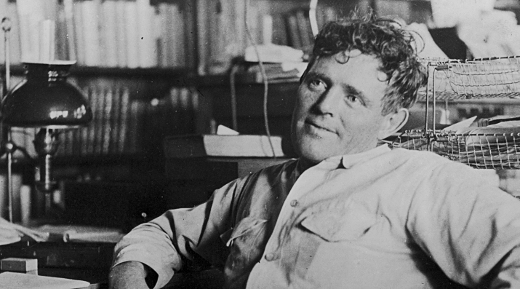
This is not your grandfather’s Jack London. No hints of White Fang or To Build a Fire in this one. This might be my favorite book so far for 2013. I loved it, couldn’t put it down, and continue to think of it. Our hero Martin Eden is a rough and tumble working class sailor from the San Francisco Bay area who is introduced into a middle class family and falls in love with books and middle class daughter Ruth. It is a bit of a literary Pygmalion story. Bibliophiles will love watching Martin discover the world of reading and learning in general, and his efforts to become a writer. Published in 1909, it is also a fascinating look at the publishing trade around that time.

So often in books that chronicle young men making their way in the world they run to drink, gambling, loose women, or some combination of the three. And while those elements make for what many people consider a good story, I am someone who likes to read about people working hard, sticking to the straight and narrow, and avoiding bad things. The fantastic thing about this book is that although there are complications along the way, the crisis is left until very late in the book and is far more interesting than the more commonly depicted problems of drink and debt and such. London is definitely saying something about class in Martin Eden but it never feels heavy handed.

Other things to love about Martin Eden include the 1909 snapshot of the Bay area as well as Hawaii and other locales described, as well as the way that London is able to describe the erotic heat between Martin and Ruth without ever really writing anything erotic.

I loved, loved, loved this book. Not to compare everything to our beloved Persephone Books, but I feel like if they went back in time and asked Jack London to write something for them to publish, this is the book he would have written. Go find it!

Which living author would I love?

  
Twitter gives and it takes. On the one hand it has connected me with some really interesting people, on the other hand it has the potential to take up time that I should use for reading. So far, I mainly tweet while watching TV so I guess that is good mutitasking.

Perhaps the best part is that bookish people seem to love Twitter. I am amazed at how quickly one can make “friends” using the platform, much faster than Facebook or blogging. Among those I have already “met” is a DC author who has her first novel coming out this spring from Penguin.

So this morning Melissa (@AvidReader12) posted a provocative line that drew me to her blog Avid Reader’s Musings. She made a list of the top 10 living authors whose books she would buy without question and without fail. (I haven’t used the word meme because I know it annoys many of you…but if it looks like a duck and quack likes a duck…)

I decided to compile my list. Not surprisingly, I had a bit of hard time. I read so many authors who are no longer with us that I have sorely neglected the century in which we live. Even my list of live authors is a bit long in the tooth.

After looking at my list, perhaps you could let me know who I should add. Which living author am I missing out on? I really feel the need for some new blood. Like a corporation doing succession planning, I need to build up a back bench who can fill in when some of my favorites stop writing.

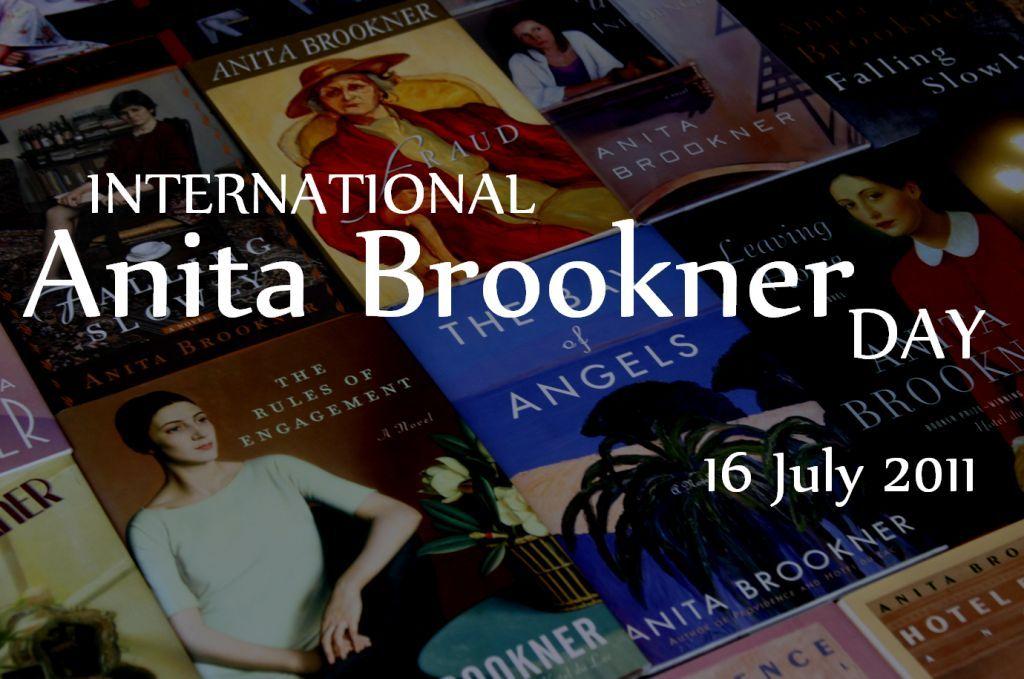
1. Anita Brookner (I think she may have already stopped)

2. Ann Patchett

3. Maggie O’Farrell

4. Margaret Atwood

5. Ward Just

6. Joshua Ferris

7. Tom Wolfe

8.

9. Ruth Reichl

10. Norman Lebrecht

I would like to add an honorary 11th postion and give it to Carol Shields, an author I used to buy without fail. But then she passed away far too young from breast cancer.

So, whom do I need to discover? (or is it “who”? I have tried to understand this grammar rule but so far it hasn’t sunk in.)

Also, in case you are so inclined you can follow me on Twitter @Thomasatmyporch . I really need to figure out how to add the buttons to my blog. So far I have been unsuccessful.

[UPDATE: Talk about poor proofreading, I listed Joshua Ferris twice.  I have a group of others that could potentially make the list, but since I don’t race out to get their latest, nor have I finished their backlists, I am going to leave them off and leave the spot blank.]

The Making of a Marchioness Spinoff

  
On Friday I was doing a little shopping in Georgetown. Walking west on P Street with its lovely original cobblestones and street car tracks still in place, I stumbled across The Lantern bookshop. It is a non-profit used bookshop that raises money for scholarships for women going to Bryn Mawr. I had known about the shop for years but I had never been there. Oddly, I thought I had been to it, but it turns out the one I thought was the Bryn Mawr shop was not the Bryn Mawr shop. And good thing too, because The Lantern is way better than the other one.

I almost didn’t go in because I was laden with shopping bags and it was raining and it just seemed like a bit of a hassle. But I was greatly rewarded. The two Bryn Mawr alums on duty were having tea and happy to keep an eye on my wettish bags while I went upstairs to check out the fiction section.
Let’s just say I found a few things.

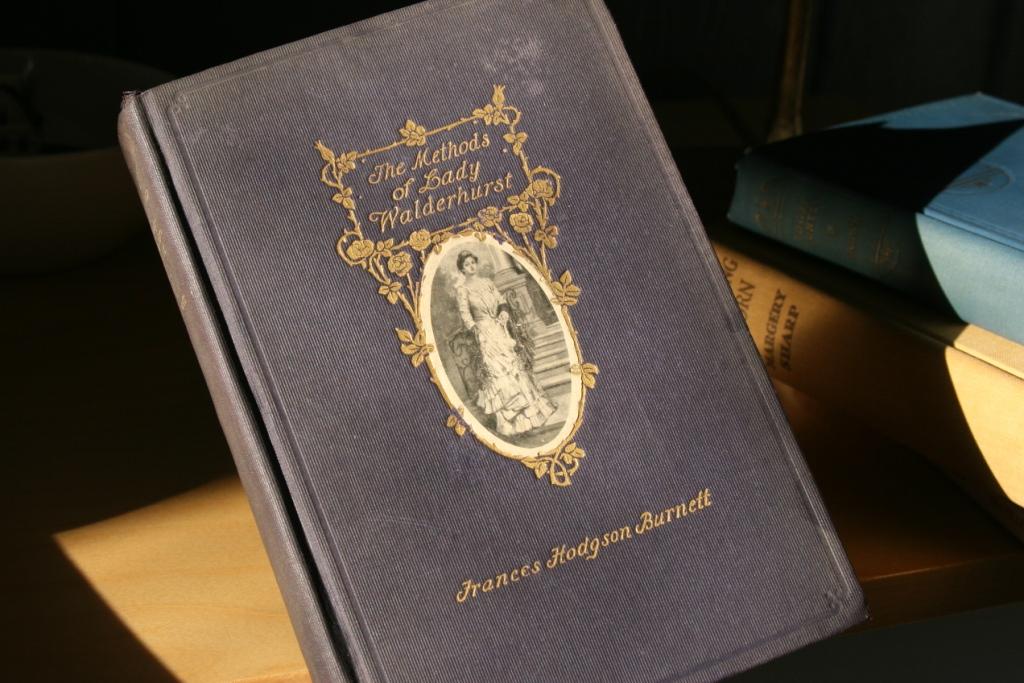
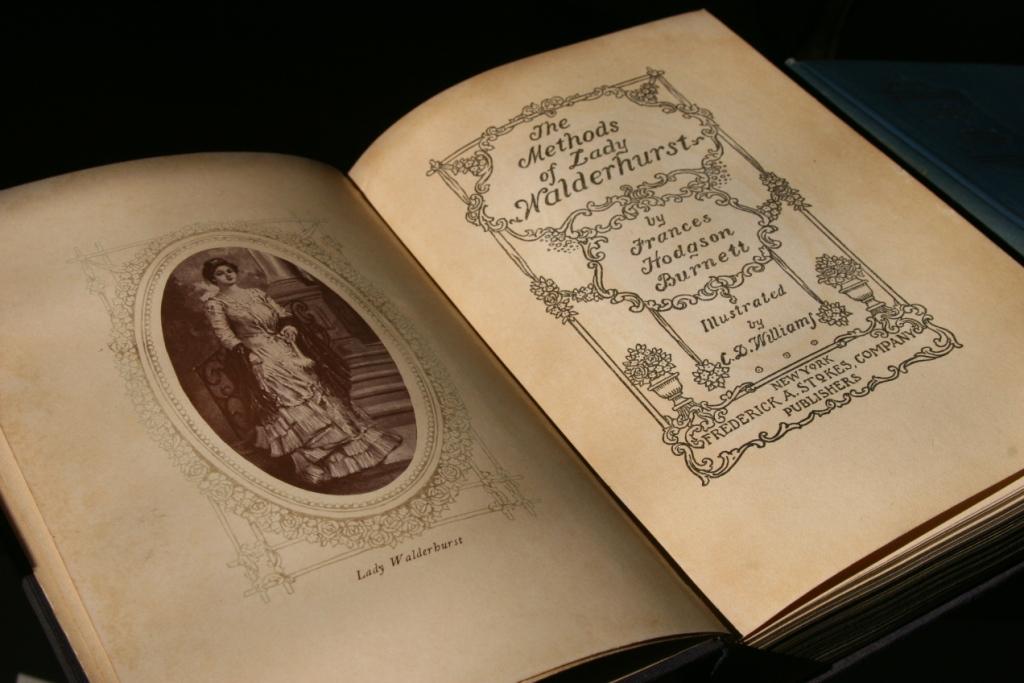
This little beauty from 1901 appears to be a spinoff of Burnett’s wonderful The Making of a Marchioness.

Normally I would pick up any Burnett novel I came across, but when I realized its relationship to
The Making of a Marchioness, my enthusiasm went up a few degrees.

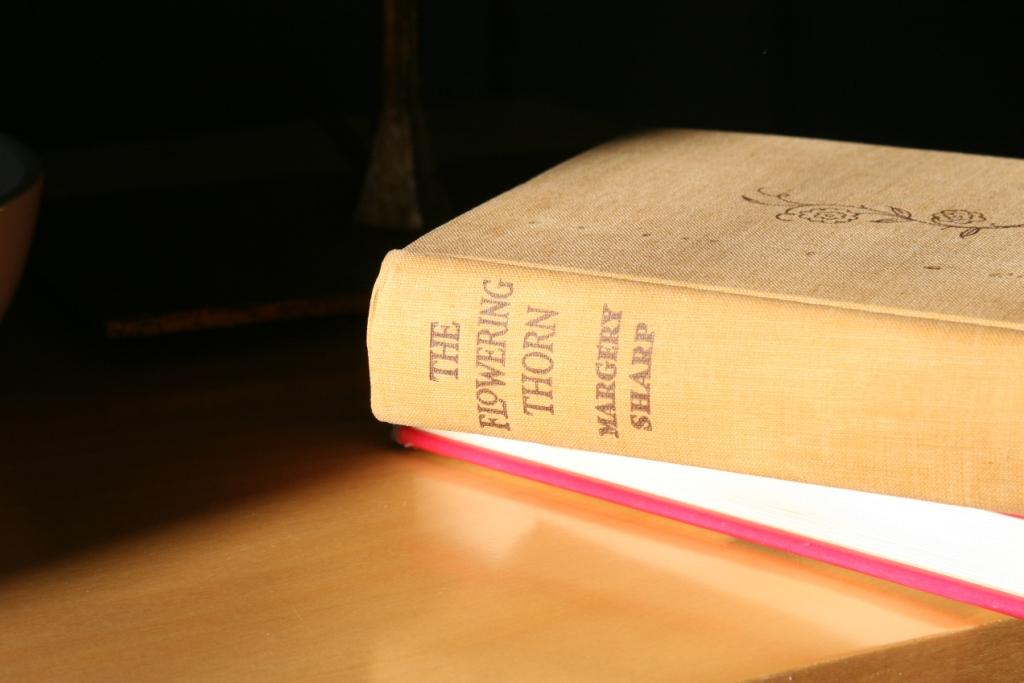
After reading Cluny Brown, I became a huge fan of Margery Sharp.

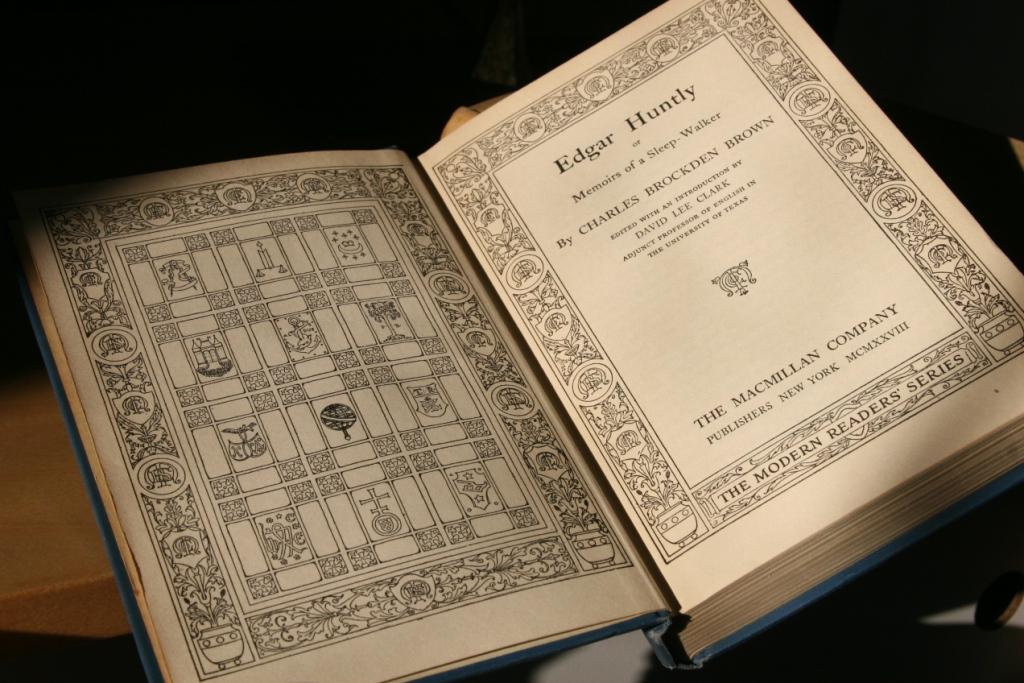
Charles Brockden Brown is often considered to be the father of American ficition. I read Edgar Huntly in 1996 when I was getting my Master’s degree in American Studies, but I remember nothing about it. I didn’t have much of a taste for early fiction (1799) back then but that has changed considerably so I look forward to reading this one again. (Don’t you love the illustration?)


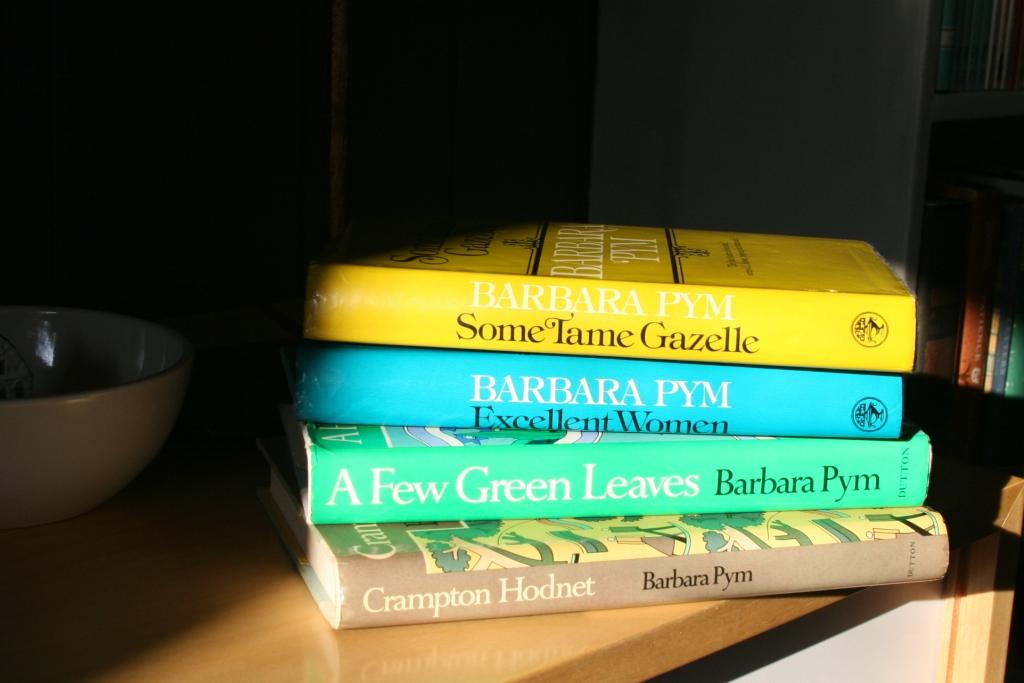
I couldn’t remember which Pyms I had at home but since these were all hardcovers I thought I would just buy them and worry about duplicates later. Happily, it turns out that I have none of these in hardcover. I might give away the duplicate paperbacks during Barbara Pym Reading Week, June 1-8.

Bits and Bobs (the almost finished edition)

  
My “book”
As I have  mentioned previously, my job for 2012 was to write a book-length history of a 160-year old insane asylum. I had a great time playing history detective for many months at the National Archives and then a much less great time writing about what I found. The text was largely finished by the end of the year, but I am now in the process of finding photos to help tell the story.

I have long had access to over a thousand digitized historcial photographs of the hospital which were always fun to comb through as part of my research. But this week I had the chance to go through hundreds of photos at the archives that are not digitized. It was so much fun discovering the contents of those archive boxes. The images I had access to previously focused almost exclusively on pictures of buildings and landscapes that were useful in the master planning and design work for the redvelopment of the 174-acre campus. So it wonderful finding photos of people and other signs of life that are absent from the architecture photos.

The history will be finished by the end of this week. My boss will do one final copy edit and then it will be “published” as a pdf document and available on the project website. (Budgets are such that there is no money to have the book printed at the moment. In fact, if Congress fails to stop the budget sequestration, I will likely be out of work in about twelve days.)

In case any of you are interested, I will post a link to the history when it is finished.

Some of the staff being very chummy. Undated photo circa 1908.

Nurses in very poofy hats.

Sun porch. The hospital was extremely overcrowded so it is unlikely that this was a typical day at the hospital.

A nurse administering one type of hydrotherapy. The therapy was really just a means to calm patients down and is unlikely to have had any curative effect.

Patients swaddled after hydrotherapy.
They may have enjoyed their bath or shower, but these wraps suggest full body straitjackets to me.

An attendent stands in the industrial shop where patients made wooden toys.

Dining room in one of the wards for African American females. I am mesmerized by the patients looking directly into the camera. Especially the woman in the middle.

My challenges
About half way done with the TBR Double Dog Dare which ends on April 1st. For me, anything that is on the downward slope of halfway counts as almost done.  With so many great “to be read” books on my shelves, this isn’t much of a challenge for me. That is until I went to a secondhand bookshop yesterday. The result was that I came home with a grocery bag full of delights and I really wanted to sit down and read a few of them. In particular, there were three or four novellas that were really speaking to me given that I am working through a 900 pager at the moment (more on that below). But I had to stick to the TBR dare so I quickly shelved them in their proper alphabetical homes. Dispersing the haul lessened their collective power over me. No doubt in a week or so I will forget they are there.

With only 35 books left to read on my A Century of Books list I am beginning to see the finish line fast approaching. I was hoping maybe to finish by the end of the TBR dare, but that is beginning to seem pretty close to impossible. No worries though, I’ve been reading a lot more this year than last and I think I will finish by the end of may for sure. And sooner if I stay away from Wilkie Collins.

My current read
Lately I have been working  my way through the Century list in chronological order. But for some reason Neal Stephenson’s Cryptonomicon all the way at the other end of the list (1999) was calling me like a siren. I was somewhat afraid of this book both because of its 909 pages and my notion that it might be too difficult for my relatively non-scientific mind to follow. But I have loved it almost from the get go. At page 550, as the right side of the book contines to get thinner and lighter, I can physically feel it heading into the home stretch. And I am even looking forward to writing a real review for this one.

Did Hermann Hesse invent bromance?


Armadale by Wilkie Collins
I think Wilkie Collins should be the patron saint of the Royal Mail and postal services in general. If his characters didn’t have use of the mail his whole oeuvre would be turned on its head and lots of villains would have gotten away with their crazy schemes. And it just so happens that all of the letter writing is one of my favorite things about Collins.

In Armadale there really isn’t one big mystery, but several with lots of twists and turns along the way. Would Allen Armadale ever find out about Allen Armadale? Would Lydia’s secret past come out? Would Lydia get away with her scheme? Would Miss Milroy be married before she graduates out of her training bra?

If you haven’t read Collins yet, you really are missing out. Six hundred pages fly by pretty quickly. Out of the three of his that I have read I would still rank The Woman in White as my favorite, Armadale now comes in second and No Name is a somewhat distant third. Many people tell me Moonstone is their favorite so the next time I am in the mood for a little Wilkie and cookies I will give that one a go.

Peter Camenzind by Hermann Hesse
I loved this novel. It isn’t necessarily a book that grabs one and says “I am great”, but there was much about it that really connected with me emotionally. Basically the story of Peter C’s childhood, university days, and career as writer/journalist. I was particularly struck by his university days. There was something about the way Hesse wrote about them that really transported me to my own undergraduate days. There was nothing superficially similar about our experiences, quite the opposite in fact. But there was a quality that deeply reminded me of something…something that I can’t really put my finger on, but pretty fundamental to that period of my life.

Beyond the emotional connection to my youth I was also struck by a scene where Peter’s attitude toward a disabled man was transformed and results in a deeply meaningful relationship between the two. It was unexpected and very touching.

When I was in high school I first stumbled across Hermann Hesse’s name when I was reading some modern gay novel–I think it was Edmund White’s A Boy’s Own Story–in which is mentioned the sexually ambiguous quality of Hesse’s books. As a young village gay (hat tip to Little Britain) in the mid-1980s I was always looking for reading material that spoke to my still secret identity. I ended up reading a lot of Hesse and he does provide a lot of (platonic) male friendships that gave comfort to a sixteen year old hoping to have that kind of connection with another male. Well, except for the platonic part–I wanted romance not bromance.

The fact that most of Hesse’s protagonists are book-reading, school-loving, culture hounds also makes him a very attractive author for me. I really need to go back and re-read Narcissus and Goldmund which was a favorite of mine almost thirty years ago.

Overall, a fantastic way to cross 1904 off of my Century of Books list — and so much more modern than the books that surround it on the list.

The Duel by Alexander Kuprin
For some reason this 300-something page book is part of Melville House Publishing’s Art of the Novella series. Perhaps because the publishers think that if the novel had been edited properly it would have been at least a hundred pages shorter. That explanation seems highly unlikely, but it does begin to desceibe how I felt about this book. It really didn’t need to be so long. But I guess in a world of Russian writing where the greats (like War and Peace) can clock in at 1,300 pages, maybe this does qualify as a novella. In any case, I was not a fan. It just seemed so of a piece. Soldier perpetually short of cash tries to continue to party and woo and control his temper. (And do married Russian women always act like they have no husband?) If it weren’t for the fact that this one knocked out 1905 on my A Century of  Books list, I am not sure I would have bothered finishing.