Penguin Special: The Life and Times of Allen Lane
Jeremy Lewis
Raise your hand if this sounds like fun:
As office boy and general dogsbody, he worked as a packer and as a ‘looker-out – picking particular books off the shelves and matching them up with a bookseller’s order – before graduating to royalties and the accounts department, and his understanding of the trade was improved still further when, in due course, he began to deal with printers, binders, blockmakers and paper merchants; but he really came into his own when he was allowed to go out on the road, first with Uncle John and then on his own account, visiting bookshops in London and the suburbs.
So goes Allen Lane’s first job working for his publisher-uncle at The Bodley Head. Truth is I like doing most of the rather mundane things mentioned, but then add to that the fact that it’s all happening in the fascinating world of pre-war publishing in London. Well geeze, how could I not find that enticing?
For anyone with an interest in publishing, especially those of you out there who love the good old days of vintage Penguin, this book is worth a look. Penguin Special is most successful when it describes the early days of Penguin and the more innovative side of Lane’s approach to bringing good books to as wide an audience as possible. Tales of wartime publishing are also fascinating, not only because of the paper rationing and other challenges but also the role publishers played in the war effort. And then of course there was the unexpurgated edition of Lady Chatterley’s Lover that Penguin published in 1960, as well as lots of stories about some of the greats of 20th-century literature like George Bernard Shaw.
Writing to Shaw in November 1945, Lane revealed that he planned to celebrate the old boy’s ninetieth birthday the following July by reissuing ten of his works in print-runs of 100,000 each. Inspired by gratitude and commercial acumen, the ‘Shaw Million’ was the first of several ‘Millions’, or ‘Tens’ as they were also known, awarded to bestselling authors on the Penguin list: later recipients included Evelyn Waugh, H.G. Wells, D. H. Lawrence, George Simenon and Agatha Christie.
Shaw’s ‘million’ sold out in six weeks.
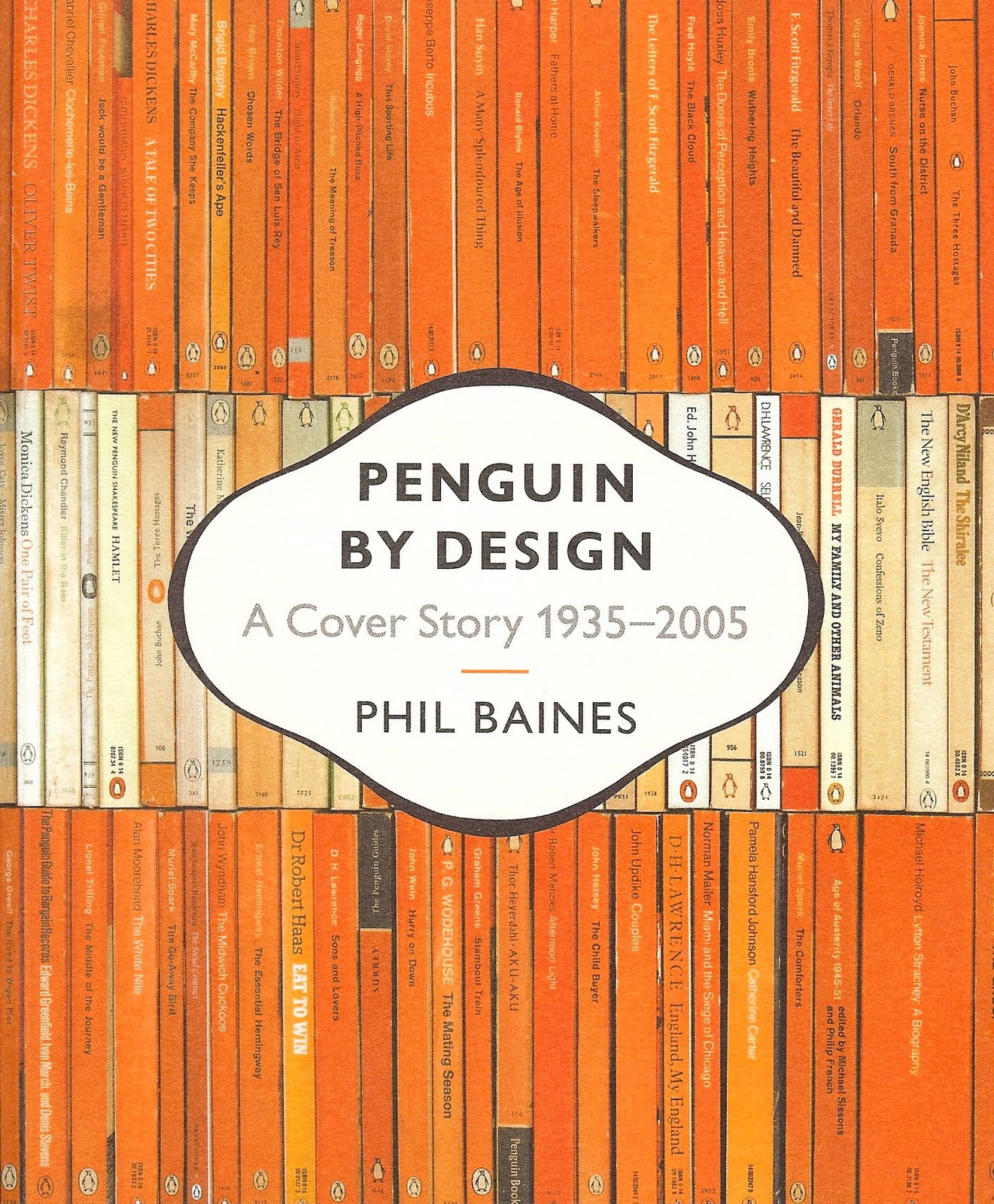
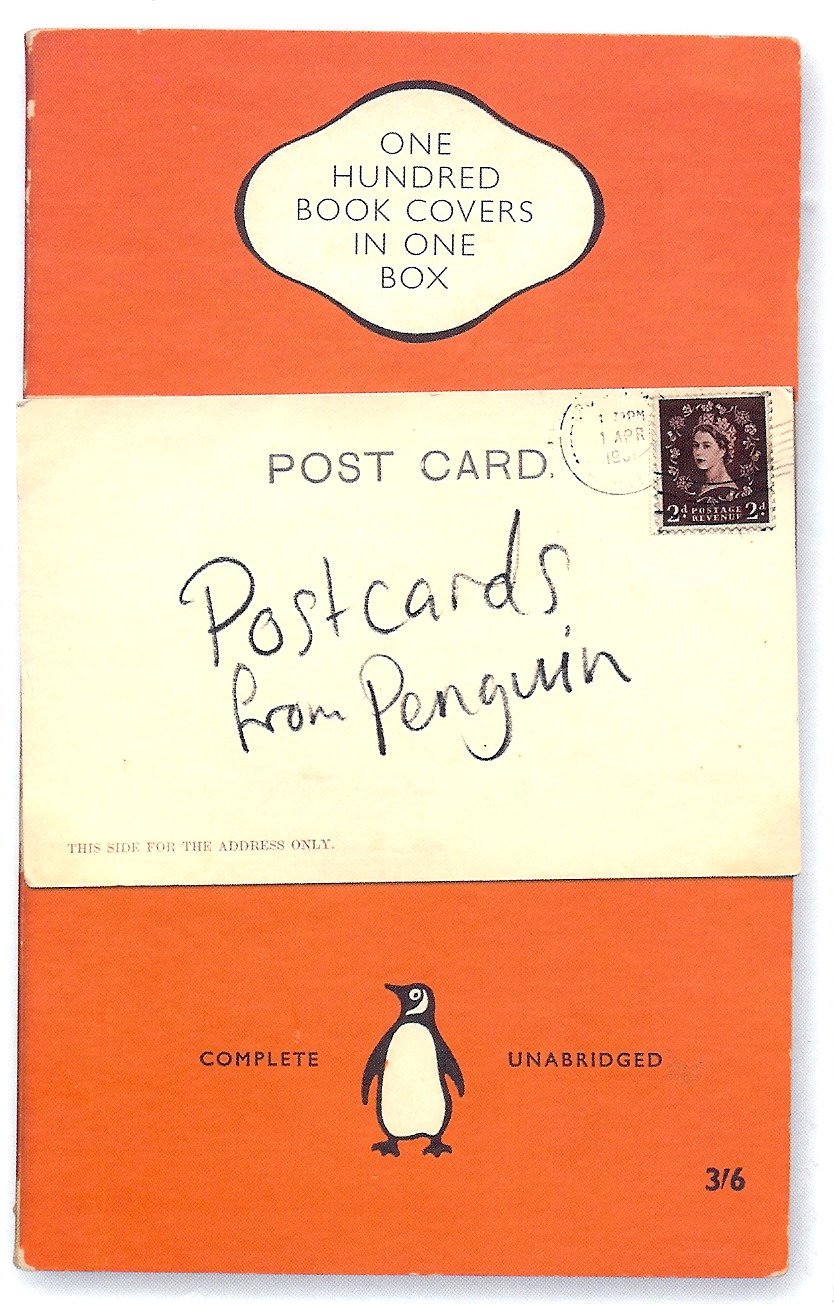
Penguin Special has plenty of pictures, but series of threads in the book that really cold have used more images was the fascinating but somewhat frustrating parts that dealt with design. Like many of you out there, I am a little obsessed with Penguin’s distinctive look and I wanted to see examples to go with the text that described its evolution. Thankfully, all I had to do was walk over to my shelves and pull out two other Penguin products to conjure up images to go along with the text. Penguin by Design by Phil Baines is a great full-color book that delves into the history of the Penguin aesthetic, and Postcards from Penguin, a box of 100 postcards of Penguin covers. Of course the reemergence in popularity of the original graphics-only orange and white covers jumps backwards over many decades of artwork experimentation and innovation that was not always successful. (Lane resisted mightily against illustrated book covers, especially the variety that were first popularized in America.)
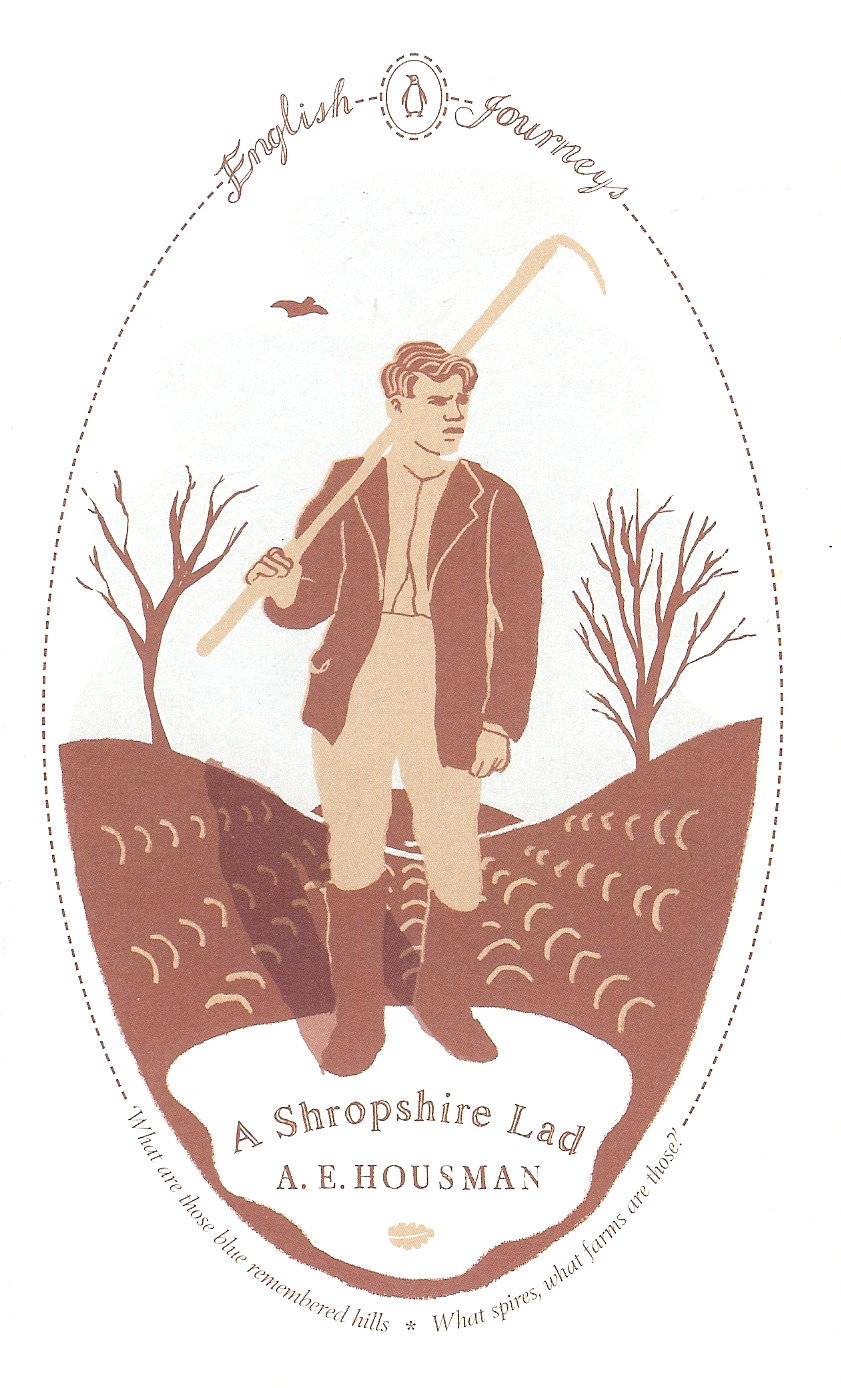
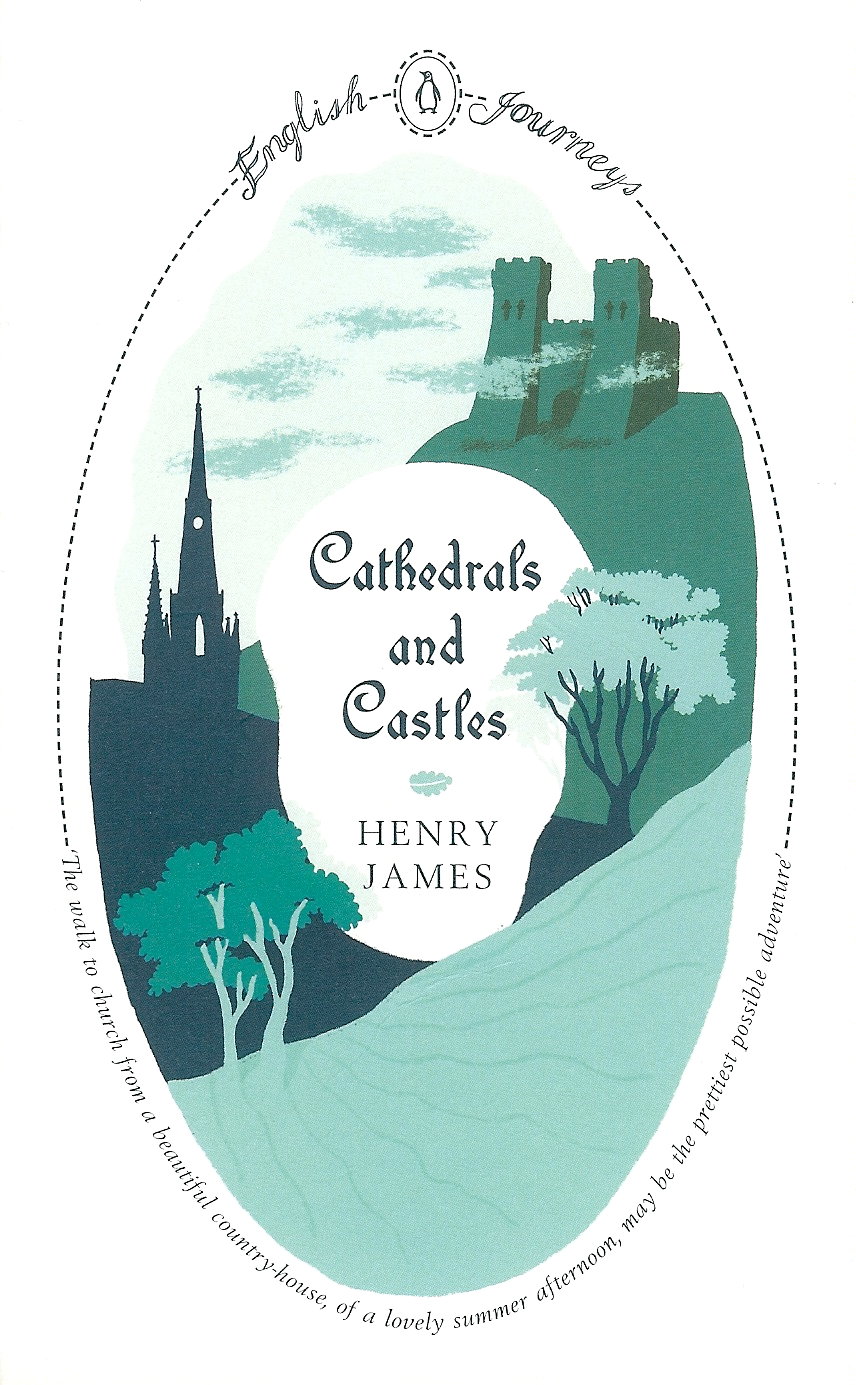
Perhaps my only real beef with Lewis’ Penguin bio-history is that a good narrative often got bogged down in too many details. So much so that I kind of wanted to see a table or two, or maybe a timeline, a publishing house “family” tree, anything that would have brought some graphic clarity to the overwhelming amount of detail. All together though I enjoyed this walk through Penguin history and it was a nice way to wrap up the first half of my English Journeys challenge.
This book is fantastic graphic history of the Penguin cover aesthetic. Lots of great examples with just enough text to tell the story.
This is kind of a fun collection of postcards, but to be perfectly honest, for anyone interested in Penguin covers, the Phil Baines book Penguin by Design is much more satisfying. In fact, looking through the Baines book makes one realize that the editor/compiler of the box of postcards didn’t make the best choices when it comes to the covers included. Plus it doesn’t have any of the back story included in Penguin by Design. If you can only buy one, buy the Baines.