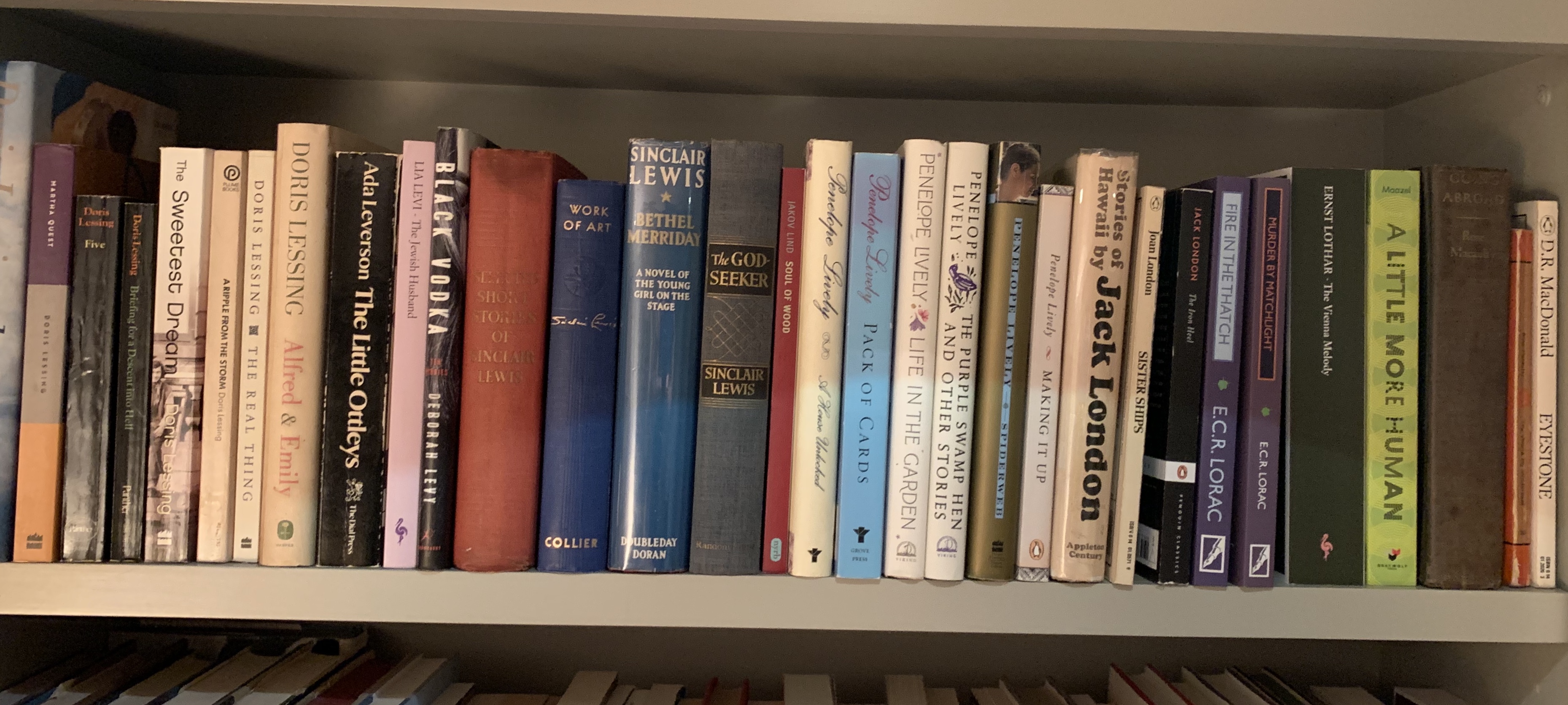
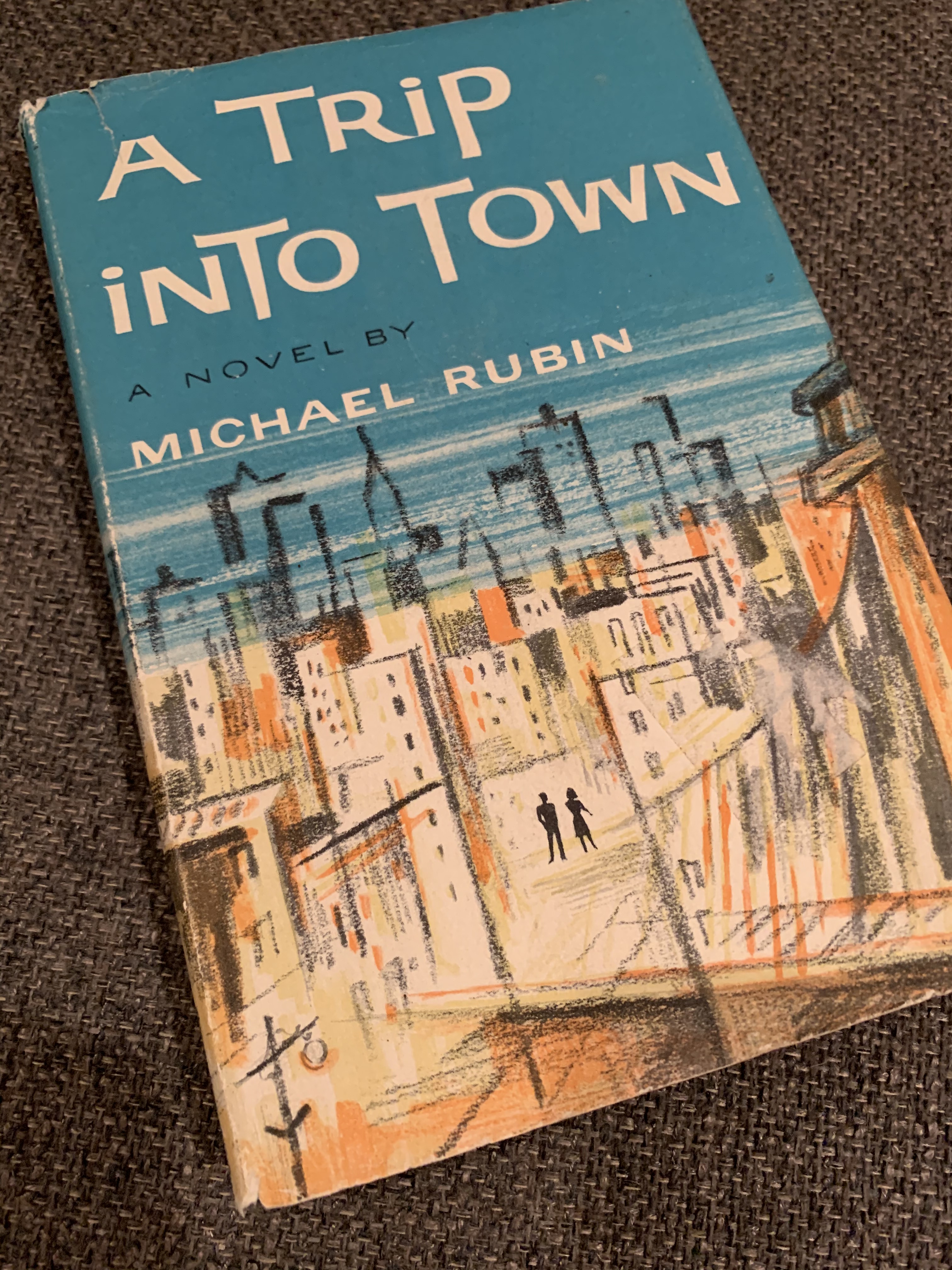
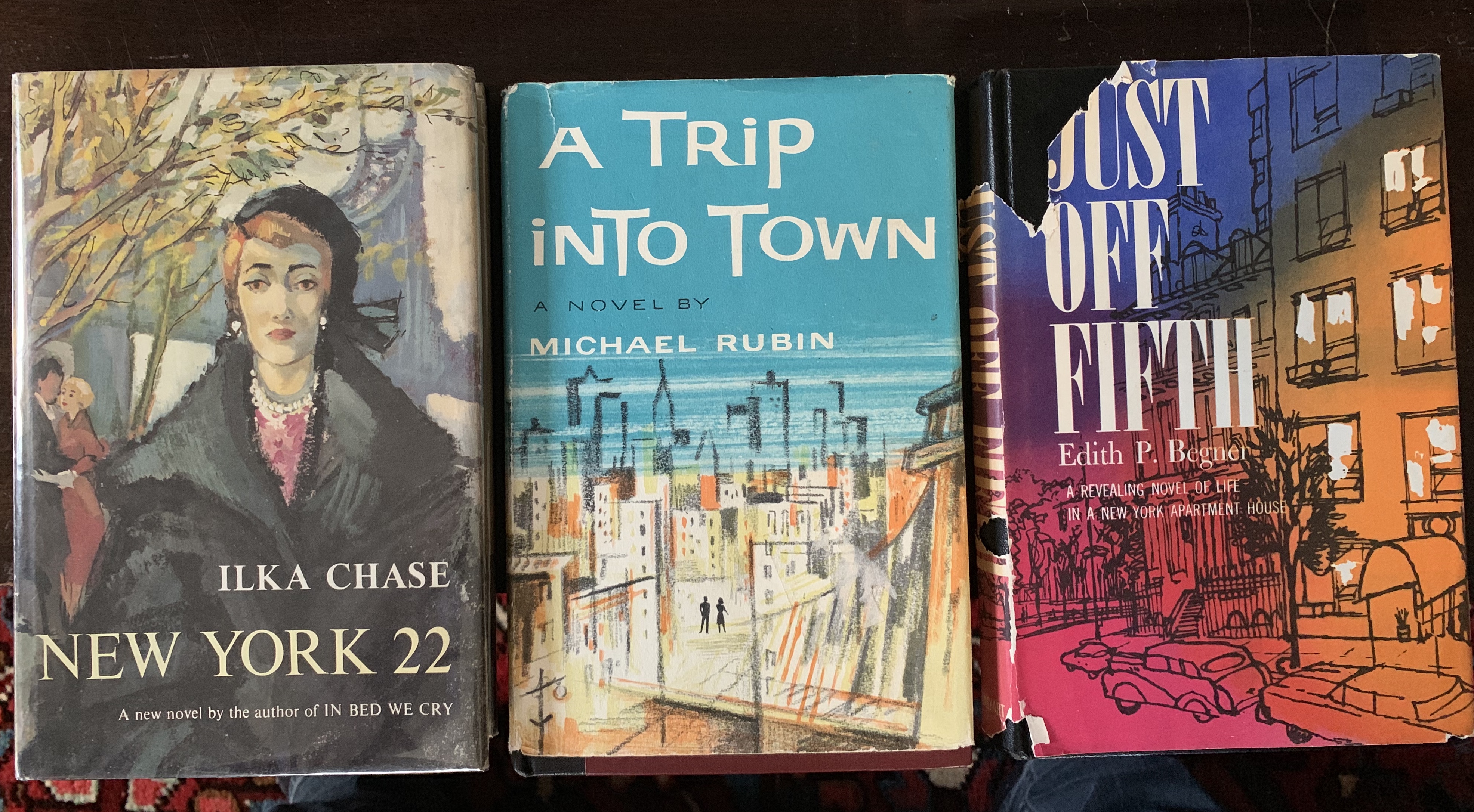
The other night I was again faced with needing to find a book to read…I had a post in my head, but am beginning to wonder about the point of it.
To my recollection, in the 14 years or so that I have been blogging I don’t think I have ever really written a navel gazing post about whether to keep on plugging away at my blog. But it seems like the time has come to maybe do just that.
Here are some mostly random thoughts about the state of my blogging psyche:
Social Media Has Changed Everything
Although I am active on Twitter and to a much lesser degree, Instagram, and really enjoy my interactions with bookish people on those platforms, the rise of those behemoths (and others) has pretty much meant the death of blogging, or at least the death of what I used to know of the blogging community. I was going to write about activity in the comments sections here at Hogglestock, but to be honest, my comments sections were never all that lively. There was a core of regulars, but again to be honest, I still have a core of regulars, and I love them/you. And some read my blog posts and then comment on Twitter instead of here. But I sometimes I feel like I am just whistling in the wind.
you can’t skim a podcast
Let’s be honest, the only way we could keep up with so many bloggers back in the day, was because we skimmed the shit out of those things. Sometimes a post title was a far as we would get, sometimes we’d skim and jump around all the way to the end, and sometimes we’d read the whole damn post. But c’mon, skimming was the only thing that left room to read actual books. But with podcasts, there ain’t no such thing as skimming.
Now some of you may be thinking, hey wait, you idiot, you were co-host of a podcast for a couple of years. Yes! But my not so secret dirty secret was that before Simon asked me to join The Readers I had never listened to a book podcast–not even The Readers. I absolutely loved being on the podcast and, based on the number of downloads we got, people liked listening to it as much as I liked doing it. Since then I have listened to a few book podcasts by others and definitely enjoy some of them, but, not being able to skim, and not having much time for listening, I pretty much skip them entirely.
Booktube?
This is no disrespect to anyone with a booktube channel, but holy shit, really? I’m painting with a broad brush. They are great in some ways, and no doubt, yours is better than the rest, but…I should probably stop right there. Also…impossible to skim, like podcasts.
The rise of the author industrial complex
None of you are surprised I don’t read much recent fiction. I certainly read more of it when I was on The Readers, but with each passing year I’m less and less interested in newly published books. Part of it is the fact that so many superlatives are thrown around for truly mediocre or uninteresting books. Part of it is MFA programs churning out cookie cutter authors with entitlement complexes. Boo hoo, you wrote a masterpiece that isn’t getting isn’t any press? You can’t live off of what you make as a writer? Well, that’s never happened to any artist ever.
OLD books vibrate
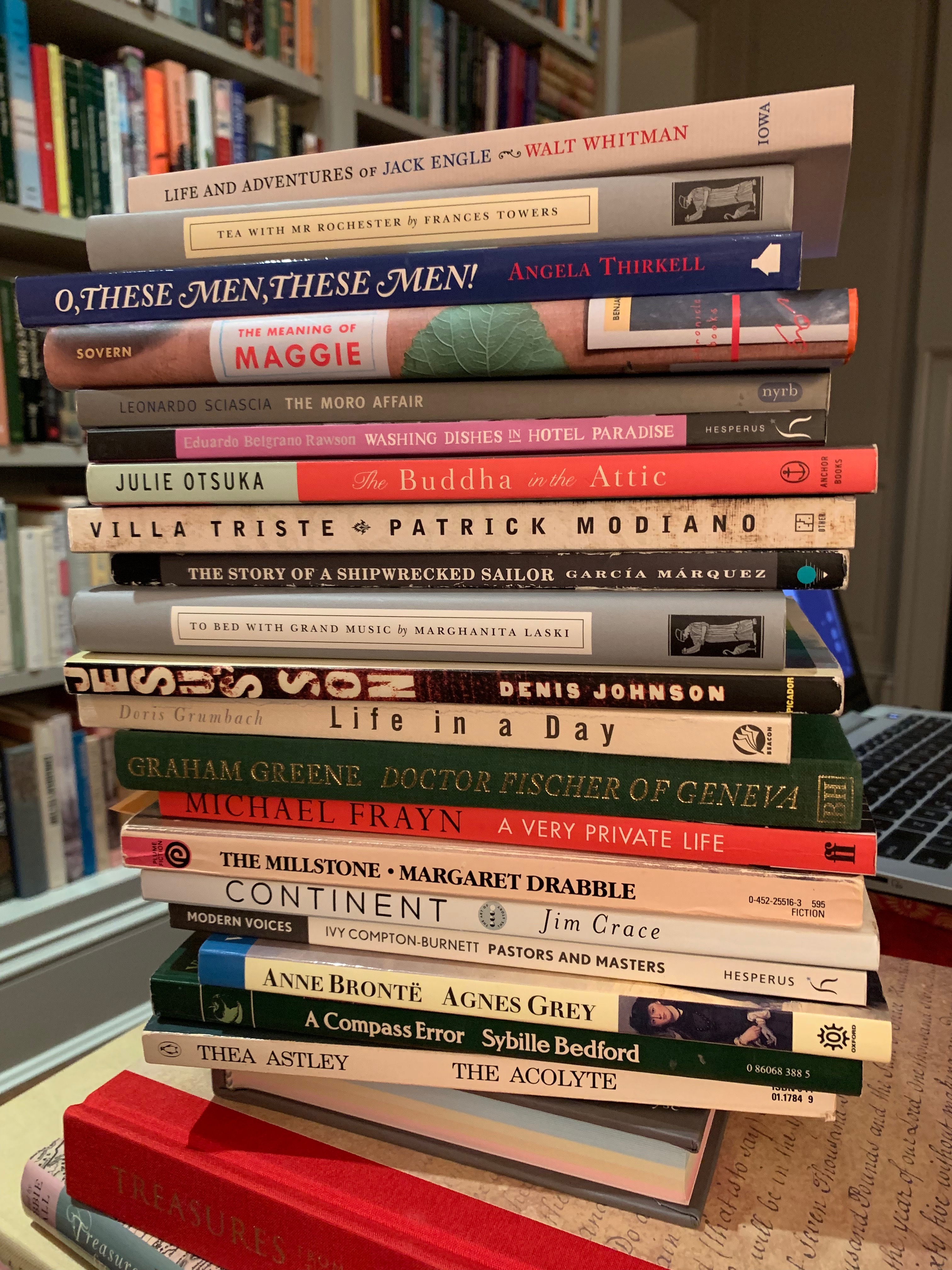
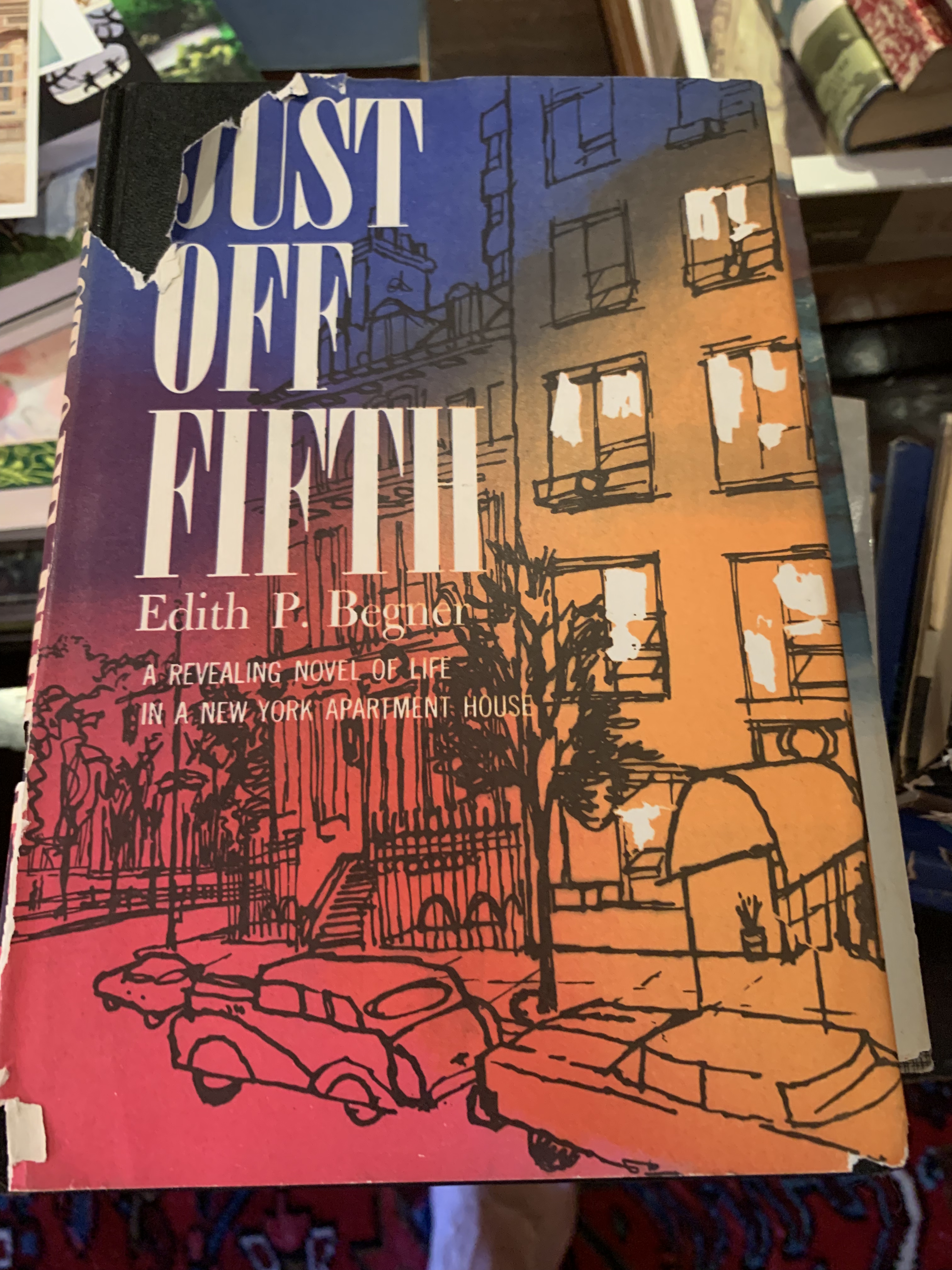
On a less antagonistic note, I used to think that I liked older books because they stood the test of time, etc. But in reality I read plenty of books that didn’t stand the test of time. Many have not only been forgotten but the authors who wrote them are barely even mentioned in the farthest, deepest recesses of the web. Truth is, I have a predilection for the past. It was highly imperfect. It was deadly for so many. But I like inhabiting the past, whether it is the 1890s or the 1990s. I can be moved by recently published books, for sure. But there is something about older books. They vibrate across the years, decades, and centuries. I like connecting with those dead authors.

old books don’t sell newspapers and i’m going to die one day
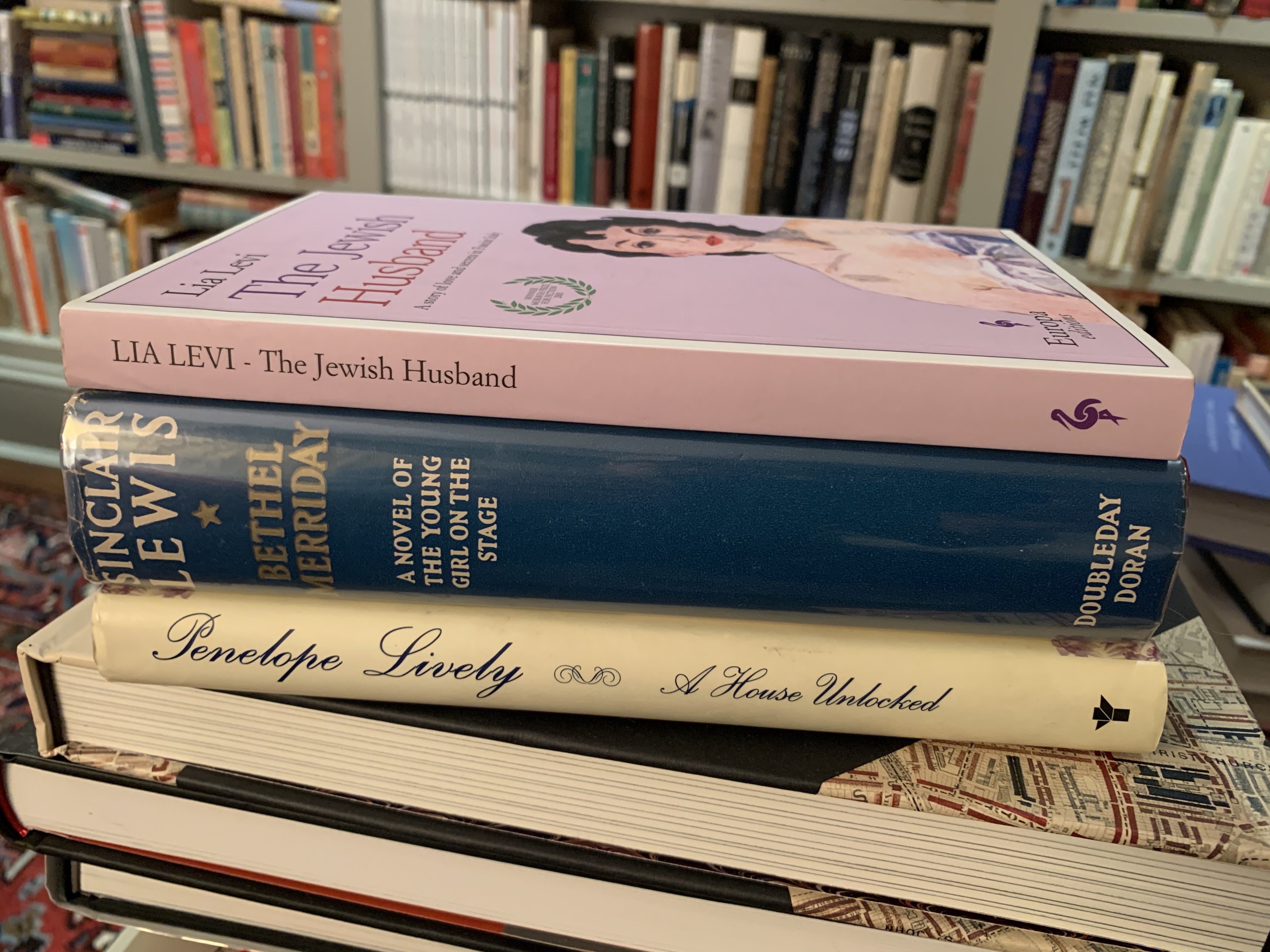
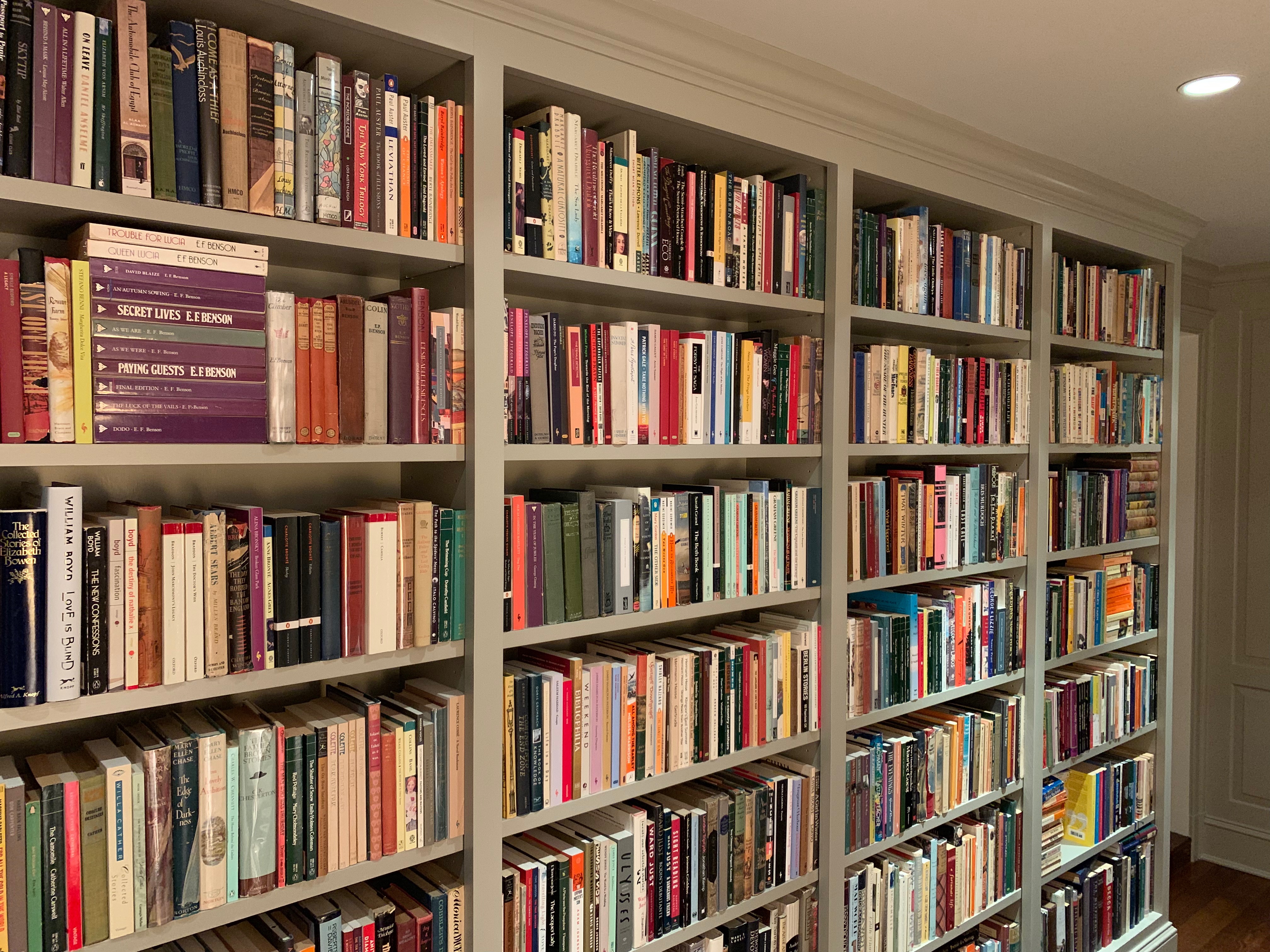
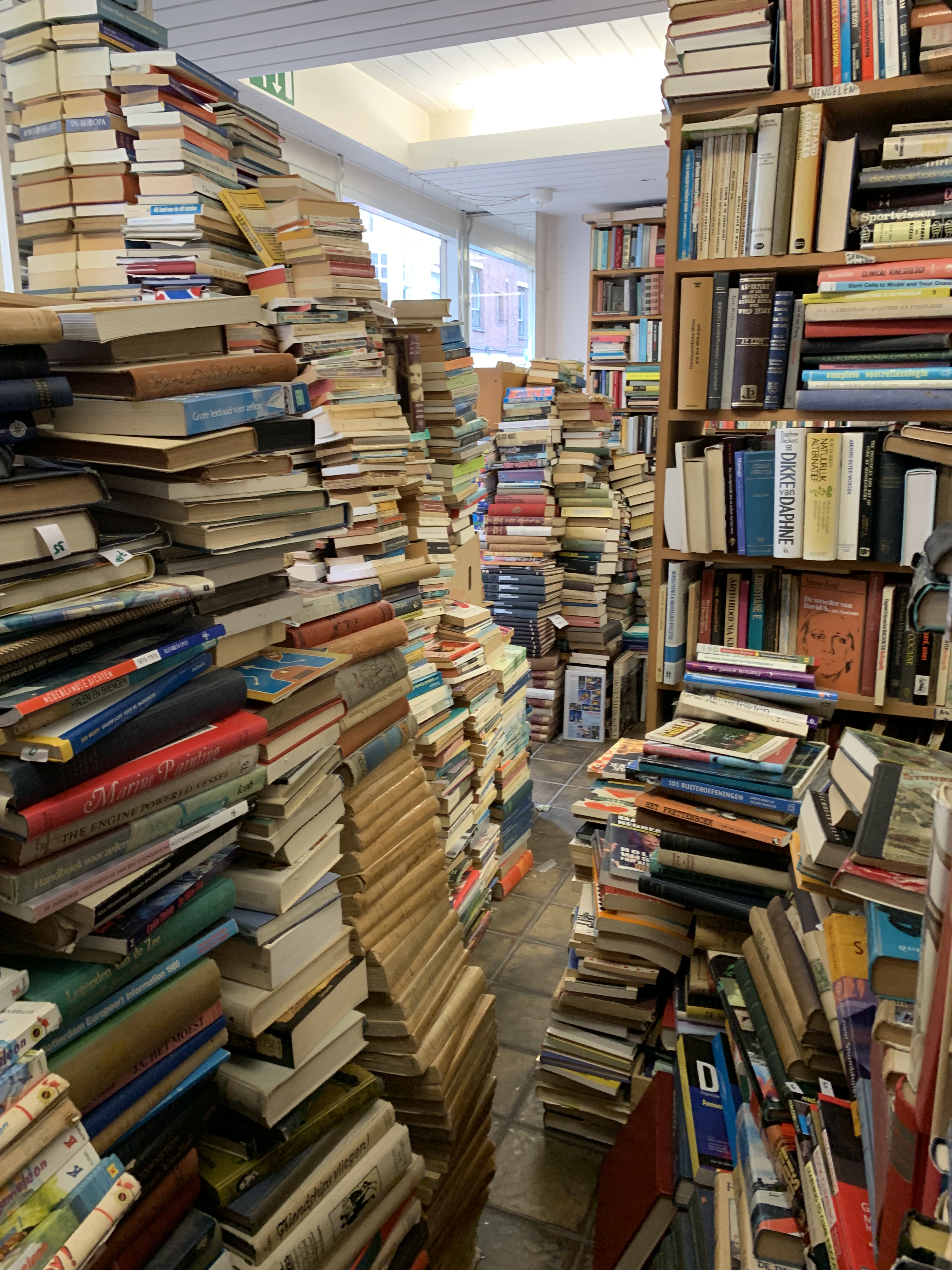
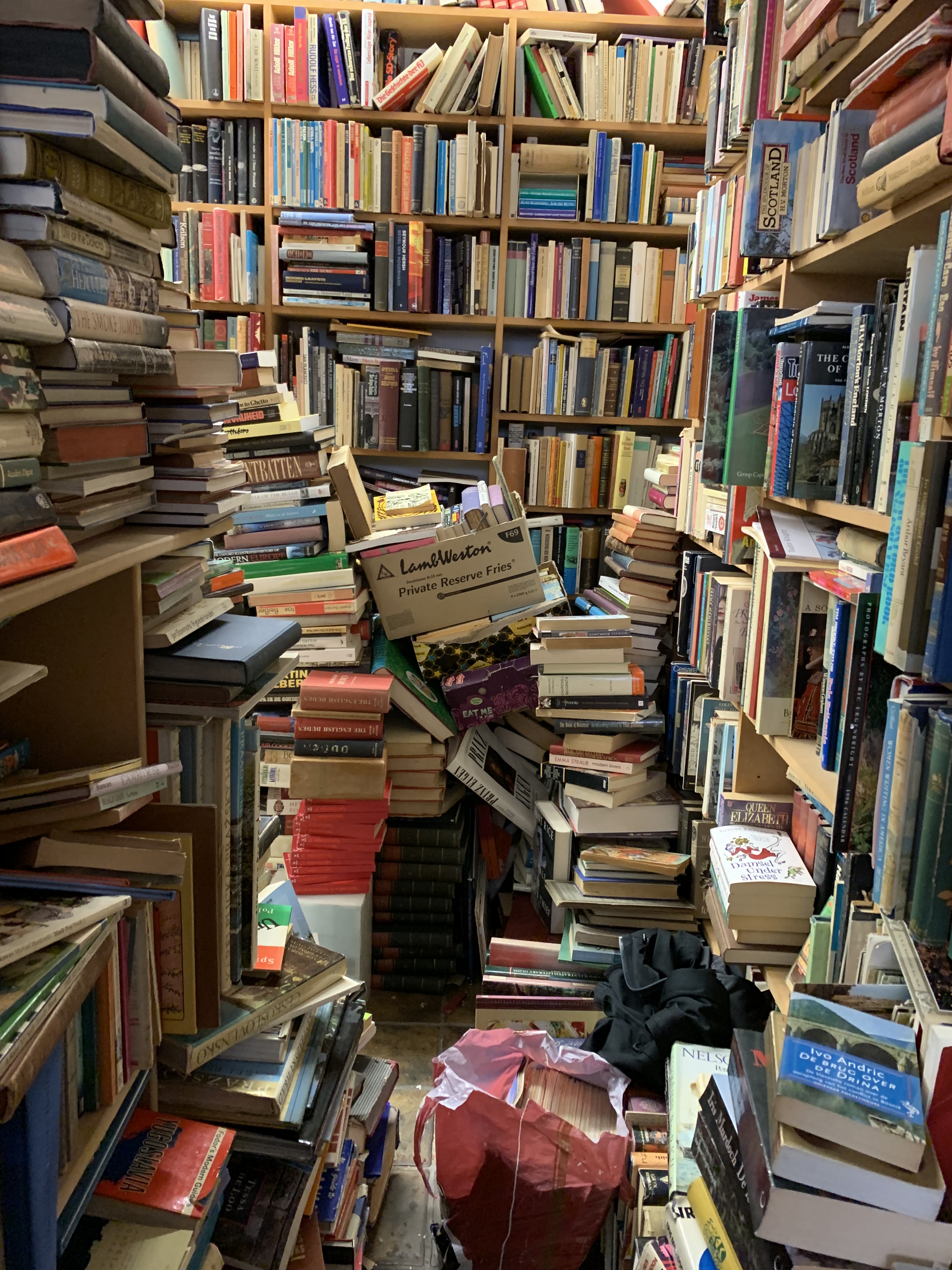
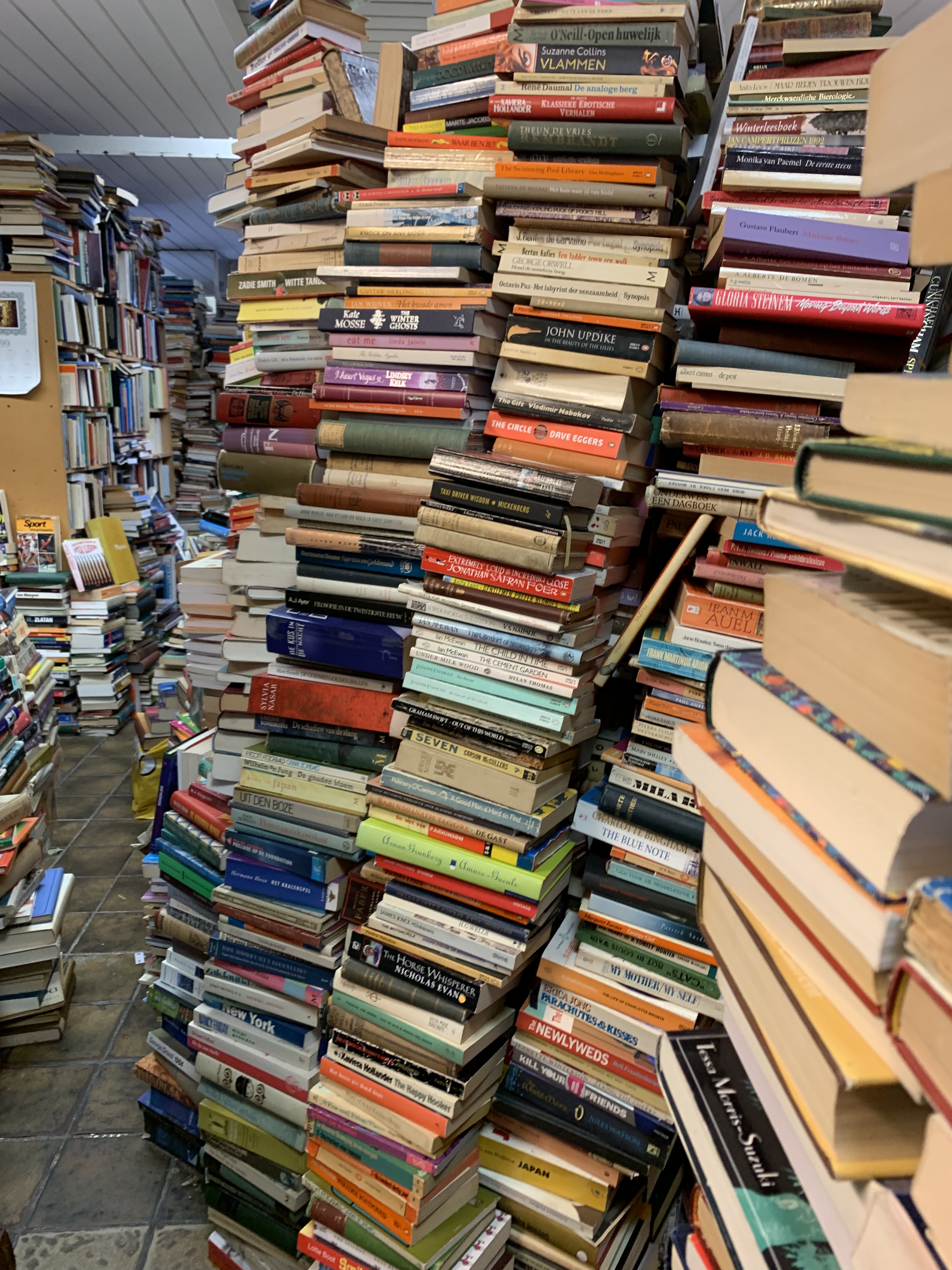
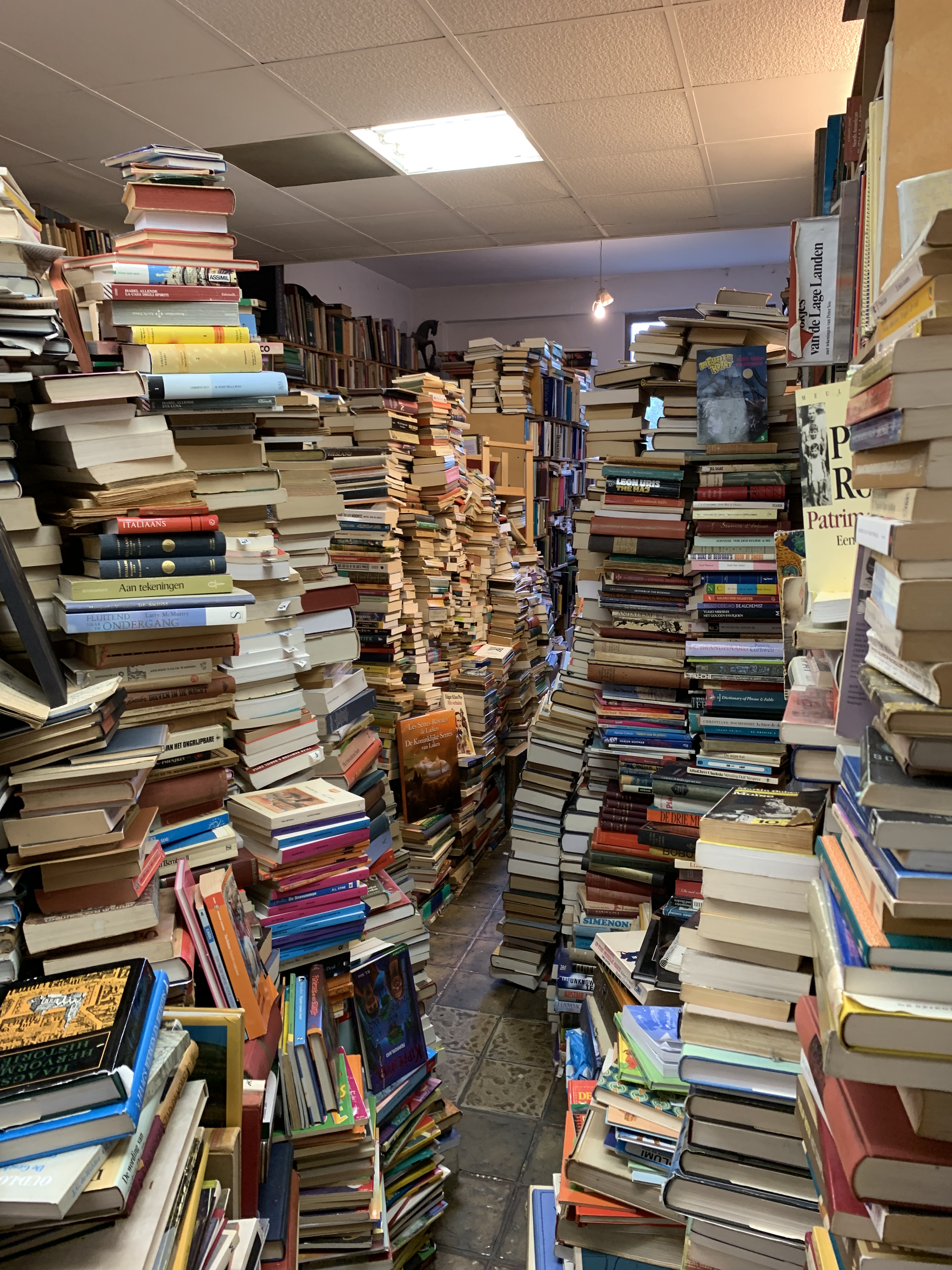
My interest in older fiction keeps many of you coming back here, but old books don’t, as they say, sell newspapers. I’m okay with that. In fact, as long as I know a few of you are out there, I will keep blathering on about them. In fact, as I have said before, I consider myself a bit of a literary seed banker. I keep some books just because I don’t want them to get pulped because no one is clamoring to read them. And although much of what I write here is just to have a creative outlet, or as a reminder for myself of what I have read, I like the idea that some day someone is going to come across an old book no one has ever heard of, and they are going to surf whatever the web of the future is and will come across something here. And I’m not thinking about my legacy, I’m thinking about the book’s legacy. I feel the same way about my library. I think a lot about what will happen to my books when I die. I have no heirs and, even if I did, most heirs don’t give a rat’s fanny for the books they inherit. And nothing I have is of any interest to any book depositories. But I know there is some young weirdo out there that would like them. But then again maybe not. And even if, well, needle in the haystack, etc.
Friends forever
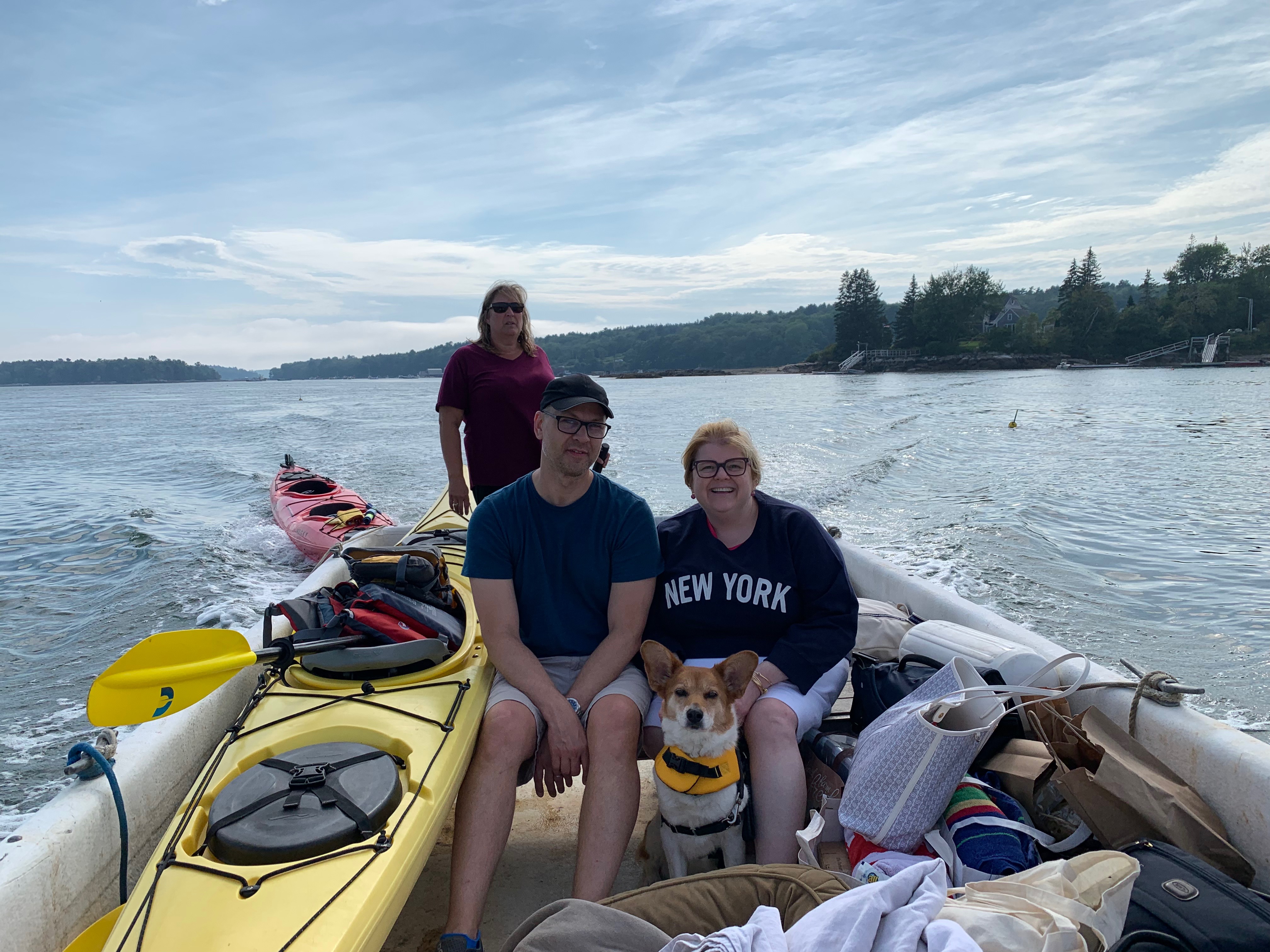
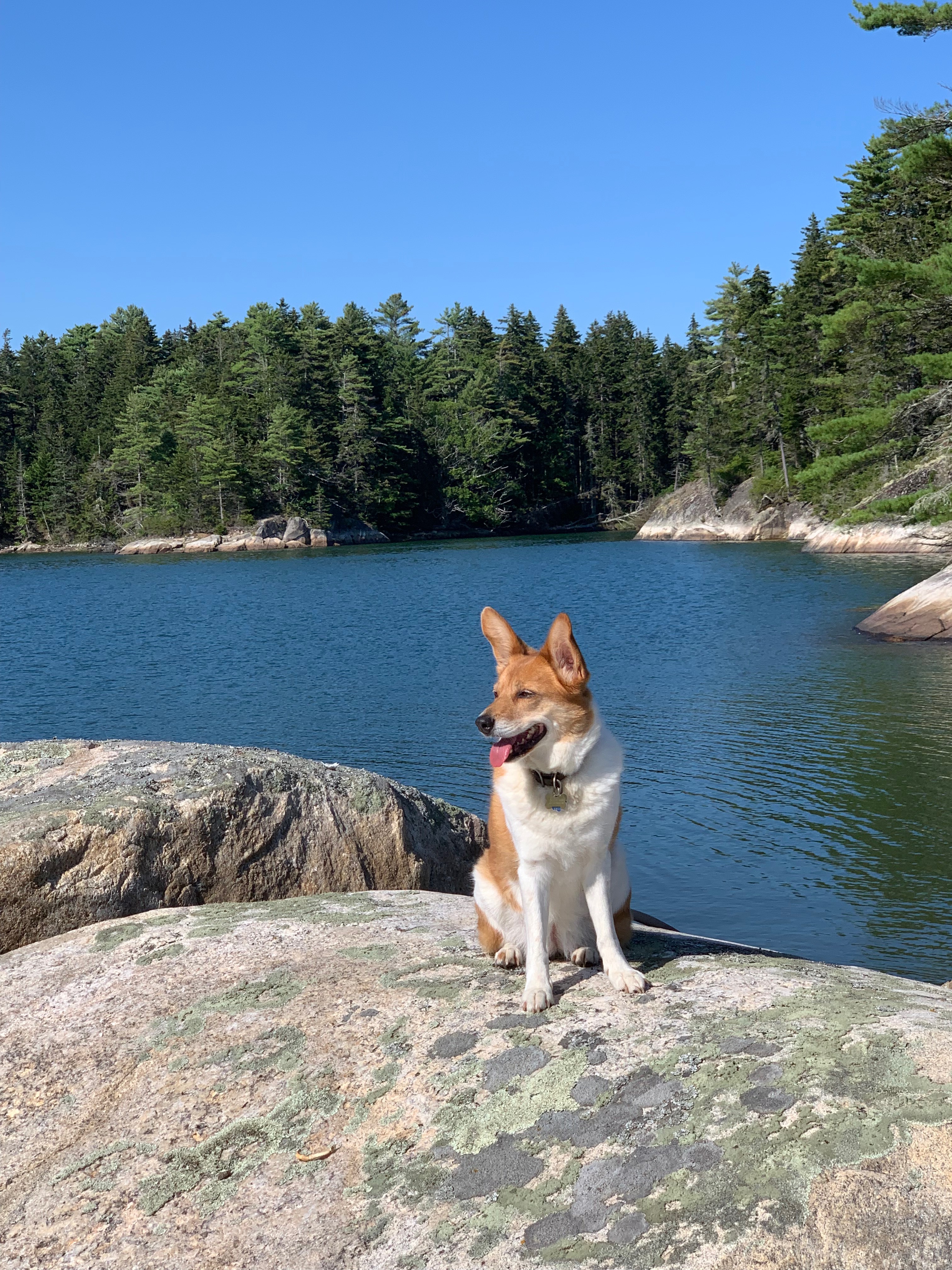
The reality of this old blog and bookish Twitter is that I have made friends with flesh and blood people, some of whom I have met in real life. And we get each other. We don’t always agree but we like each others quirks and senses of humor and most importantly, we like each others pets.

















 hogglestock