I am convinced that my interest in the work of Wilkie Collins has something to do with all the letter writing involved. Of course there is also intrigue and suspense and all sorts of other goings on that make his novels page turners. But I love the fact that despite the fact that the action of the books clip along at a quick pace, if you think about how it would have played out in real time, it would have been like watching paint dry. Imagine trying to get to the bottom of any mystery without the aid of the telephone, car, email, Internet, forensic science and any number of other methods of investigation. And think about it on a personal level. Have you ever had something that you needed answered immediately and the time it took to get an email reply, even though it may have just been minutes, felt like an eternity? Imagine if you had to wait 14 days to get an answer via mail from Zurich. That would certainly slow down your plans wouldn’t it? And it is all those furious letters and documents and meetings with solicitors and trusting interviews with landladies, coach drivers and servants, that make these “detective” stories so enjoyable for me. I am willing to suspend my disbelief for these Victorian mysteries in a way that I cannot for more modern mysteries.
Like other of Collins’ sensation novels No Name takes place on the fringes of propiety. Those ruffled edges of polite society where perfectly moral people teeter on the edge of social oblivion due to some technicality that turns them into pariahs overnight. This is my third Wilkie Collins novel and my fourth sensation novel (Braddon’s Lady Audley’s Secret) and they all rely heavily on the fact that women had so few independent rights at the time. How awful to be in a position to not be able to earn your living because a man is going to take care of it and then something happens to the man and you left with nothing and no way to do anything about it.
In No Name Magdalen (18) and her sister Norah (22, I think) find out after losing their parents that they are technically illegitimate children and are now destitute thanks to an evil uncle and cousin. So for six hundred pages the plots thicken and thin and then thicken again, the letters fly, and in the end it all comes up roses. Most, of Collins’ novels were written as serials so verbal economy is not the order of the day. For anyone who has ever liked a costume drama but wants to read something a little more racy than Jane Austen or Anthony Trollope, Wilkie Collins is your man.
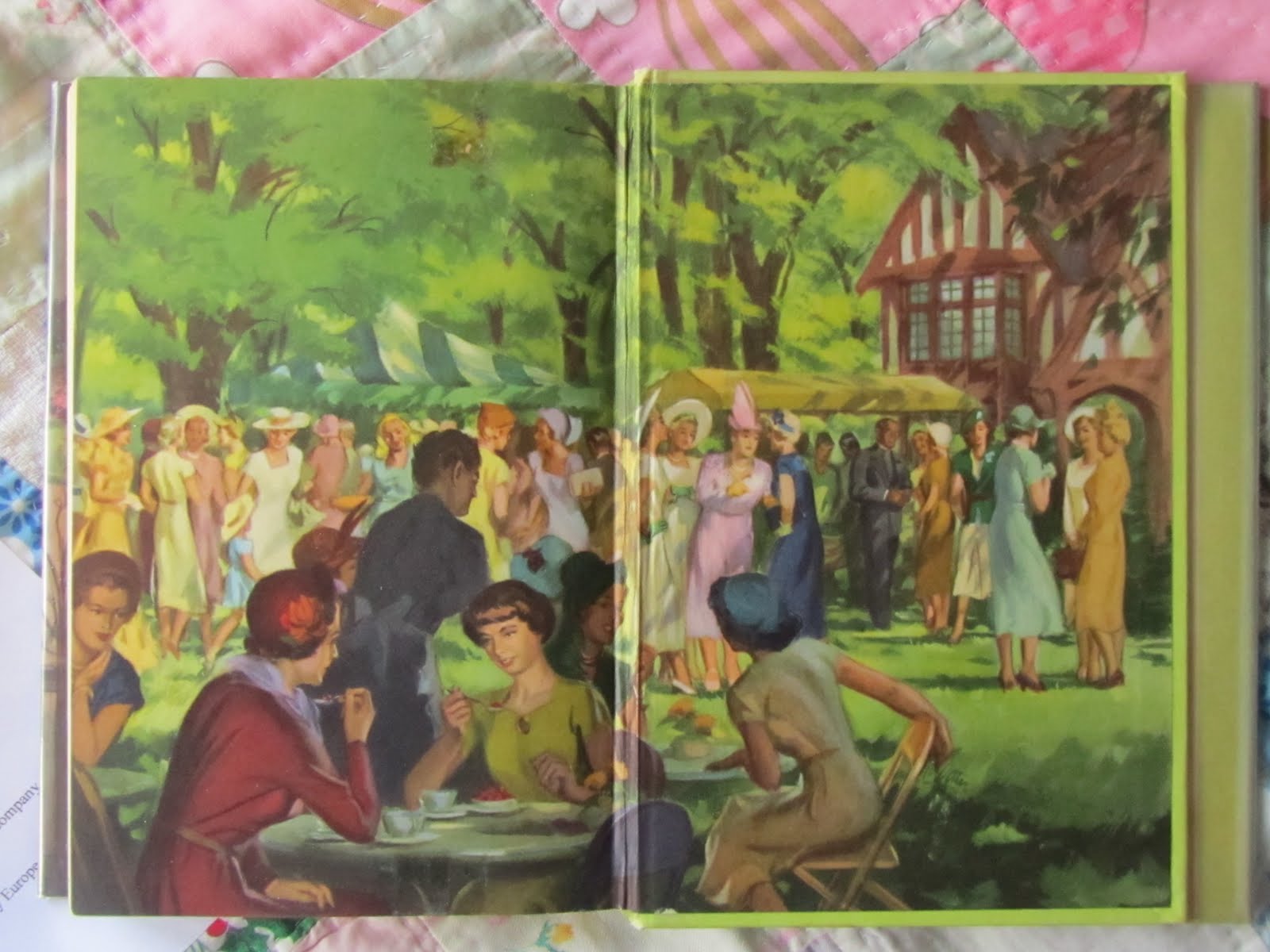
When looking for an image to include with this post, at the bottom of the tenth page of a Google image search using the terms “no name wilkie collins” one stumbles across a picture of Rachel from Book Snob. That photo led me to Rachel’s much more complete (and well written) review.
I have an extra copy of No Name to give away. Just let me know in the comments if you are interested. (US only please, the older Dover edition I have to give away is kind of heavy.)