Maine Books: Royal Ladies


The one on Princess Elizabeth drew me in because it was published in 1950 with the authorization of the King.
There are many fabulous, but mundane photos that were probably never printed again once she became
Queen two short years later and more important photos pushed them into the dustbin.

I hope she fired her hairdresser.

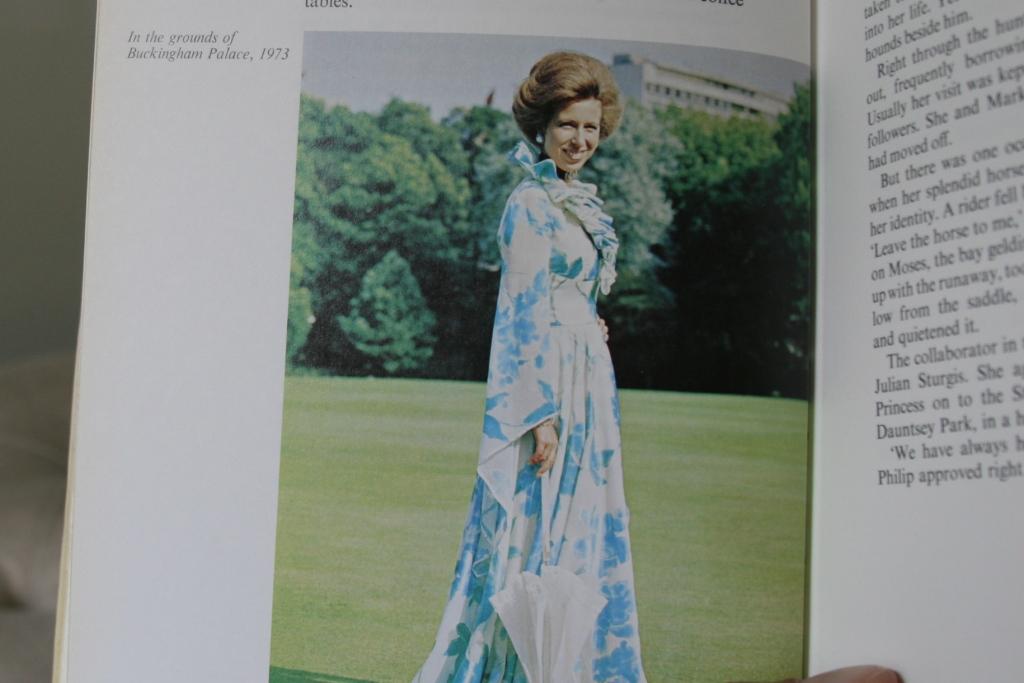
Did they have a crystal ball and tried to make her look like Thatcher a decade
into the future or did the Iron Lady emulate the Princess Anne?

She was a cutie.

Forget about the dress, parasol, and hair. What photographer decided to take
her picture with that awful building coming out of her coif?

A gorgeous photo.

Maine Books: Discovering Daphne

  
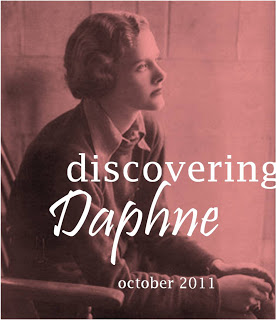
Since Simon and Polly who are hosting Discovering Daphne in October asked me to make buttons for their event I got to thinking that I need to discover Daphne for myself. I have never read anything by du Maurier. So a few months back when I found this great copy of Hungry Hill I had to buy it. So imagine my delight when I came across this similar edition of Rebecca while we were in Maine.

Maine Books: Books on Books

  
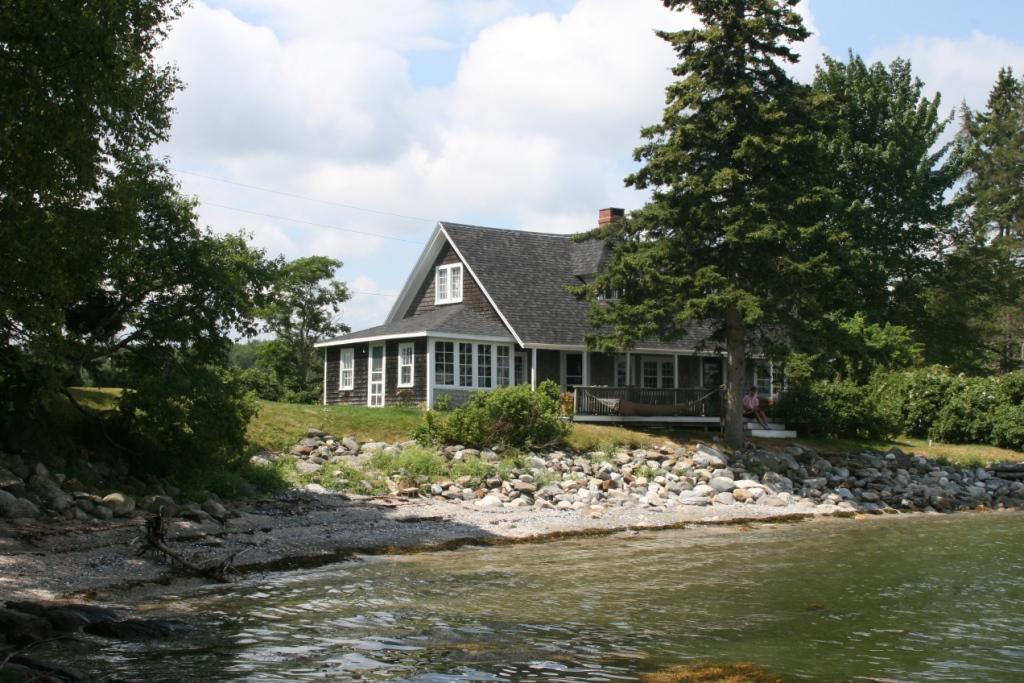
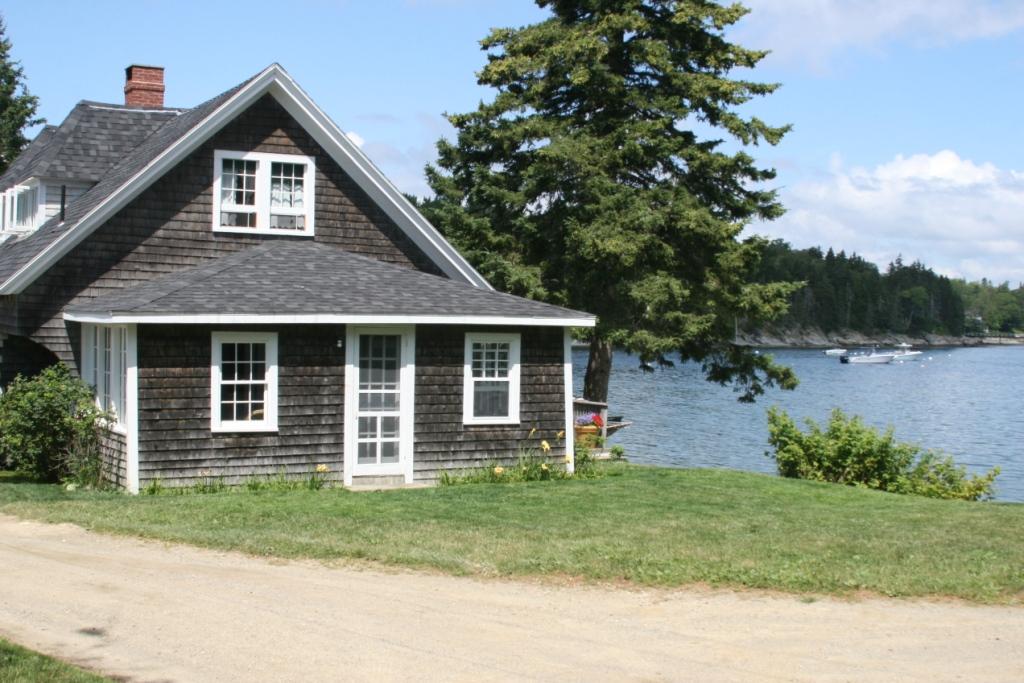
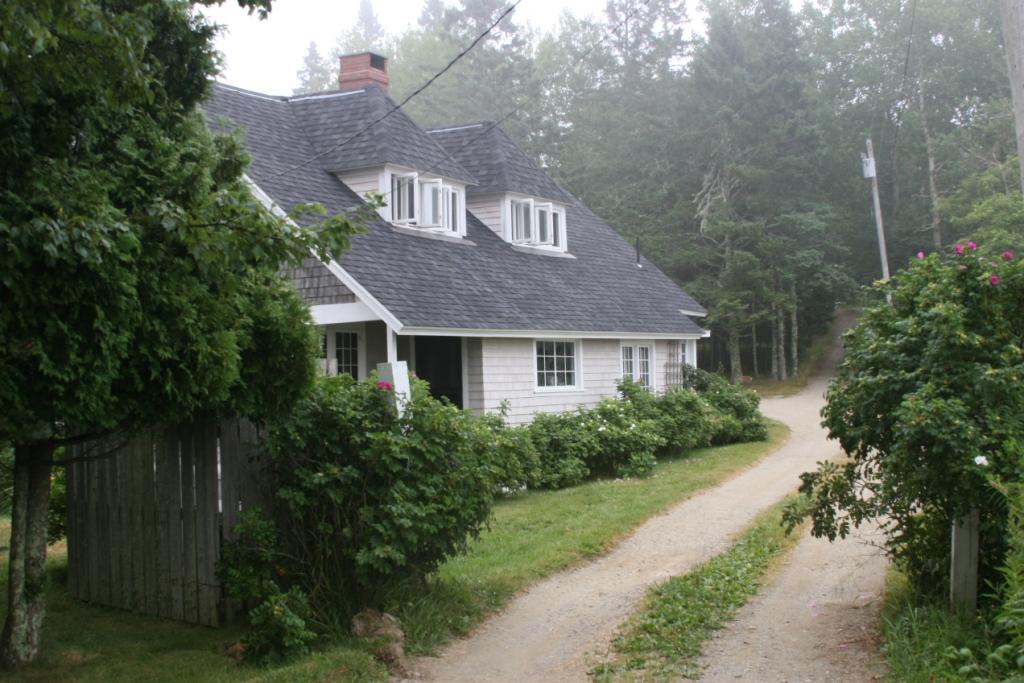
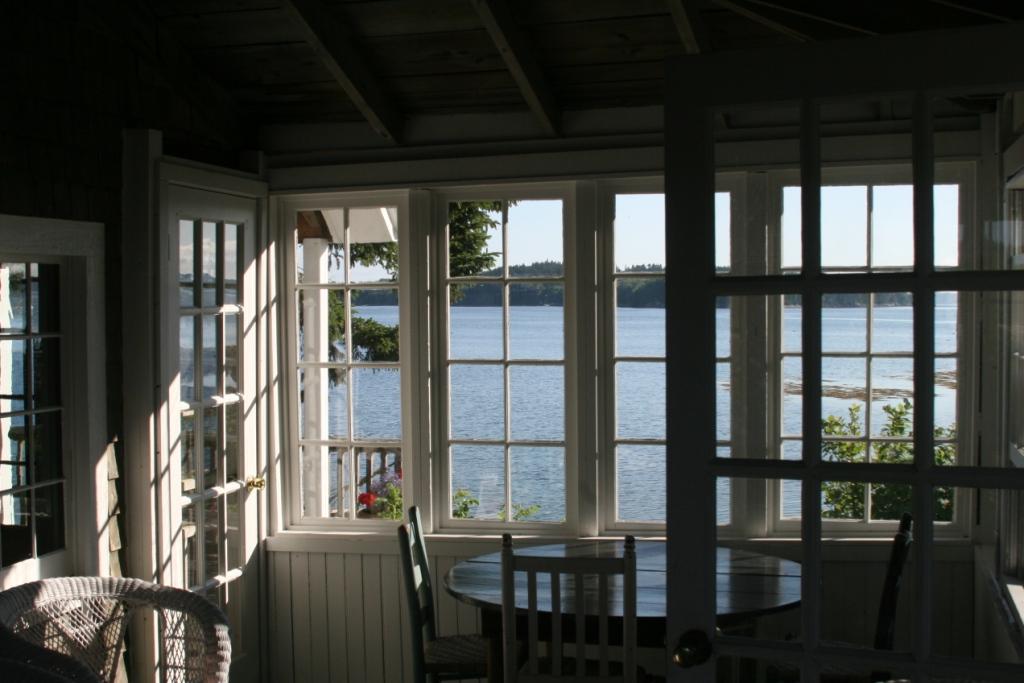
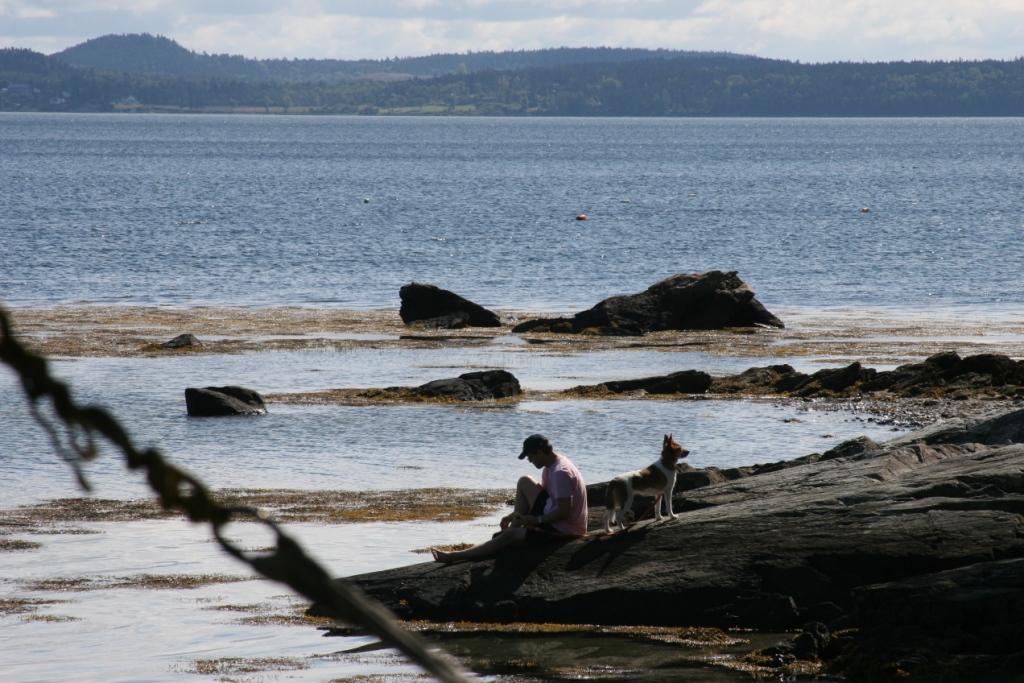
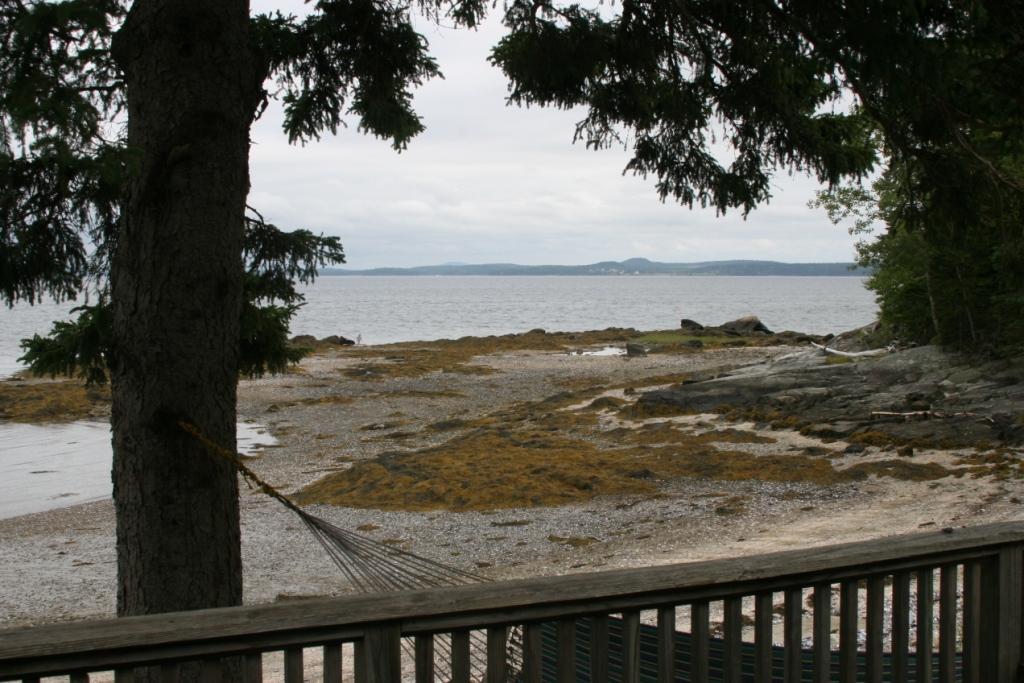
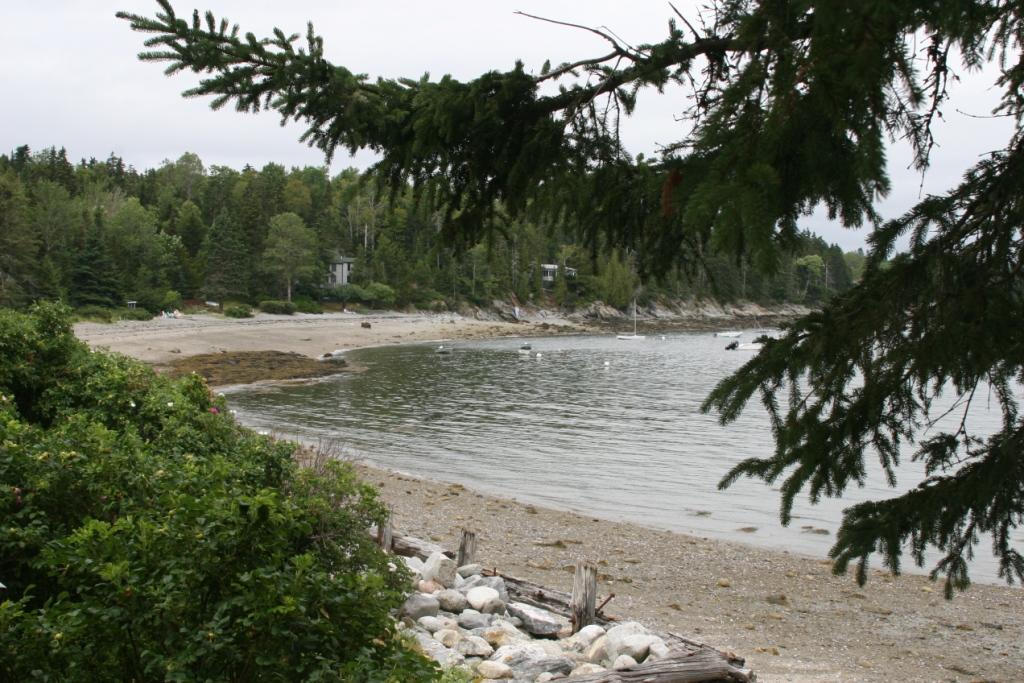
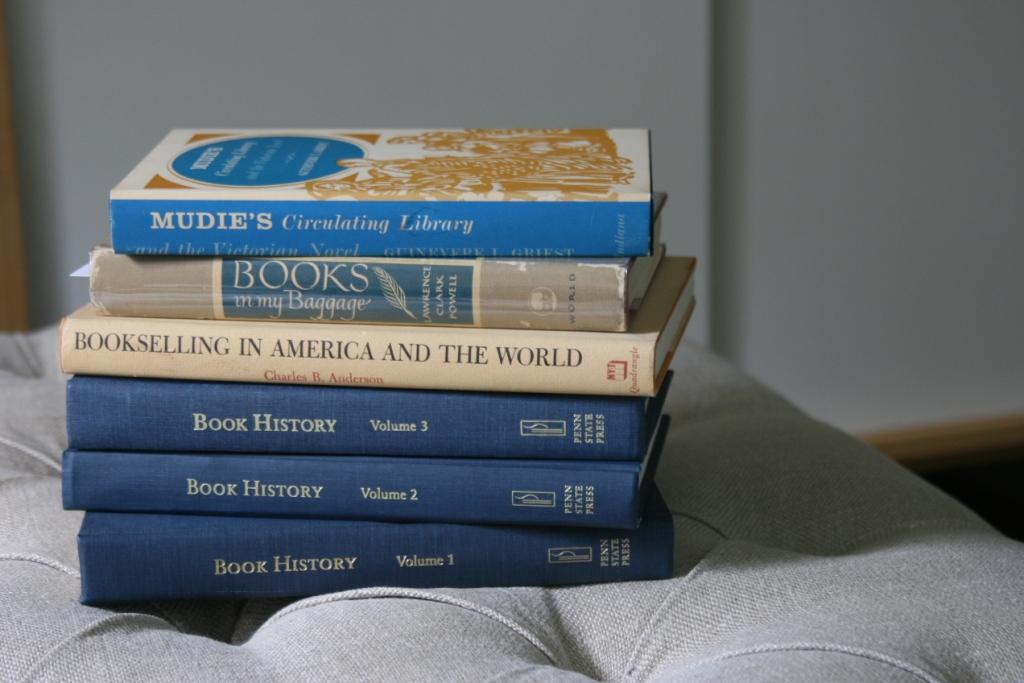
There were so many great used bookshops in Maine I was a little amazed. Unfortunately, since we were staying on the island of Islesboro and were beholden to the limited hours of the ferry, we didn’t have much time to browse the many shops that dot Route 1 along the coast. We were very fortunate however, in that Islesboro has two (that’s right two) bookstores despite only having about 600 year-round residents. One Artisan Books and Bindery which has a small but wonderfully curated collection of new and fine used books. The other is another branch of Artisan but devoted to fine used books. And the beauty of the two island bookstores is that since there was no pressing schedule for us at any point, I was really able to comb the store from top to bottom. I came away with more than a few wonderful things. They had a particularly good selection of books on books.
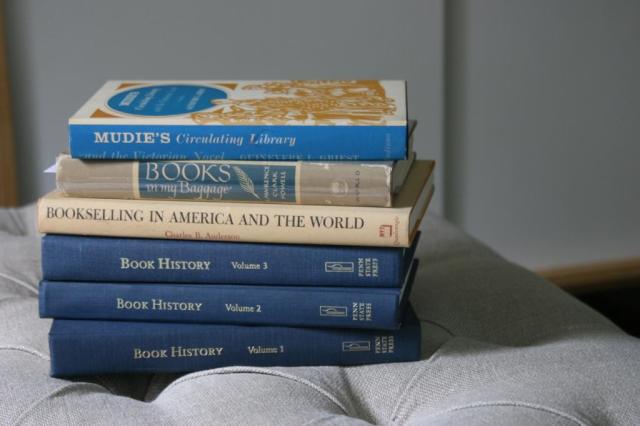
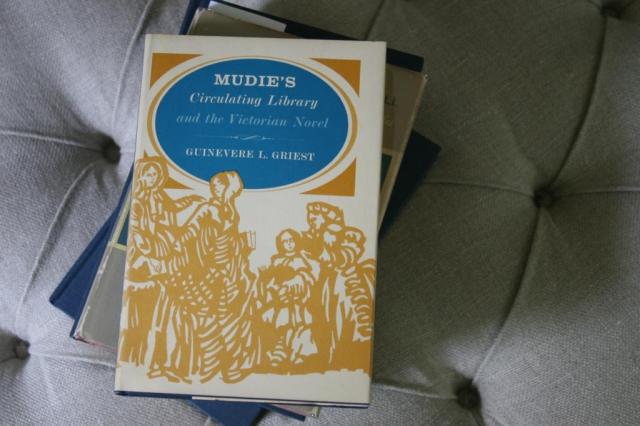
Tell me this one doesn’t look fascinating. And it is in perfect condition.
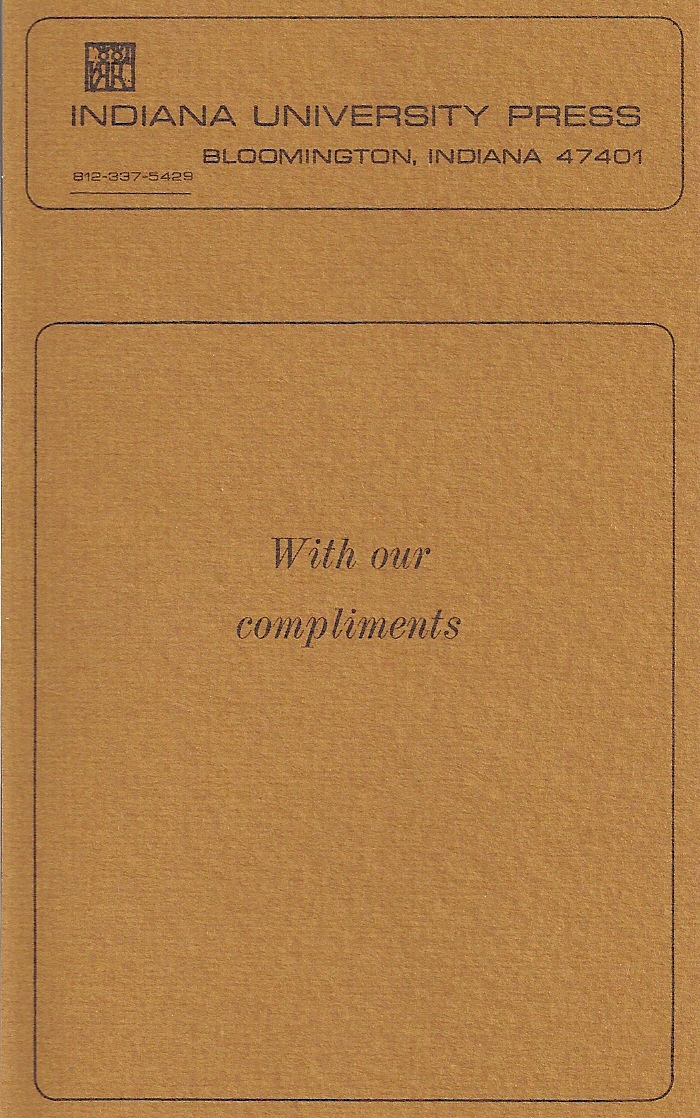
This is a review copy from 1970 that has clearly never been read.

It still had this loose inside the front cover.


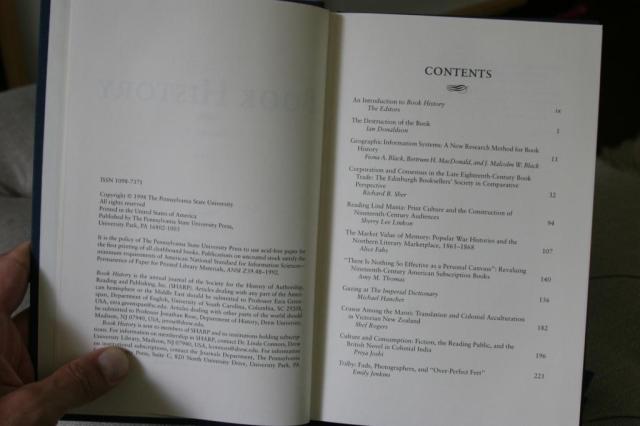
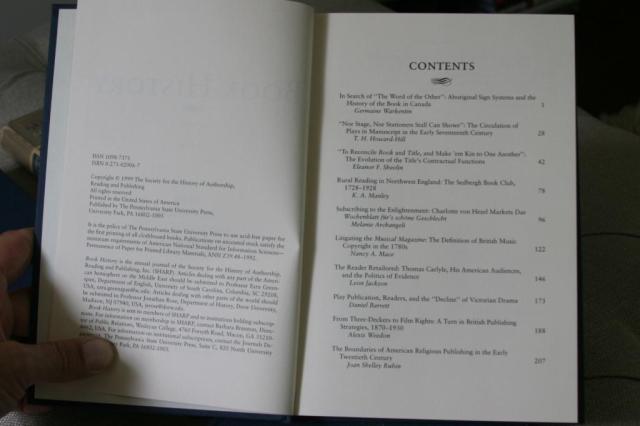
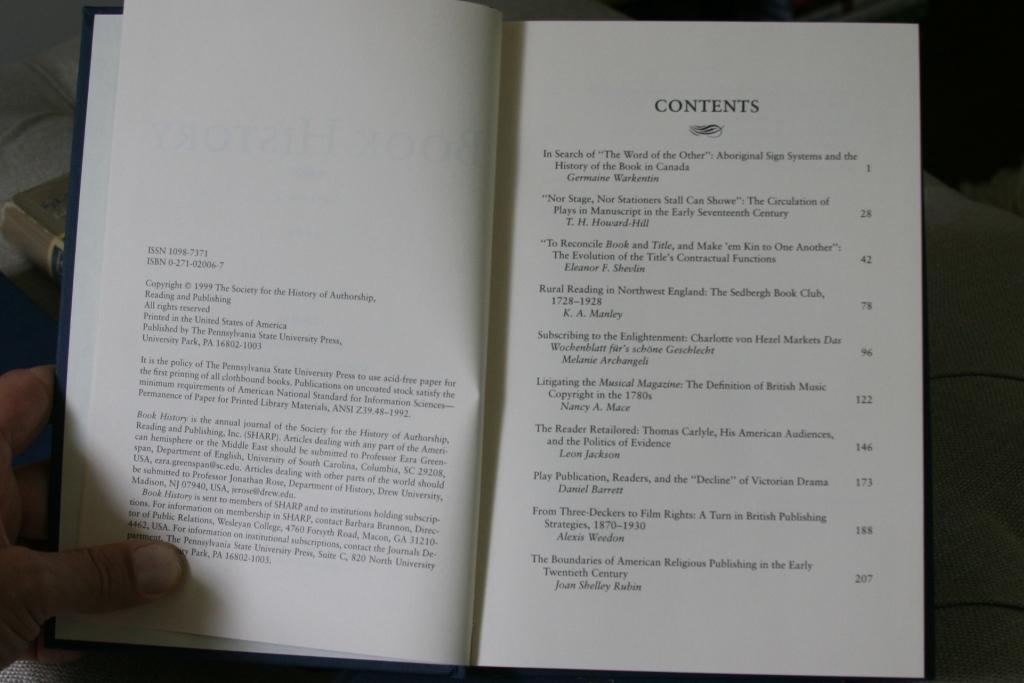
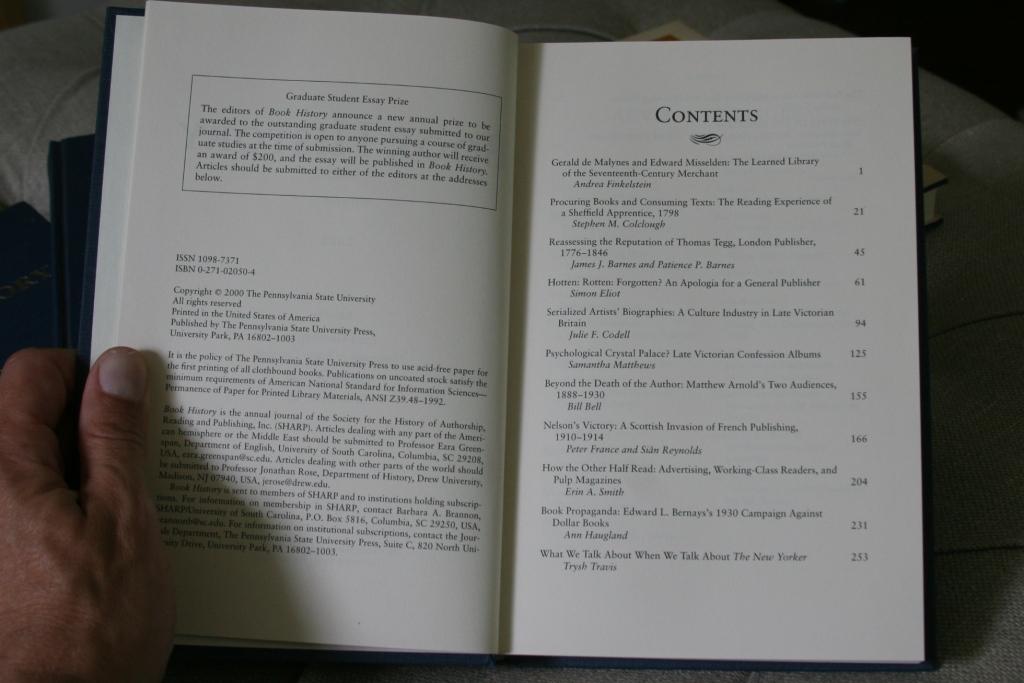
I know my audience. You want to know the contents of the three volumes of Book History.
Volume 1
(Click on any photo to make it larger)


Volume 2

Volume 3

Update:  I just found out that Guinevere Griest (the author of the Mudie’s book) lives in Washington and graduated from Cornell in 1944. (I went to Cornell for grad school.) Maybe I will run into her…

ABOUT GUINEVERE L. “GUIN” GRIEST – AB 1944, COLLEGE OF ARTS & SCIENCES

Resides in Washington, D.C.- Cornell University, AB Arts & Sciences, ’44 – M.A. and Ph.D., University of Chicago, ’61. Born January 14, 1924 in Chicago, IL. Attended the Loring School in Chicago. At Cornell: Cornell Daily Sun, Editor and Editor-in-Chief-Elect immediatly prior to its wartime shutdown; Cornell Bulletin, Editor; Mortar Board; Phi Beta Kappa; Dean’s List;Phi Kappa Phi, Pi Delta Gamma, V-Book Co-Editor; Vice President of Risley and Balch; USGA Judiciary & Appeals Committees; USGA Council; Student Council. Associate Professor, University of Illinois-Chicago – Director, Division of Research and Fellowship Programs, National Endowment for the Humanities, Washington, DC – Retired in 1992 and 1995. Author, Maude’s Circulating Library and the Victorian Novel (Indiana University Press & David and Charles, U.K.) plus articles. Interests: Volunteer at Washington National Cathedral; travel, gardening, theatre, opera.  (Source)
 

Maine: Adult Coloring

   
When was the last time you colored?

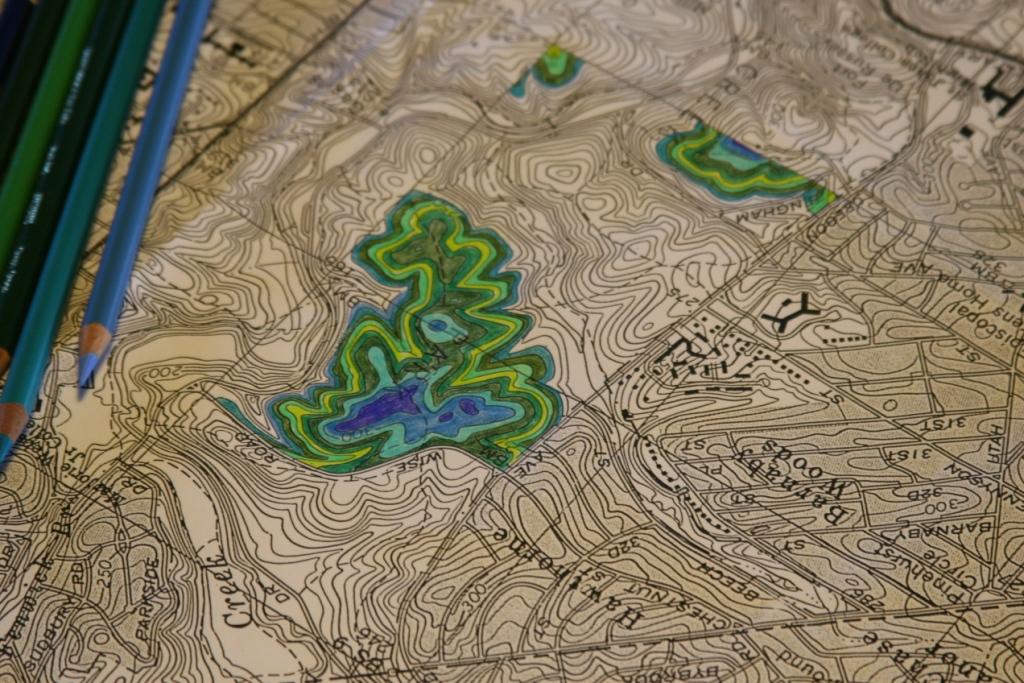
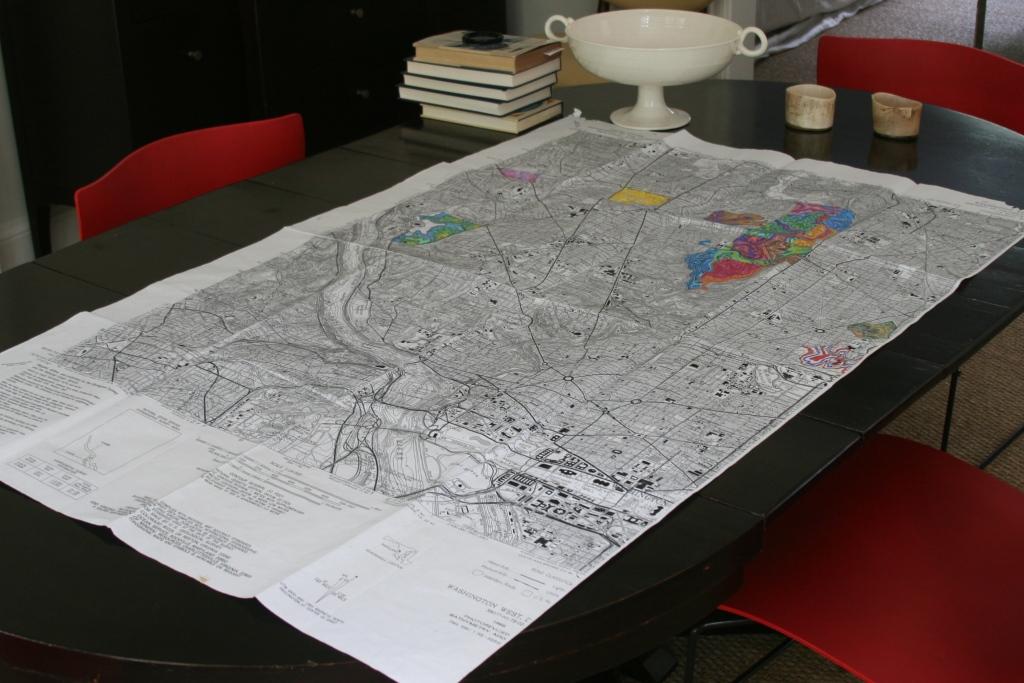
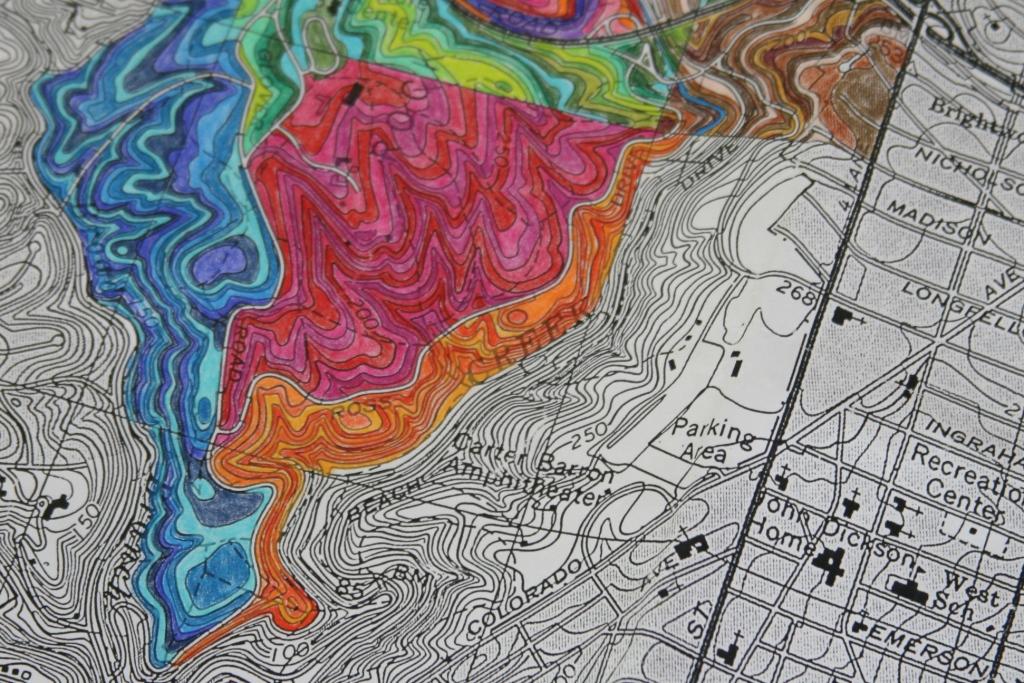
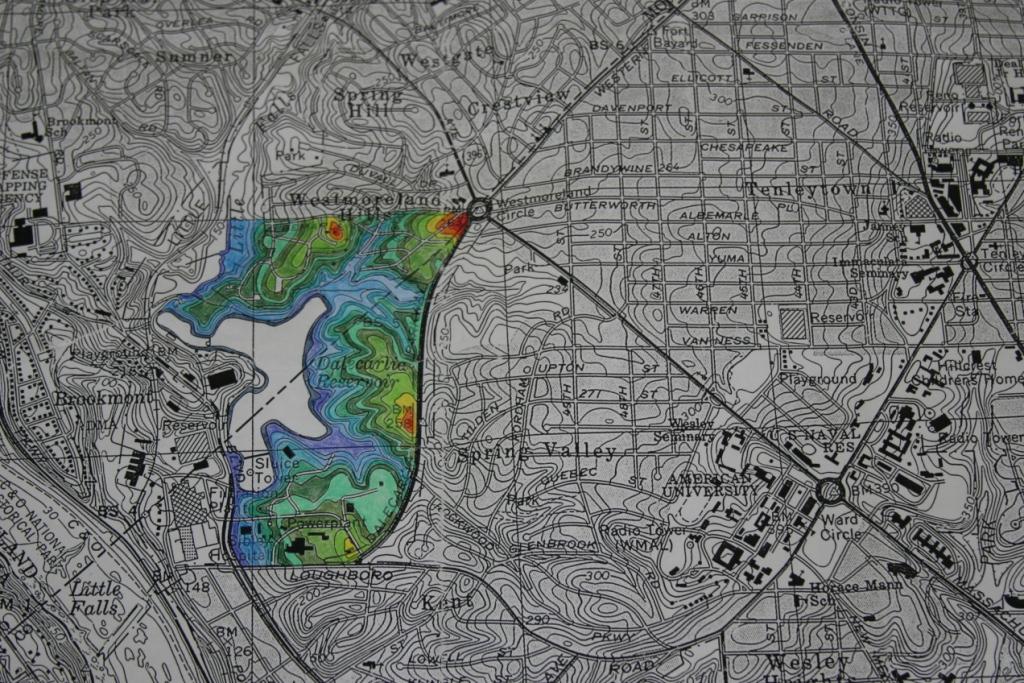
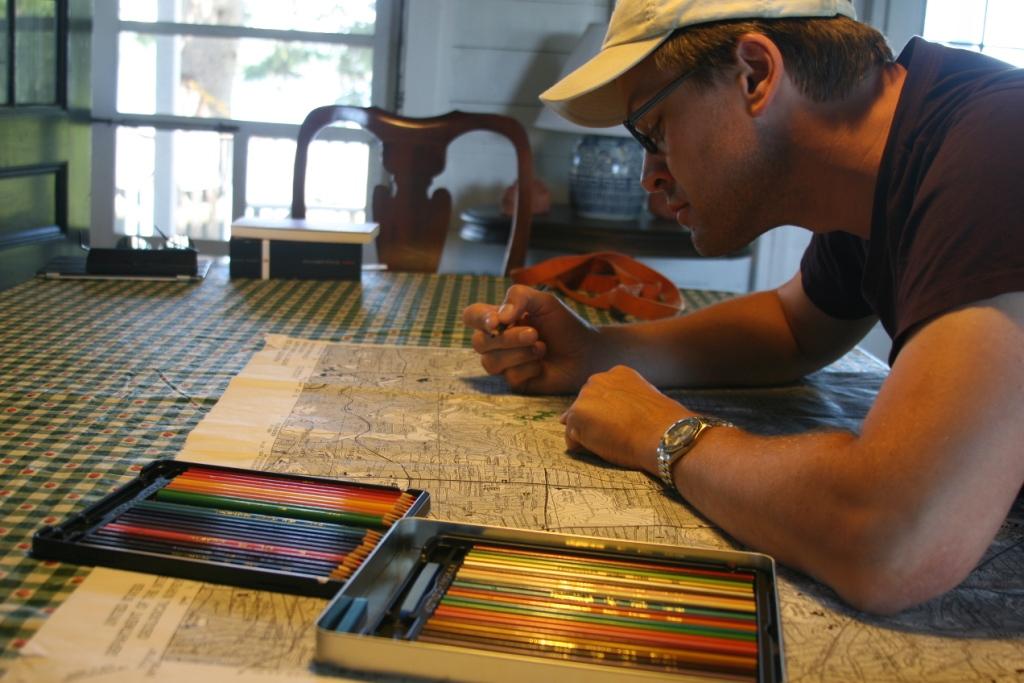
Years ago I got a very large photocopy of a U.S. Geological Survey Topographic Map of Washington, DC. When I first brought it home my thought was to use it as a reference map. But over the years I felt like the contour lines on the map were just begging to be colored-in. For those of you who have never seen one before, a topographic map usually shows the elevation of a mapped area using contour lines that represent a fixed distance (in this case the space between every line represents 10 feet). So the closer together the lines, the steeper the slope, the further away the lines are the flatter the land.

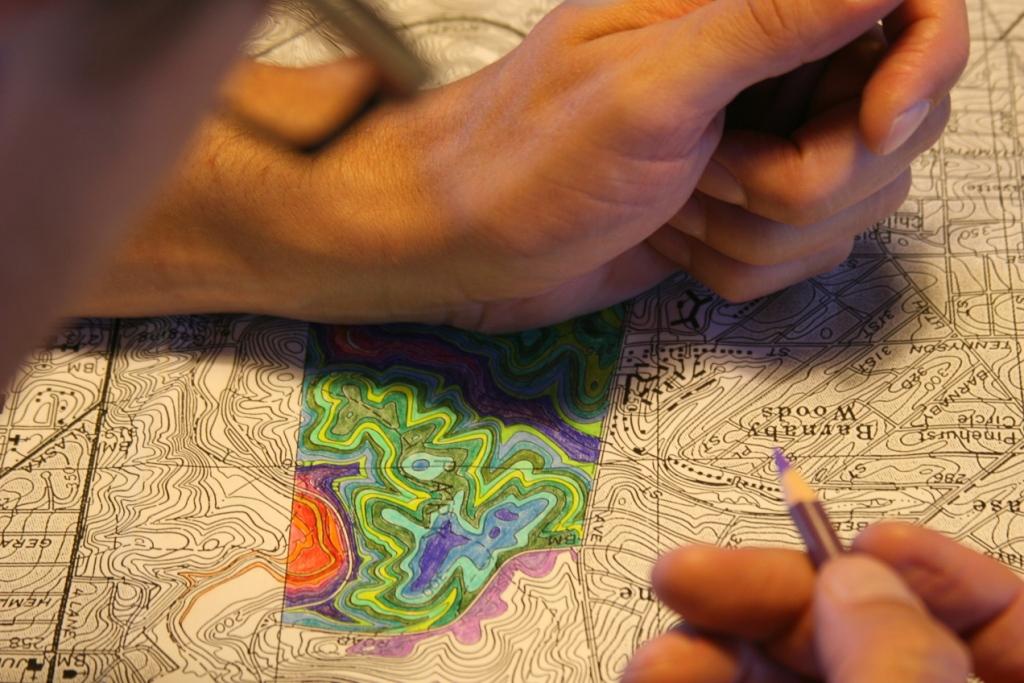
Contemplating two weeks without TV or Internet, I knew I would crave something that wasn’t reading. One needs a break from everything after all. What I suspected was that I would have a blast coloring. The Disney princess coloring book I did with my niece back in March didn’t quite do it for me. But this map, with all of its interesting patterns, and a nice set of colored pencils could really be the thing.

And it was.

The first photos are me getting started while we were in Maine. I am not sure I will color here at home but I did take a few pictures since we got home just so you can see what I did while we were away.

Book Review: Lady Susan by Jane Austen


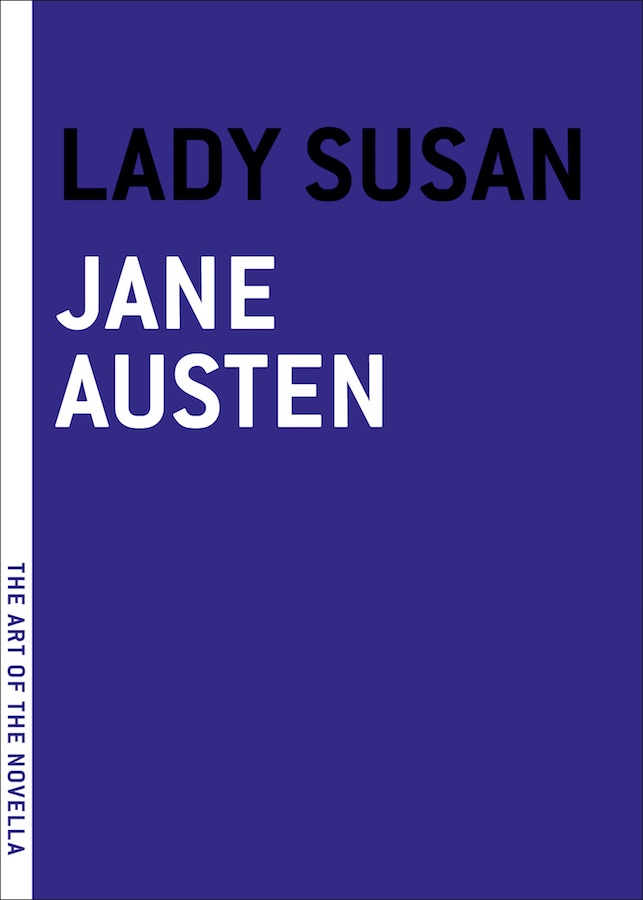
I love an espistolary novel so when Teresa pointed out that Lady Susan is an epistolary novella, I moved it right to the top of my list. Often I am disappointed because the letters included in such works of fiction have way too much quoted speech or dialog in them. To the point where there is little credibility in the epistolary nature of the work. One day I would love to find a work of epistolary fiction that reads like the correspondence in 84, Charing Cross Road. If anyone knows of a such a work let me know.

Austen does much better with the form than most authors. It isn’t until about half way through that she starts to use much quoted conversation. Perhaps she got lazy. I don’t think she needed to invent conversation to keep the narrative moving along. I liked the fragmentary nature of the letters back and forth. This is one form where I think it is good if not everything is crystal clear. I might try my hand one day at an epistolary something. Although not being a talented fiction writer I am at a distinct disadvantage. Then again maybe I should just read volumes of letters for the effect I appreciate. In my libarary I have unread volumes of correspondence to and from Gustav Mahler, Virgil Thompson, Stephen Spender, Edith Sitwell, May Sarton, the Mitford Sisters, GB Shaw, and others. And I loved my undergraduate History paper which used much from the five volume set of the letters of Sir Edward Elgar.

But I digress. Lady Susan is a conniving bitch and unlike other reviewers I don’t think she is deserving of any sympathy. She is the definition of selfish and deserves whatever lumps come her way.

The Verdict: A total pleasure.


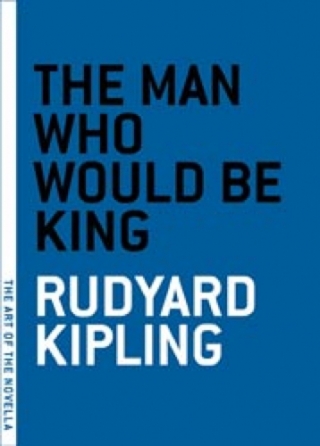
Book Review: The Man Who Would Be King by Rudyard Kipling


I think if you are going to be called Rudy, Rudyard is a much better name than Rudolph.

Sigh. What to say about this one? In this story of two British “ne’re-do-wells” who attempt to create their own kingdom in Afghanistan can be found fodder for those who find Kipling jingoistic as well as those who find him to be shining the light on the evils of imperialism. But in either case I just didn’t care. I was perpetually confused by the protagonists’ dialect and the smattering of non-English words. In the best of circumstances I don’t much like books written in dialect, and in this case it took a much too hale and hearty tale and made it far more annoying.

The Verdict: I can appreciate this for what it is, but I didn’t enjoy it for one moment. I don’t see much Kipling in my future unless it comes in cake form.


Book Review: Bartleby the Scrivener by Herman Melville


The first time I read Bartleby was in grad school. And do we ever appreciate anything properly when we are forced to read it? I worry that I can’t remember one word or feeling from the classroom discussion, but I think that says more about the quality of the discussion and less about my memory.

The second time I read it I think I was so looking for the magic key that would explain the story that I rushed through it.

This time I took it slow paying careful attention to everything. Because of this I enjoyed it.

For those who don’t know this famous story, Bartleby is a legal copyist for a Wall Street lawyer. There are many things Bartleby doesn’t want to do with his mantra being “I prefer not to”.

After looking around online (and at Frances’ review) and there are many different ways one can read this book. I even approached it with a queer perspective and really don’t put much stock in the homoerotic possibilities. The only thing that had any resonance with me is that Melville was suffering from clinical depression and fantasized about letting every obligation go bit by bit until he could finally turn his head toward the wall and die.
The Verdict: While I quite enjoyed reading Bartleby this time round, I am not sure I a m any wiser for the experience.


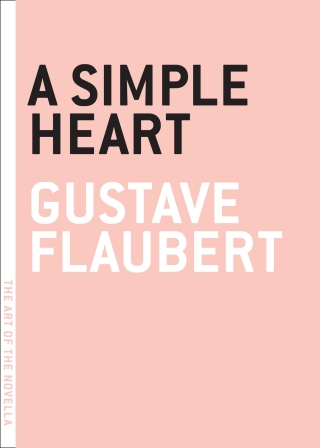
Book Review: A Simple Heart by Gustave Flaubert


Is this novella the source of Flaubert’s parrot? Or is the parrot a leitmotif in Flaubert’s work?

This is a simple tale of Félicité who spends her whole life looking for love. The longterm housekeeper for Madame Aubin, Félicité’s opportunities for love are perhaps not as many as they might be for someone with a higher position in society. Over the years she pours herself into work and her love into her charges, her boss, her nephew, and ultimately her parrot.

The Verdict: I found Félicité’s simple heart and her simple life to be intensely moving and really enjoyed A Simple Heart.


Book Review: The Dead by James Joyce


In The Dead is a story that could have gone many different ways. Taking place at a party, the reader wonders with each interaction where the plot may be headed–especially given the title. Dubliners Gabriel Conroy and his wife Gretta attend the annual dance hosted by his spinster aunts around the time of Epiphany in early January. While there he mixes with his aunts and the varied guests and generally finds himself unsure of himself and feeling rather awkward. At the end of the evening he becomes emotionally and physically amorous towards his wife. But he finds her worlds away. When pressed, Gretta tells him about her profound loss over the death of a loved one when she was seventeen. For a few reasons the story effects Gabriel deeply and one senses that he might be on the edge of a personal epiphany.

He muses:

Better to pass boldy into that other world in the full glory of some passion, than fade and wither dismally with age.

The Verdict: Much to my surprise I really liked this novella. Up to this point I had sworn off James Joyce. I think The Dead has me reconsidering that.