Bits and Bobs


Christopher Isherwood and Don Bachardy

Chris and Don
Recently John and I watched a wonderful documentary on Christopher Isherwood and his 30+ year relationship with Don Bachardy–who was 30 years his junior. A seemingly implausible May-December relationship that is not only fascinating but often touching. Imagine being 18 and tooling around with a famous author who knows the likes Truman Capote, Tennessee Williams, W.H. Auden, Somerset Maugham, E.M. Forster. If you have any interest in Isherwood or are interested in a love story about a fascinating, artistic couple, this is one to rent.

Seen on the Subway
I haven’t done a Seen on the Subway post recently. I just haven’t been paying much attention. I did, however, see a woman on the bus reading a Tove Janssen book in what appeared to be its original language. That was not quite as rare and surprising as the giant dreadlocked man (about 6’5″) in surgical scrubs unabashedly reading a bodice-ripping romance novel.

Persephone
After finishing Miss Buncle’s Book I had decided I needed to place another Persephone order. But before I got a chance to do so, Persephone sent out an email offering a free copy of A Fortnight in September if you buy three or more books. Plus their prices are going up soon. So I ordered twelve more titles–including the next Buncle book. I already have a copy of Fortnight so I will have to come up with some kind of give away for my free copy.

The Man Booger Prize
I wish I had a dime for ever shortlist post I will see in the coming weeks.

Legos are expensive
I recently broke down and bought a couple of Lego sets. I hadn’t played with them for decades and decided it would fun to do so again. Stupid me didn’t look at the prices until I bought them. Sheesh. It was fun putting them together, but holy moly they cost a lot.

Novella hangover
I thoroughly enjoyed The Art of the Novella challenge in August, but I am on an extended hangover from all that sturm und drang. I am on my third Persephone title in a row. I think when I finish this one I might be ready for something else. I should  probably go to the opposite extreme and finish the second 600 pages of The Count of Monte Cristo which have been languishing since we got back from Maine.
   

Book Review: Miss Buncle’s Book by DE Stevenson


Howdy-doody I loved this book. After all the seriousness of the Art of the Novella challenge I was desperately in need for a quick, light hearted read, and Miss Buncle filled the bill. And how.

I bought this book as part of my original Persephone order in 2009 but for some reason I have been avoiding it. I think it I was reserving it for a rainy day, but I think I was also worried that I may not like it as much as everyone else and I would be let down.

Miss Buncle’s Book is the story of Barbara Buncle who writes a novel in the hopes of making some money. Never having written a book, and having, as she notes frequently, no imagination, Miss Buncle largely transcribes the daily lives of the folks she knows in her small village of Silverstream. The second part of the novel (entitled Disturber of the Peace) is where reality is left behind as Miss Buncle takes her very real characters into uncharted waters. It doesn’t take long after publication for Disturber of the Peace to become a bestseller that sets the real village of Silverstream on its ear. And then some of the fictional parts of Miss Buncle’s book start to come true.

This book was sheer delight. I loved the story and I loved the cast of characters. The villains were villainous without being over the top and the many sympathetic characters were so wonderfully drawn the book literally had me smiling while I read it.

Often I fantasize about books I like being filmed. But I must say, I don’t want Miss Buncle’s Book put on a screen large or small. I found the book so perfectly enjoyable and the characters so wonderful that I have no desire to see someone try and dramatize it. Granted I would watch the results if they did, but I really don’t want anything to compete with what I remember from my read.

In the land of My Porch hyperbole I have been known to wax rhapsodic about many a book, and in particular about many a Persephone. But Miss Buncle’s Book climbs right to the very top of my list of favorite Persephone titles. There are still a few titles jostling with Miss Buncle for supremacy (more serious affairs like Crompton’s Family Roundabout and Whipple’s many wonders) but Buncle has a levity that just can’t be beat.

And the best part is there are 39 other novels by DE Stevenson for me to find and explore.

If you own this one and haven’t yet read it (Darlene I am looking at you), it is time to take it off the shelf and get to it.
  

Summing up The Art of the Novella


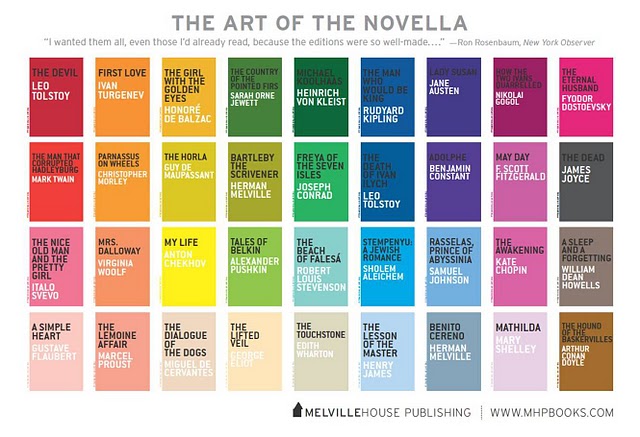
With 19 completed novellas out of the 42 that make up Melville House Publishing’s The Art of the Novella series, I officially surpassed the level of “mesmermized” (15 books) but came up just short of “obsessed” (21 books). I thought for sure I was going to get to 21 but yesterday worked out differently than planned.

Overall I had a very good time and I am glad Frances dared me into shooting for all 42. I read lots of authors I may not have gotten around to otherwise. I have to agree with some that the selection seems little on the sexist side. Lots of lusty old Russians and central Europeans don’t necessarily have gender equality on their minds.

Melville House makes a very nice book. Good design, nice paper, pleasant typography, etc. I do have to note that I spotted typos in at least five of the 17 that I read but nothing to make me less than enthusiastic about what Melville has put forward. As I read I kept thinking I should keep track of them and email the publishers but alas, I did not.

So to recap the month for me I decided to rank the seventeen books that I read. Using the verdict that I supplied with each “review” I give you my list in ascending order, from least favorite to most favorite.

19. Mathilda by Mary Shelley: Hated it for so many reasons. Go read Frankenstein instead, fewer monsters in that one.

18. The Man Who Would be King by Rudyard Kipling: I can appreciate this for what it is, but I didn’t enjoy it for one moment. I don’t see much Kipling in my future unless it comes in cake form.

17. The Horla by Guy de Maupassant: I was intrigued by the very real seeming descriptions of the descent into madness.

16. A Sleep and a Forgetting by William Dean Howells: I didn’t like this one very much because it was unhelpfully opaque.

15. (tie) The Dialogue of the Dogs by Miguel de Cervantes: While it didn’t knock my socks off, this novella included many interesting stories with moral messages that never got preachy.

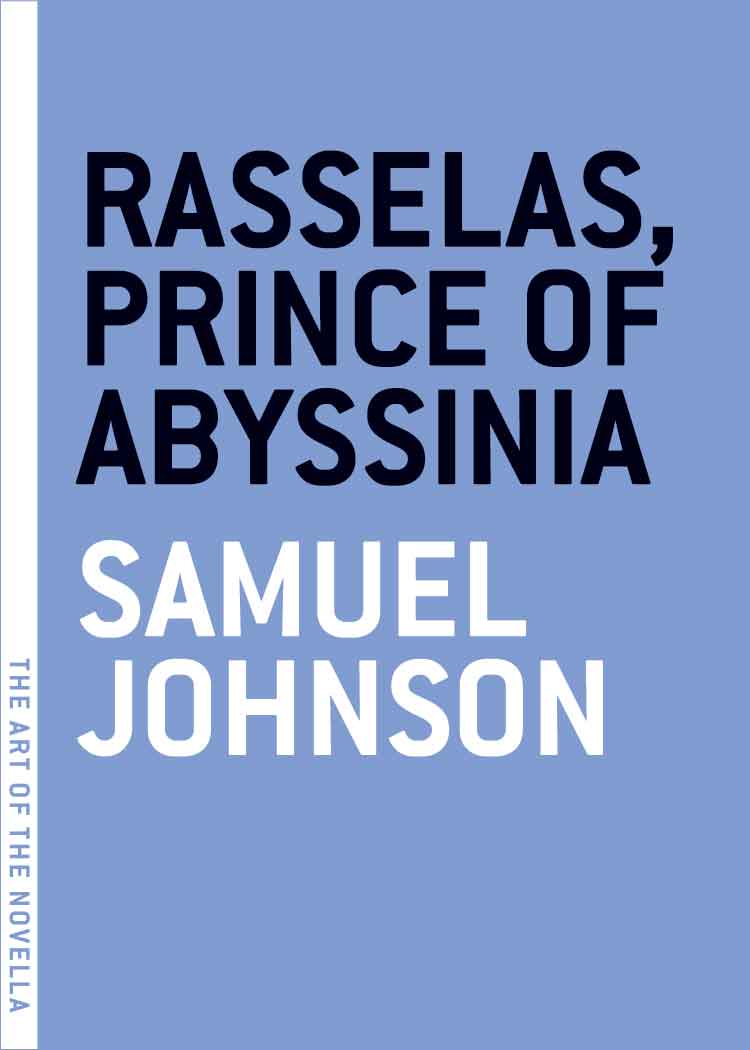
15. (tie) Rasselas, Prince of Abyssinia by Samuel Johnson: I enjoyed reading this adventure tale, but upon reflection I think it could have been more interesting if Rasselas had gotten his…um…hands a little dirty.

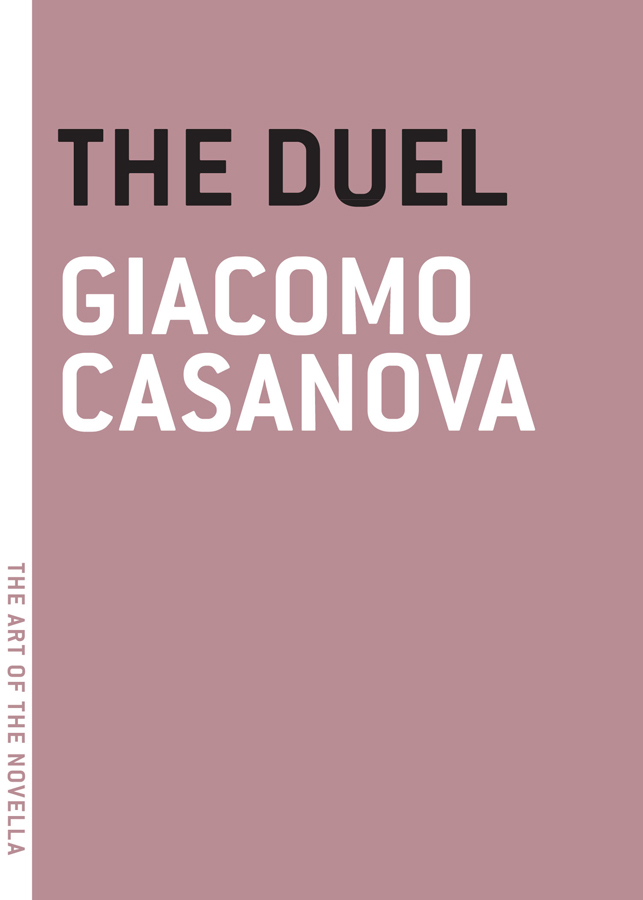
13. The Duel by Giacomo Casanova: I quite liked this story when I read it, but it seems to be more than a little forgettable.

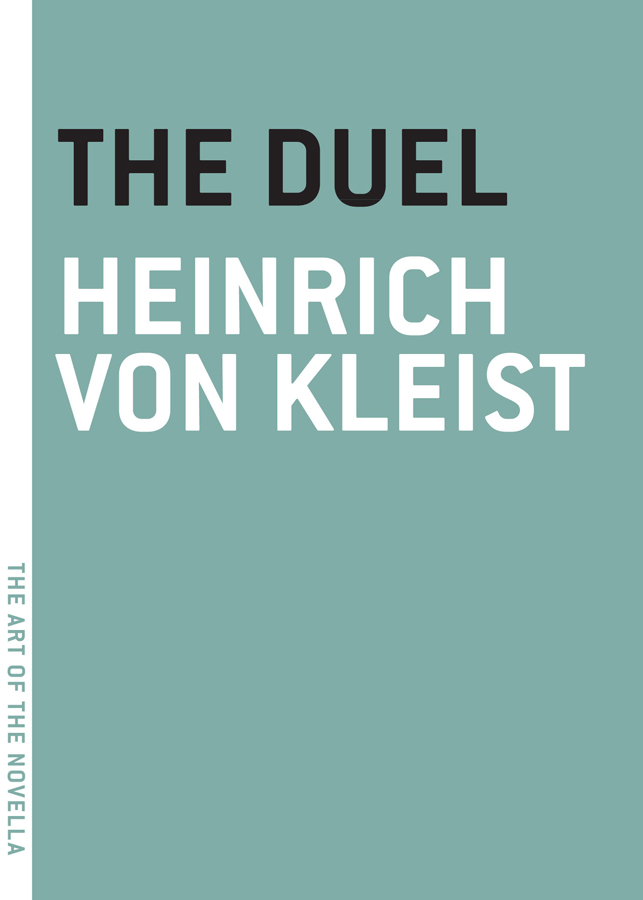
12. The Duel by Heinrich von Kleist: I was fascinated by this one because of its depiction of a duel being “indicative of God’s judgement.”

11. Bartleby the Scrivener by Herman Melville: While I quite enjoyed reading Bartleby this time round, I am not sure I am any wiser for the experience.

10. The Devil by Leo Tolstoy: I liked it for its storyteller-ish quality.

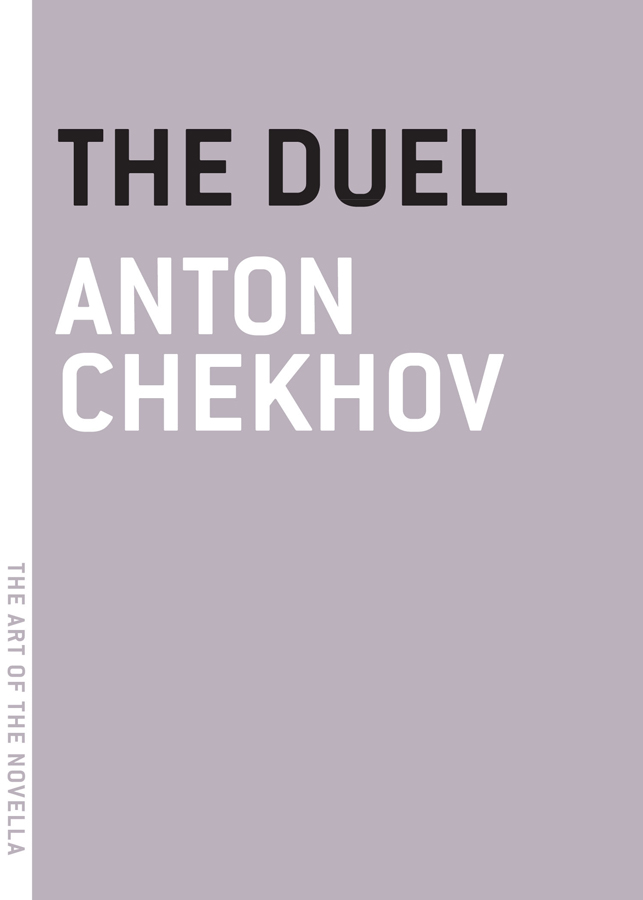
9. The Duel by Anton Chekov: I enjoyed this one for the cringe-worthy jam that Laevsky and his mistress find themselves in. Kind of enjoyed their misery because it wasn’t mine.

8. Adolphe by Benjamin Constant: I liked it because it kept me in suspense as to how such a mind-f*** would end.

7. May Day by F. Scott Fitzgerald: Didn’t want to put it down. Almost missed my train stop.

6. The Touchstone by Edith Wharton: Wharton is always worth reading.

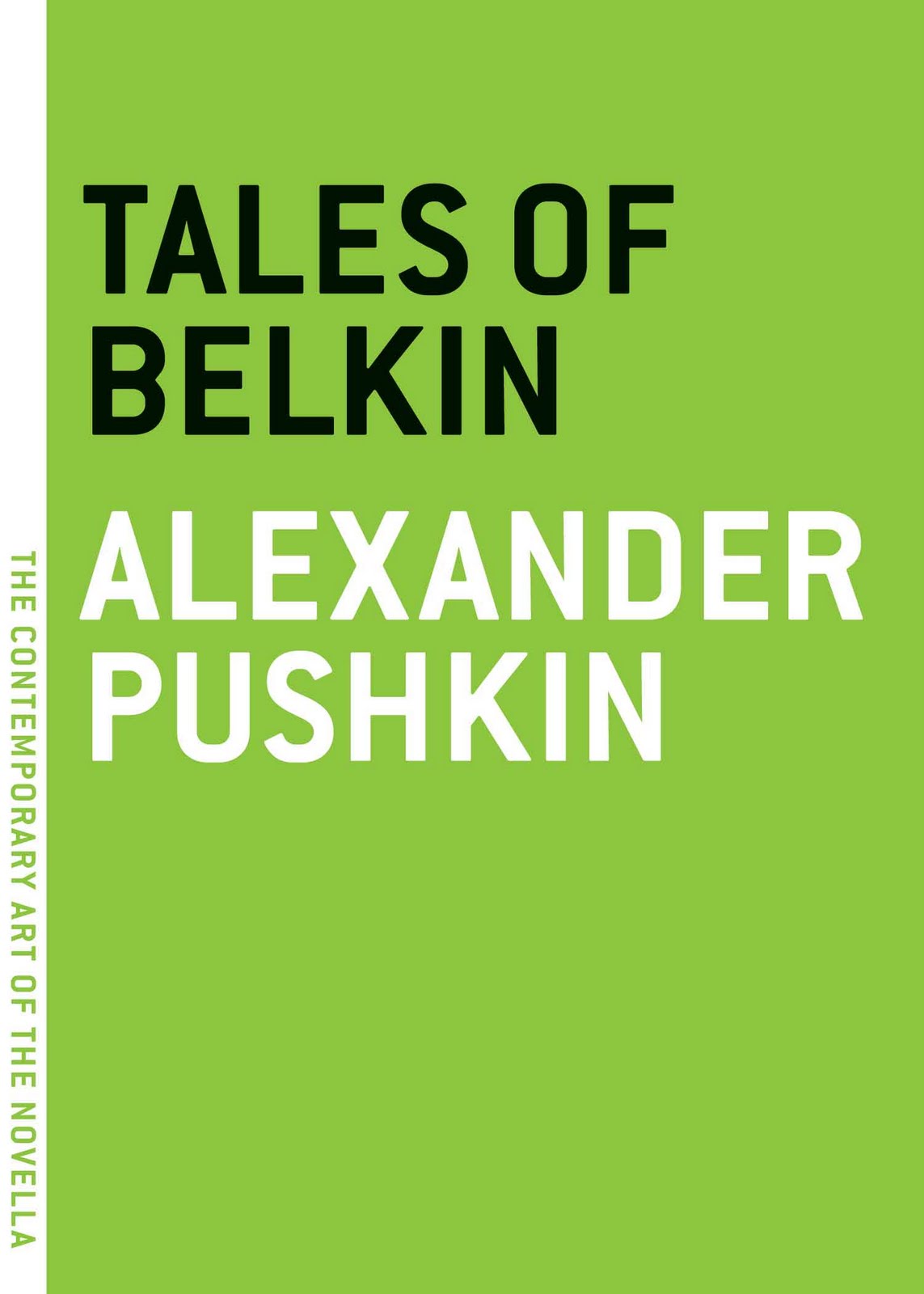
5. Tales of Belkin by Alexander Pushkin: I liked this one because it contained five well-plotted, often touching, short stories.

4. Michael Kohlhaas by Heinrich von Kleist: Despite the sad ending and the violence (which I don’t condone), I loved how this book expressed Kohlhaas’ rage.

3. A Simple Heart by Gustave Flaubert: I found Félicité’s simple heart and her simple life to be intensely moving and really enjoyed this one.

2. Lady Susan by Jane Austen: A total pleasure.

1. The Dead by James Joyce: Much to my surprise I really liked this novella. Up to this point I had sworn off James Joyce. I think The Dead has me reconsidering that.

Two things surprise me about this list. One, that I liked James Joyce. And two, that the Flaubert made it into such a high spot. It is one that I like better and better the more I think of it. There were others that were more enjoyable to read, but A Simple Heart has stuck with me.
    

Book Review: The Duel by Anton Chekov


My first Chekov. So how do I feel? Pretty enthusiastic. The story is set in a hot provincial coastal city in the Caucasus. Civil servant and general ne’er do well, Laevsky had moved there with his mistress to get away from her husband. Now two years later they no longer love each other. On top of that she is fit for no work, doesn’t know how, and he is perpetually in debt without much hope of paying it off. He wants to leave her, she kind of wants to leave him. She is a bit of a loose woman while he oddly doesn’t really stray (or did I miss something?). Van Koren, one of Laevsky’s acquaintances really dislikes Laevsky and tricks him into a duel intending to kill him under the guise of giving Darwinian natural selection a helping hand.

Instead there is a transformation…which I found kind of anticlimactic and a little facile.

The Verdict: I enjoyed this one for the cringe-worthy jam that Laevsky and his mistress find themselves in. Kind of enjoyed their misery because it wasn’t mine. Phew.

Book Review: The Tales of Belkin by Alexander Pushkin


This novella is a bit odd in that although they are all tales told by one man, Belkin, they read more like short stories than a full on novella. But they are a great collection of short stories. Oddly, one has a duel as a theme, obviously a rather popular subject in its day. Another is about an elopement that goes wrong due to a snowstorm. Or does it? One about an undertaker whose clients come back to say hello. And yet another about an elopement, this one with a much sadder ending. And finally one about romantic subterfuge which must have had pretty wide popularity given the reference to the Lady-Maid, Akulina in Anton Chekov’s novella The Duel, which I will review in a moment.

The Verdict: I liked this one because it contained five well-plotted, often touching, short stories.


Book Review: Michael Kohlhaas by Heinrich von Kleist

     
[I decided that the feelings this novella stirred up in me required unfiltered language. So, caveat lector.]

This novella was a bit of a barn burner. Literally. The second of two books by in Melville’s novella series, I really felt a kinship with Michael Kohlhaas, the eponymous protagonist. Upstanding citizen Kohlhaas is scammed by a prick of a landowner whose servant is allowed to unfairly confiscate his horses. When Kohlhaas applies for judicial relief, he finds out that the prick landowner is seemingly related to everyone and they dismiss Kohlaas’ suit out of hand. Thoroughly frustrated by the situation and by a personal tragedy brought on by the situation, Kohlhaas goes on an ape-shit crazy, but righteous, arson-ous, murderous, rampage against anyone who tries to protect the prick landowner. It turns into a bit of a populist uprising that feels like the start of a revolution.

Even Martin Luther gets involved, beseeching Kohlhaas to cease his rampage. Now, I don’t condone violence in any form. But I could really identify with Kohlhaas’ frustration and rage. Part of my OCD issues center around my need for everyone to play fair and by the same rules. So when the upstanding Kohlhaas keeps getting screwed by unjust rule breakers it didn’t take me long to sympathize with what the poor man was going through.

The Verdict: Despite the sad ending and the violence (which I don’t condone), I loved how this book expressed Kohlhaas’ rage. In his own words: “You can make me go to the scaffold, but I can make you suffer, and I mean to.”

Book Review: The Duel by Heinrich von Kleist


This is the second of the five duel novellas published in the Melville series. I must admit when I ordered the whole set of 42 books I was thinking that it was “duals” not “duels”. I didn’t bother to look into what they were. I assumed they were five books that had two novellas in each volume–that is a book with dual novellas.  Imagine my surprise and embarassment when they show up and they are actually five novellas all with the same title The Duel.

Live and learn.

I found von Kleist’s duel particularly interesting. Frankly it doesn’t even matter what the plot is–although it is interesting. For me the fascinating thing about this duel is that although the book was written in 1810, the action takes place in the fourteenth century, when duels were actually treated as Divine judgement. In other words the loser of a duel was guilty because god let him lose. How can you argue with logic like that?

The Verdict: I was fascinated by this one because of its depiction of a duel being “indicative of God’s judgement.”


Book Review: Rasselas, Prince of Abyssinia by Samuel Johnson


Written by the author who brought us such bestsellers as the dictionary, Rasselas is a somewhat fantstical adventure story. Something I didn’t expect. This is my first time reading Dr. Johnson and for some reasons I was expecting something on the dry side and overtly theological. Amazing what false notions we can harbor out of ignorance.

Rasselas is a Prince whose father keeps him and the rest of his family in an Eden-like magical kingdom that is cut off from the rest of the world. Nothing bad ever happens there. Everything is always hunky-dorey. But do you remember the episode of The Simpsons when Bart vexes his Sunday School teacher by wondering if one gets used to the fire and pain inflicted in hell? Well, I had a similar, but opposite thought about Rasselas. Doesn’t one get bored with everything being perfect? Apparently so, since Rasselas and his sister make a run for it after tunneling their way out of Eden with the help of a philospher friend. What they find on the outside are all the vagaries and vices of the real world. Not surprisingly, their years away make them long for the perfection of Abyssinia.

Obviously lots of morals in this story. And I can tell you why they didn’t have such a good time on the outside, because they were goody two shoes who never let themselves go and actually participate in the vice around them. I guess that is what happens when you unleash a staid, moralistic Englishman (Dr. Johnson) on the messy wide world. Nothing. Just lots of repression and the imposition of cookie-cutter moral uprightitude on the rest of the world.

The Verdict: I enjoyed reading this adventure tale, but upon reflection I think it could have been more interesting if Rasselas had gotten his…um…hands a little dirty.