Bits and Bobs (the "it’s been a long time" edition)

Upset c.1887
Joseph Decker (1853-1924)
de Young Museum, San Francisco

Scanner Wars and Sunday Painting
It has been a while since I have done a Bits and Bobs. But it has been an even longer time since I have done a Sunday Painting. You may remember several months ago when I wrote about getting into a physical altercation with my scanner/printer. Well, I wasn’t kidding and I only just now have replaced it. Actually John got if for me for Christmas (rewarding bad behavior) but it took a while to arrive and I finally decided to hook it up this weekend. (“Hook it up” isn’t the right phrase considering it is wireless.)

So in honor of having a scanner again, I decided to revive Sunday Painting, my occasional feature where I post a scan of one of the many art postcards I have collected over the years. How ironic then, that my first one out of the gate is one that I didn’t actually scan. I fell in love with this painting at first sight. If I could own and hang in my house one work of art that is currently in a major collection, it would be this one. Kind of a strong statement given all the amazing art I could choose from, but there is something about this painting that makes me covet it. Maybe it is because the de Young Museum which owns it, doesn’t provide a postcard of this little lovely, and the artist is relatively obscure and I can’t find a color image in any book that makes me want to own the real thing so badly.  And just look at the image itself. Similar to my taste in fiction, I love paintings with lots of detail of mundane objects and subjects. Can you just imagine the owner of this box of candy?

This poster is celebrating its Diamond Jubilee
Should the Queen be getting all the attention? Well, perhaps more than a poster. And to be perfectly truthful, this poster won’t have its Diamond Jubilee until next year. Since it is the Queen’s accession to the throne that is at the 60-year mark, not her 1953 coronation, this poster, has to wait until next year to really celebrate. But when you think about it, that is probably a good idea. The poster won’t have to share the limelight with all the Queen’s festivities. (And I did use the new scanner for this image.)

Poster designed by Gordon Nicholl
National Railway Museum, York

Will I get Jubilee-fever when I am in England?
A few months ago John and I were pondering our travel schedule for the year and we decided to go somewhere for about eight days in the May/June time frame. Being the kook that I am, I almost love planning travel more than doing it, so running through the list of options once dates are chosen is perhaps one of my favorite things in life. After sifting through the possibilities on our very long wish list, and balancing them against our plans for next year, we soon settled on a trip to England. We thought it would be a great time for John to see some gardens. It seems the only time we ever make it to England these days is over the Veteran’s Day holiday and gardens aren’t quite as interesting in the cold, foggy days of November as they are in the Spring.

All of this is prelude to say that I wasn’t even thinking of the Queen’s Diamond Jubilee or the possibilities of related events and exhibits when we bought our plane tickets. But then last week I came upon this post by Meg at Pigtown Design just up the road in Baltimore all about the Jubilee and some of the events surrounding it. Like one at the V&A of Cecil Beaton portraits of the Queen. But that ends in April. Shoot. I suppose I could go up to Leed’s which is where it goes next, but that is too far off our itinerary. Or I could try the Diamond Jubilee Pageant at Windsor Castle, but that really isn’t my cup of tea. The one I really, really want to see is an exhibition of her diamonds at Buckingham Palace. But that doesn’t start until the end of June.
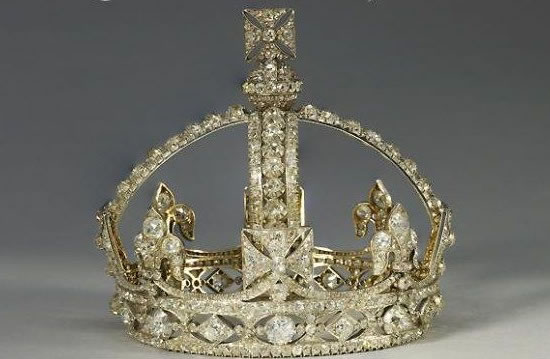
Queen Victoria’s Small Diamond Crown

Thankfully there is The Queen: Art and Image at the National Portrait Gallery (one of my favorite museums in London) that will actually be running while we are there.
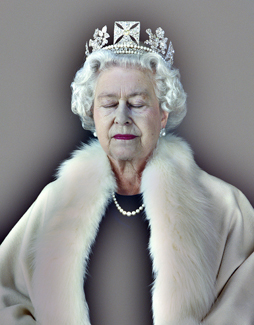
Lightness of Being, 2007
Christine Levine

And speaking of Baltimore (and queens)
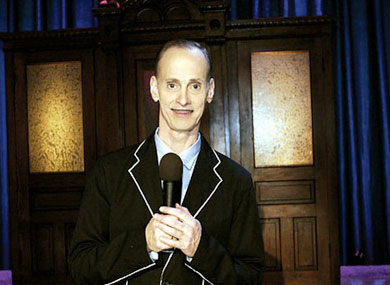
Last night we watched The Filthy World. A one-man show by Baltimore’s most infamous native son, John Waters. Everyone knows that he is the genius behind the film Hairspray. But some may not know that he is the king of really filthy films that are all about really bad taste and have been banned and censored all over the world. Well, his one-man show is hilarious. Waters is brilliant and talks non-stop for an hour and half going over the highlights of his childhood and career. But please, unless you know about the early John Waters and his penchant for the irreverent and filthy, do not rent this one. Or don’t say that you weren’t warned.
But where are the books?
It has been a while since I posted a book review and I am not sure when that is going to change. My reviews have never really approached the standards of real book reviews, (Hmm, why don’t we hyphenate that? I bet it was at some point. Isn’t the noun “book” serving as an adjective? Teresa, what say you?) being more like personal musings on my reading experience. But I think I may be at a point where I don’t feel like writing them. Originally I started doing them so I would better remember what I had read. But I could do that without trying to turn them into reviews. My work has taken a very interesting, but brain-intensive turn (more on that in the weeks to come) that makes me want to turn off a bit more at night rather than trying to provide analysis or description of what I am reading. I think I may come up with some abbreviated format that frees up time for posts like this one and more time for reading.

A Century of Books

Simon made the button too. (At least I am assuming he did.)

When Simon first posted about the A Century of Books challenge it appealed to my listy ways, but since it requires reading 100 books in one year, I thought better of it. I have in the past read more than 100 books in one year, but that was when I was only working three days a week (aka the salad days). The basis of the challenge is to read one book from every year of the 20th century.  As I said, I wasn’t going to participate, but then I thought I could tie it into my TBR Double Dare and see how many years I could knock out. But still, I did not take up the challenge.

Then a few weeks ago when John was out of town, I stayed up until about 3:00 am. One of the things I felt the need to do instead of sleep was to make a spreadsheet listing each year of the century and then filling in the blanks with the 60 or so books that are in my TBR Double Dare pile. But I still wasn’t sure if I was going to participate. But then Simon’s recent post about the Modern Library’s book of the 200 best books since 1950 really got me interested. So I’m in.

And by the by, the results of my list making with my TBR Double Dare stash are kind of interesting. I was able to fill in about 37 years. Of course for some years I have more than one title in that TBR pile. With four books, 1946 had the most overlap, 1934 and 1940 have three titles each, and 1908, 1929, and 1990 each had two.  And the teens are most under represented with a big goose egg.

As you will see from the list below the 1940s is the most complete decade based on my TBR Double Dare pile.  But keep in mind I have about another 200 unread books in my library that I will be able to add to the list once April 1st rolls around. It will be kind of cool to see if I can fill all 100 years without resorting to outside books.

I have no idea if I will come anywhere close to finishing, but we all love a list so here it is.

I have already completed the one’s that are crossed out. When there was more than one title for any given year in my TBR Double Dare, I only listed the one I am most likely to read. And those marked “ML100” are on the Modern Library’s list of the top 100 novels of the 20th century, which I have been working my way through since 1997.

[UPDATE: I have been updating this list as I finish books so the text above may no longer be entirely accurate.]

1900 – Lord Jim by Joseph Conrad (ML100)
1901 – Kim by Rudyard Kipling or Buddenbrooks by Thomas Mann
1902 – The Immoralist by Andre Gide or The Wings of the Dove by Henry James
1903 – The Riddle of the Sands by Erskine Childers
1904 – The Golden Bowl by Henry James (ML100)
1905 – Professor Unrat by Heinrich Mann
1906 – Young Torless by Robert Musil
1907 – The Secret Agent by Joseph Conrad (ML100)
1908 – Love’s Shadow by Ada Leverson
1909 – Strait is the Gate by Andre Gide or Martin Eden by Jack London
1910 – Impressions of Africa by Raymond Rousse
1911 –
1912 – The Charwoman’s Daughter by James Stephens
1913 – T. Tembarom by Frances Hodgson Burnett
1914 – Dubliners by James Joyce or maybe Penrod by Booth Tarkington
1915 – The Underdogs by Mariano Azuela
1916 – Under Fire by Henri Barbusse
1917 – Gone to Earth by Mary Webb or Parnassus on Wheels by Christopher Morley
1918
1919 – Consequences by E.M. Delafield
1920 – Women in Love by D.H. Lawrence (ML100)
1921 –
1922 – The Judge by Rebecca West or Jacob’s Room by Virginia Woolf
1923 – The Ladies of Lyndon by Margaret Kennedy
1924 – Some Do Not by Ford Madox Ford (ML100)
1925 – No More Parades by Ford Madox Ford (ML100)
1926 – A Man Could Stand Up by Ford Madox Ford (ML100)
1927 – Rhapsody by Dorothy Edwards
1928 – Last Post by Ford Madox Ford (ML100)
1929 – The Last September by Elizabeth Bowen
1930 – Angel Pavement by J.B. Priestly or The Deepening Stream by Dorothy Canfield
1931 – Saraband by Eliot Bliss or Poor Caroline by Winifred Hoitby
1932 – Young Lonigan by James T. Farrell (ML100)
1933 – Frost in May by Antonia White or Ordinary Familes by E. Arnot Robertson
1934 – The Young Manhood of Studs Lonigan by James T. Farrell (ML100)
1935 – Judgment Day by James T. Farrell (ML100)
1936 – Summer Will Show by Sylvia Townsend Warner or Eyeless in Gaza by Huxley
1937 – Lady Rose and Mrs. Memmary by Ruby Ferguson
1938 – Princes in the Land by Joanna Cannan
1939 – Pale Horse, Pale Rider by Katherine Anne Porter
1940 – Sapphira and the Slave Girl by Willa Cather
1941 – The Living and the Dead by Patrick White or Hangover Square by Patrick Hamilton
1942 – Clark Clifford’s Body by Kenneth Fearing
1943 – Gideon Planish by Sinclair Lewis
1944 – Cluny Brown by Margery Sharp
1945 – The Pursuit of Love by Nancy Mitford
1946 – Every Good Deed by Dorothy Whipple
1947 – Under the Volcano by Malcolm Lowry (ML100) or Not Now, but Now by MFK Fisher
1948 – The Loved One by Evelyn Waugh
1949 – Love in a Cold Climate by Nancy Mitford
1950 – Our Spoons Came From Woolworths by Barbara Comyns
1951 – A Game of Hide and Seek by Elizabeth Taylor
1952 – The Village by Marghanita Laski
1953 – Lucky Jim by Kingsley Amis
1954 – Tortoise and the Hare by Elizabeth Jenkins
1955 – The Talented Mr. Ripley by Patricia Highsmith
1956 – The Flight From the Enchanter by Iris Murdoch
1957 – The Midwich Cuckoos by John Wyndham or Pnin by Vladimir Nabokov
1958 – A Glass of Blessings by Barbara Pym
1959 – The Flame Trees of Thika by Elspeth Huxley
1960 – The Bachelors by Muriel Spark
1961 – Stephen Morris by Nevil Shute or Catch-22 by Joseph Heller (ML100)
1962 – Pale Fire by Vladimir Nabokov (ML100) or A Clockwork Orange by A. Burgess (ML 100)
1963 – The Old Man and Me by Elaine Dundy or An Unsuitable Attachment by Barbara Pym
1964 – A Moveable Feast by Ernest Hemingway or Arrow of God by Chinua Achebe
1965 – August is a Wicked Month by Edna O’Brien or Everything that Rises Must Converge by Flannery O’Connor
1966 – A Generous Man by Reynolds Price or The House on the Cliff by DE Stevenson
1967 – My Friend Says It’s Bullet-Proof by Penelope Mortimer
1968 – Sarah’s Cottage by D.E. Stevenson
1969 – The Waterfall by Margaret Drabble
1970 – Troubles by JG Farrell
1971 – A Meaningful Life by L.J. Davis or My Own Cape Cod by Gladys Taber
1972 – Augustus by John Williams
1973 – After Claude by Iris Owens
1974 – The Diviners by Margaret Laurence
1975 – Crucial Conversations by May Sarton
1976 – The Takeover by Muriel Spark
1977 – Golden Child by Penelope Fitzgerald
1978 – The Sweet Dove Died by Barbara Pym
1979 – The Safety Net by Heinrich Boll
1980 – Midnight’s Children by Salman Rushdie (ML100)
1981 – July’s People by Nadine Gordimer or Summer in Baden-Baden by Leonid Tsypkin
1982 – Wish Her Safe at Home by Stephen Benatar or A Pale View of Hills by Kazuo Ishiguro
1983 – Look at Me by Anita Brookner
1984 – Hotel du Lac by Anita Brookner
1985 – Oranges Are Not the Only Fruit by Jeanette Winterson or Cider House Rules by John Irving
1986 – Anagrams by Lorrie Moore or Marya: A Life by Joyce Carol Oates
1987 – One Way of Love by Gamel Woolsey or Songlines by Bruce Chatwin
1988 – English, August by Upamanyu Chatterjee or What Am I Doing Here by Bruce Chatwin
1989 – London Fields by Martin Amis or A Natural Curiosity by Margaret Drabble
1990 – Then She Found Me by Elinor Lipman
1991 – The Translator by Ward Just
1992 – The Republic of Love by Carol Shields or Arcadia by Jim Crace
1993 – While England Sleeps by David Leavitt
1994 – The Longings of Women by Marge Piercy
1995 – The Blue Flower by Penelope Fitzgerald
1996 – Alias Grace by Margaret Atwood or Infinite Jest by David Foster Wallace
1997 – Grace Notes by Bernard MacLaverty
1998 – The Book of Lies by Felice Picano
1999 – Timbuktu by Paul Auster or Cryptonomicon by Neal Stephenson

The Birth of an Obsession

When we were in San Francisco on the way back from Hawai’i I spent my timewalking from used bookstore to used bookstore while John was in meetings all day. I have been to San Francisco about five times, and John and I have done plenty of exploring. But this time I just put some Xs on a map and headed out into the sunshine. And it was so much fun, not just the bookstores, but the city itself. My quads and calves may have been barking from all the hills but my god, what an amazing city.

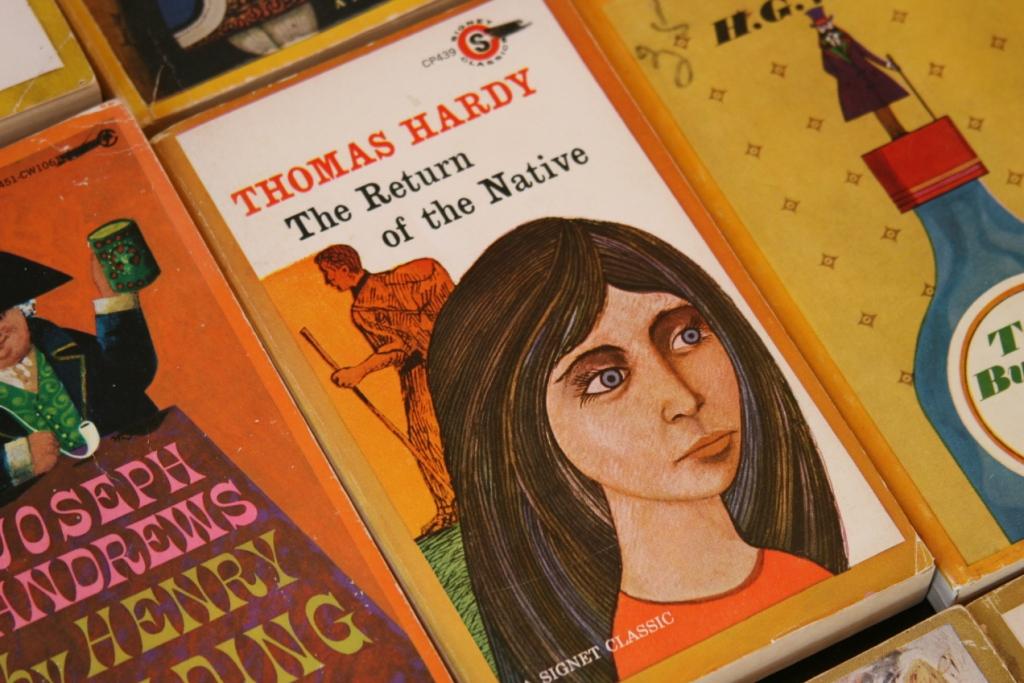
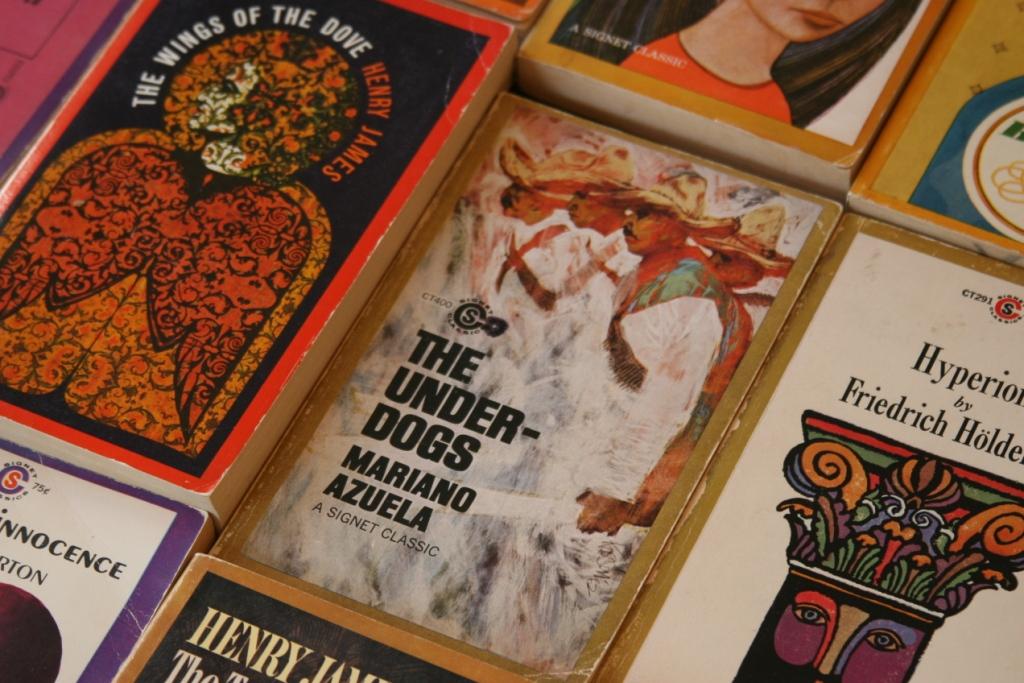
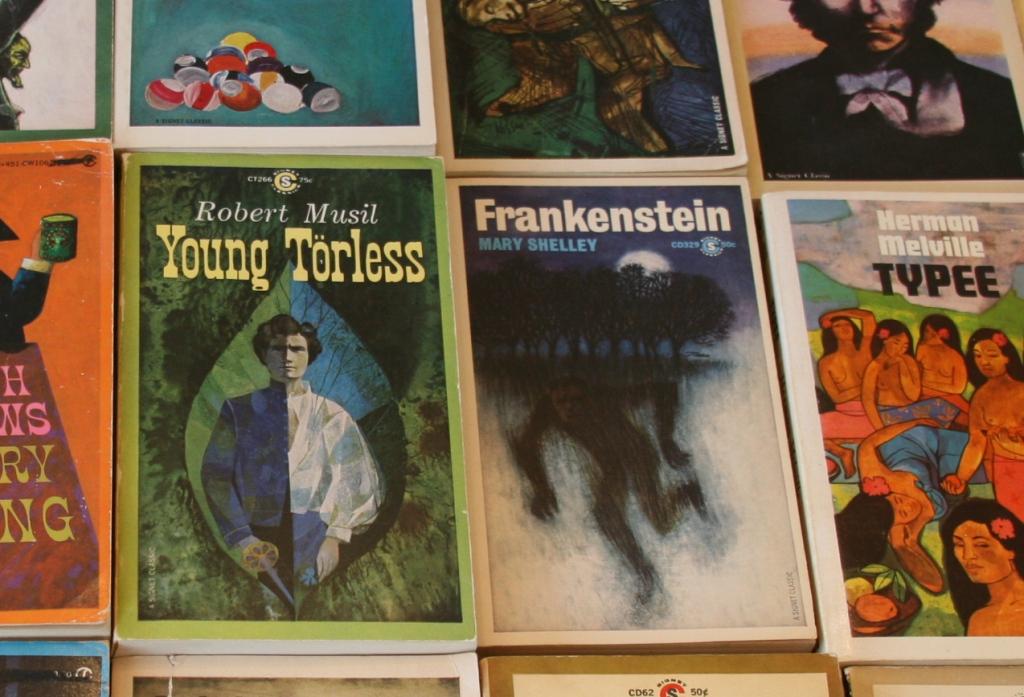
Anyhoo, while I went from bookstore to bookstore I had the same problem I had in Hawai’i at Talk Story. I had plenty of reading material and no real interest in random browsing. I felt the need to have some sort of mission. When I was in Green Apple Books it hit me. For some time I have been thinking about vintage editions of Signet Classics paperbacks. They have funky covers, really nice paper, and although they were published before I was born, I have fond memories of them floating around bookstores during my college days. So I thought, hey, why not start a Signet collection? They would be fun to hunt for at used bookstores, rummage sales, charity shops, etc. And it would be cheap. And they are fun to look at. And the earliest versions didn’t use pulp paper so the pages are really smooth and cool to the touch.

So at Green Apple I started to my obsession. Continued it later that day at another fantastic bookstore Russian Hill Books. And then soon after we were back from Hawai’i John was out of town for work so I drove out to Hagerstown and Frederick, Maryland and hunted for so more at Wonderbook.

I am not sure how far I will take this. But it is kind of fun for now.

Should male and female authors be segregated?

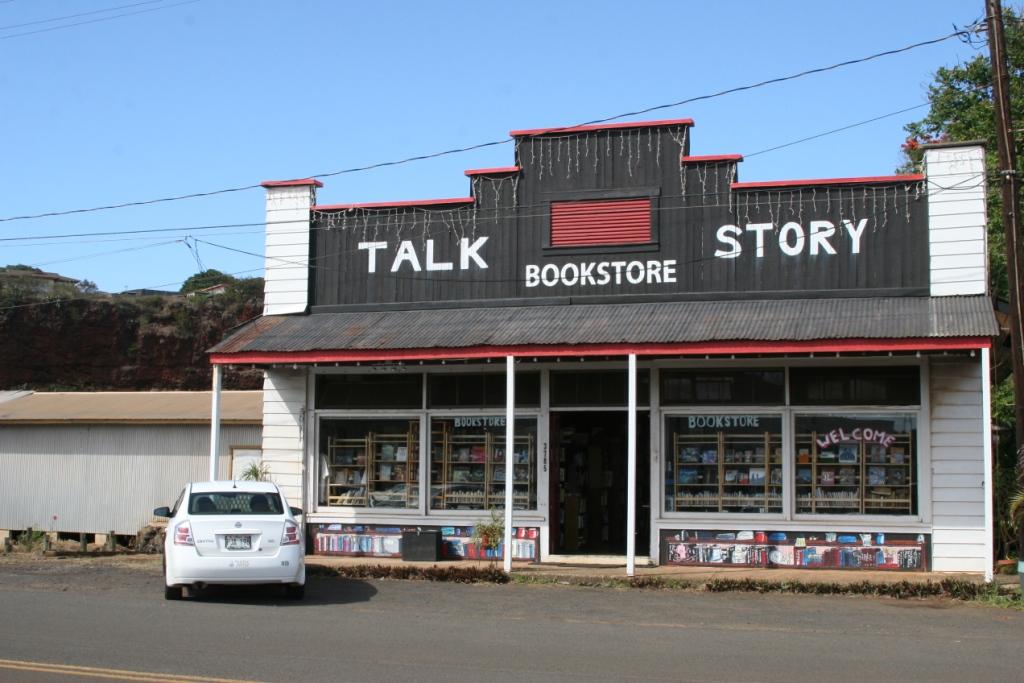
In the tiny little town on Hanapepe on the island of Kaua’i we came across this great used bookstore. Easily the best used bookstore I have ever come across in Hawai’i.  When I lived in Honolulu in the 1990s there were only two used bookstores that I knew of, and both of them were really disappointing. I was so excited to see this on Kaua’i that opened about seven years ago.

I noticed the shop had some really nice bookshelves that looked awfully familar. Proof that the book world didn’t necessarily come to and end when Borders closed. Not only did they get good shelves for cheap, but one of the owners told me that local customers who had never been in before finally checked out his store when Borders closed.

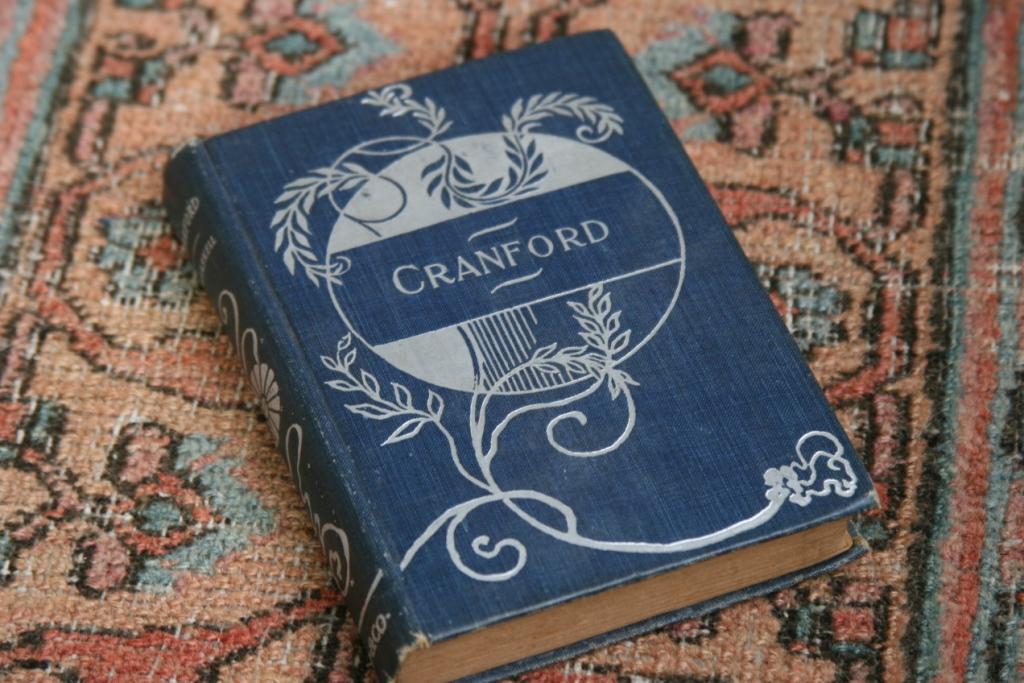
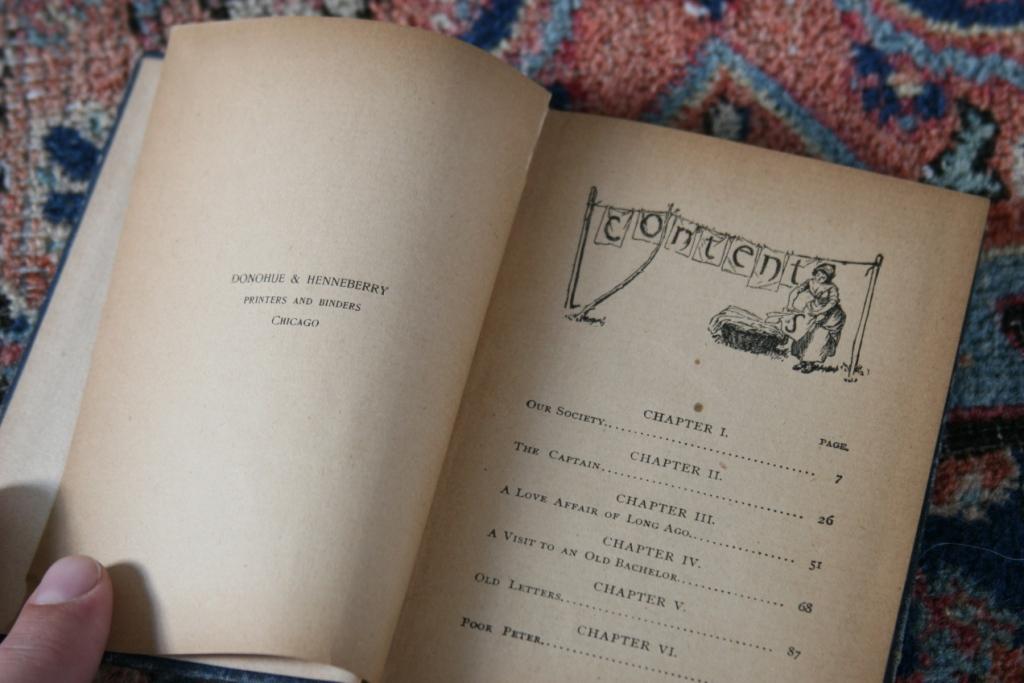
The store had good stock and had tons of great fiction that would have been great for my vacation reading. But since I already have five books with me and the luggage was too heavy already. But I did buy a very cute little edition of Cranford.

One odd thing about the store is that they separate fiction by the sex of the author. So all the male authors are alphabetical in one section, and all the female authors are alphabetical in another section. The owner told me it helped people locate books when they couldn’t remember titles or author’s names. He said they almost always remember the sex of the author, so splitting it up by sex improved the odds of finding the titleless, authorless book the customer was looking for. I’m not sure I buy it. But overall this store is gem. It would be fun on the mainland where there were other bookstore choices, being alone on Kaua’i, the western most bookstore in the United States, it is like an oasis in the desert.

Oh, and by the way, the name “Talk Story” refers to a pidgin phrase that essentially means to tell stories, or even just chat. The Hawaiian equivalent of chewing the fat, or having a chin wag. As in “Auntie came over and all we did was talk story…”

I love the way the letters are on the laundry. Especially the ‘S’

Getting up early can be fun

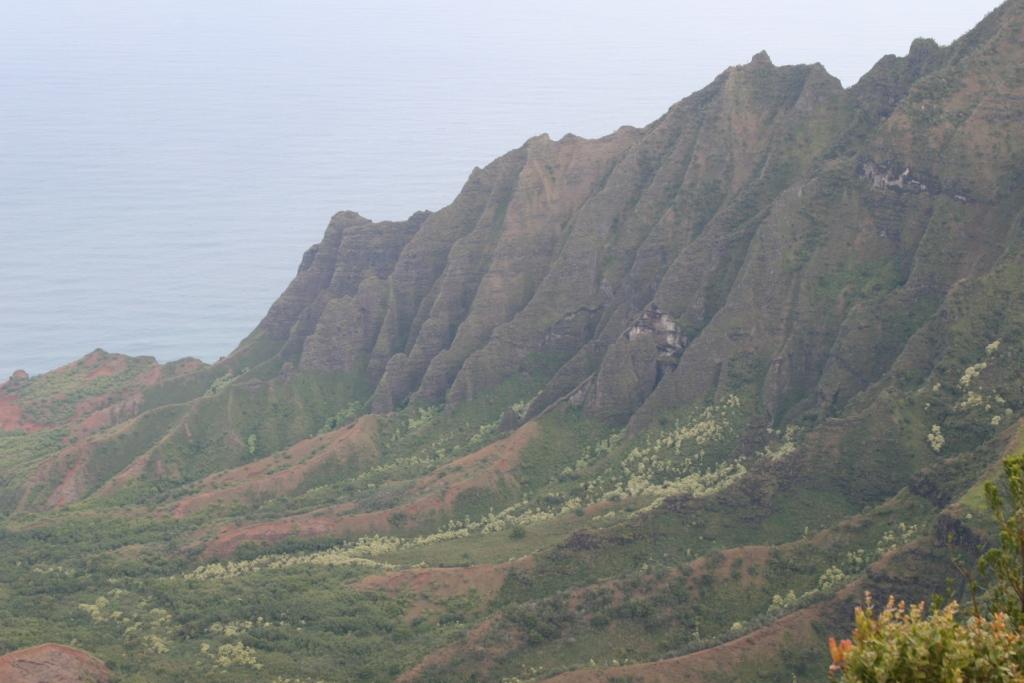
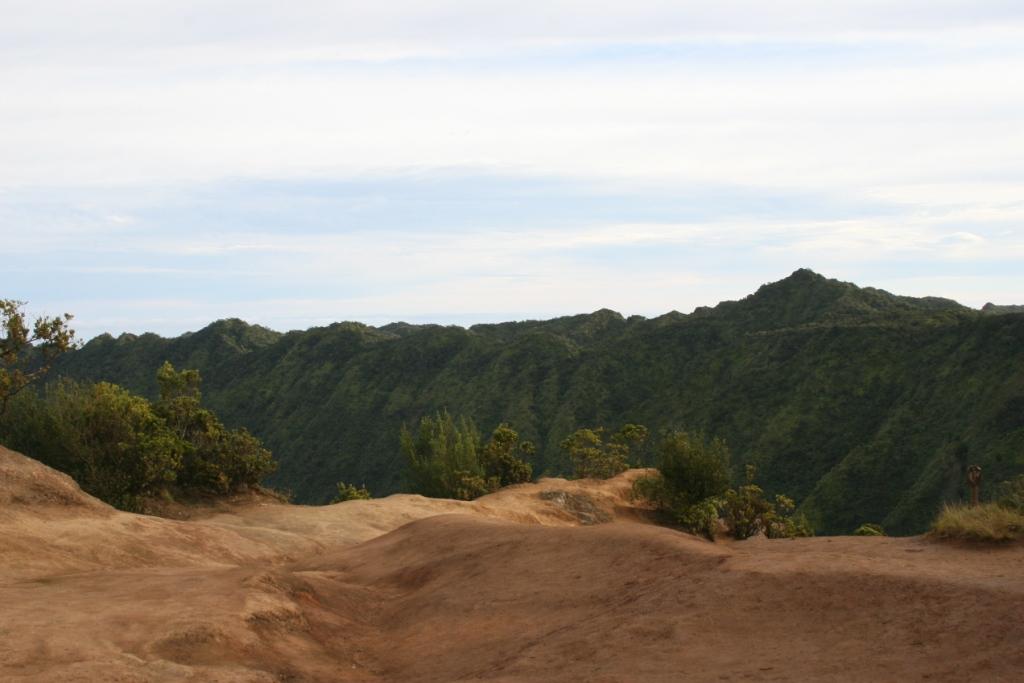
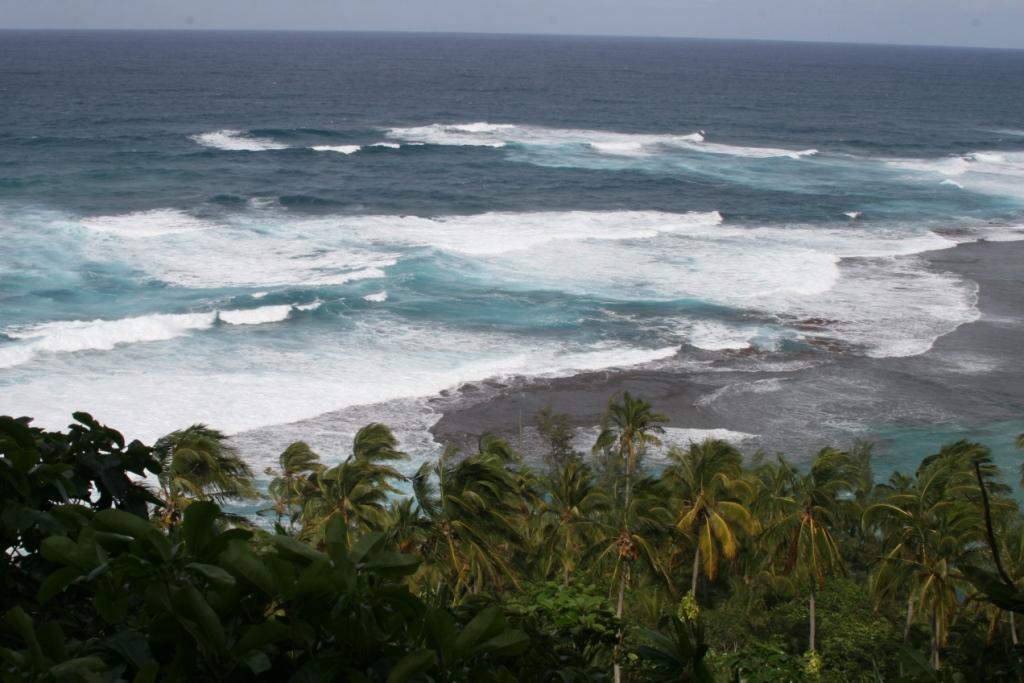
If you ever go to Kalalau lookout get up there by 8:30 in the morning. You will pretty much have the place to yourself. Just make sure you dress warmly. The cloud cover can be dodgy. I had been there three times previously and it was usually on the cloudy side and once almost totally socked in. But this time it was bright and blue.  Again the sun angles weren’t doing us any favors with the pictures, but it was really wonderful to be up there.

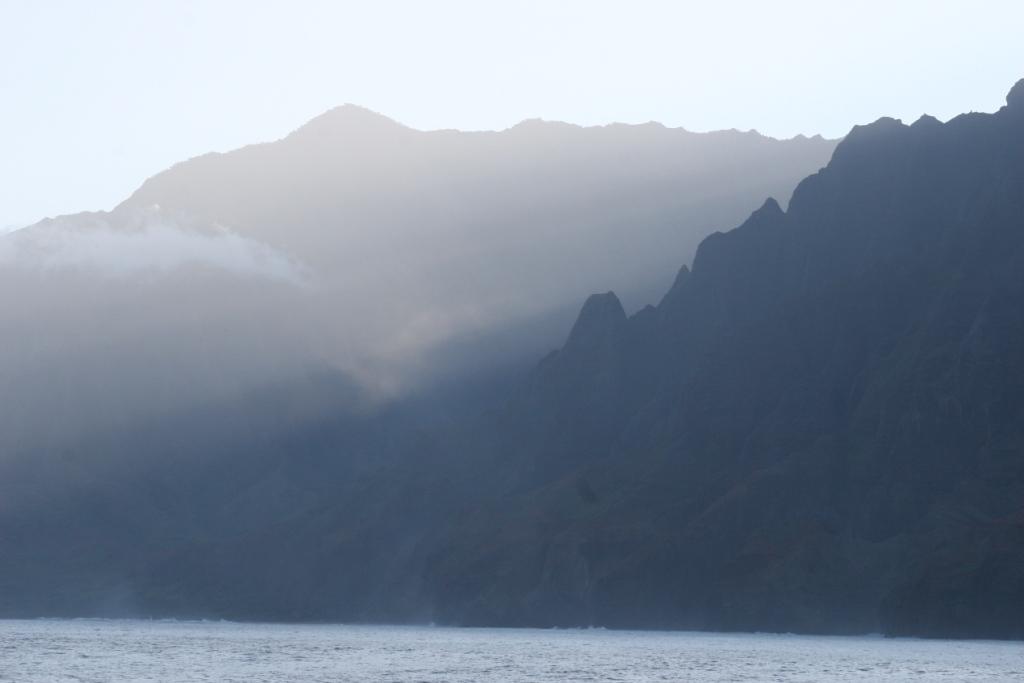
This is the widest valley along the Na Pali coast which we saw
from the water side on our first day.

This hibiscus was actually down on the coast near the Russian fort,
but it was such a cool picture I couldn’t help including it.

The Na Pali Coast and the island of Ni’ihau

On our first full day on Kaua’i we got up at the ungodly hour of 5:00 AM so we could check in for our catamaran cruise along the Na Pali coast of Kaua’i and a snorkel stop just off the forbidden island of Ni’ihau. The Na Pali coast was astoundingly beautiful but because the sun was coming up over the mountains the photos are kind of backlit and don’t really tell the whole story.

The island of Ni’ihau (below) is called the forbidden island because it has been privately owned since the 1850s and is not open to the general public. We tried to book a helicopter tour that would take you over and put down on one of the beaches, but they didn’t have enough people going on the days we wanted to go, so we took this Na Pali cruise that goes over to Ni’ihau for a little snorkelling off the coast.  The owners of the island, a Scots/Kiwi family were (are?) strict Calvinists and required that those natives living on the island convert and follow Calvinist precepts. I think they are looking to sell. I wonder if the Calvinists convey with the deed?

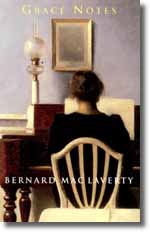
Book Review: Grace Notes by Bernard MacLaverty


I first read Grace Notes in October of 1997, soon after it was short-listed for, but didn’t win, the Booker Prize. I bought it on an extended trip to England after my two years in Hawaii and before I settled back down in Minneapolis. I am a little surprised I bought this hardcover book given that I tend not to buy HCs (especially when the author isn’t known to me) and I was on an extremely limited budget at the time and can’t believe I spent £15 on a book. That could have paid for a lot of scones with clotted cream.

When I decided to put it in my TBR Double Dare pile I had no recollection of what the story was about. I remember kind of liking it at the time and knew it had a musical theme running through it. I think what tipped me into a re-read was that, because of its cover and its association with that trip to England, the book has survived many a serious book cull. (Bought it in London, took it back to Minneapolis, moved it to Ithaca, moved it to DC, and then moved it to three different places in DC.) It seems to me that a book that has survived all of that deserves to be remembered.

Before I sat down to write this review I looked at my “books read” log to see when I first read it and I noticed that I had given it a 6 out 10 (which means “Almost liked it” on my scale). This time I give it a solid 8 which equates to “Almost loved it”.  I am not sure what I thought fifteen years ago when I first read it, but this time I was interested in the personal story, loved the way MacLaverty threaded the musical bits throughout the novel, and found myself laughing out loud in a few places.

The Story
Catherine McKenna is an Irish woman living in Glasgow and estranged from her parents who still live back in Northern Ireland. The novel starts with the death of Catherine’s father and then winds its way back through her life and how she got to be the promising young composer that she has become and how she got her daughter Anna and kept that fact from her parents until after her father’s death. One of the things I found fascinating about the story is Anna’s relationship with her Catholic faith and her Catholic parents. I left the Catholic church round about 1987. Even my life-long Catholic parents, fed up with hypocrisy in the pulpit and the pews, left the church sometime in the 1990s.

The thing about my family’s Catholicism was that it wasn’t dogmatic and it tended not to be judgemental. We were extremely active in our local parish. My dad spent so much time at church we used to joke that he would be saying Mass soon. And I was in the church youth group for four years, was the youth representative on the Parish Council, and was in the choir for seven years before going off to college. But despite all of that we weren’t the kind of Catholics who felt that other denominations were going to hell or that unwed mothers should be cast out, or any of the other hallmarks of the closed minded, mean-spirited, spiteful, superstitious, and unfortunately far too large wing of the church that has no problem covering up child rape yet thinks that gay marriage is going to bring about the end of the world. Anyhoo, since I am so far removed from that world these days, Catherine’s dogmatic and unforgiving parents seem quite anachronistic to me even for 1997. But I am probably kidding myself and that that kind of old school Catholic is probably just as prevalent as ever given the long tenure of the uber-conservative John Paul II and his once a Nazi factotum now known as Uncle Fester Pope Benedict. And lest I have offended any Catholics out there, if you are reading this blog you are unlikely to be the kind I rail against, and the Popes, having firmly put themselves in the political fray on countless issues deserve to be critiqued like any other political figure.

By the end of the book Catherine finds herself in a positive place and one can see how things might work out for her–even though many things are left unresolved.

The Musical Bits
I have come across very few good novels that include themes about classical music. Norman Labrecht does it well and Robert Ford’s The Student Conductor is a delight. Some Willa Cather does it but it seems a little more tangential or further in the background in her work. MacLaverty writes about music in a way that never really feels forced or name droppy. One really feels like composer Catherine is who she is. Not that I would know, but she seems to think like a composer and music is woven into all the threads of her life. One of the most amazing achievements is that MacLaverty describes Catherine’s compositions so well that I could hear them in my head, and really wanted to hear them for real. If only they weren’t fictional.

The Funny Bits
This novel is no comedy but it has more than a few witty obervations that made me chuckle and in one or two cases really laugh out loud.

Liz: “I must be getting old.”
Catherine: “Why?”
Liz: “I saw an outfit today in the cancer shop window I liked.”

Out of context this may not seem quite so humorous, but against the backdrop of Catherine’s depressed, frustrated life it certainly made me chuckle.

I can’t imagine too many of you are going to come across this one in your reading. But if you like books with musical themes or are doing one of those crazy “must read all Booker shortlisted books” challenges this is definitely worth pursuing.
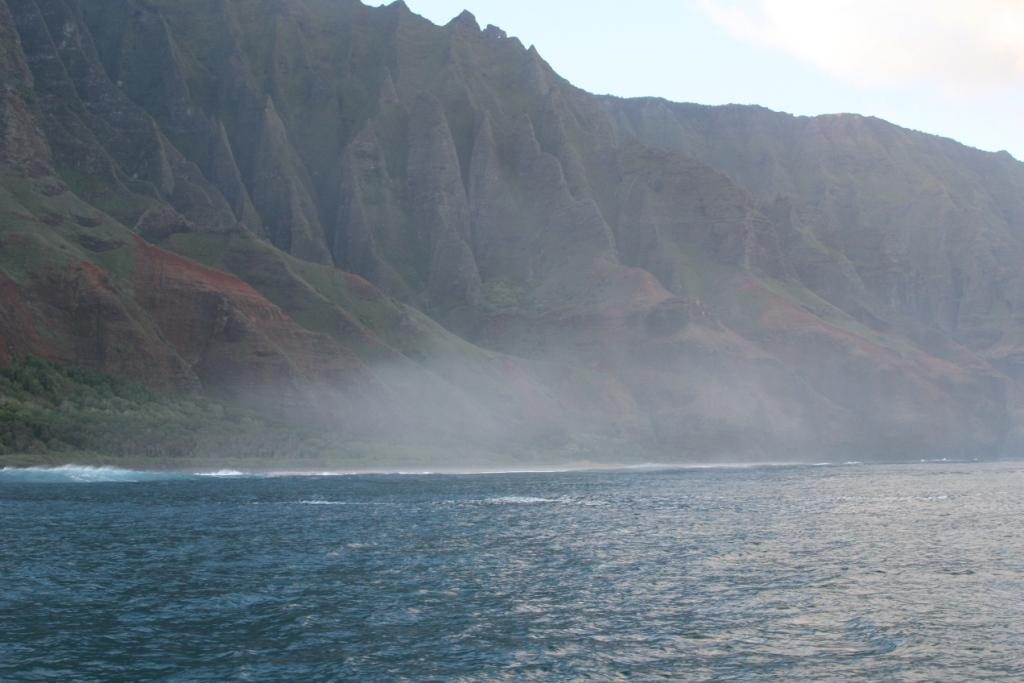
                                            

Stuff you can see on Kaua’i

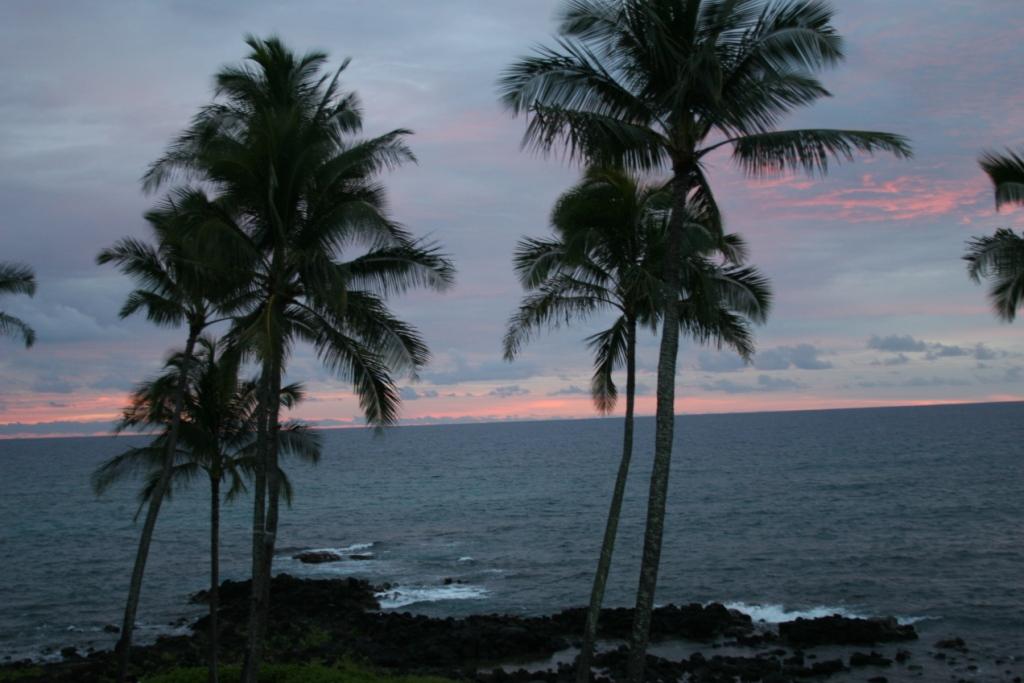
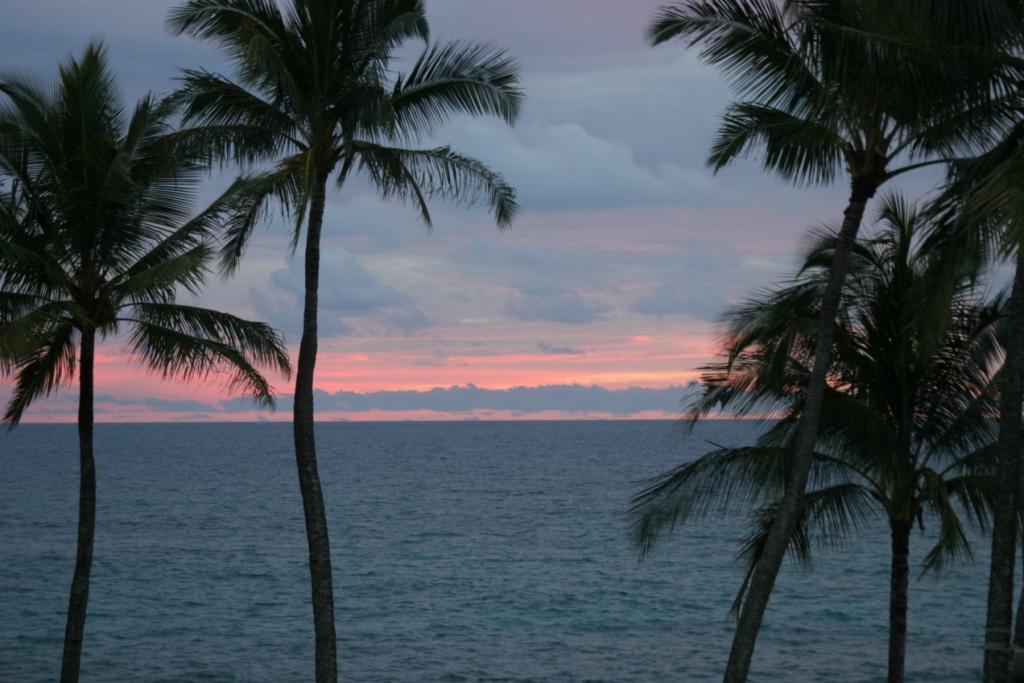
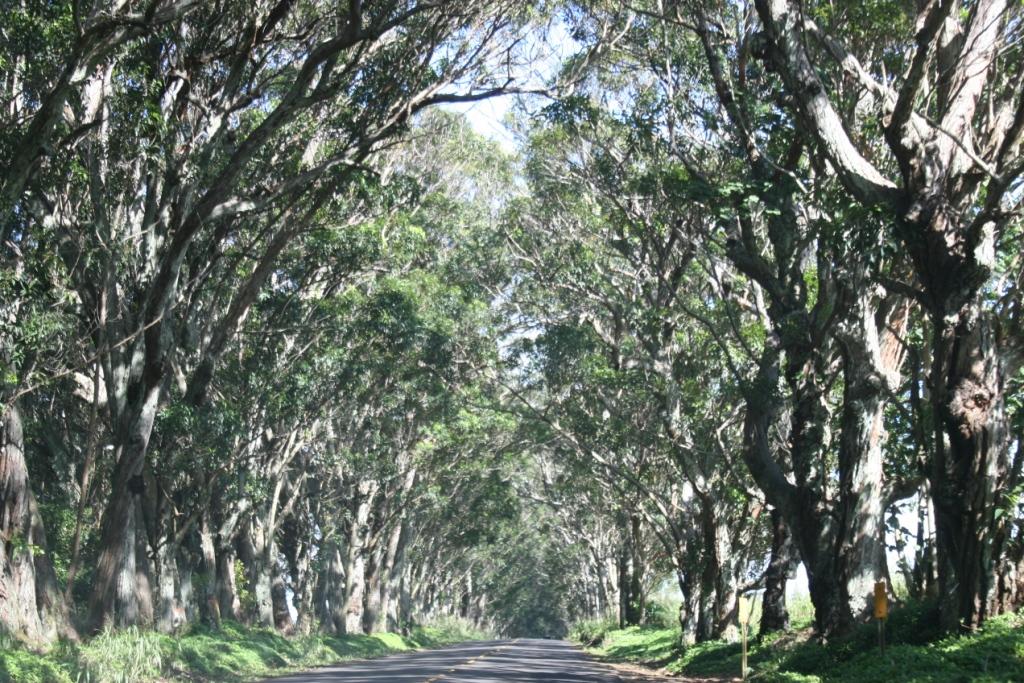
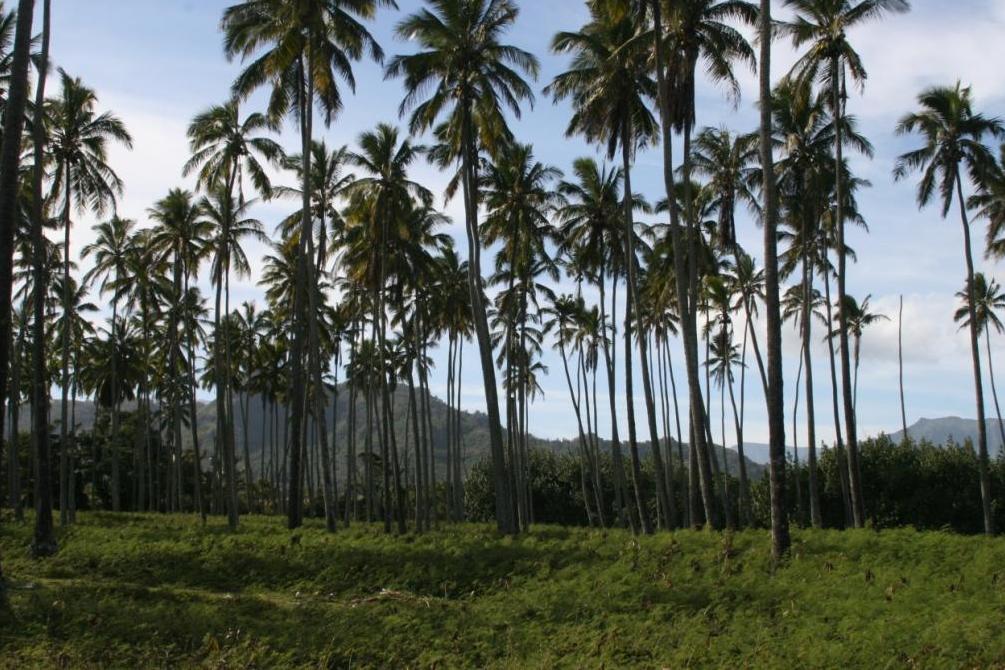
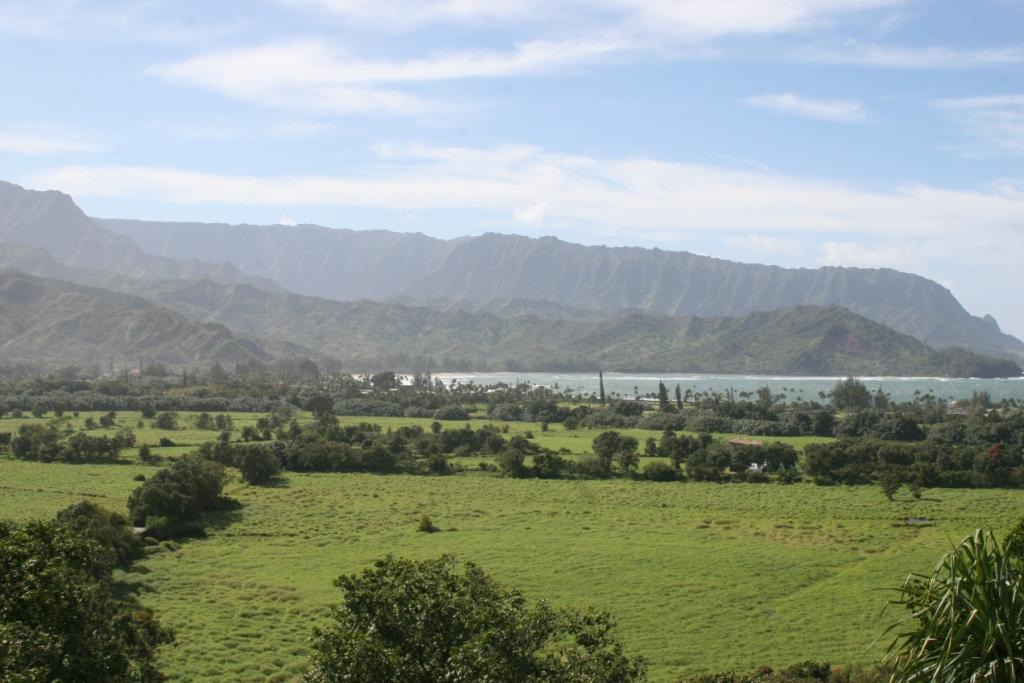
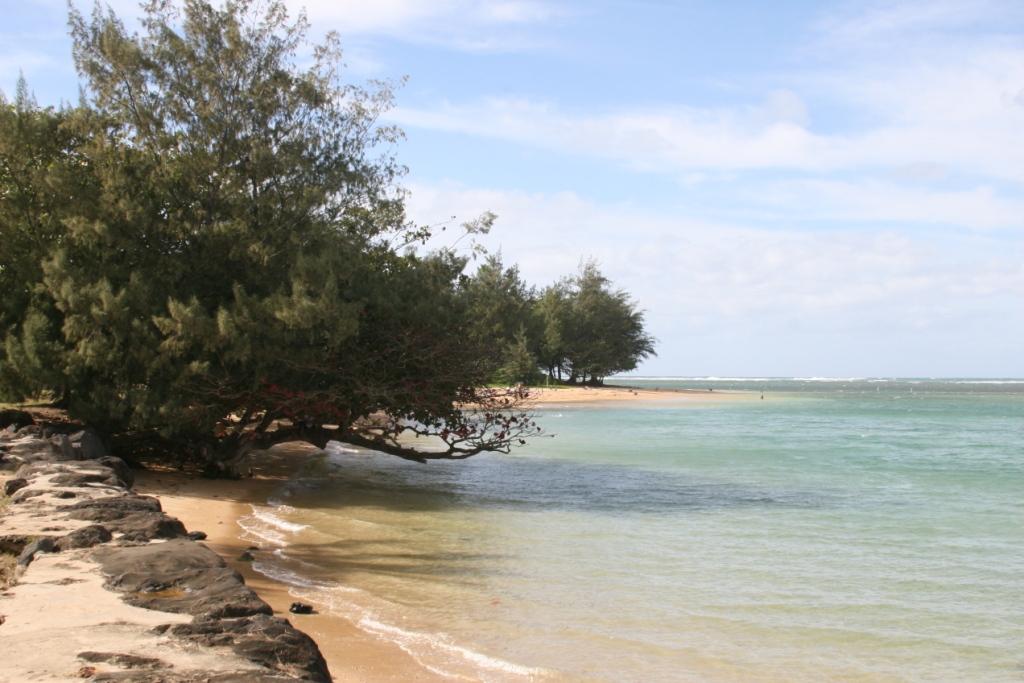
The island of O’ahu (where Honolulu is) has about 905,000 residents. The island of Kaua’i which is about the same size as O’ahu only has 64,000 residents. You can imagine how different the two islands are compared to each other. Known as the garden isle, Kaua’i is lush and green, and, as you will see in the coming days, has quite a bit of geographic diversity.