UKDay2: Looking good at the V&A

During our very short time in London (just two days), we managed to meet up with bloggers Miranda and her mother at the V&A. I had met them once before at the great blogger meet-up in November 2010, but this time we really had a chance to chat. Thanks to Miranda we were able to avail ourselves of the quiet Member’s Room for a light lunch before we all headed to the ball gown exhibit. The gowns were fascinating and some were actually beautiful. For more on that check out Pen and Pencil Girls.

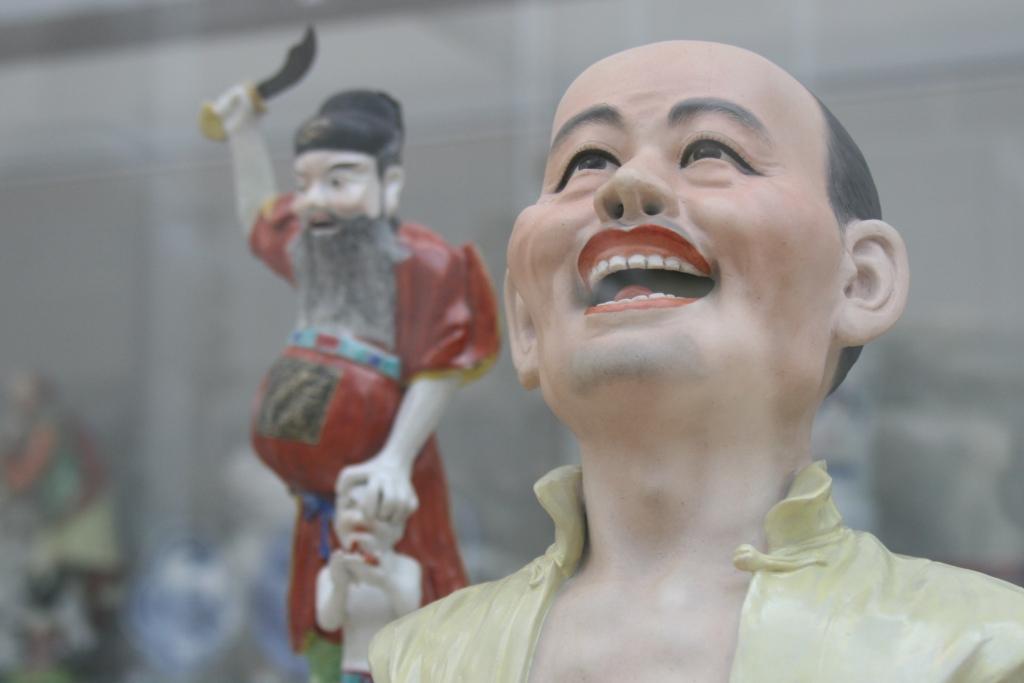
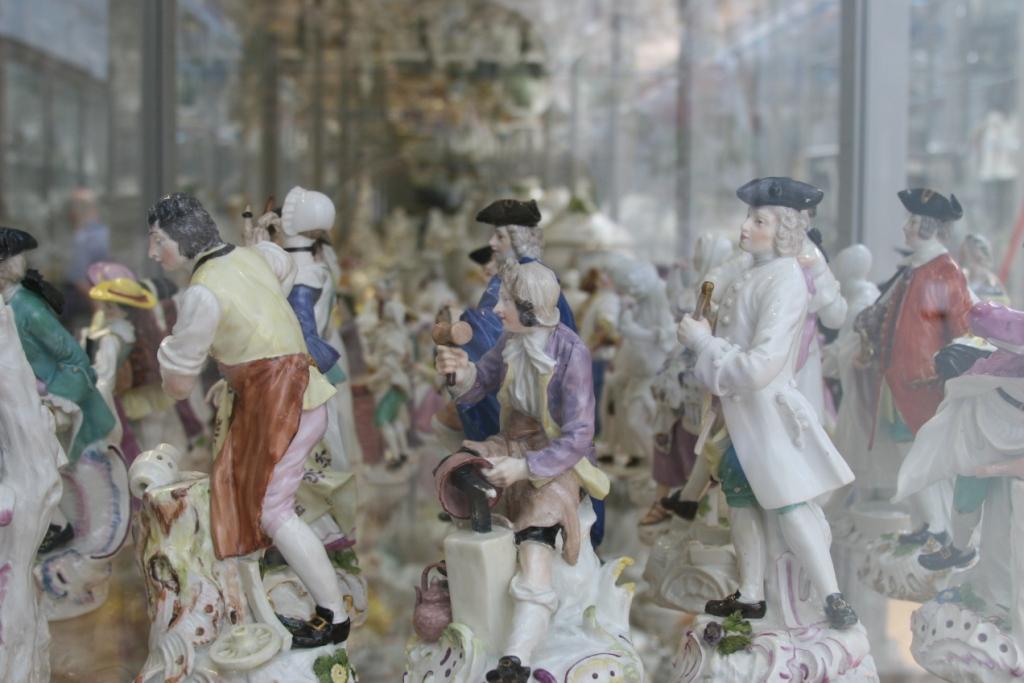
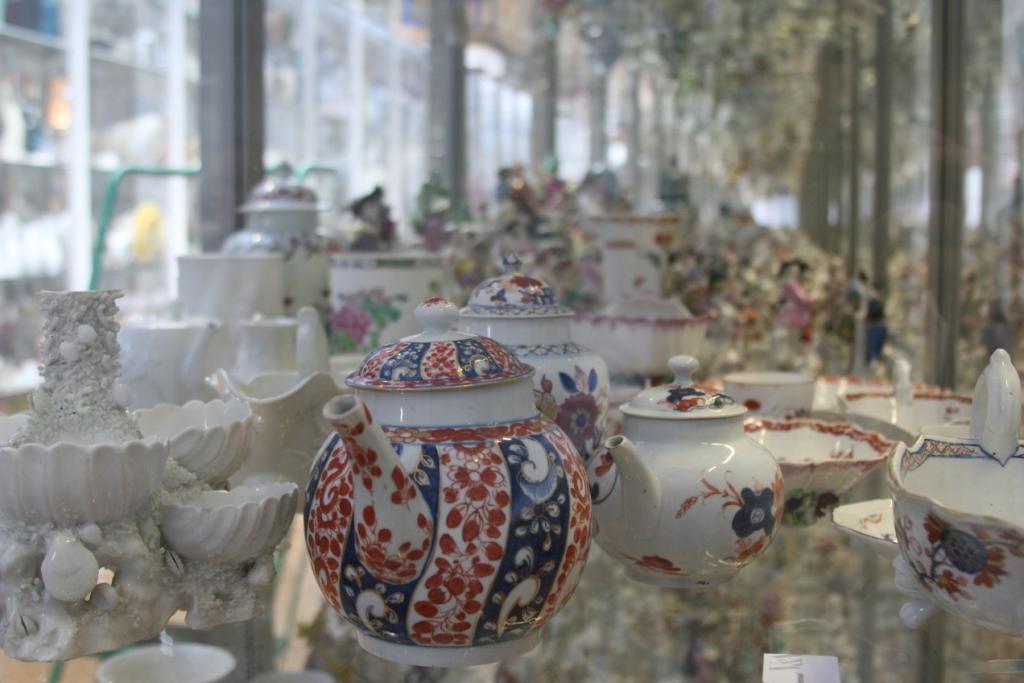
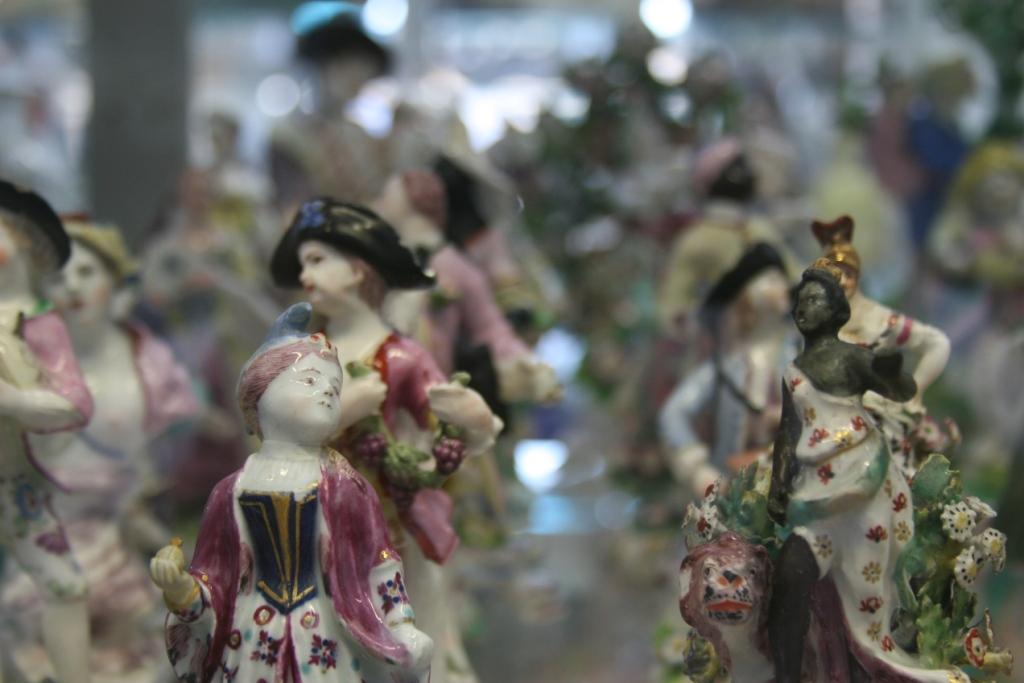
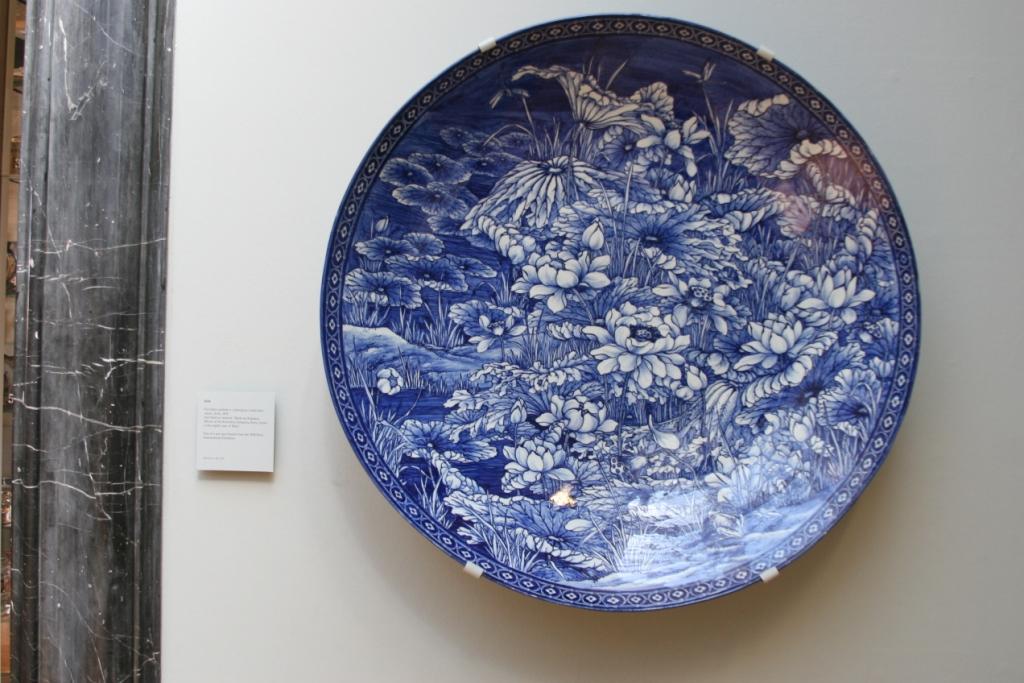
Since it has been at least 20 years since either of us had been to the V&A, John and I decided to spend the bulk of our day there exploring. And we did spend most of the afternoon there, but most of it was in the ceramics galleries.  They were wonderful. We just need a few more days to see the rest of the museum. From the V&A we made our way to Fleet Street for evensong at St Brides and then to dinner with ex-pat friends.

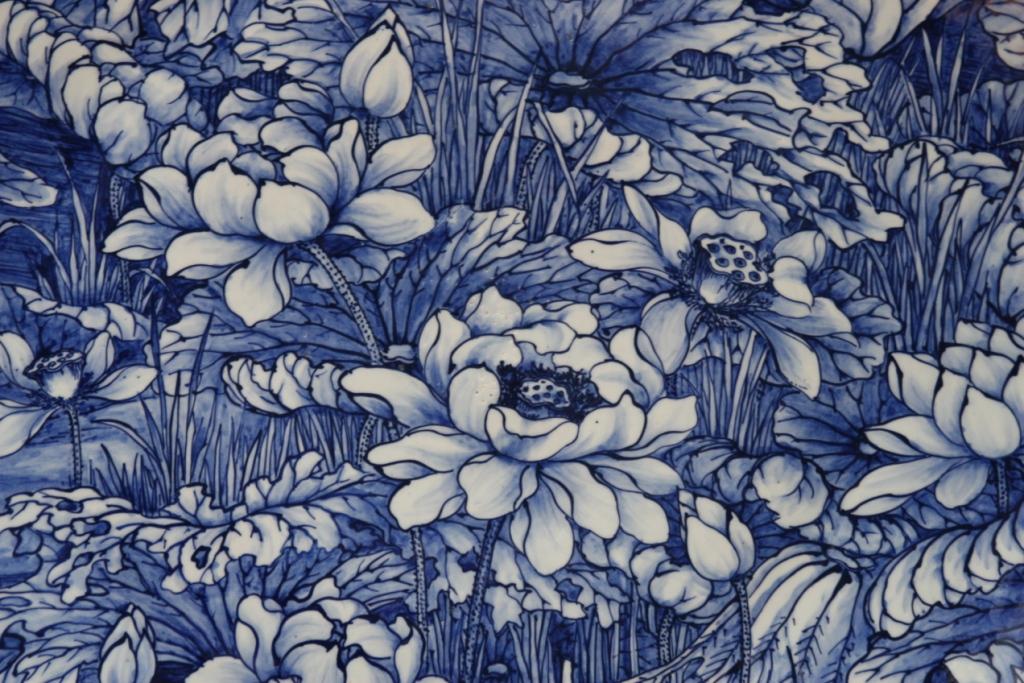
McDonalds #1 by Li Lihong
I covet this piece. I don’t know where I would put it, but I love it.

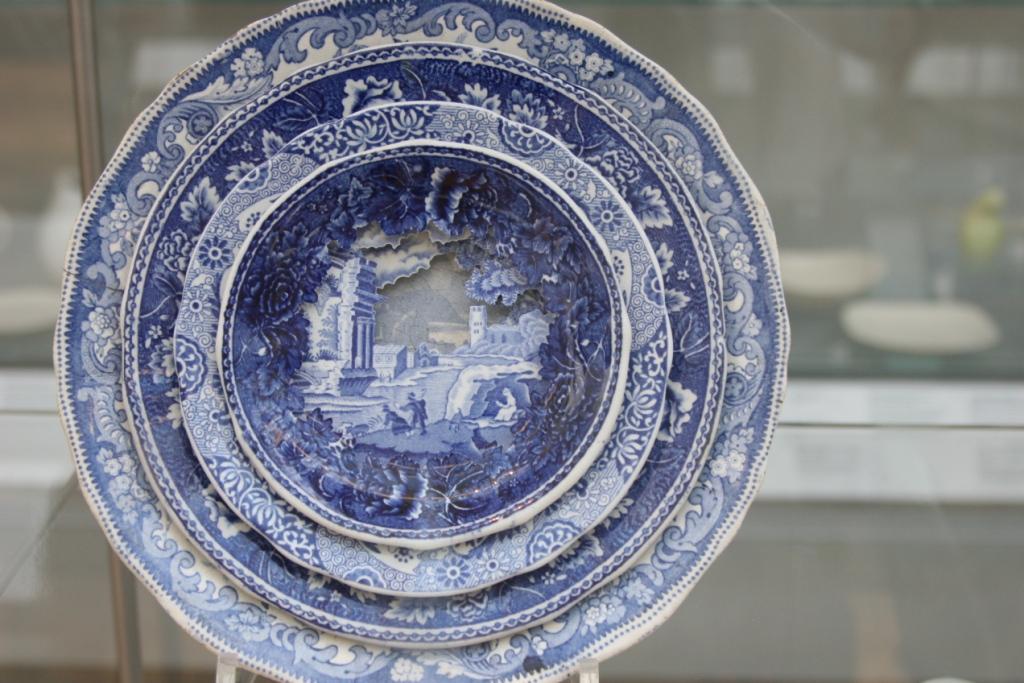
Rose Border Multiple, Multiple Blue 1 by Caroline Slotte
Look closely at this one (click to expand), the artist die-cut through the plates to make it three dimensional.

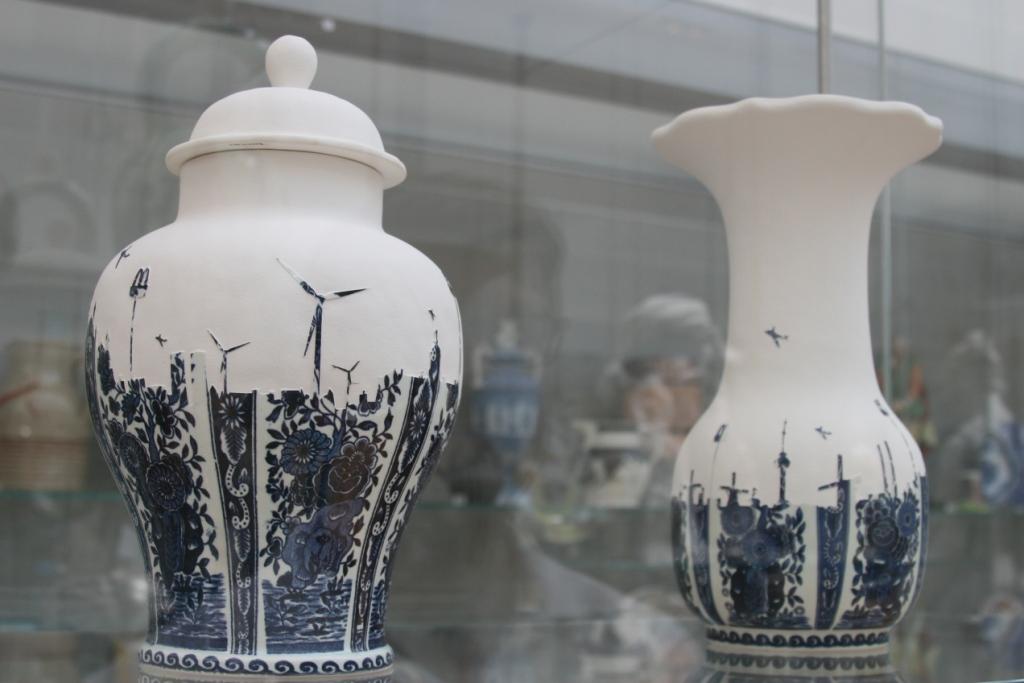
Ornamental Inheritance by Jo Meesters and Marije van der Park
They took two commercial vases and scraped off the glaze to create these contemporary Dutch landscapes.

Signs and Wonders by Edmund de Waal
High above our heads, we almost missed this wonderful red metal shelf that
runs along the the inside of the base of a ceiling dome.

Signs and Wonders, detail

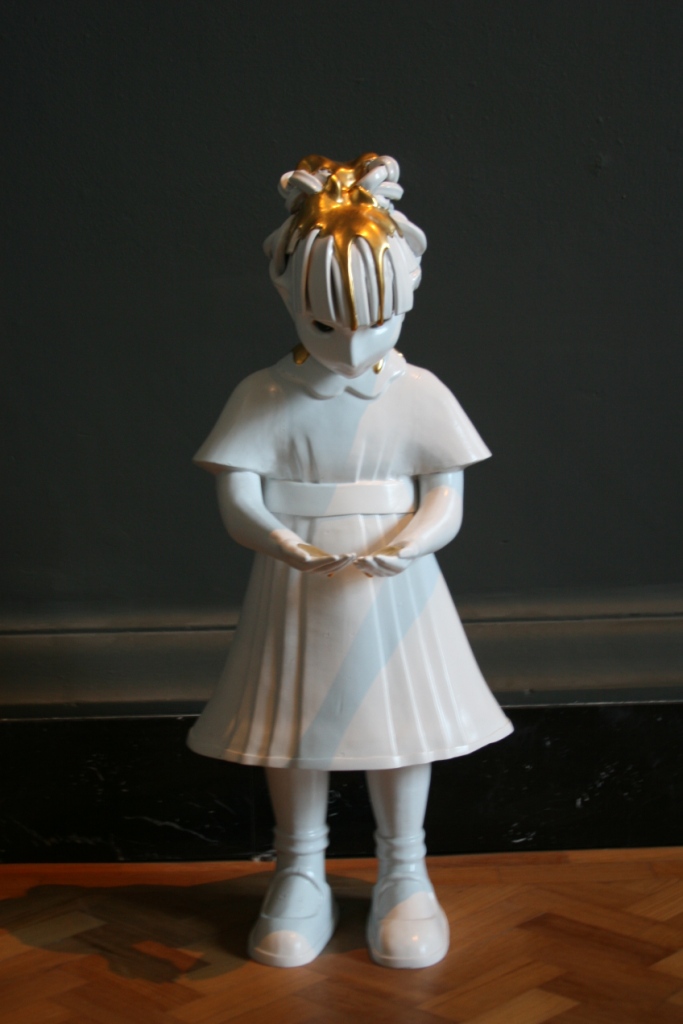
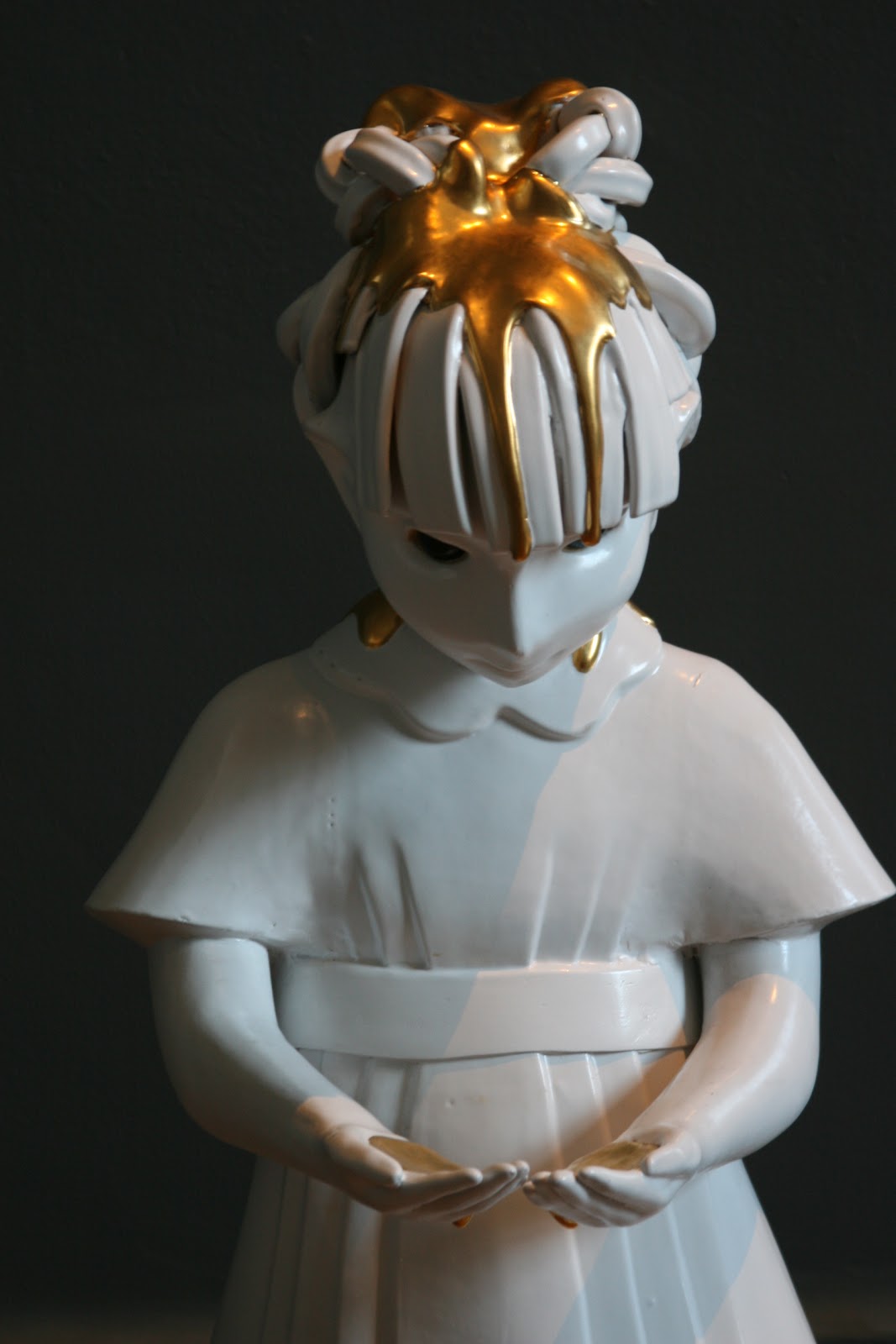
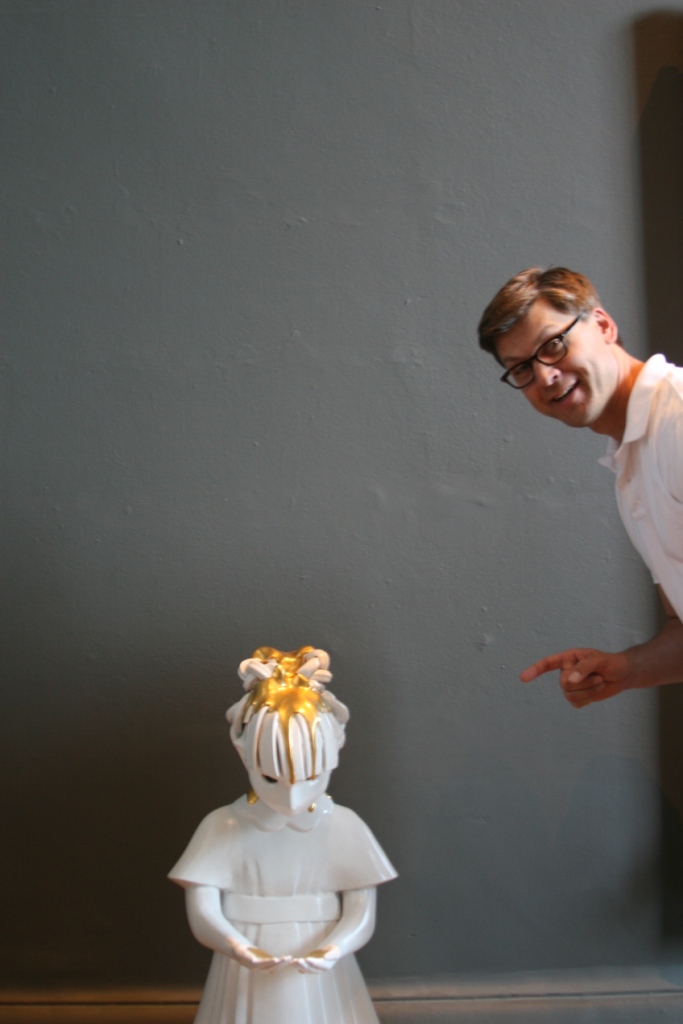
Girl Baptised in Gold by Kim Simonsson

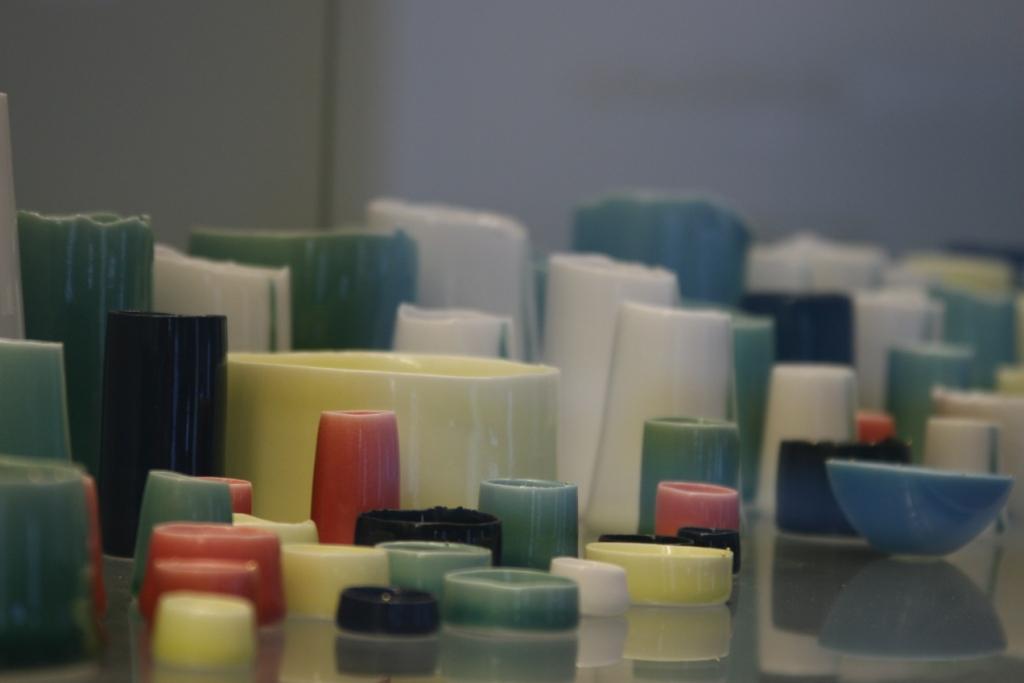
tiny pots by Chun Liao

This plate is probably a metre in diameter

Trophy by Clare Twomey
There are 50 of these, but in the original installation in 2006 there were 4,000 of them
and viewers got to select one and take it home.

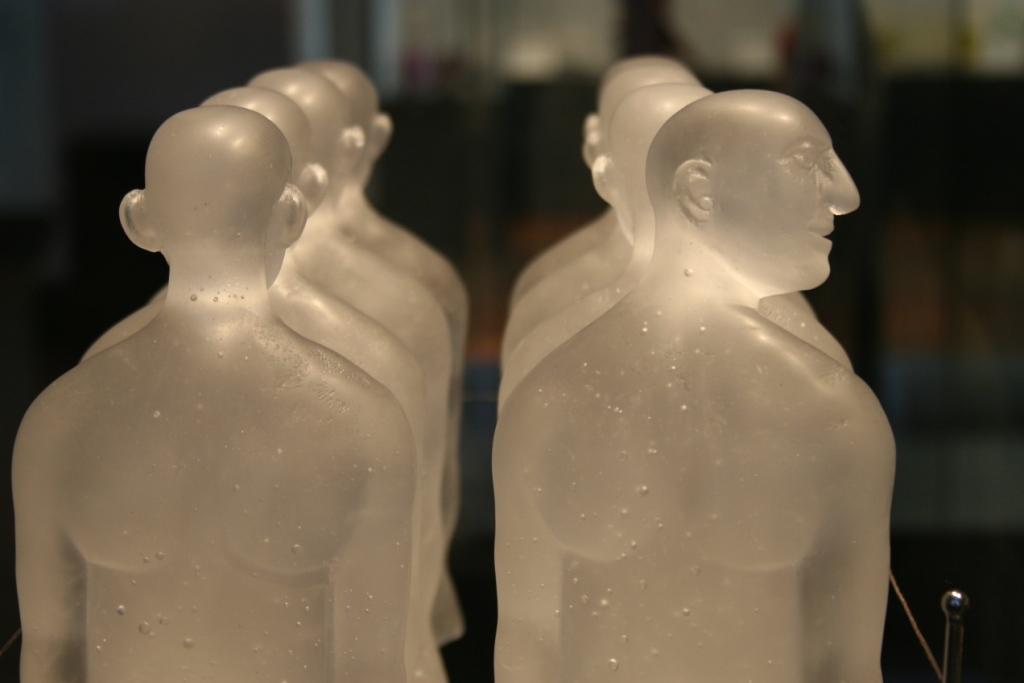
This one is actually made of glass not ceramics.

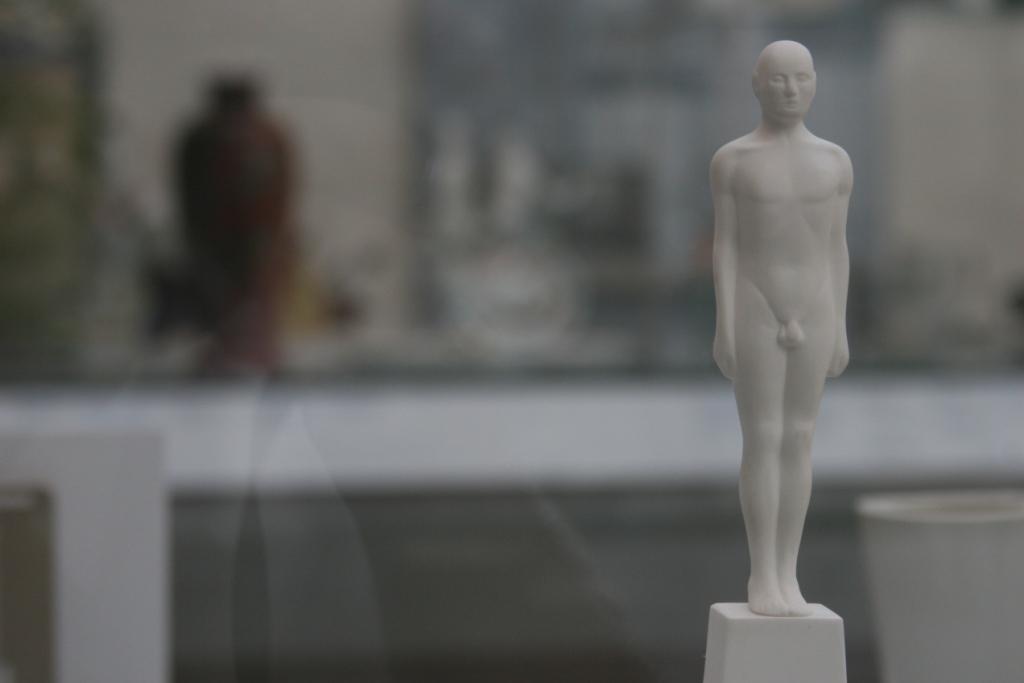
A Captive Audience by David Reekie
A clone about to make a break for it.

UKDay1: Hay Fever at the Chelsea Flower Show

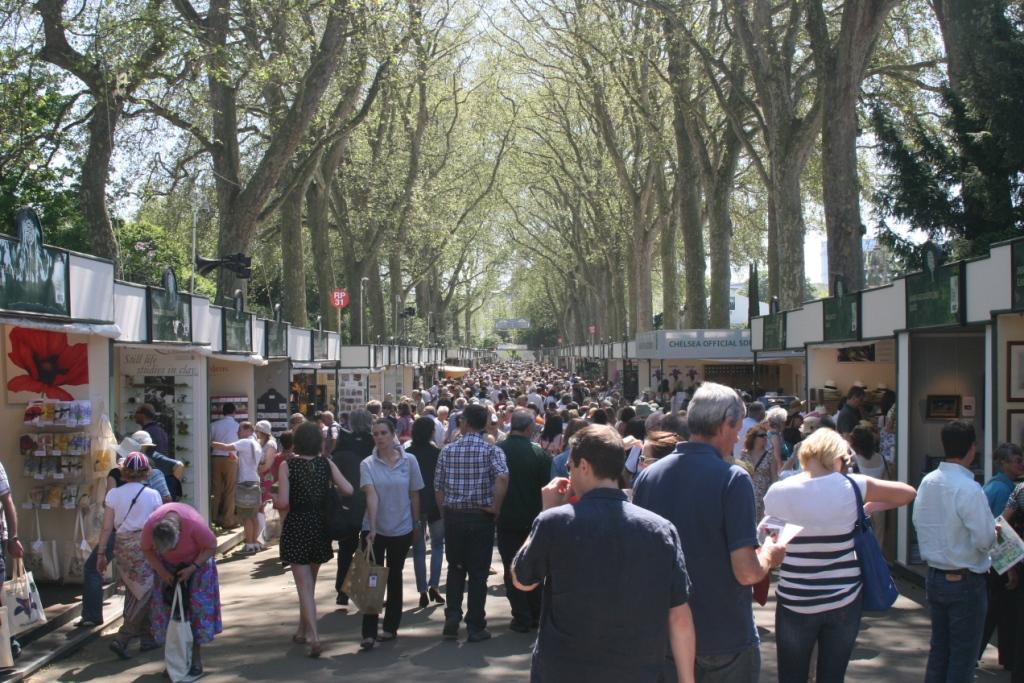
We arrived in London early in the morning of the final day of the Chelsea Flower Show. Although the trip was planned so that John could visit some of his favorite gardens, it was only by chance that the timing of it happened to coincide with the flower show. So we dropped off our bags at our friends’ flat in Kew, freshened up a bit, ate a mid-morning Cornish pasty from a wonderful little butcher shop right by the Kew tube station, and made our way to Sloane Square. After the rainiest April in 100 years and an unseasonable cold snap, everyone seemed delighted to finally have warm sunny weather and people were everywhere. It was a bit of a mob scene. The flower show was sold out long before the nice weather arrived, but one couldn’t help thinking that the hordes of sun-starved Londoners ambling along with tall glasses of Pimm’s didn’t care as much about the flowers as they did about getting a suntan.

The main exhibition tent was so chock full of things in bloom it was like a giant sneeze fest. Happily the crowds seemed to gravitate to the more garish displays, which left us some room for John to look more closely at flower varities that were new to him.

By the time we had spent a few hours at the show the combo of the crowds, the sun, the pollen, and major jet-lag made the idea of going back to our lodgings in Kew much more attractive than to follow through on my plan to go to the Carlyles’ House. (I wonder if I will ever get there?) 

I am not really posting flower pictures today because 1) the sun was high and bright and they didn’t turn out so good, 2) there were so many people it was hard to really get any good photos, and 3) we have tons more photos of actual gardens that I don’t want you to burn out before I get to the really good stuff.

These are our tickets purchased many months in advance.Only in England would
one find ticket touts for a flower show. It might as well have been a Wombles concert.  :)

Crowds annoy me. Especially when it is warm and the sun is out. They also annoy me more
when I am with someone else–I end up worrying too much about a whole slew of things over which
I have no control. Add jet-lag and pollen induced sneezing to the mix and you have a wonderful day out.

I did manage to keep my complaining down to a minimum, I didn’t want to detract from John’s enjoyment
of his first time at the flower show. And I did enjoy discovering new plants that we want to put in our garden.
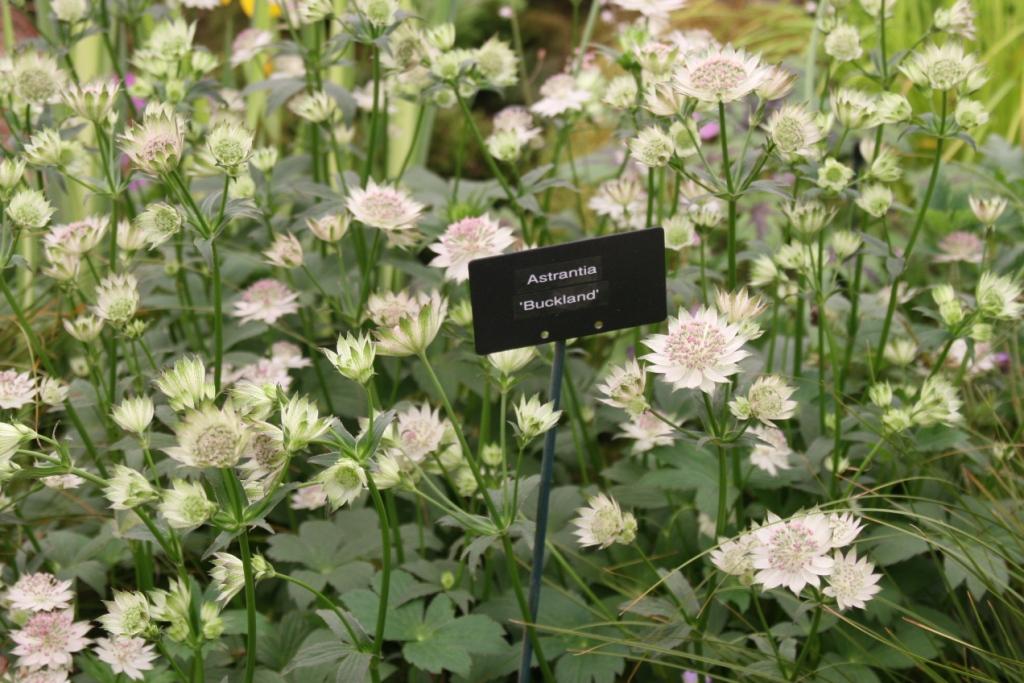
We already have Astrantia in our garden, but not this lovely white variety.

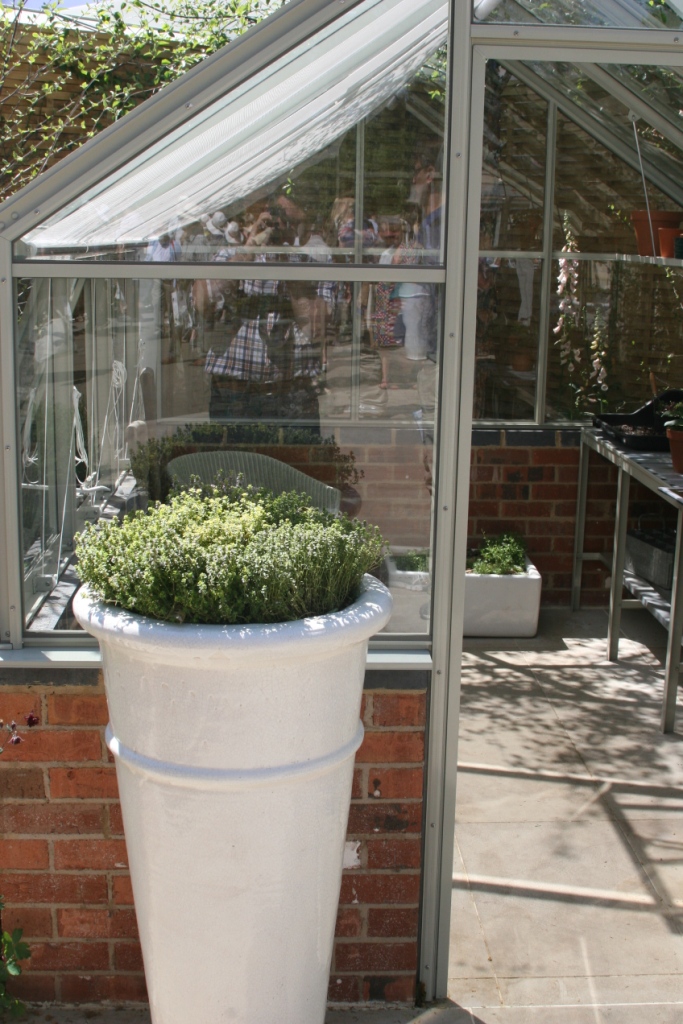
John’s dream house.

I think John would have put this stone trough in his suitcase if I had let him.
I like the stamp, but this is the kind of flower display that I find dreadful.
It reminds me of some tacky seaside boardwalk.
One can only assume that flower show folks created this
one with tongue in cheek.

Penguin Fodder


Not only was I a lazy blogger in May, but we have been out of the country since the 25th. That last post with all the pictures was meant to fool you tide you over until we returned. And now that we have returned I have lots of fantastic pictures to share, but it is going to take a while to sort through them all.  So in the meantime I will give you a bookish teaser of what is to be culled from the 1,846 photos we took over eight days in the UK. (Although it might be a bit misleading since the vast majority of photos are not book related.)

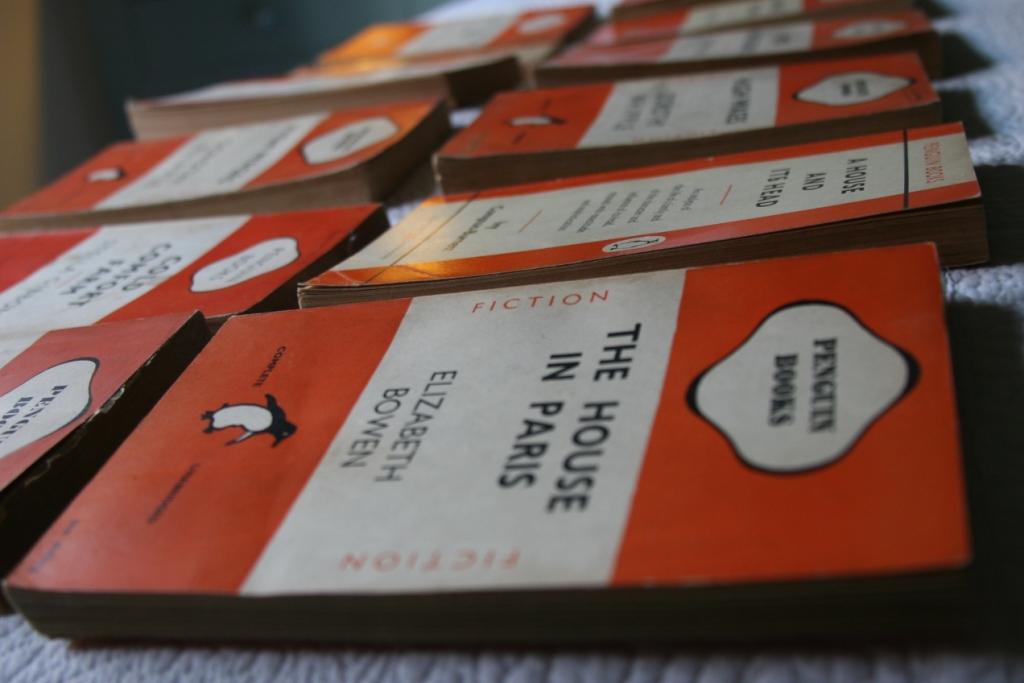
When we make our reservation to stay at The George in Rye, I couldn’t help but notice that they had a room called “The Book Room”. Luck was with us and our room request was honored. So we got to spend the night in a room full of Penguins.

Cozy room in Rye. But when one can only stay for one night, having all these Penguins in one spot doesn’t really do one much good. To add to the charm of the setting, that little Tivoli radio seen on the nightstand was in the middle of Vaughan Williams’ Fantasia on a Theme by Thomas Tallis when we arrived. A very nice, very English, and since it was playing on the radio, a very serendipitous touch.


I had every intention of putting all of these in alphabetical order by author, but alas, the quaint charm of Rye and beautiful weather won out and I ended up without much time to do it. Not to mention the fact that I ended up taking a lovely hot bath and going to bed by 10:00.


I started to pull the ones I wanted to buy or own off the shelves. Then it dawned on me that they weren’t for sale, and unless I intended to steal them, I really needed to just put them back on the shelves.


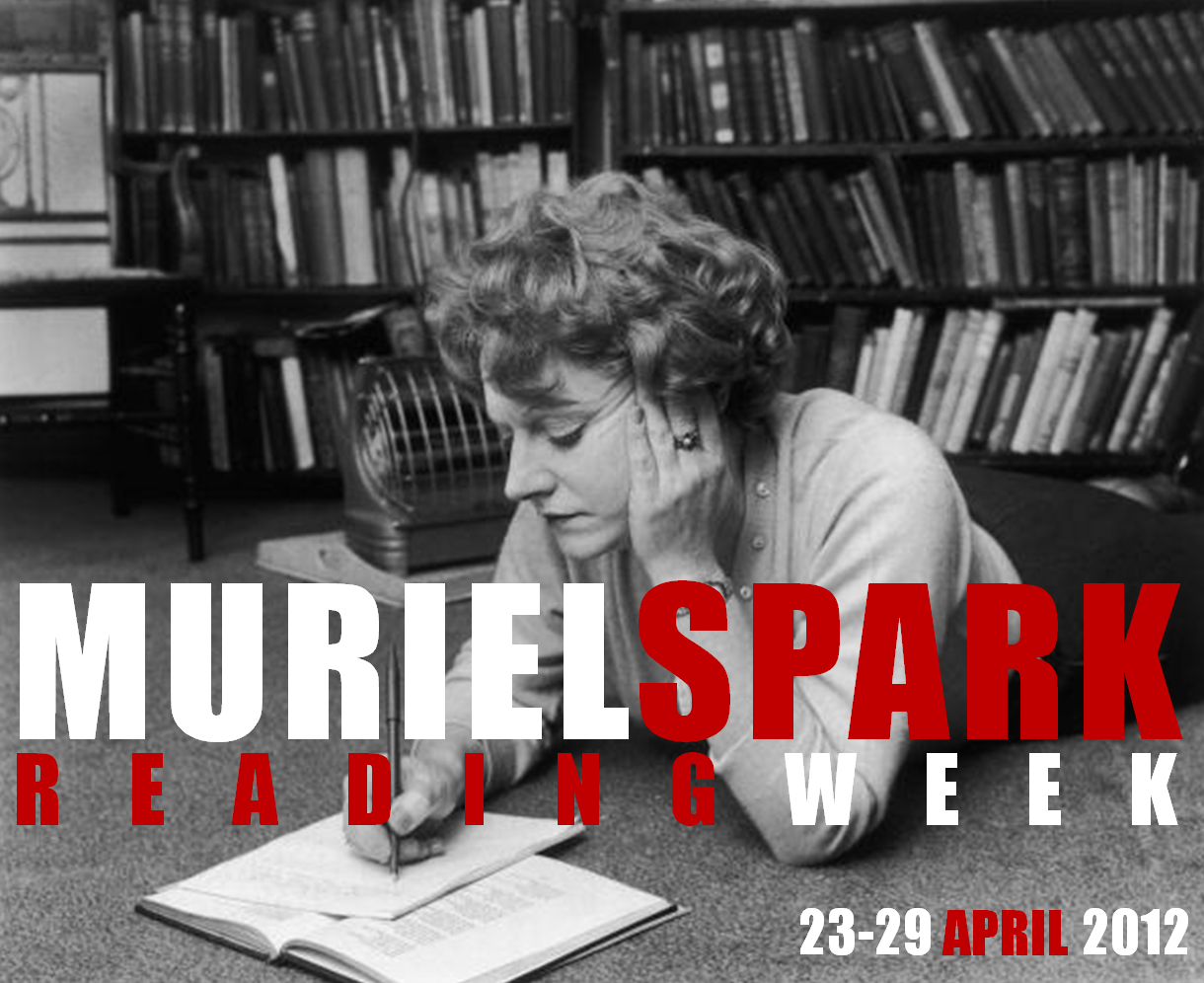
After seeing others post about these great 1960s Muriel Spark editions during
Muriel Spark Reading Week, it was fun (and frustrating) to see them in person.


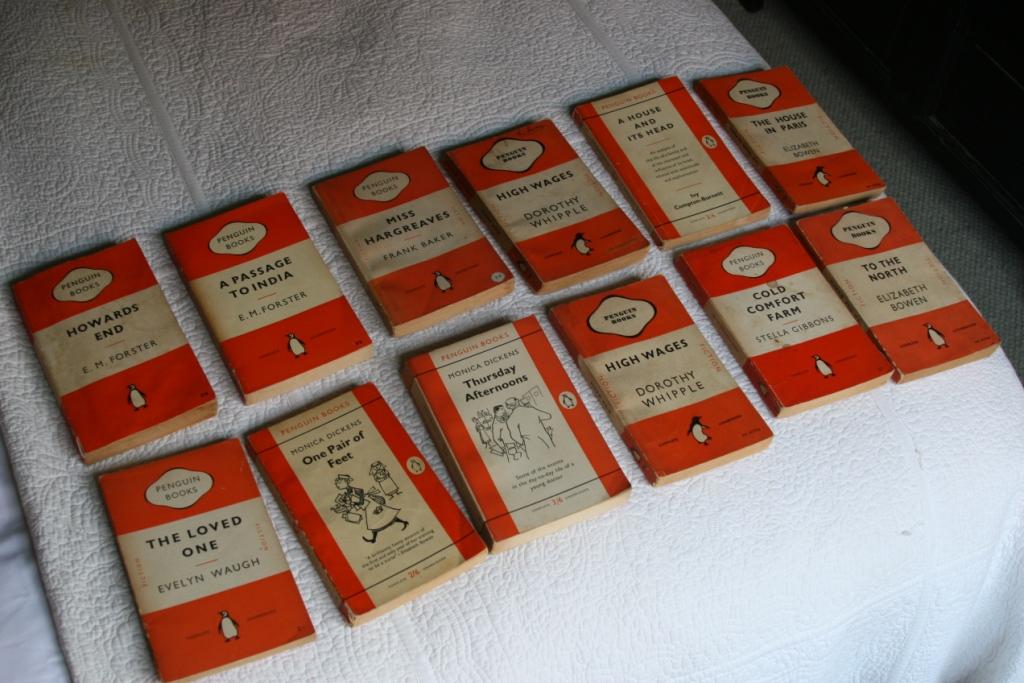
I picked out a selection of titles that I knew would appeal to my readers. Not only a Miss Hargreaves and Ivy Compton-Burnett for Simon T., but a pair of Monica Dickens, a little Waugh, some Forster, a couple of Bowens and two copies of High Wages by Dorothy Whipple. I must admit, if they had had a Whipple novel that wasn’t in print with Persephone, I would have put it in my suitcase and then gone around the corner to the antiquarian bookshop that had vintage Penguins to fill in the gap. I wouldn’t have felt too bad about this either given that there was clearly no rhyme nor reason to the assemblage of Penguins and that it seemed like one vintage Penguin could just as easily take its place with no one being too upset about it. (Slippery slope, I know.)

Stuff to look at (or Stuff at which to look)

I have been really bad about blogging lately. And I don’t really have time for a post today, so I thought I would leave you with some stuff to look at. A bit of a mixed bag, so hopefully there is something for everyone.

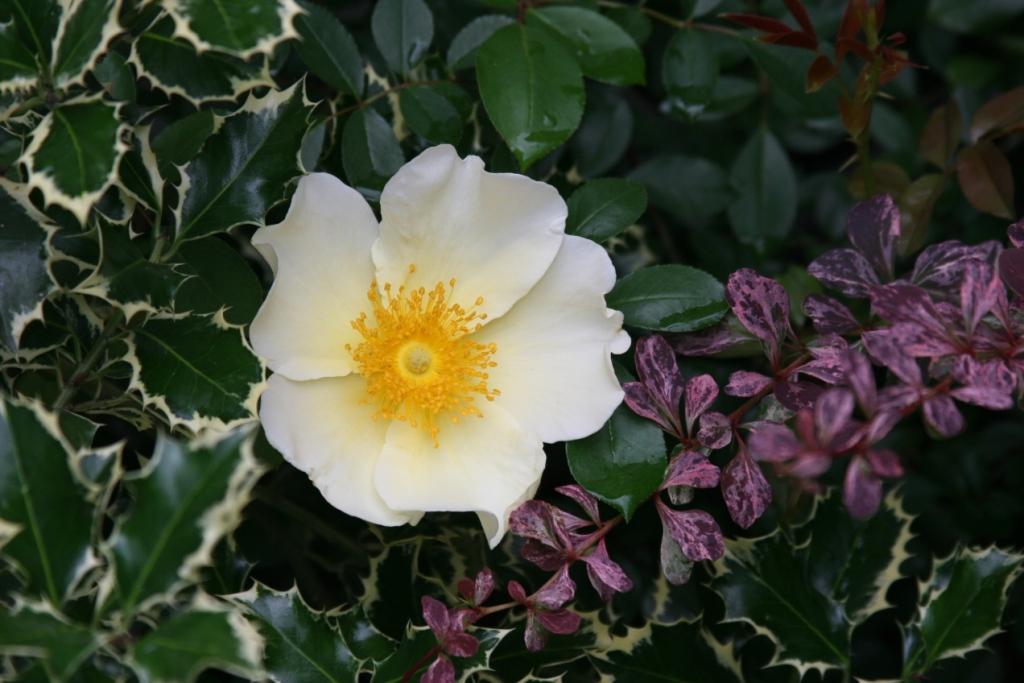
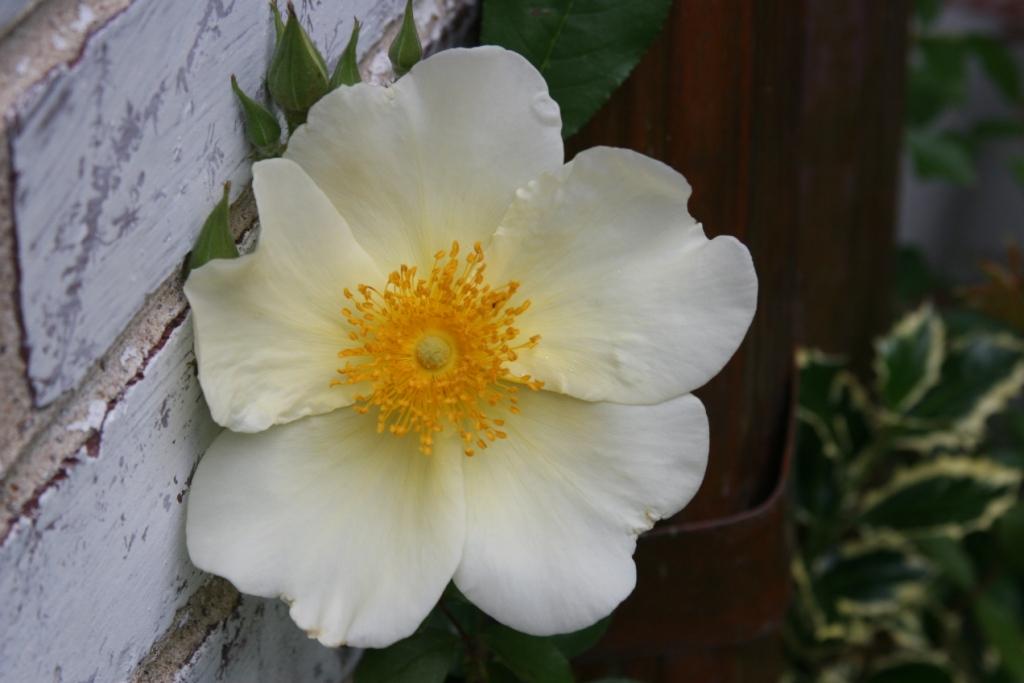
Lovely yellow rose next to our front door.

John just took these two photos this morning.

Back in February Lucy decided she was a cheetah and found a high point for looking for prey.

Sniffing the breeze.

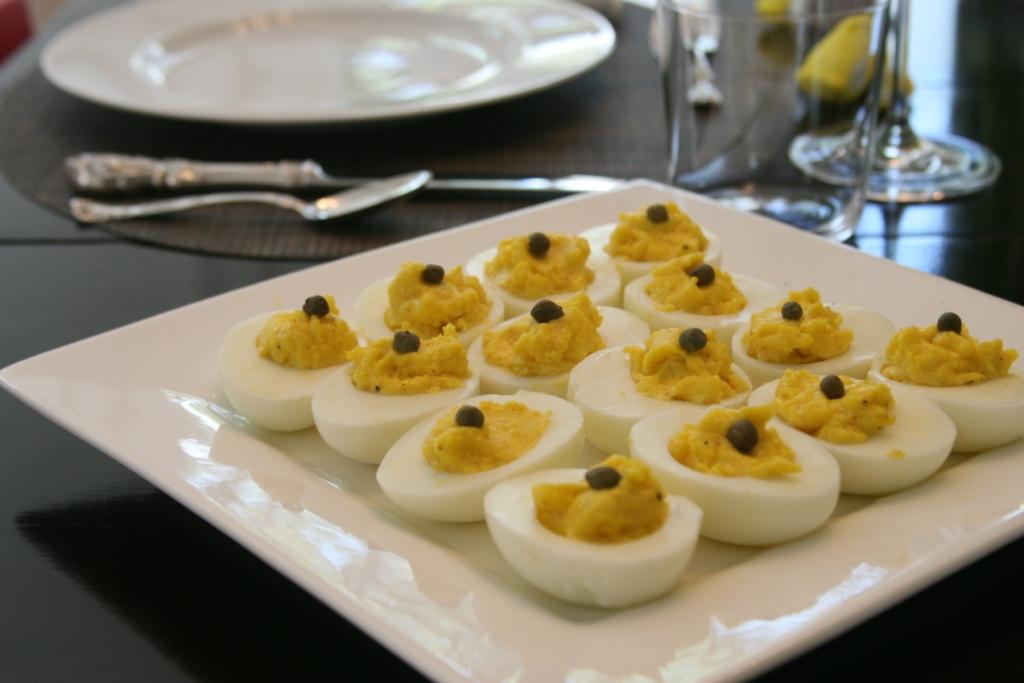
Delicious devilled eggs that my friend Ron made on Easter.

Books in our old apartment.

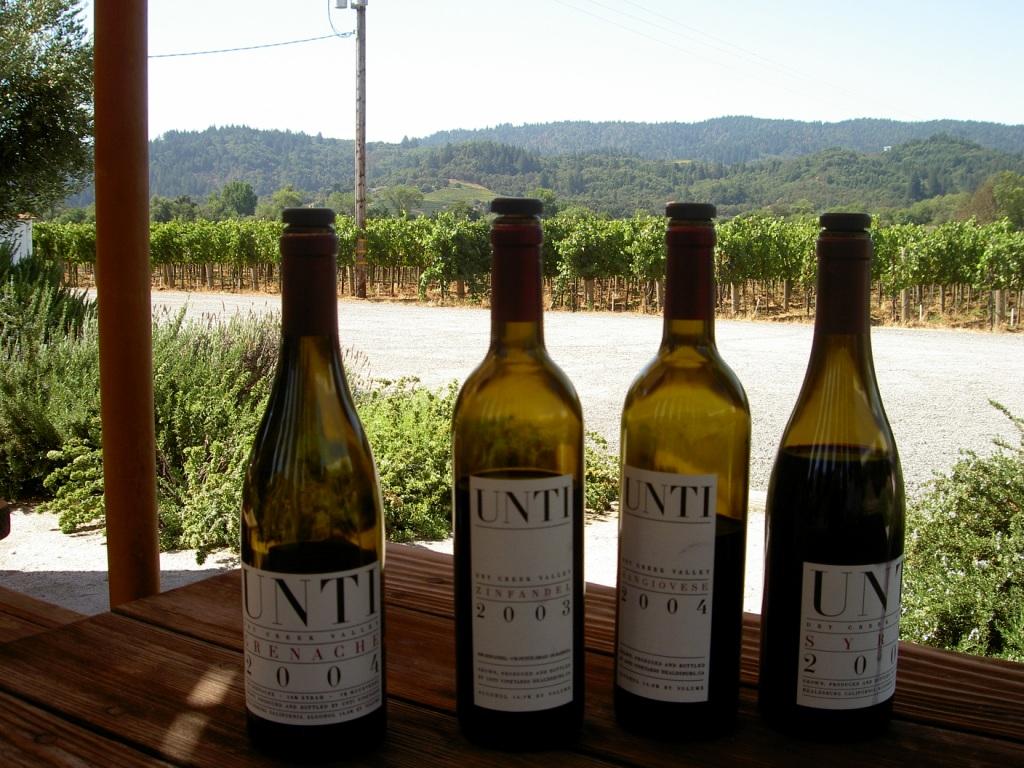
A delicious winery stop in Sonoma in 2006.

Our friends first newborn goat was named after yours truly.

On our way over the Great Barrier Reef to Lizard Island in 2006.

Sunset from Lizard Island.

This April my parents were with us when they celebrated their 50th anniversary. Here they are opening a
picture of a street sign at an intersection in St. Paul where a street with our last name intersects with a
street with my mom’s maiden name.

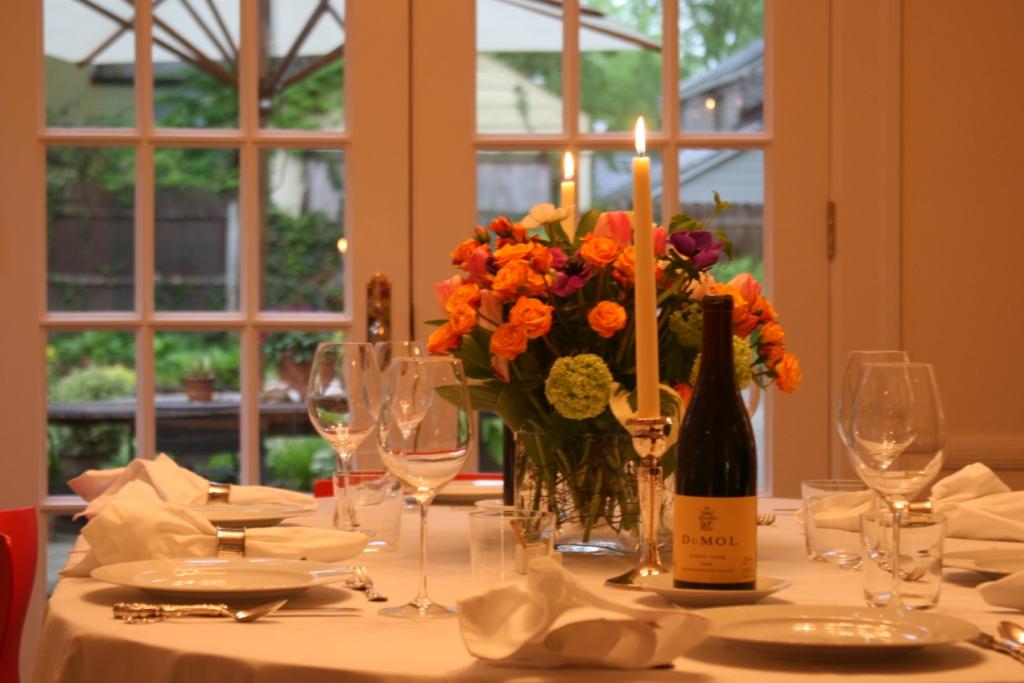
John set a lovely table.

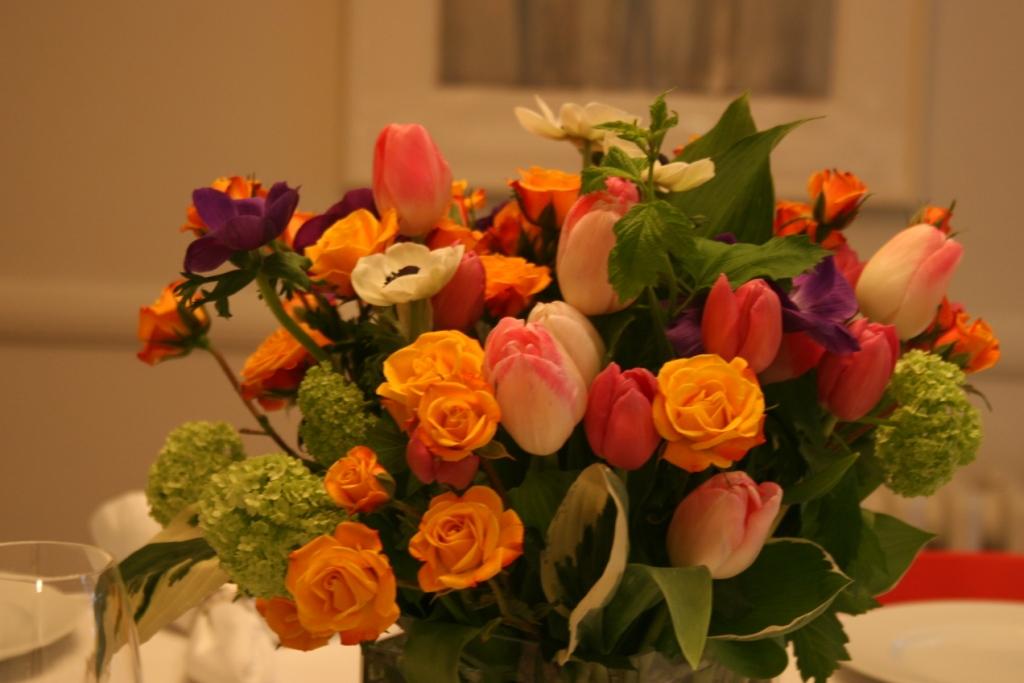
He did the flowers as well.

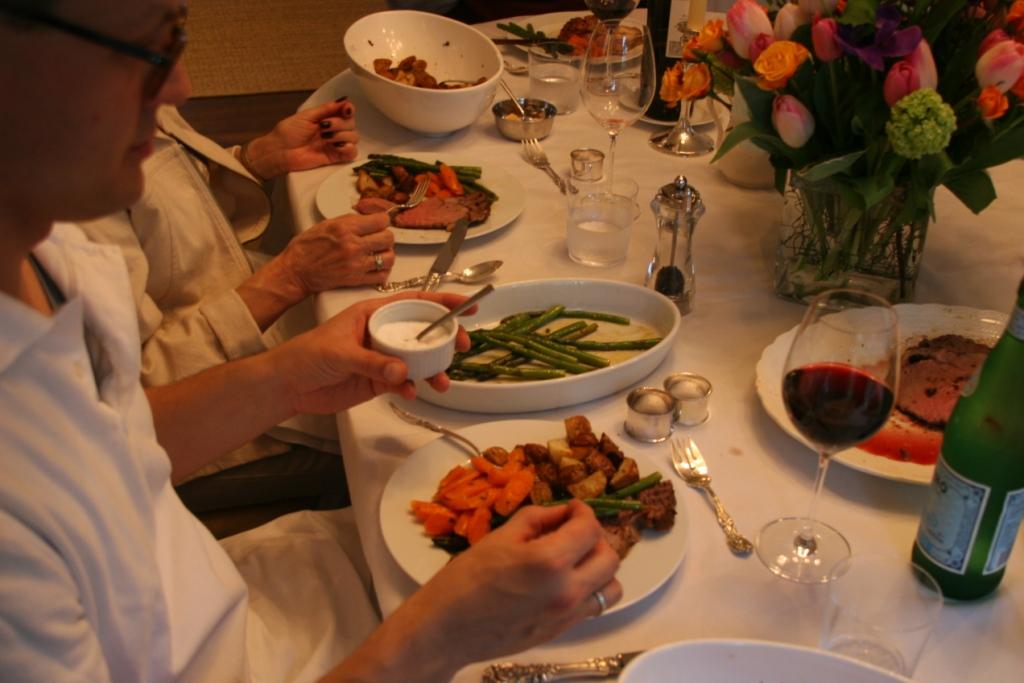
I made the food.

Rub my tummy…please.

I’m still waiting.

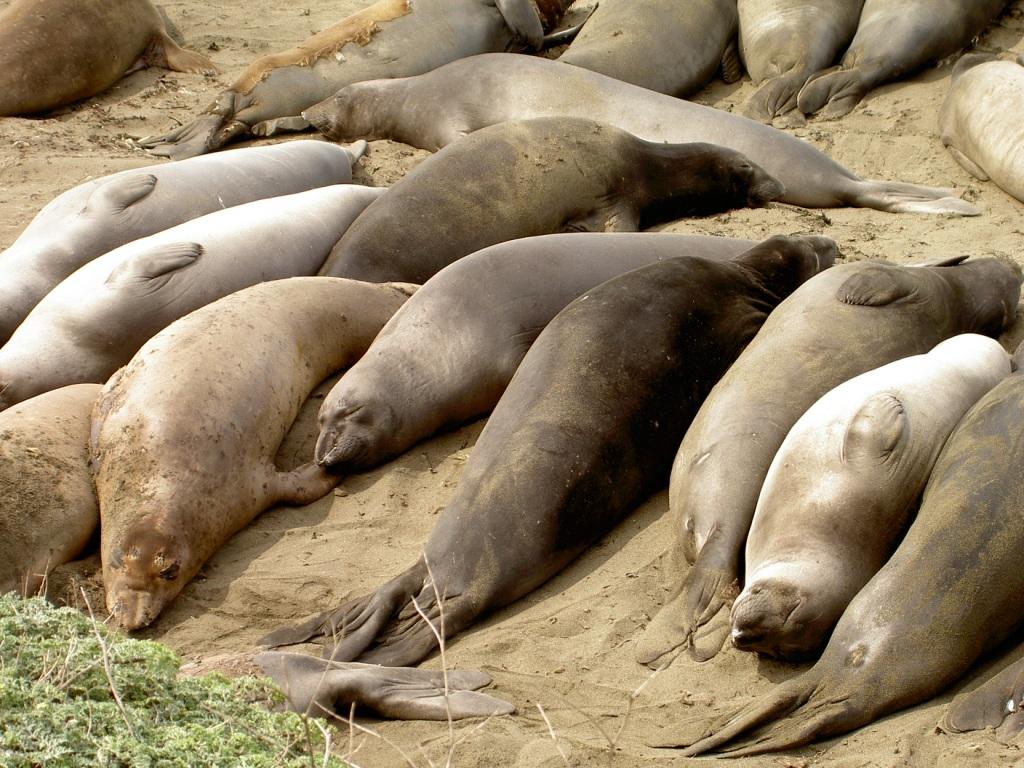
I’m not sure they wanted their tummies rubbed. Somewhere south of Big Sur, California.

Doesn’t get much more peaceful than a lake in the Adirondacks.

When marketers target list makers

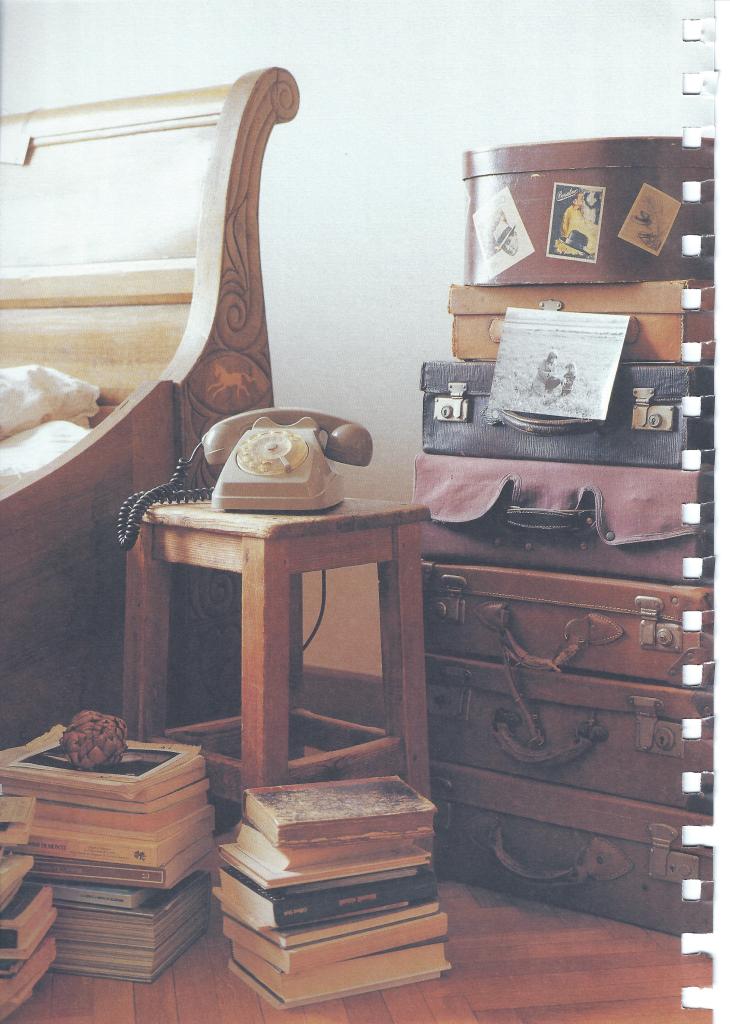
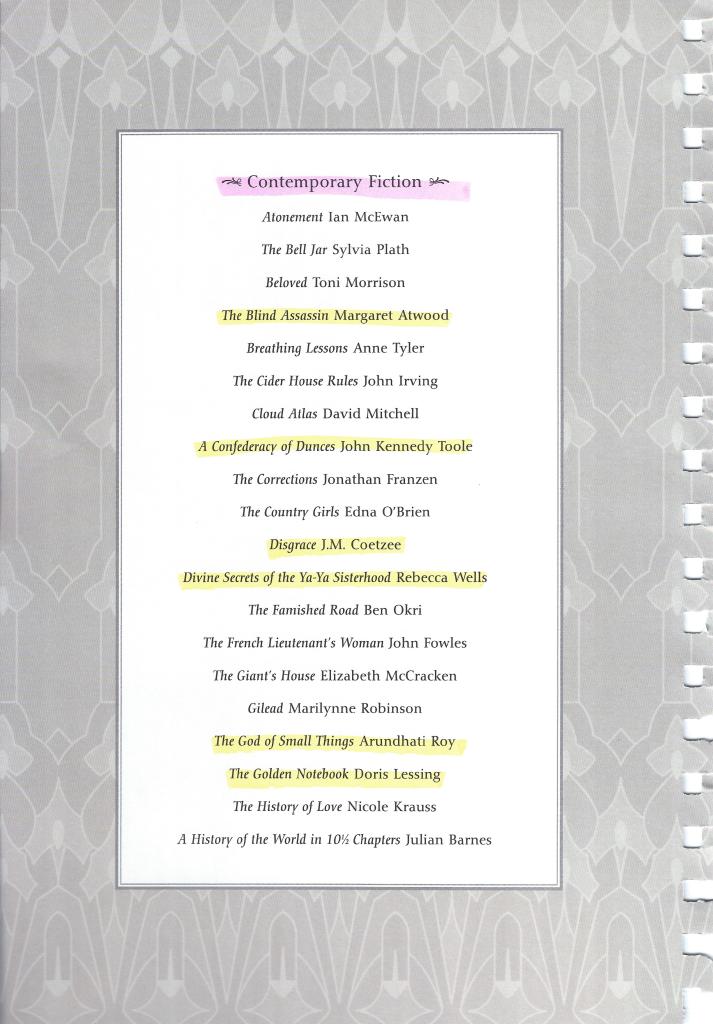
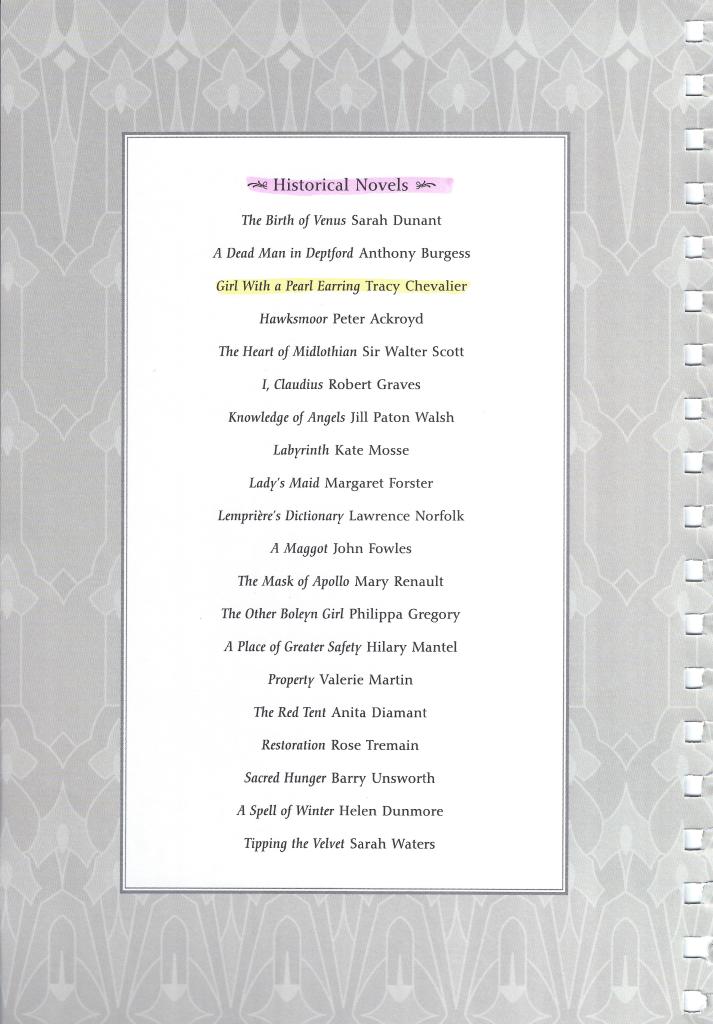
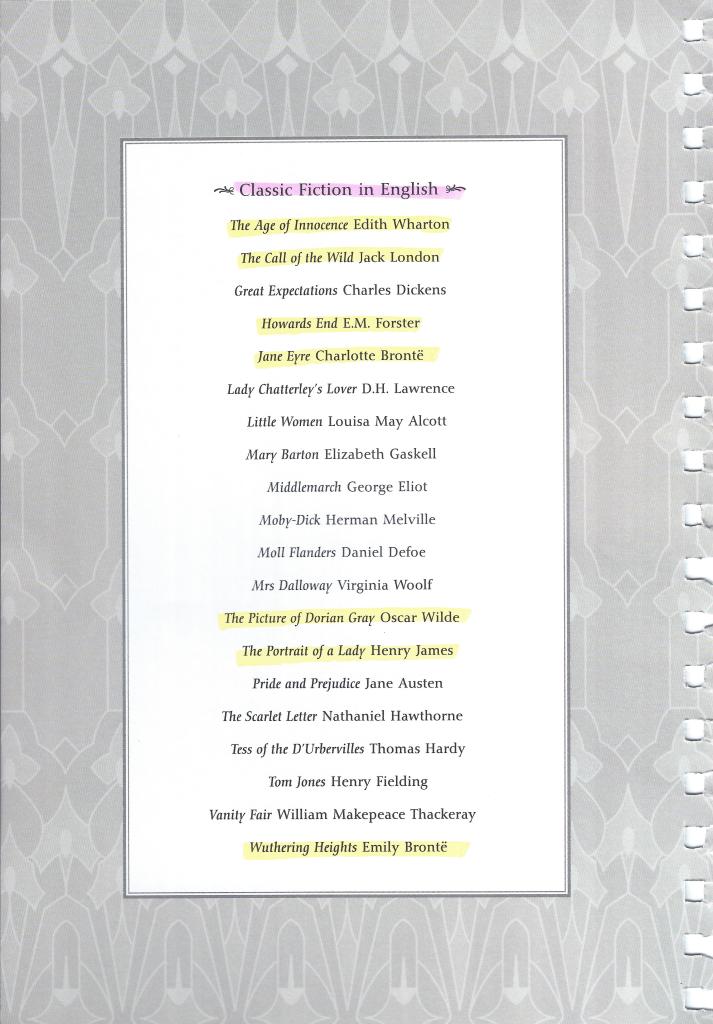
The other day I was buying a stack of books at a charity bookshop when I spied a book with a picture of books on the cover. Always a sucker for pretty pictures of books (like the one to the right which has the added bonus of having a real phone in it), I had to find out what it was. Turns out it was a book club journal. You know, one of those pretty, but probably useless journals that stationers/publishers like to dangle in front of people who like journals (more likely people who like the thought of journaling), or people who like lists. Don’t get me wrong, I love a list, but I think that a good list doesn’t need special formatting or pretty pictures. Especially when the journals are produced especially for the keeping of such list. Like once I saw a little spiral bound journal that was strictly for keeping track of wine consumed, where you were when you drank it, and who helped you. That might be interesting information to keep track of, but there is something kind of cheesy about these single purpose journals. I know what it is, they seem like journals for poseurs. Anyone with a real desire to list things just needs a blank sheet of paper or a spreadsheet. Granted those blank sheets of paper could be in a bound journal, but they don’t need to be adorned with helpful little hints. In the case of the book club journal, it has a headings like “Conclusions Reached”.  Gimme a break.

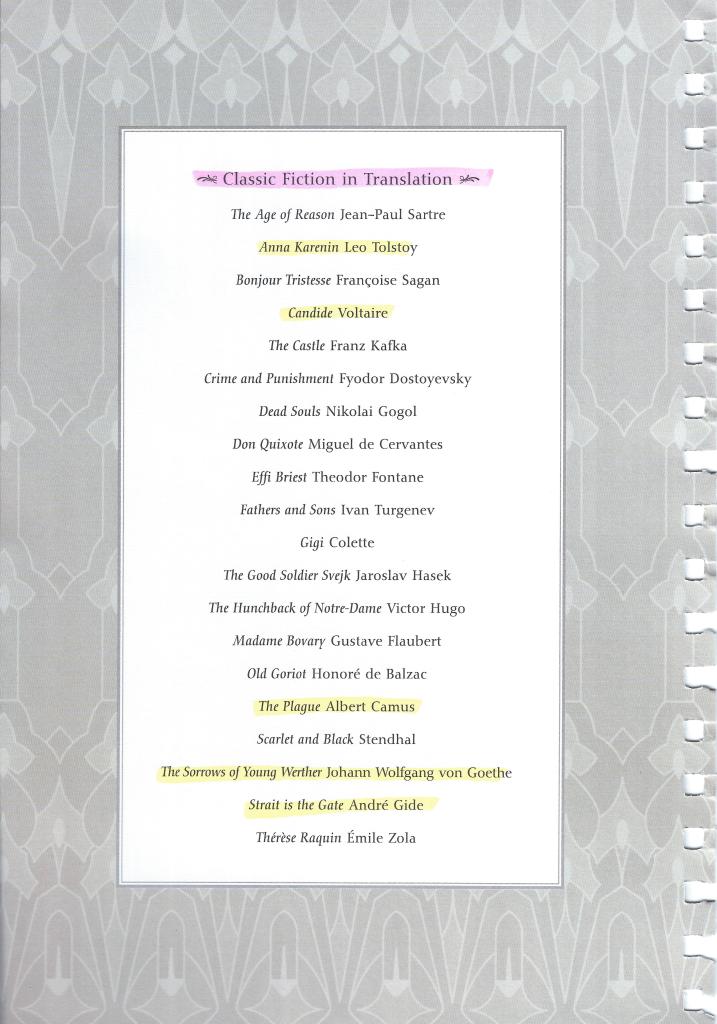
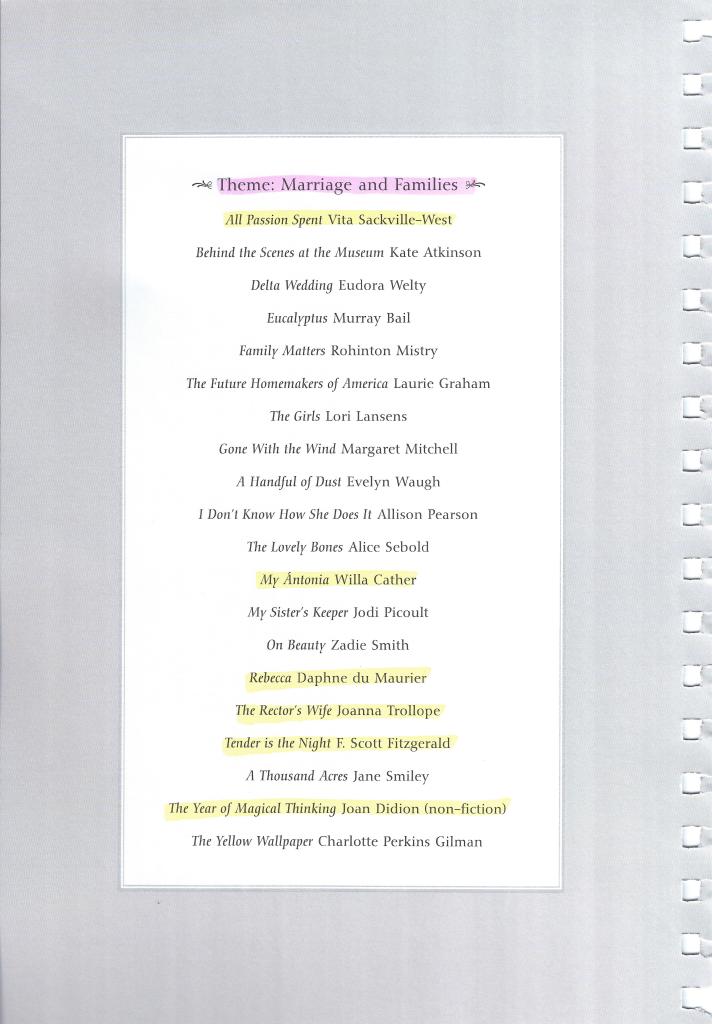
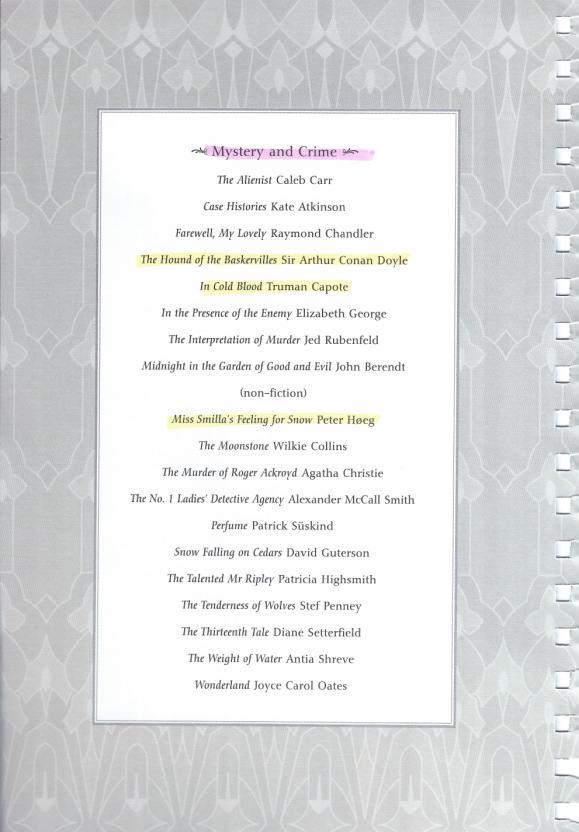
BUT, the book club journal was only $1 and it included lists of suggestions for book club books broken down by category. I don’t belong to a book club so I don’t need the helpful suggestions, but I can never pass up a book list. Especially if I can cross off (or usually for me, highlight) the books I have read. It always makes me feel so smug, both about the ones I have read as well as the ones I haven’t read (no doubt I have really good reasons for not following the crowd…)

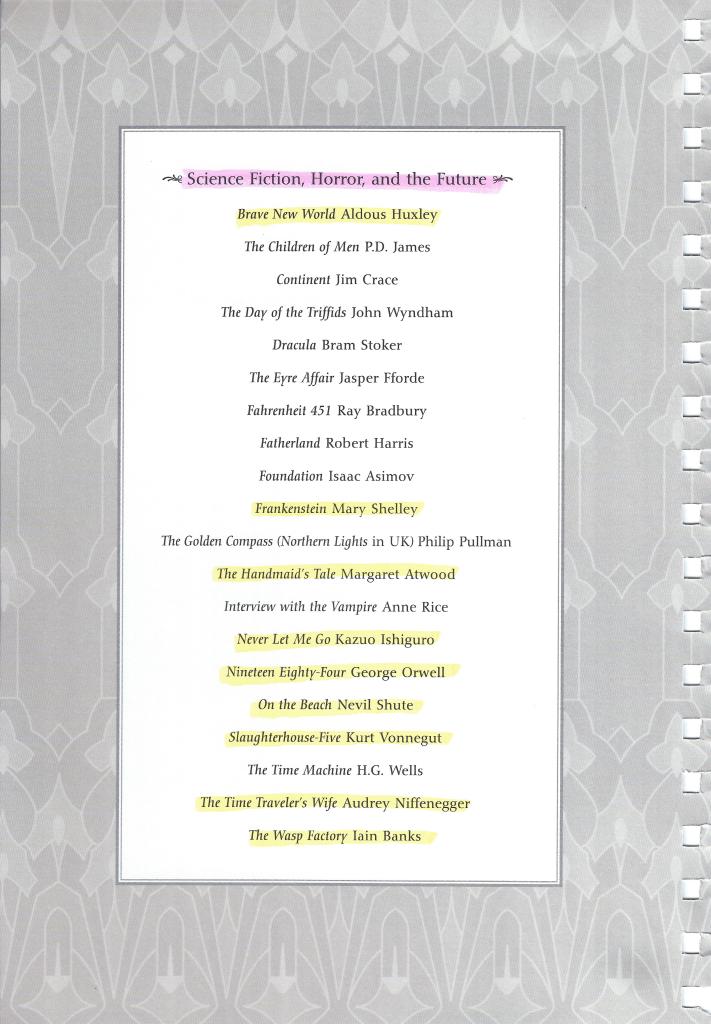
What surprised me about these particular lists was not so much what was included and what wasn’t included, but the fact that the list that had the most titles that I have read was a category of fiction that I really don’t read much of. I know it is more coincidence than anything, it just so happened that these are the titles they included, but who’d a thunk that I would have read more SF/Horror/Future than some of these other categories?  You guys know me well enough to be surprised as well.

And for you listophiles, here you go…

Who ever would have thought that this would be my most
read list with 9 of 20 books read. The only one other one I
am certain I will read is Fahrenheit 451.

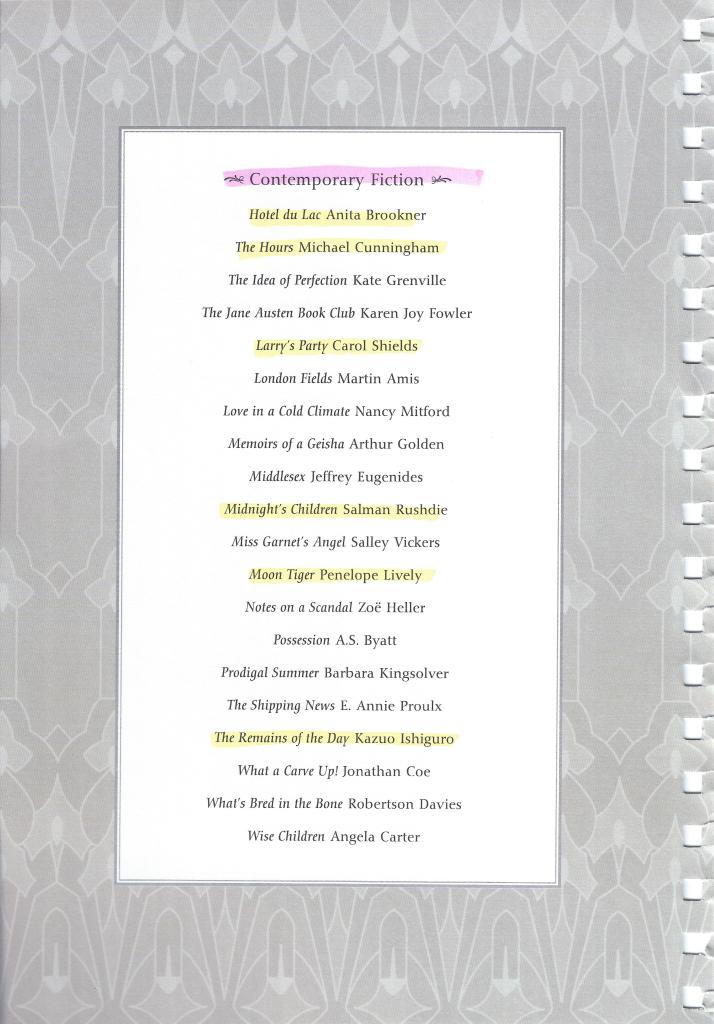
Between the page above, and the one below I have read 12 of the
titles listed in Contemporary Fiction, but that is with twice
as many to choose from, so on a percentage basis, I didn’t do as well.
I will definitely read the Mitford and the Amis.

I read a chapter or two of the Barnes back in 1995, otherwise there isn’t
much on this list I am drawn to.

I might feel bad about my poor showing in this category if I hadn’t
read plenty of others that aren’t here. I loved Colette’s the Ripening Seed
but have been stand offish about her since I saw that horrible
film version of Cheri.

This is a category I should have done better in, but their
list just isn’t very good.

I think this is the list I am most interested in exploring more.  I definitely don’t like formulaic mysteries.
I want to like them but I just don’t. I will definitely read The Moonstone, but otherwise I don’t know
if this is a good list or not. What do you think? If I want to expand my reading in this category
what should I try that is, or isn’t on this list?

My worst showing of all. The only one that is on my TBR radar is the Graves.

Ah, the classics. I feel like I should get credit for reading three other Lawrences so I
don’t have to read this one.  I see myself getting to the Alcott, Eliot, Austen,
Hawthorne, Gaskell, and maybe the Hardy, Fielding, and Thackeray.

Book Review: Look at Me by Anita Brookner


I haven’t read any Anita Brookner since last year’s rather successful International Anita Brookner Day. Having finished all of Brookner’s 24 novels, my intention is to re-read all of them in chronological order. Last year for IABD, I knocked off her first two novels The Debut (A Start in Life) and Providence. As much as I have liked all of Brookner’s novels on the first go, I found last year when I re-read those first two, that I liked them even more on a second read. Now with her third novel, Look at Me, I find myself of the same disposition. In fact, I think that Brookner’s novels which can seem superficially similar, have a depth that really makes them worth a second read–and frankly, I can imagine going back to them again and again for the rest of my life. This is especially comforting since, the once prolific Brookner (at one point a novel a year for about 20 years) seems to have slowed down considerably.

Frances Hinton, who hates being called Fanny, is always called Fanny. She works in a medical research library and like many other Brookner heroines, is miserably comfortable with her routine. That is until Dr. Nick Fraser and his wife Alix decide to make her a part of their social life.

If I moved in with them I would be delivered from the silence of Sundays, and all those terrible public holidays – Christmas, Easter – when I could never, ever, find an adequate means of using up all the available time.

Unlike many other Brookner heroines, Fanny comes to life as a result of this friendship and even starts seeing a doctor, James, who makes her happy.

Although I am naturally pale, I could feel the blood warm in my cheeks. I drew no conclusion from this, and my instinct was correct. I was not falling in love. Nor was there any likelihood that I might. But I was being protected, and that was something that I had not experienced for as long as I could remember. I was coming first with someone, as I had not done for some sad months past, and in my heart of hearts for longer, much longer.

Fanny’s benign desire for someone to finally pay attention to her is ultimately overtaken by Alix’s much less benign, somewhat pathological need to have everyone looking at her instead. Alix uses Fanny for her own amusement and doesn’t seem to mind the results. Fanny reflects on her relationship with Alix:

I was an audience and an admirer; I relieved some of her frustration; I shared her esteem for her own superiority; and I was loyal and well-behaved and totally uncritical. Yet she found me dull, intrinsically dull, simply because I was loyal and well-behaved and uncritical.

And it is Alix’s need to be at the center of attention that makes her more of a taker than a giver. Alix may have introduced Fanny to James, and enjoyed watching their relationship develop. But when she thinks she is being denied all the details of the results of her matchmaking, or worse, when she realizes that Fanny isn’t letting the relationship with James go where Alix thinks it should go, she begins to drive a wedge between Fanny and James. In many ways there is nothing unusual about this story, I think we have all been subjected to the cruel selfishness of so-called friends, and we have all been jilted in romantic relationships. But for Fanny the situation is life changing in a way that she struggles against. She sees her life going in a direction that seems inevitable despite her efforts to alter course.

I could have been different, I think. Once I had great confidence, great cheerfulness; I did not question my purpose or the purpose of others. All that had gone, and I had done my best to replace it. I had become diligent instead of spontaneous; I had become an observer when I saw that I was not allowed to participate. I had refused to be pitiable. I had never once said, Look at me. Now, it seemed I must make one more effort, one more attempt to prove myself viable. And if I succeeded, I might be granted one more opportunity to do it all over again. I did not dare to think what would happen if I failed.

Does she fail? If you have every read Brookner, you probably know the answer to that.
  

Overplayed "songs" I wish I never had to hear again


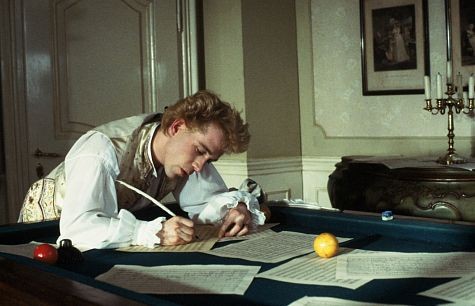
Mozart trying to write something that will make everyone forget about Eine Kleine Nachtmusik.
(Tom Hulce playing Mozart in the brilliant film Amadeus.)

Too much of a good thing can be a very bad thing. The following is my list of music that I think has been overplayed and/or overmarketed to the point of being painful to me. It doesn’t mean they are bad, it just means I never want to hear them again.

  • “Respect”, “You Make Me Feel Like a Natural Woman”, “Chain of Fools” and almost every hit by Aretha Franklin. I will keep listening to her gospel album however.
  • Anything by the Beatles. Full stop.
  • “At Last” by Etta James
  • “What a Wonderful World” by Louis Armstrong
  • Beethoven’s 9th Symphony. I love Beethoven’s other 8 symphonies and his opera Fidelio is one of my favorite operas, but I really have learned to loathe the 9th.
  • Vivaldi’s Four Seasons.
  • The “Hallelujah Chorus” from Messiah by Handel.  I can listen to Messiah a lot, but the HC I can live without.
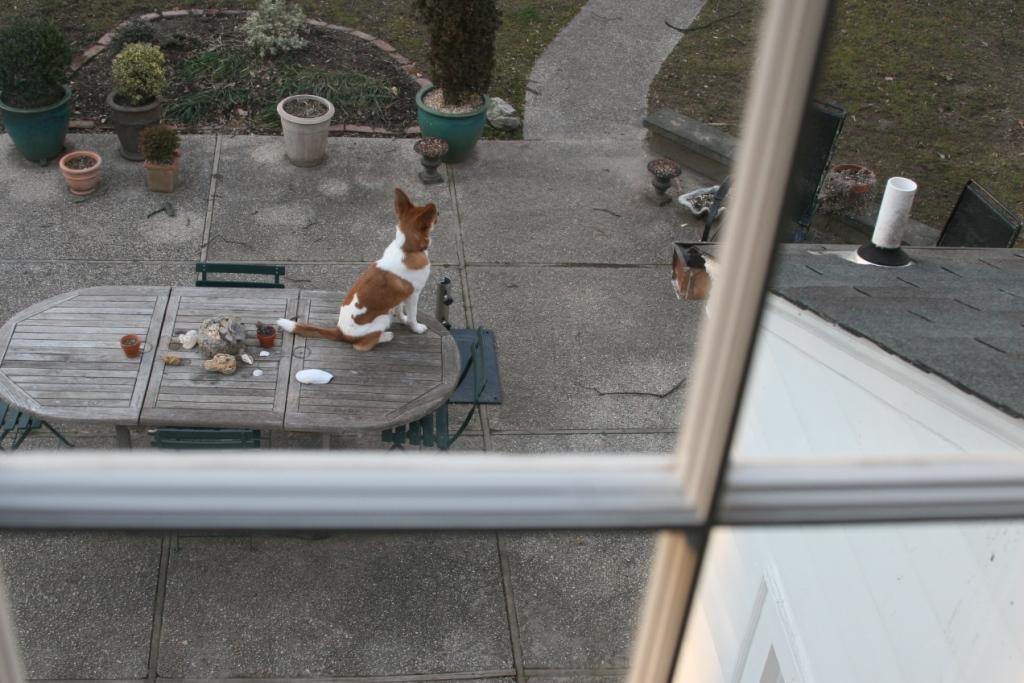
  • Mozart’s Eine Kleine Nachtmusik

Actually, when it comes to the classical music, if I can suspend my aversion, I can still appreciate them, especially if they are performed well. Except for Eine Kleine, that one I just plain hate.
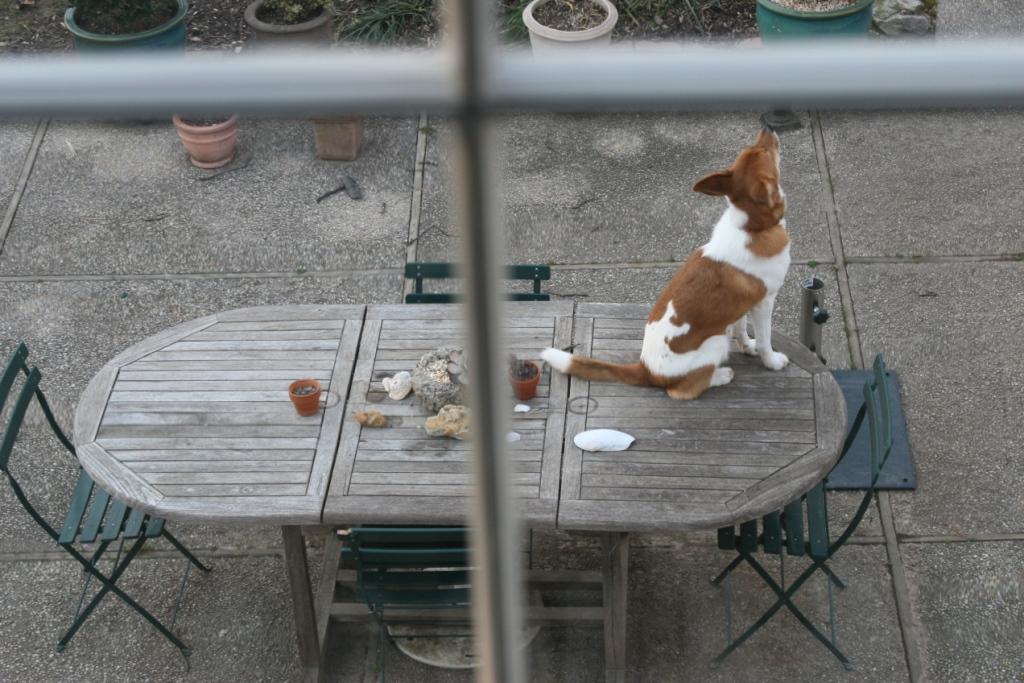
What’s on your list?

Clever Title


Regular readers of My Porch know that I haven’t been able to muster the strength for an actual book review in quite some time. Today’s post about The Takeover by Muriel Spark, will be no exception. So it is time for one of my famous (infamous?) bullet list reviews.

  • Although I quite enjoyed the general setting and narrative style of The Takeover, and looked forward to reading it whenever I could, I can’t really say that I really enjoyed the overall message. Perhaps because I am not sure what the message was.
  • Spark creates an Italy in the loosey goosey 1970s with a cast of expats, Eurotrash, and shifty Italians.
  • There is much in Spark’s writing in which one can delight. I was particularly taken by this passage: They talked of hedges against inflation, as if mathematics could  contain actual air and some row of hawthorn could stop an army of numbers from marching over it.” I mean how poetic is that? I love the image of a lovely hawthorn hedge blocking not just inflation, but numbers themselves.
  • You know how Iris Murdoch in the 1970s had everyone hopping from bed to bed and saying scandalous, cruel things to each other in a very clever ways. In some ways I feel like Spark takes that same kind of ethos to a kind of slapstick extreme.
  • I don’t understand why Maggie gets the brunt of the bad luck in the book. She was really the innocent party in most cases but ended up being treated quite poorly by everyone.
  • I think this would be a fun book to discuss in a book club. It may not be the best book, but it is full of things that would engender great discussion.

And you know I can never resist a character who likes a list, and never more so then when index cards or typewriters are involved:

Later, in Maggie’s room, they counted the coins and made a list. It was Mary’s idea to make a list. She made lists of everything. A good part of her mornings was spent on list-making. She had lists for entertaining and for shopping. She listed her clothes, her expenditure and her correspondence. She kept lists of her books and music and furniture. She wrote them by hand, then typed them later in alphabetical or chronological order according as might be called for. Sometimes she made a card index when the subject was complex, such as the winter season’s dinner parties, whom she had dined with and whom she had asked, what she had worn and when.

The Empress of Scotland arrives in Liverpool

   
Knowing next to nothing about Muriel Spark’s life, I decided to see what I could come up with on Ancestry.com.  The service is not cheap but I think they still have free temporary memberships so you can play around if you want. I use it for work as well as personal research, so the expense makes sense for me. Anyhoo, there isn’t much that comes up on Ancestry.com for Spark. I did, however, find an arrival record for March 20, 1944. Even more curious, I went to Wikipedia and came across this:

“On 3 September 1937 she married Sidney Oswald Spark, and soon followed him to Rhodesia (now Zimbabwe). Their son Robin was born in July 1938. Within months she discovered that her husband was manic depressive and prone to violent outbursts. In 1940 Muriel left Sidney and Robin. She returned to the United Kingdom in early 1944, taking residence at the Helena Club in London; years later the club would be her inspiration for the fictional May of Teck Club in The Girls of Slender Means.”

So the arrival record, appears to document Spark’s return to England after she left her husband and son in Rhodesia. You might want to read her entry in Wikipedia if you don’t know her story. Frankly, after reading it, I think a little less of her as a human. Not knowing the whole story, it seems like she abandoned her son and then disowned him later in life and made sure none of her estate went to him upon her death.

On March 20, 1944 the Empress of Scotland of the Canadian Pacific Line
arrived in Liverpool from Durban (Cape Town), South Africa.

This is a photo of the page on which the 26 year old Muriel Spark is listed.

Three lines from the top you can see Spark’s details. The c/o address in Edinburgh must be her father.