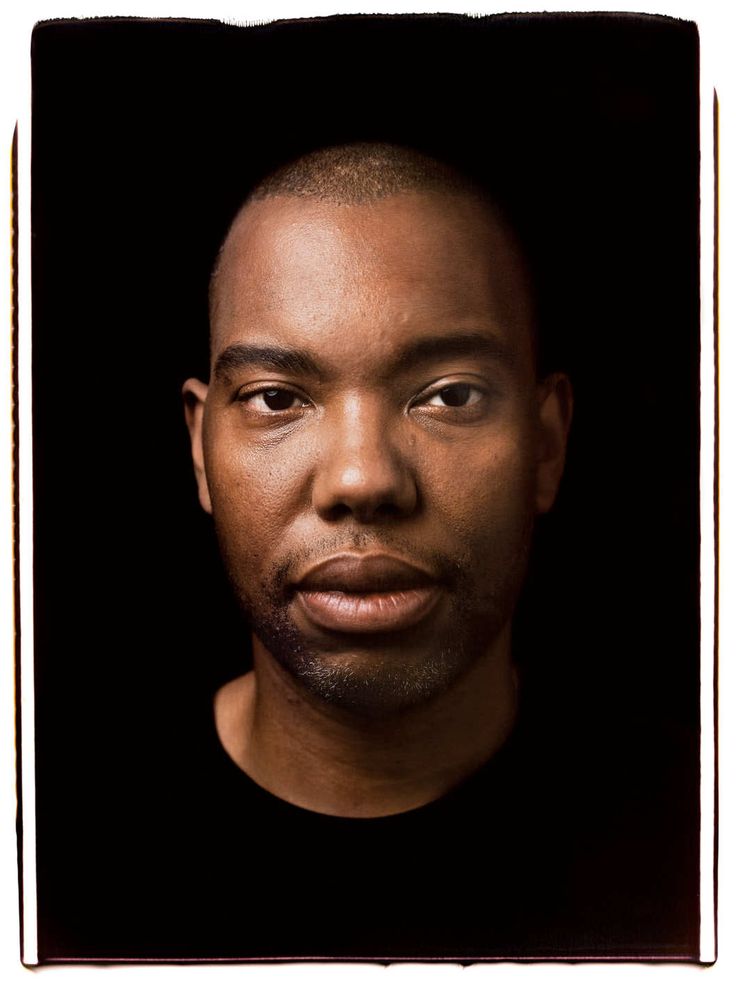
Between the World and Me by Ta-Nehisi Coates

CoatesBeing the fiction fanatic that I am, I never thought for a moment that my reading choice for Aarti’s A More Diverse Universe would be a work of non-fiction. I had intended to read Purple Hibiscus by Chimamanda Ngozi Adiche or one of the more recent novels of Shyam Selvadurai. But the calendar got away from me, Booktopia happened, various busy things at work and at home, and boom, I didn’t get to either of those, or any other novel by an author of color. Perhaps even worse, I looked back at my reading for 2015 and the only author of color I have read this year is James Baldwin.

As pitiful as that is, in at least one way, it is fitting that Ta-Nehisi Coates and James Baldwin are mentioned in the same breath. In addition to his breathtakingly good novels, Baldwin wrote non-fiction about race in America with unflinching and unapologetic honesty and Between the World and Me is nothing if not honest. In fact, as I have read recently, Coates modeled Between the World and Me on Baldwin’s The Fire Next Time in both format and outlook.

For those who haven’t heard anything about it, Between the World and Me is a 152-page letter from Coates to his teenage son Somari. Although Coates’ love for his son, his family, and his friends comes through very tenderly throughout, the overall message of the book is a rather depressing, pessimistic view of what has happened to African Americans, what is happening to African Americans, and what is likely to continue to happen to African Americans. Specifically, he warns his son of the violence perpetrated upon Black bodies on a daily basis in the United States. As someone who thinks of myself as being well informed about what African Americans face, a book like this points out that I don’t know squat.

Some have complained that Coates is too pessimistic. I suppose one could nibble at the edges of his thesis and his approach and find ways in which he may overstate something or paint with too broad a brush. But really, when it comes down to it, it really is just nibbles. The overall thrust of his argument and the outlook he has is not just deeply rooted in the past, it is deeply rooted in the present. It is disgusting how little has changed for African Americans. Whatever advances they may make socio-economically speaking, they still face a daunting, daily assault on their very being. It’s a scenario that requires a very open mind for someone who thinks of himself as white, to be able to take it on board and allow the overall truth of what Coates writes about to sink in–without getting defensive about it.

I think this is the kind of envelope pushing necessary to shake people out of complacency. One of the reasons the environmental movement has stalled in this country is because the average citizen doesn’t smell or taste or see the degradation. We’ve cleaned-up the obvious stuff, but there is still a lot that is hidden and even more pernicious, not the least of which is climate change–the causes and effects of which are so embedded in our society and so stupidly politicized that no one seems able or willing to do anything about it. I think a similar thing has happened with race.

Lest you think this is all too depressing to read, you need to get over yourself and read it. It’s something we all need to face square on. I don’t know what to do about it really, but I feel it cleared away some cobwebs that have been collecting since my much more radical thinking college days. Even with all the shock of the recent press given to violence towards African Americans and the racist hate that has bubbled to the surface since the election of Barack Obama in 2008, I think one still loses sight of, or doesn’t know about, what it means to be Black in America.

So go find out.

One of my new all time favorites: Chamber Music by Doris Grumbach

Grumbach

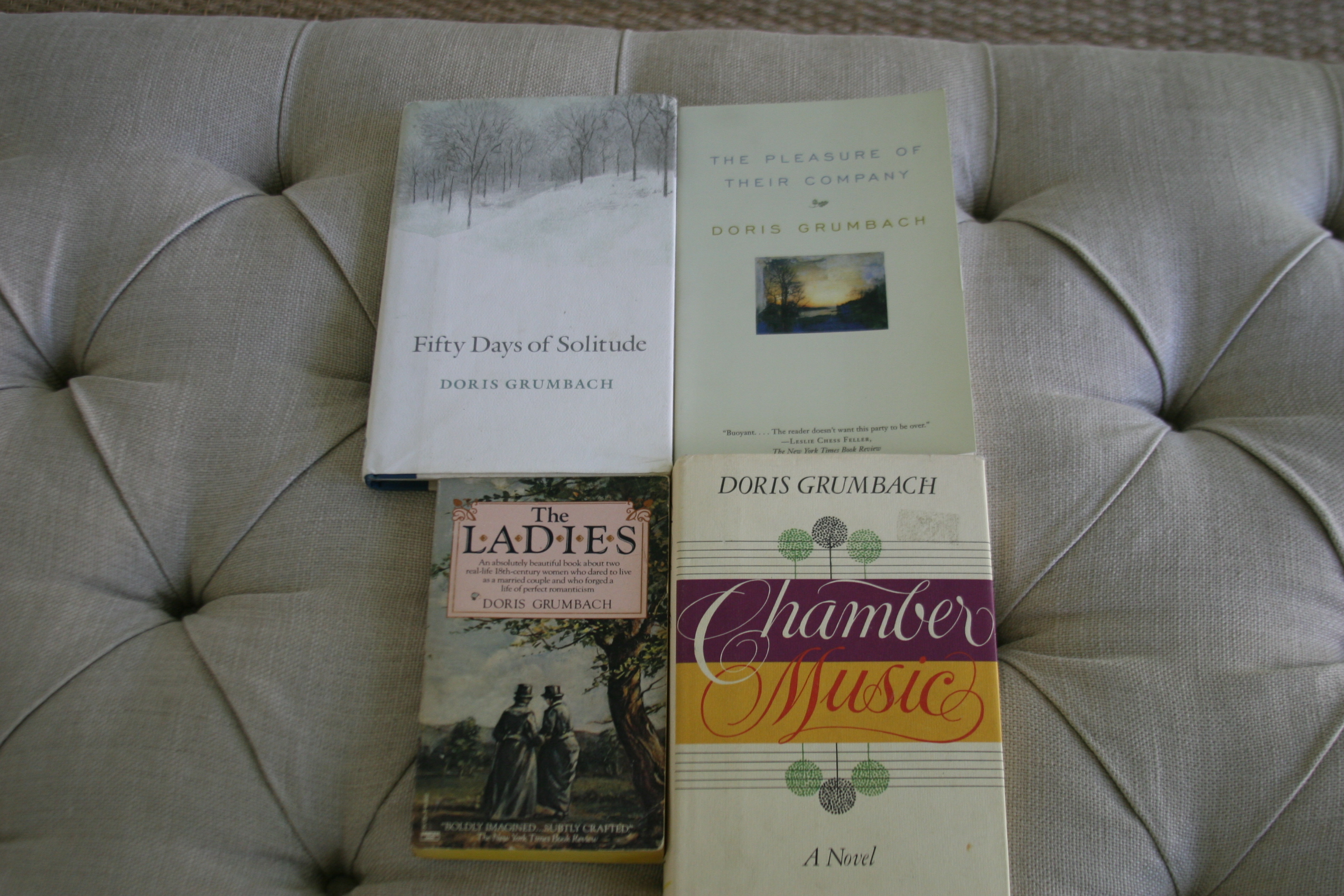
I had never even heard of Doris Grumbach until I stumbled across her on my recent 3-hour book binge at Powell’s in Portland. With so many authors and titles I knew about making their way into my basket, it is hard to explain why and how a total unknown would make the cut. If I remember correctly, it was her book Fifty Days of Solitude that caught my eye. The solitude part made me think of the wonderful journals of May Sarton and the 50 days part made me think of how I love a challenge. Apparently it is a journal/memoir of the author spending 50 days completely on her own. I assume it is a journal but since I found it in fiction, maybe it is made up. Nonetheless, it seemed like something I would enjoy so I put in on my pile. Then I noticed several other title by Grumbach. What if I ended up loving her and had only purchased the one title? Then again, what if I bought more than one title and discovered that I didn’t like her at all?

As is apparent from the photo above, I took a chance on Doris. What will soon be apparent is that I am so glad I took the gamble. I’m not sure why Grumbach’s novel Chamber Music was the first book I chose to read from the pile of 56 books I bought that day. I think my intention was to read the first few paragraphs of a bunch of them and see which one appealed to me most at the time But Chamber Music was the first one I picked up and I was so immediately taken by it that I never moved on to sample any other book.

The book is easy to summarize. Ninety-year old Caroline Maclaren (née Newby), the widow of esteemed, early 20th-century, American composer Robert Maclaren, has been asked by the other trustees of Maclaren Foundation to write a history of her life with the famous composer. What follows is the lovely, sad, beautiful story of Caroline’s rather complicated, unfulfilling life with Robert and the details of how her life unfolds after his death.

In short, Chamber Music was a joy to read. Superficially I loved the turn-of-century milieu, the bits in Germany and even more so the bits–most of the book actually–living just outside of Saratoga Springs in upstate New York. I was also greatly pleased that Grumbach joins the very small number of authors I have read who can write about classical music in a believable way that doesn’t feel forced or pedantic.

On a deeper level I found Caroline’s story tragic, sad, frustrating, at times hopeful, but above all beautiful. Grumbach manages to describe moments of deep pathos without ever making the reader feel manipulated. It seems odd to say a novel like this was a joy to read. Can something so sad be a joy to read? I think yes, but the word perhaps doesn’t really convey what I felt. More of a deep connection with the human frailty Grumbach is so good at portraying.

I can’t wait to see what the other Grumbach’s are like.

Ignore John Wyndham at your reading peril

midwich
I haven’t read The Midwich Cuckcoos yet.

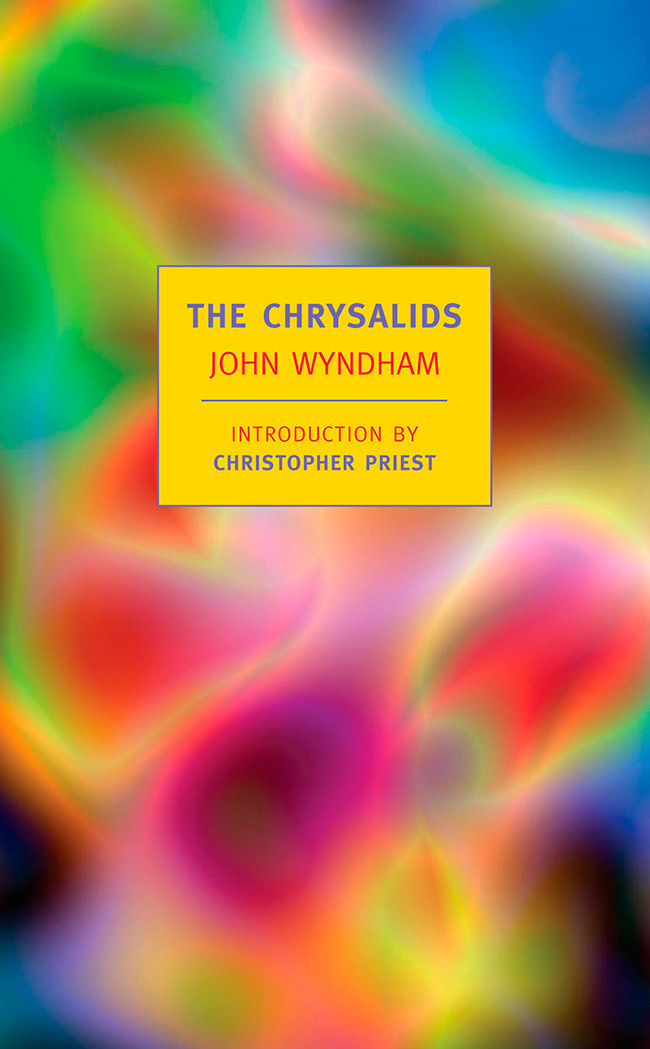
Just after downloading the next of the Palliser novels on audio recently, I got a marketing email from Audible telling me to try something different. I am pretty sure it was a random marketing ploy, and not a comment on all the Trollope I have been listening to. I didn’t open the email to see what they thought different should be, but I did go to Audible and for some reason John Wyndham and his menacing tale The Day of the Triffids popped into my head. I have no idea why. I only had the faintest notion of who he was and what he had written. After checking the audio samples to make sure the narrator wouldn’t bug me, downloaded Triffids and was immediately taken. I enjoyed it so much I quickly moved on to The Chrysalids and then to Chocky and loved all of them.

triffids
Now, before you get all dismissive and say you don’t do science fiction, I remind you that I am no fan of science fiction myself. But Wyndham’s work has several things going for it. Most importantly, Wyndham is a great story teller who keeps you on the edge of your seat. I also like that in the three I have read so far his settings are familiar enough, especially in Triffids and Chocky, that you don’t need to stretch at all to think it could be true. In fact, his post-war Britain perspective is right up my alley. It wouldn’t be hard to imagine Miss Buncle or one of Nevil Shute’s characters walking through a scene. And, although his prose is much better, Wyndham is like Shute in the fact that ordinary (kind of) people are called upon to do extraordinary things. Wyndham also gives much food for thought and for the most part his work stays just shy of any kind of preaching.

Chocky_2048x2048

chrysalidscover_2048x2048
I am bonkers for Wyndham. Unlike other authors I love, I have no interest in rationing his work. As soon as I can get my hands on it, I am going to read everything he has ever written.

You might find this radio documentary on Wyndham as fascinating as I did. I love his edgy, subversive, point of view.

http://www.danrebellato.co.uk/john-wyndham-documentary/


Surprisingly, Powell’s still has a few things for sale

002

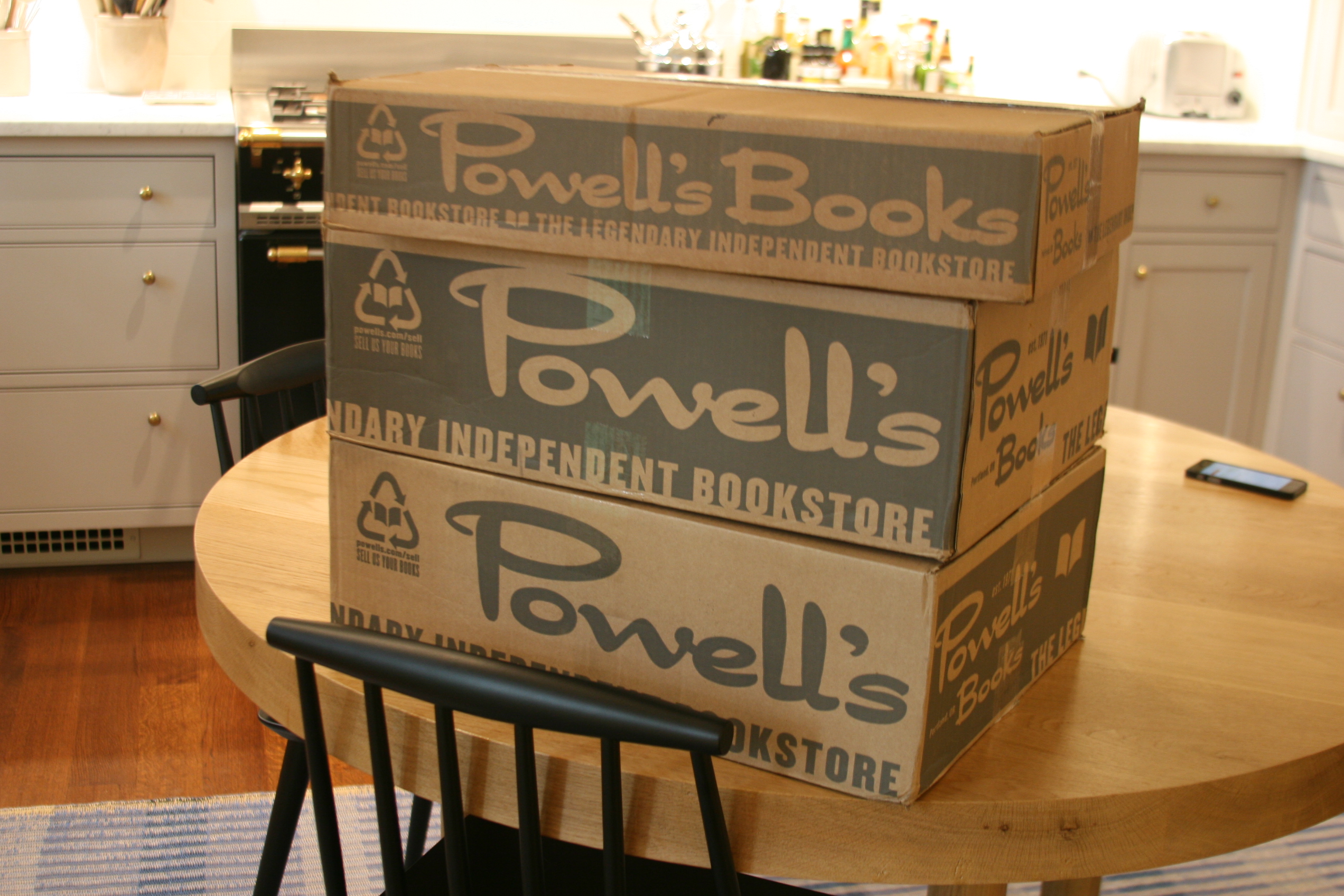
Contrary to earlier Twitter and Facebook reports, I didn’t actually buy 61 books at Powell’s late last month. John got about five books, so that means I only got 56 books. A much more reasonable number. For those of you who don’t know, Powell’s City of Books in Portland, Oregon is the largest bookstore in the U.S. and I think the best. One of my favorite parts is that they have used, new, and remainders all intermixed on their shelves. This makes for a very satisfying browsing experience. I also love that one will always find a hidden gem or two–even if you limit yourself to just one section.

008
Opening up each of these flat packs was a bit of a discovery since I didn’t really remember everything that ended up in my two shopping baskets. I shouldn’t have opened one flat pack a day. But what kid can resist opening a package?

On our most recent visit to Powell’s I focused combing the fiction from A to Z. On other trips I have looked for specific titles or authors and then also browsed other sections of the store. I’m glad I did A to Z fiction this time. But next time I think I need to go Z to A. By the time I got to the Ds, I already had 14 books in my basket. I could have spent more time in the store, but after three hours on one of the most beautiful days Portland could offer I thought it was time to get out and about. There were a few other times over the weekend where I thought about going back but I was too busy eating.

010
When you got to Powell’s try going on a weekday during the day. If you have to go on the weekend get there when they open to avoid most of the poseurs. You know the type, those that maybe buy one book that they are never going to read. Nothing bad about these folks, but do you really want them getting in the way? Having said that Powell’s is huge and never, ever feels cramped like Strands Books in NYC can.

You can scroll down to see the whole list of my haul, but I know that most of you appreciate a photo or two of book finds. So here it goes.

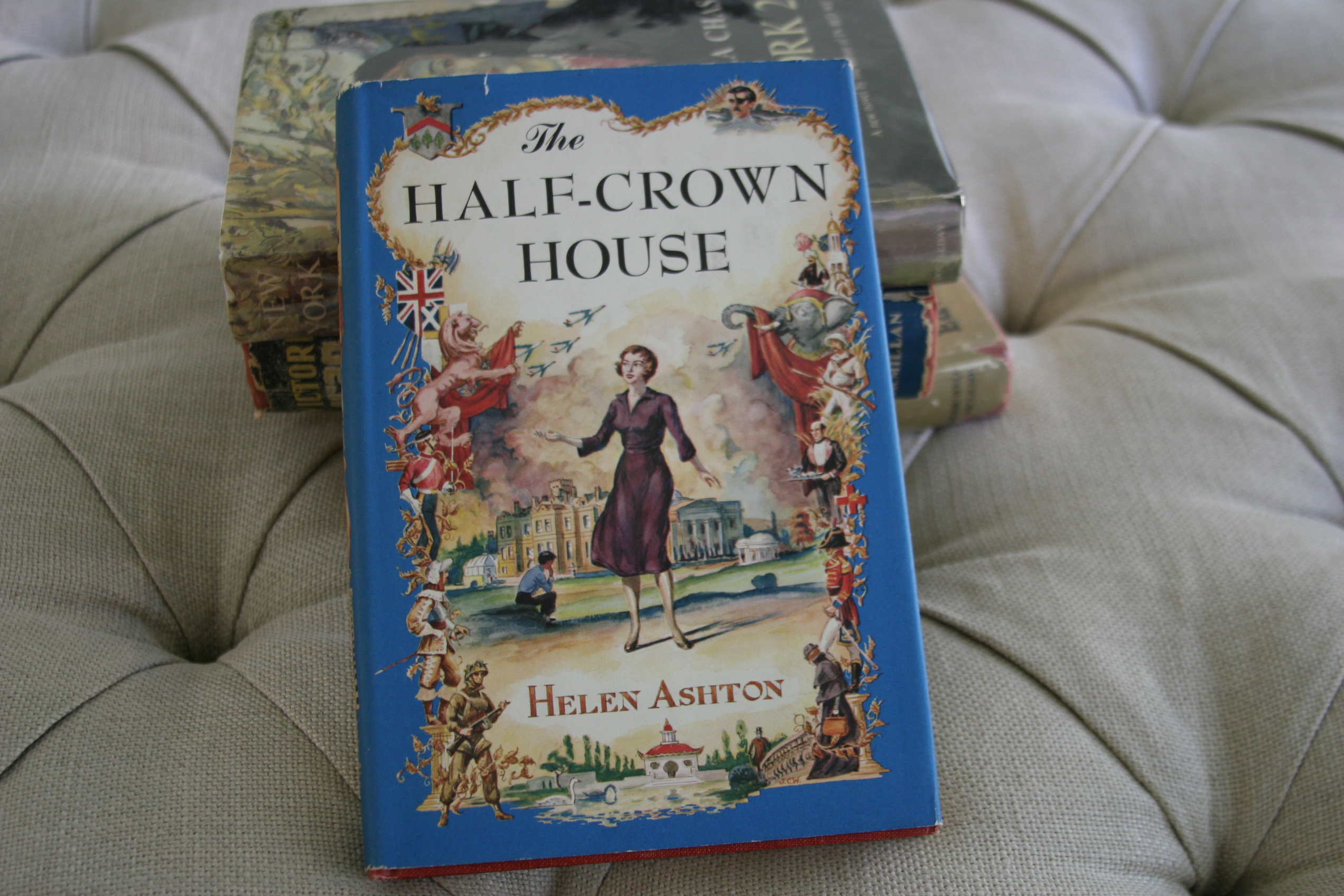
The dust jacket pulled me in but then I saw it was the story of an old English manor house. How could I not buy it.
Absolutely no clue about this one, but I loved the cover.
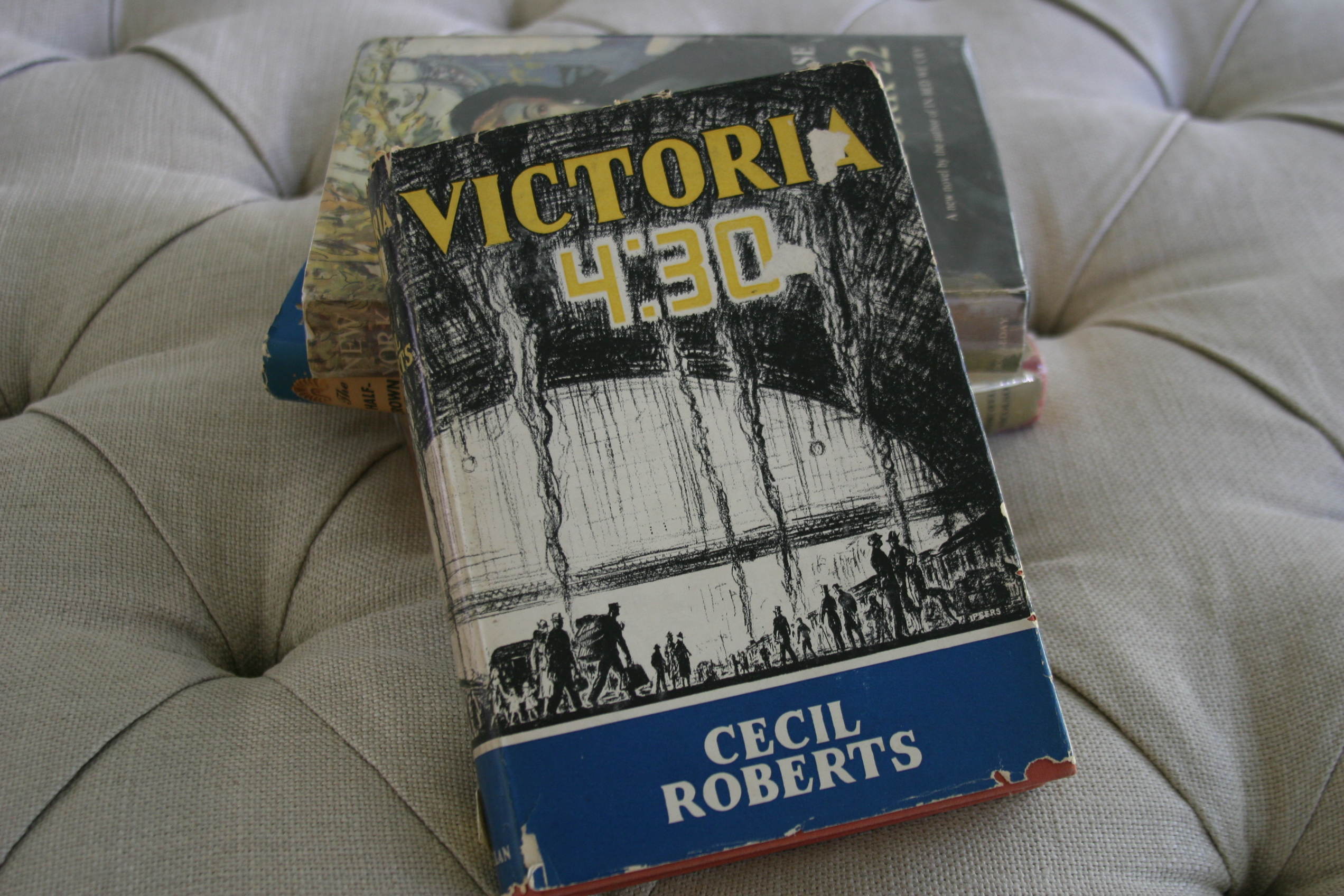
The 4:30 train at Victoria Station timed to meet up with the Arlberg-Orient Express. Yes please.
I've tried to figure out the exact relationship to Vita, but that is one confusing family.
I’ve tried to figure out the exact relationship to Vita, but that is one confusing family.
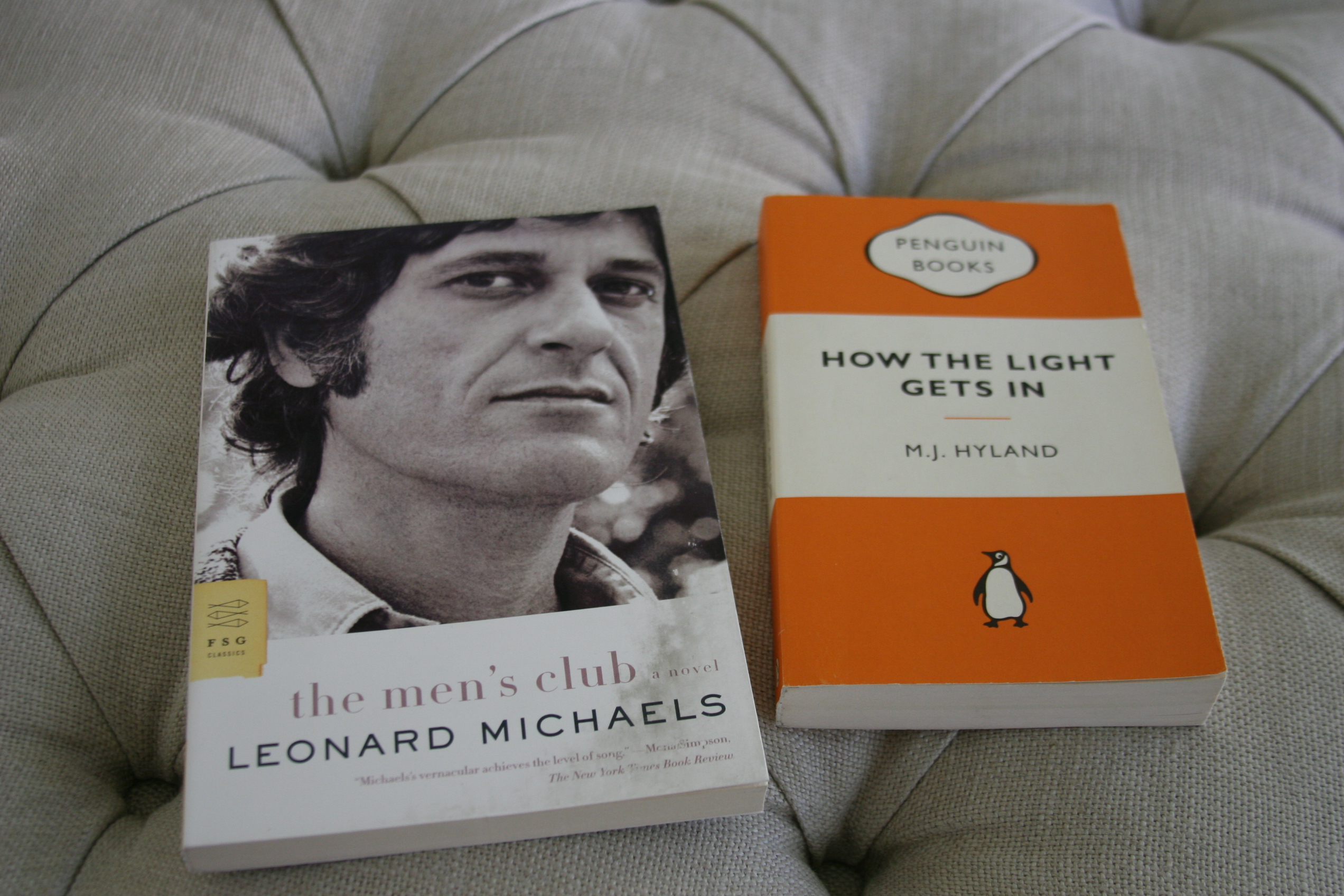
I was drawn to How the Light Gets In because it reminds me of the Leornard Cohen song. But think it may be interesting about a student who escapes her "emotionally crass" family in Sydney to study abroad in the USA. And The Men's Club: "Seven men, friends and strangers, gather in a house in Berkeley."
I was drawn to How the Light Gets In because it reminds me of the Leornard Cohen song. But think it may be interesting about a student who escapes her “emotionally crass” family in Sydney to study abroad in the USA. And The Men’s Club: “Seven men, friends and strangers, gather in a house in Berkeley.”
I've never read any of the novels of the man who revived Barbara Pym's career. I've never seen them anywhere before and Powell's had two.
I’ve never read any of the novels of the man who revived Barbara Pym’s career. I’ve never seen them anywhere before and Powell’s had two.
I thought I had at least heard of all of Lively's novels, but this one was a surprise.
I thought I had at least heard of all of Lively’s novels, but this one was a surprise.
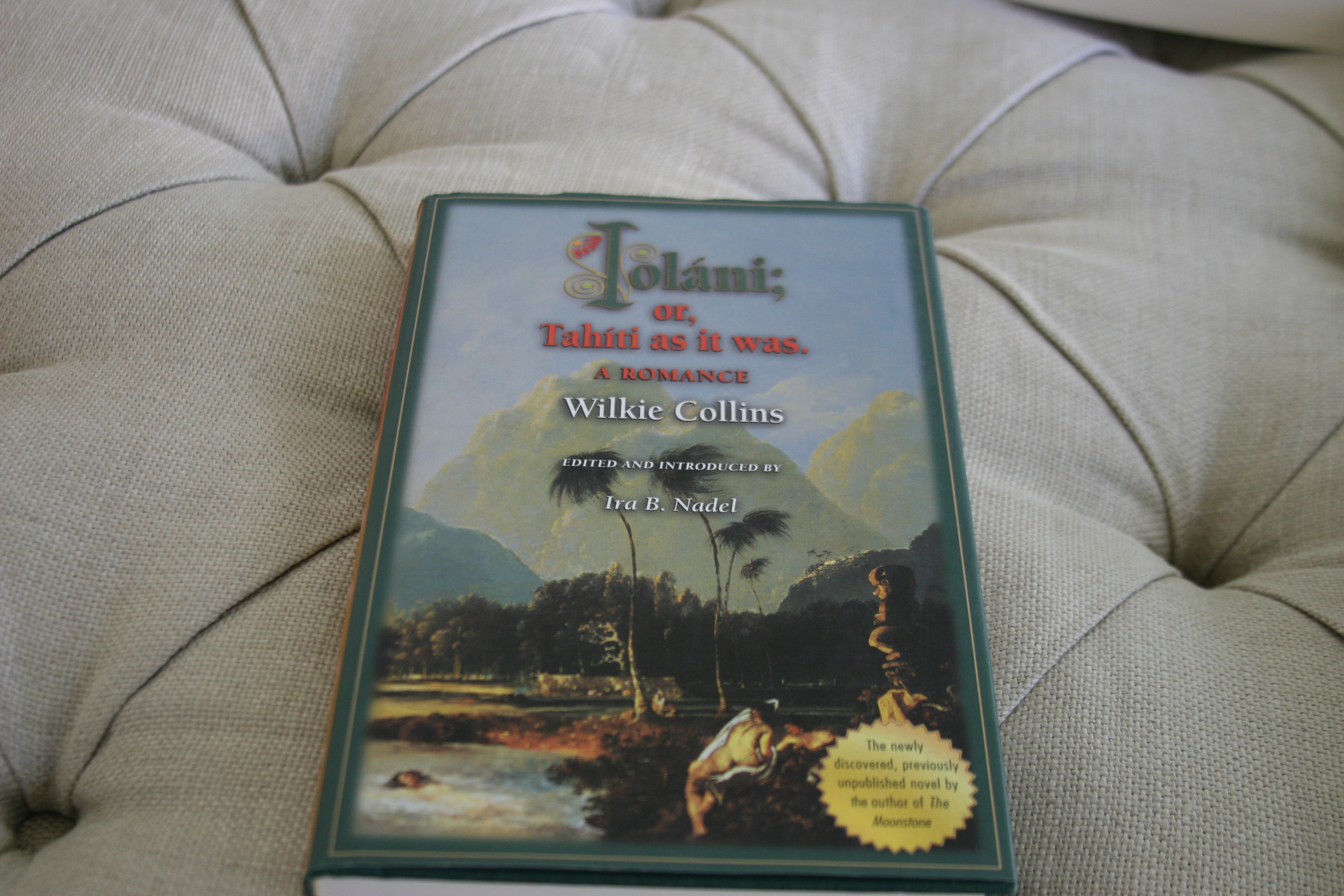
I don't know if this will be any good, but how could I pass up a newly discovered Wilkie Collins.
I don’t know if this will be any good, but how could I pass up a newly discovered Wilkie Collins.

Acevedo, Chantel – The Distant Marvels
Ackerley, J.R. – My Father and Myself
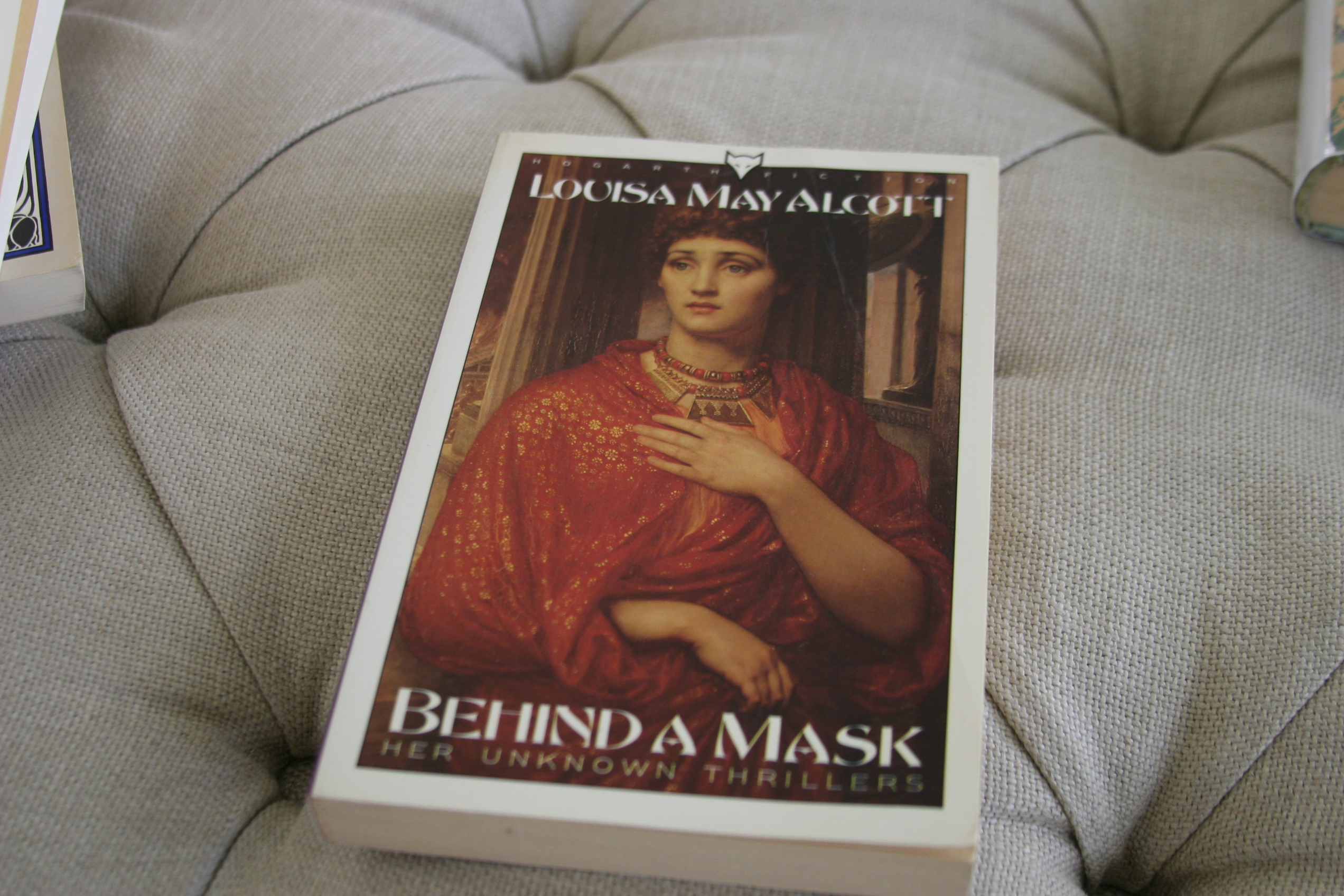
Alcott, Louisa May – Behind a Mask (Her Unknown Thrillers)
023
Allen, Walter – All in a Lifetime
Ashton, Helen – The Half-Crown House
Atherton, Gertrude – American Wives & English Husbands
Auchincloss, Louis – The Rector of Justin
Bailey, Paul – The Prince’s Boy

The hardcover is included in the paperback omnibus, but I couldn't resist the cover.
The hardcover is included in the paperback omnibus, but I couldn’t resist the cover.

Bates, H.E. – A Breath of French Air
Bates, H.E. – The Darling Buds of May

022
Benson, E.F. – An Autumn Sowing
Benson, E.F. – David Blaize
Benson, E.F. – Desirable Residences (A new Miss Mapp story)
Benson, E.F. – Mrs. Ames
Chase, Ilka – New York 22
Collins, Wilkie – Iolani; or, Tahiti as it was.
Cresswell, Helen – Ordinary Jack
Dumas, Alexandre – Louise de la Valliere
Gissing, George – In the Year of Jubilee

This was my biggest gamble. I've never read Grumbach, but the 50 days of solitude drew me in and then the others just seemed to be equally interesting. We'll see.
This was my biggest gamble. I’ve never read Grumbach, but the 50 days of solitude drew me in and then the others just seemed to be equally interesting. We’ll see.

Grumbach, Doris – Chamber Music
Grumbach, Doris – Fifty Days of Solitude
Grumbach, Doris – The Ladies
Grumbach, Doris – The Pleasure of their Company
Hosain, Attia – Sunlight on a Broken Column
Hyland, M.J. – How the Light Gets In
Keyes, Frances Parkinson – Also the Hills
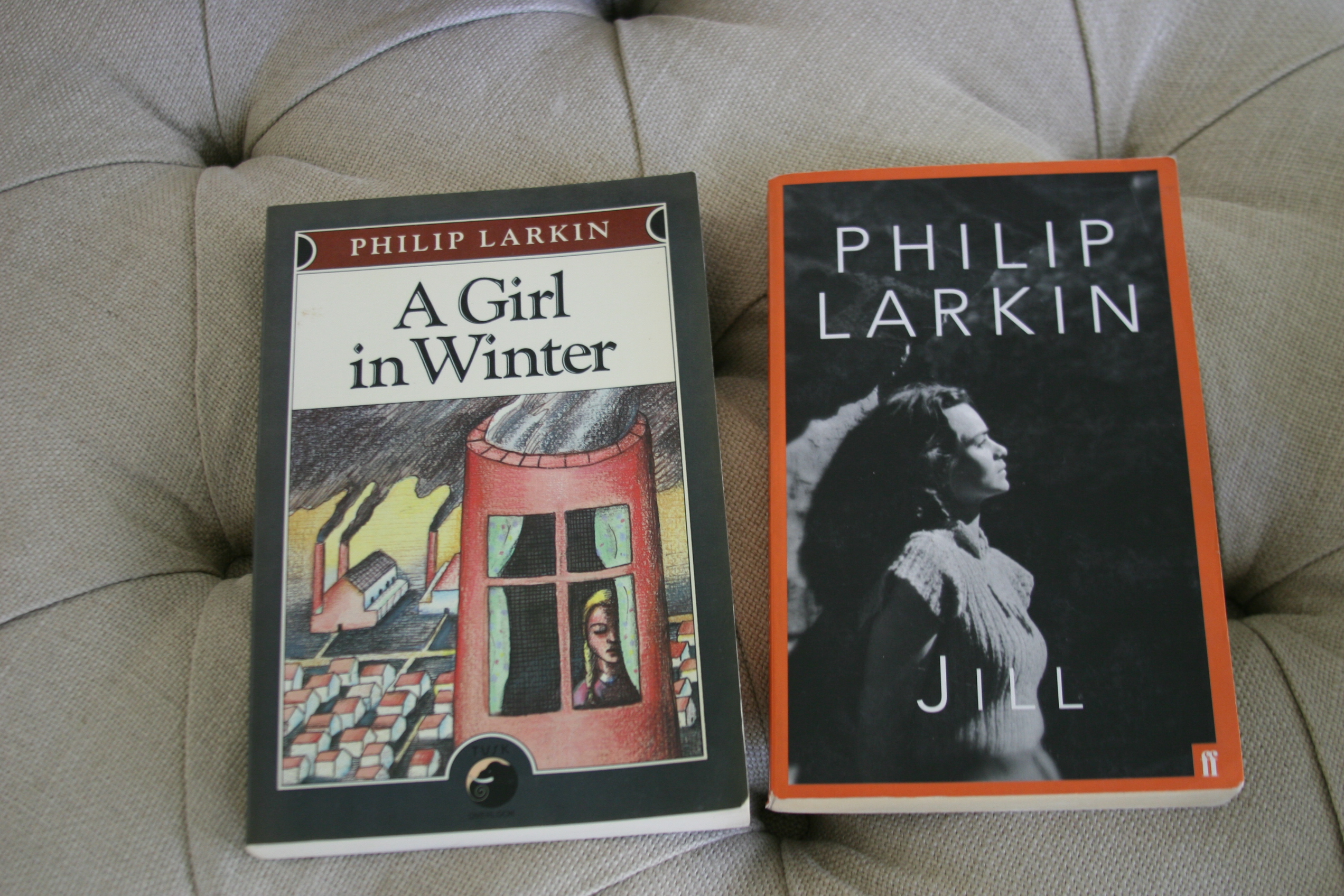
Larkin, Philip – A Girl in Winter
Larkin, Philip – Jill
Lively, Penelope – Spiderweb
Manning, Olivia – The Doves of Venus

I love Cheryl Mendelson's Morningside Heights Trilogy and first thought Charlotte's novels were by Cheryl. Still, it looked interesting enough to buy anyway.
I love Cheryl Mendelson’s Morningside Heights Trilogy and first thought Charlotte’s novels were by Cheryl. Still, it looked interesting enough to buy anyway.

Mendelson, Charlotte – When We Were Bad
Mendelson, Cheryl – Morningside Heights
McPherson, William – Testing the Current
Michaels, Leonard – The Men’s Club

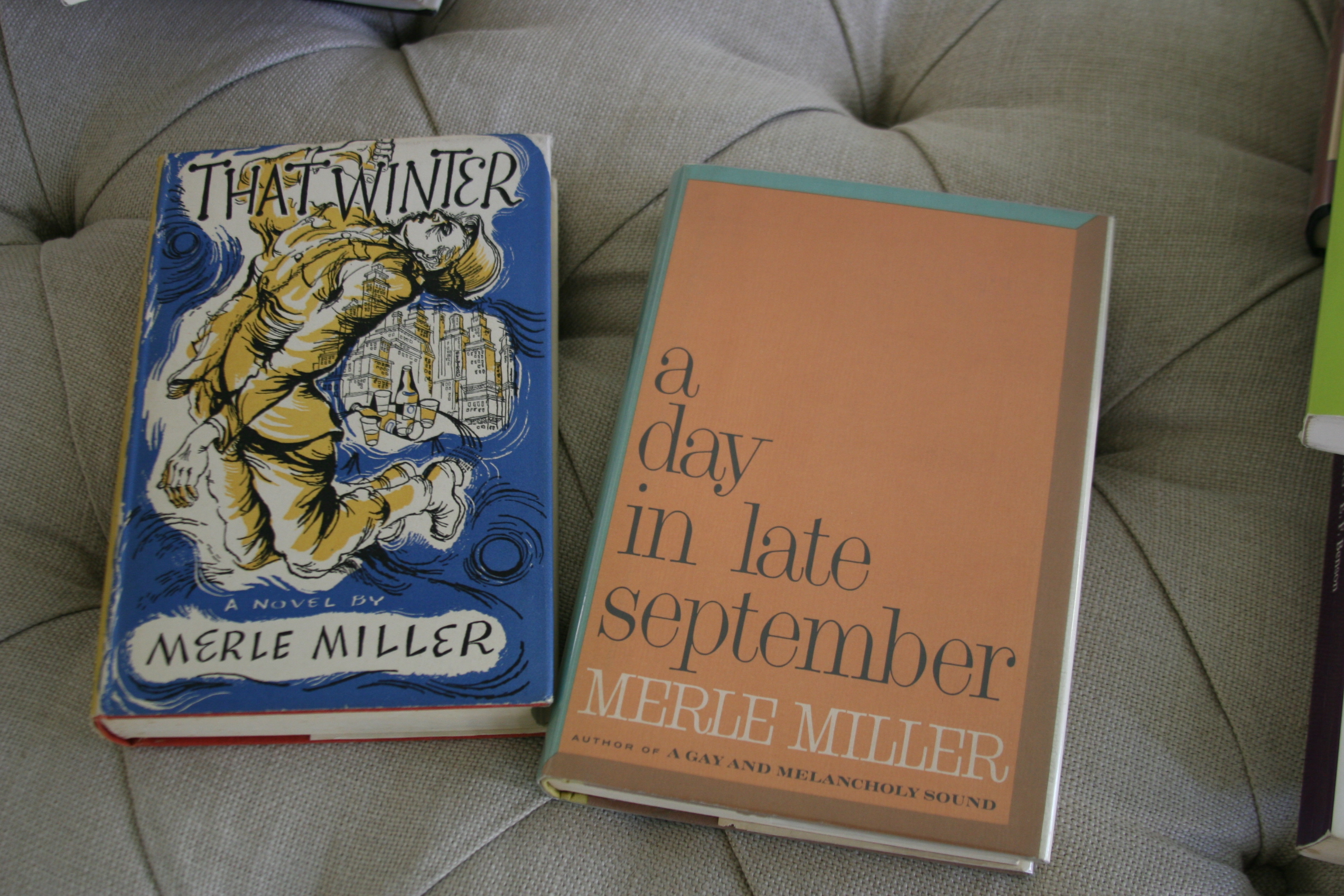
Nancy Pearl got me interested in Merle Miller and his novels are pretty hard to find.

Miller, Merle – A Day in Late September
Miller, Merle – That Winter
Monson, Ander – Letter to a Future Lover
O’Grady, Rohan – Let’s Kill Uncle
Priestley, J.B. – Bright Day
Roberts, Cecil – Victoria 4:30
Sackville-West, Edward – Simpson
Sackville-West, Vita – The Easter Party
Shute, Nevil – Beyond the Black Stump
Soseki, Natsume – The Gate
Spark, Muriel – Robinson

041

040Trollope, Anthony – The American Senator
Trollope, Anthony – The Claverings
Trollope, Anthony – The Fixed Period
Trollope, Anthony – Kept in the Dark
Trollope, Anthony – Mr. Scarborough’s Family
Trollope, Anthony – Orley Farm
Trollope, Anthony – Ralph the Heir
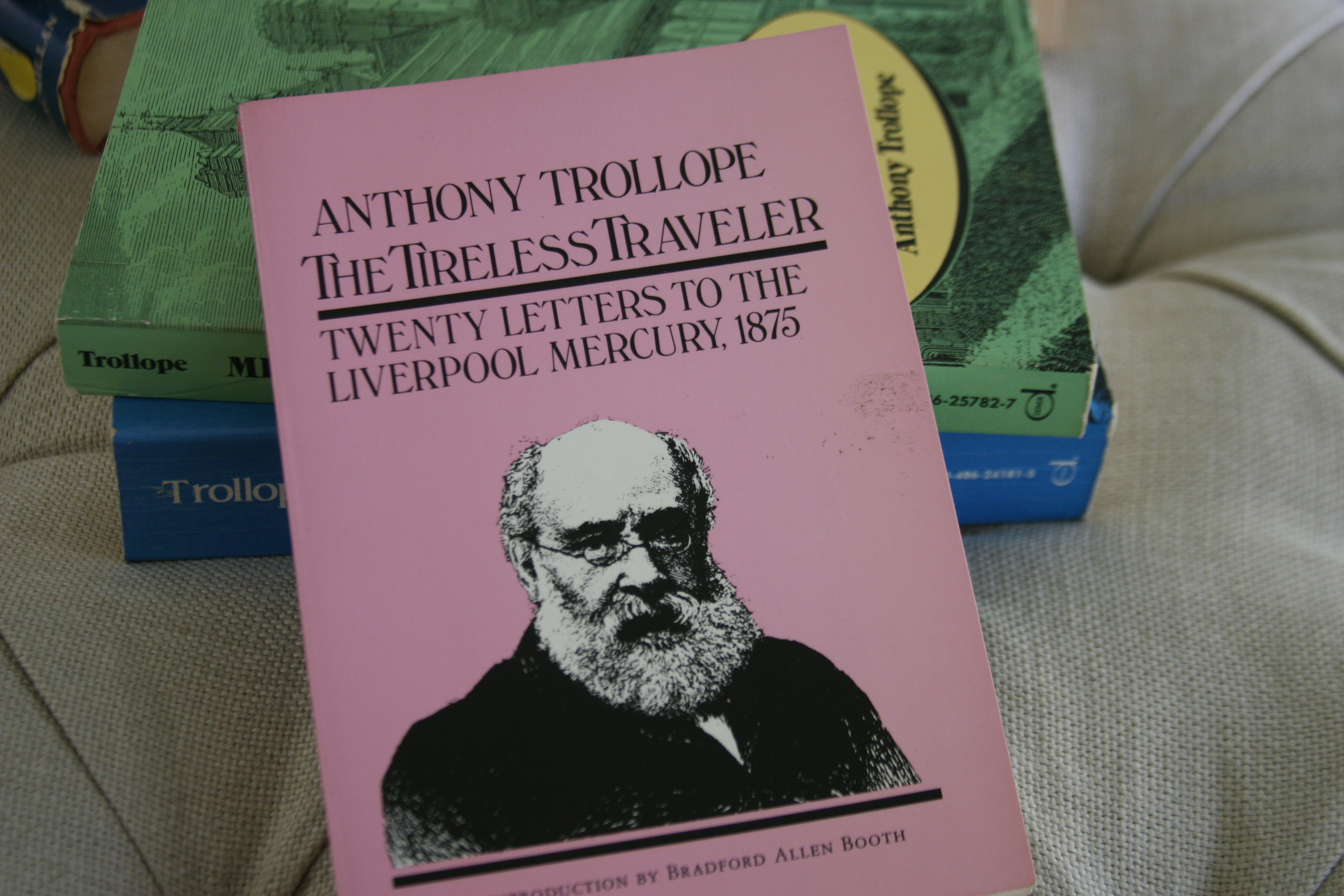
Trollope, Anthony – The Tireless Traveller
Trollope, Anthony – Why Frau Frohmann Raised Her Prices and Other Stories
Waugh, Evelyn – The Complete Stories


Remember Zines? Portland does.

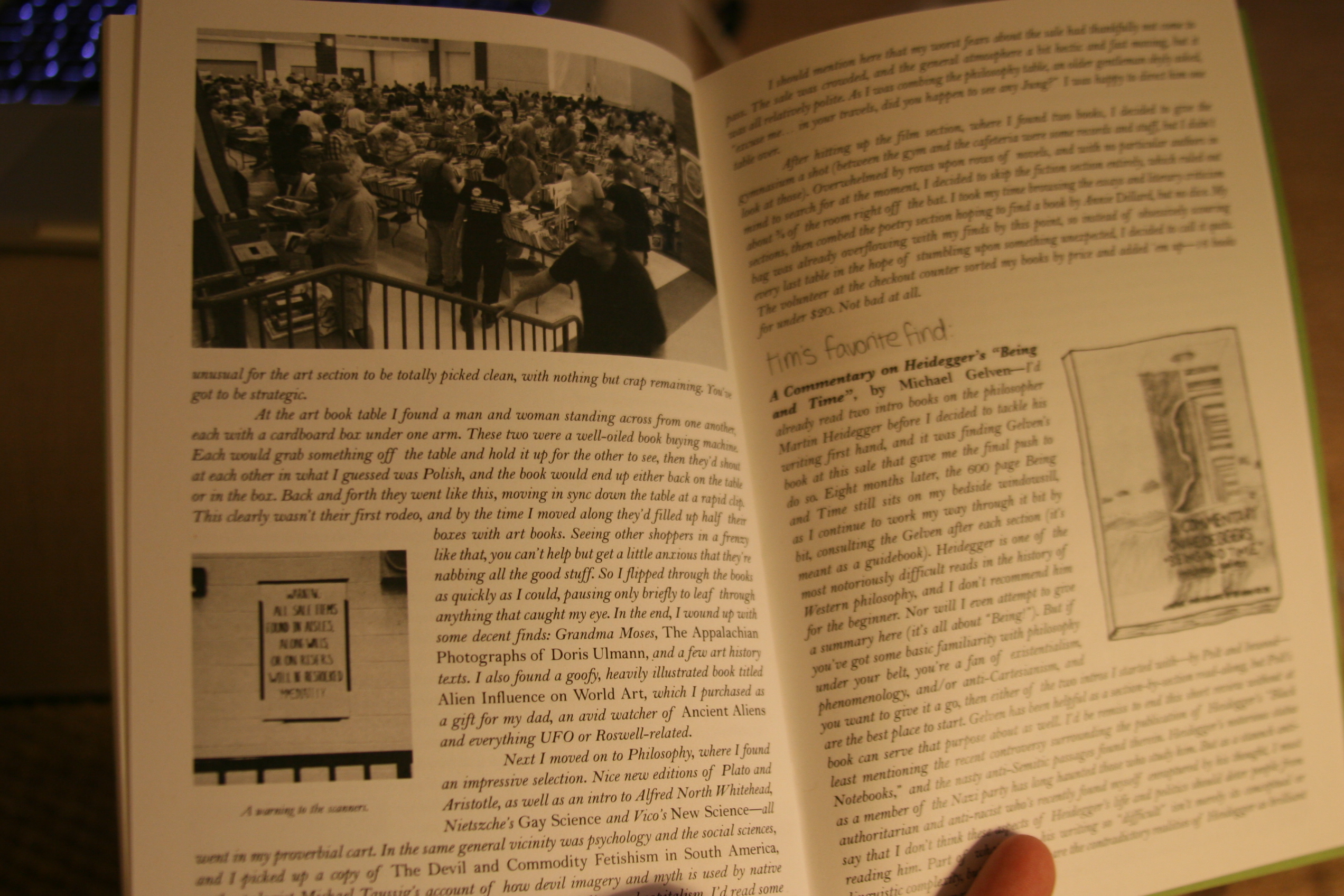
Reading+Frenzy6One of the million reasons I think Portland, Oregon is one of the greatest cities on the planet is that it has a store dedicated to zines.  Remember zines? Surprised they still exist in 2015? Me too. Not only do they exist, but Reading Frenzy is a fantastic little shop just across the Willamette River from downtown Portland that specializes in them. Back in their heyday I wasn’t exactly a reader/consumer of zines, but there is something so charming about the fact that they are still out there. As a blogger, podcaster, Tweeter, Facebooker, and GoodReadser, I love how the Internet brings together bookish people and provides an almost limitless resource for all things bookish in a way that someone who grew up in the rather isolating 1970s and 1980s could never have imagined. But, as regular readers know, I am a bit of an old fashioned guy with a bit of a nostalgia kick for rotary phones, typewriters, card catalogs, and all things paper.

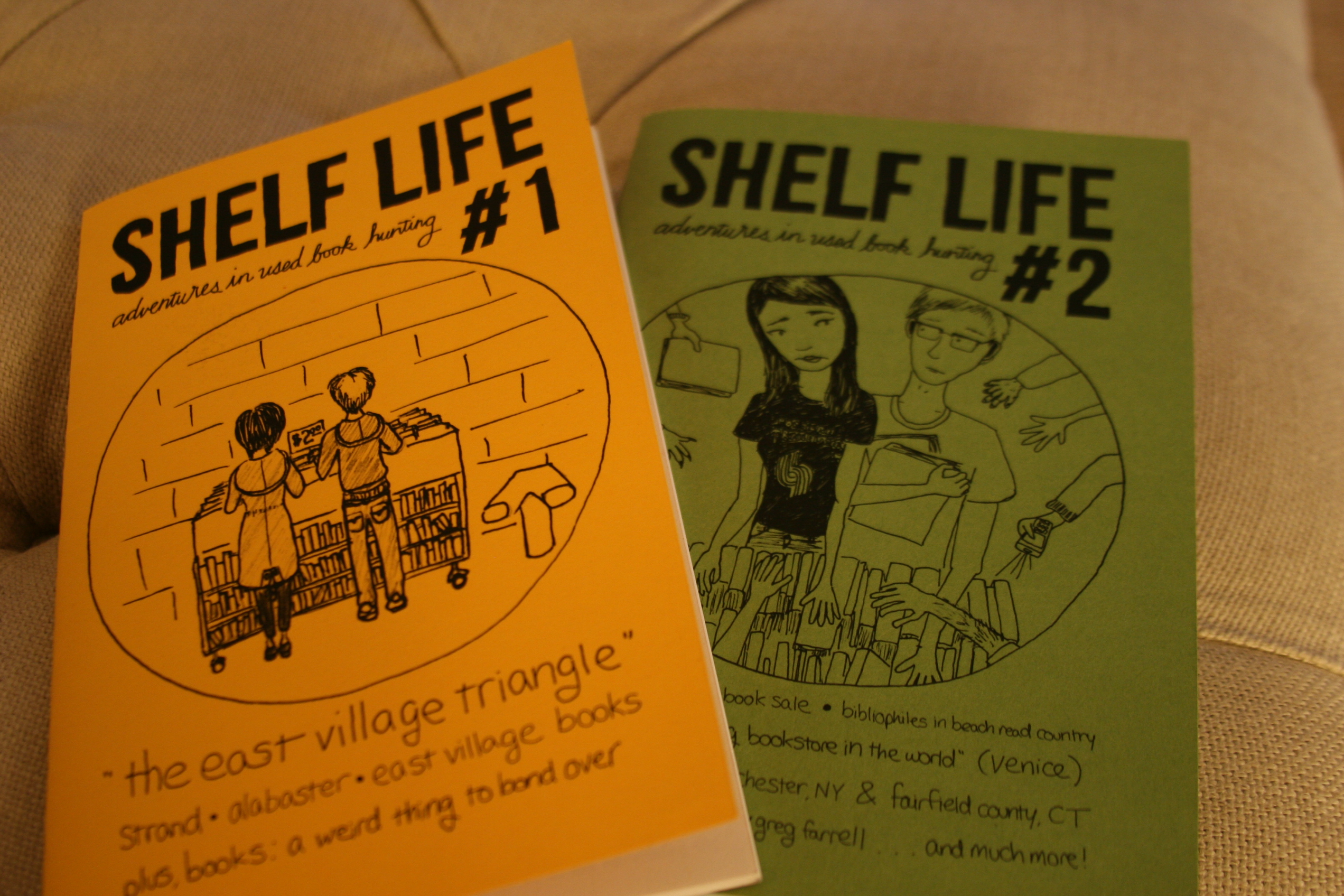
I was delighted when John and I stumbled across Reading Frenzy after an amazing breakfast at Sweedeedee. I was even more delighted when I spotted something called Shelf Life: adventures in used book hunting. Holy God, have I died and gone to heaven? As someone who all but gave up buying new books–or at least gave up the sport of buying new books–in favor of much more interesting used book quarry years ago, I couldn’t have asked for a more. There were two issues available and I scooped up one of each without any hesitation.

002
I didn’t get around to reading Shelf Life until we got back to DC. I picked it up one night when I couldn’t quite settle on what to read before I went to bed. I thought I would just take a quick look before falling asleep. But within seconds of dipping in I was hooked. Written by 20-something (?) couple Annie and Tim, Shelf Life is just what the subtitle indicates, a chronicle of their adventures in used book hunting. What could easily turn into a bunch of Yelp reviews is instead a charming chronicle of Annie’s and Tim’s proclivities, foibles, peeves, and thoughts on used books and book stores. Sigh.

009
The one thought I had as I tried to ration the two issues was “WHEN ARE THEY GOING TO PUBLISH MORE?” Almost concurrently I wondered why they don’t do this online in digital format. But, for reasons alluded to earlier, I am glad they don’t. I feel like I am stepping back in time even if some of their review-essays bemoan the very modern use of book scanners at used book sales and other nods to the fact that it is 2015.

008
There was also part of me that wanted to offer my services as a correspondent, and part of me that wanted to get encyclopedic on Hogglestock about my own adventures in used book hunting. But in the end, I am glad it is what it is and nothing more.

If you want to get your own copies of Shelf Life you can find them here at their Etsy shop. If you want to relive some of my tales of used book shopping look no further than these:

16 used bookshops in 14 Days
Barns full of books and fields full of flowers

Finding needles in haystacks
The giant Tompkins County, New York book sale
A local bookstore hunt
The greatest book about used books ever written (84, Charing Cross Road)
Getting obsessive about old paperbacks in San Francisco and DC
Book hunting in Kaua’i
When Frances wrote about our trip to the book ‘store’ where everything is free 
Then we did a special podcast segment about our trip to the free book store
And who could forget Chris’s tale of book barn outside of New Haven, CT

Reading on the road

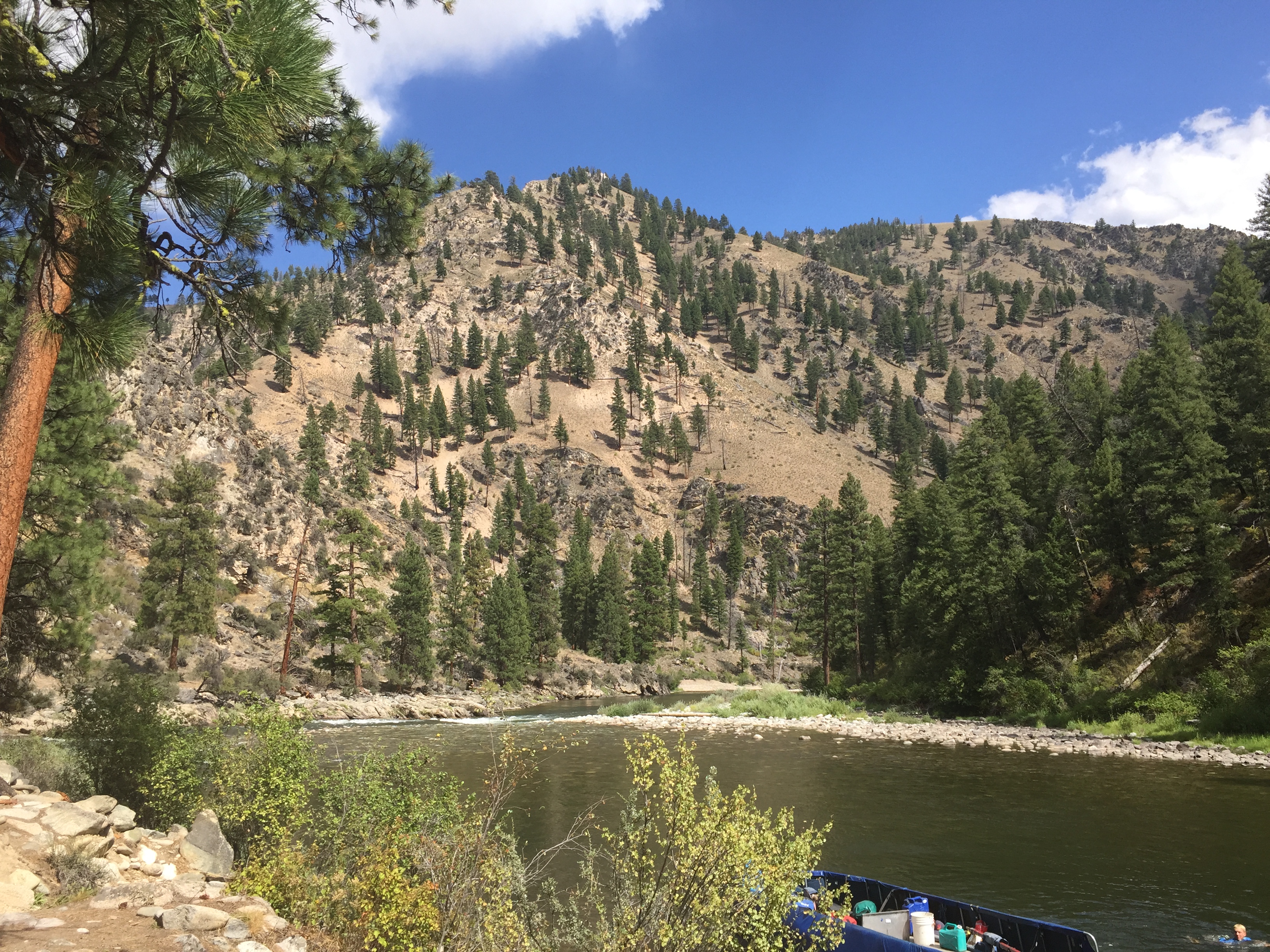
Normally vacation means a fair amount of time to read and hunt for books. This is especially true when we install ourselves for two weeks up in Maine. Not sure there is anything more conducive to reading than Maine in the summer. This summer our vacation was slightly, and by slightly, I mean a whole lot more, active than normal. I’ve already posted some pictures of our 5-day whitewater raft trip down the Middle Fork of the Salmon River in Idaho. Normally I take way more books on a trip than I would ever have time for but this time I resisted. The combination of being on the water most of the time and the fact that after the river trip I would be making another pilgrimage to Powell’s City of Books in Portland, Oregon, gave me the confidence to only take TWO books for about 11 days a way from home.

I was right to limit myself. The flight out west was late at night and consisted of more sleeping than reading, and the active and social nature of the river trip made it hard to find time to read. We were just as active in Portland, and despite spending three hours at Powell’s, I didn’t really find much time to read there either.

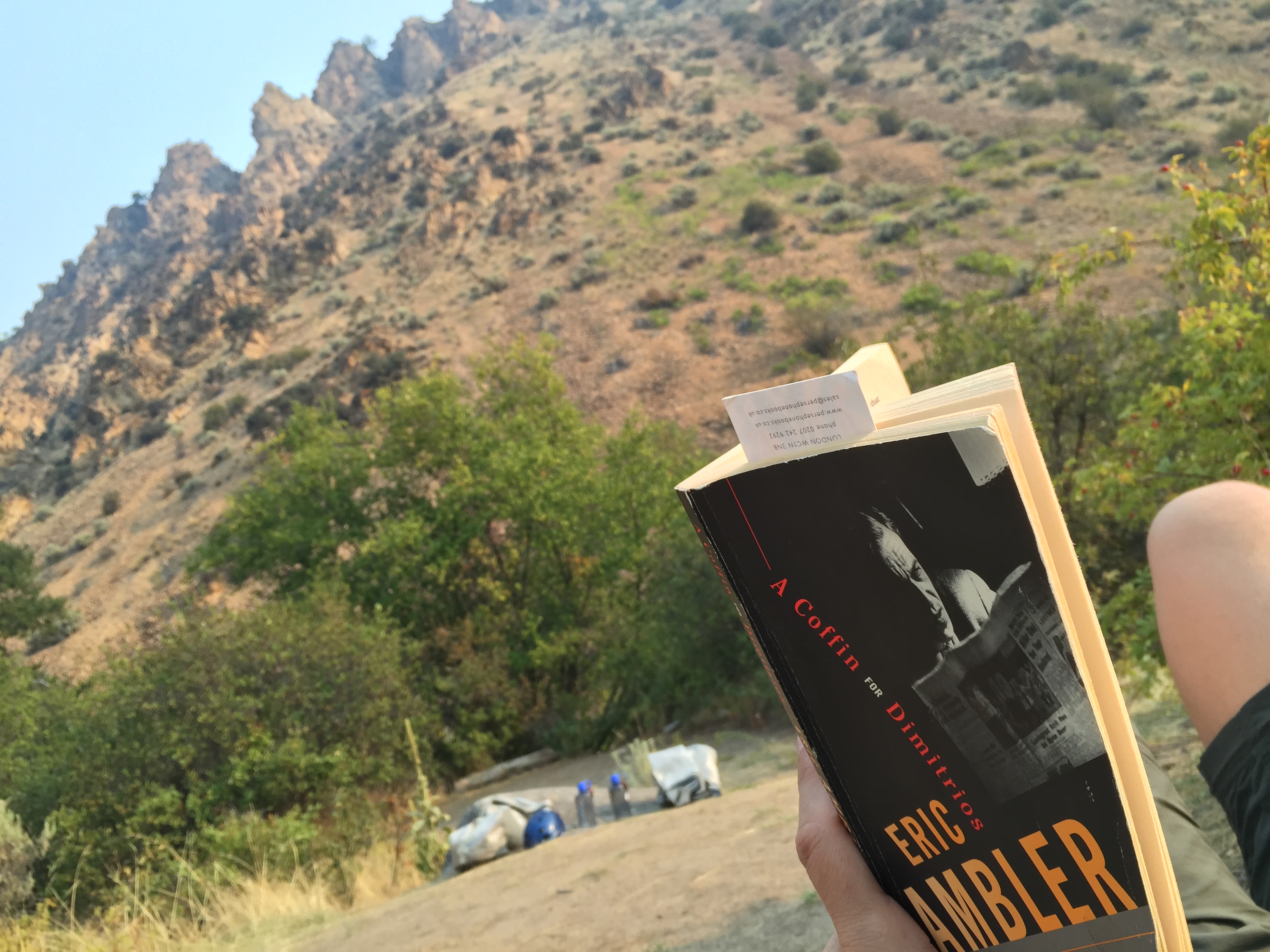
There were a few choice reading moments, however. One involved a wildly energetic (and hilarious) 12-year old on the river trip who warmed my heart when he joined me one morning as I was reading. I’m not sure I ever inspired any child to read before. He even referred to it later as our reading club.

With a rock as a back rest and a personal flotation device (PFD) as a pillow, this was a pretty comfy spot for reading. And the fact that one of the kids on the trip voluntarily decided to join me was enough to melt the heart of any book lover. He even talked about our reading club.
With a rock as a back rest and a personal flotation device (PFD) as a pillow, this was a pretty comfy spot for reading. And the fact that one of the kids on the trip voluntarily decided to join me was enough to melt the heart of any book lover.

IMG_1789

The view from my book.
I was a little too sleepy at the Portland Rose Garden to get much reading done (The Burnt-out Case by Graham Greene) but the bird who joined me was awfully cute.

Floating through the middle of nowhere

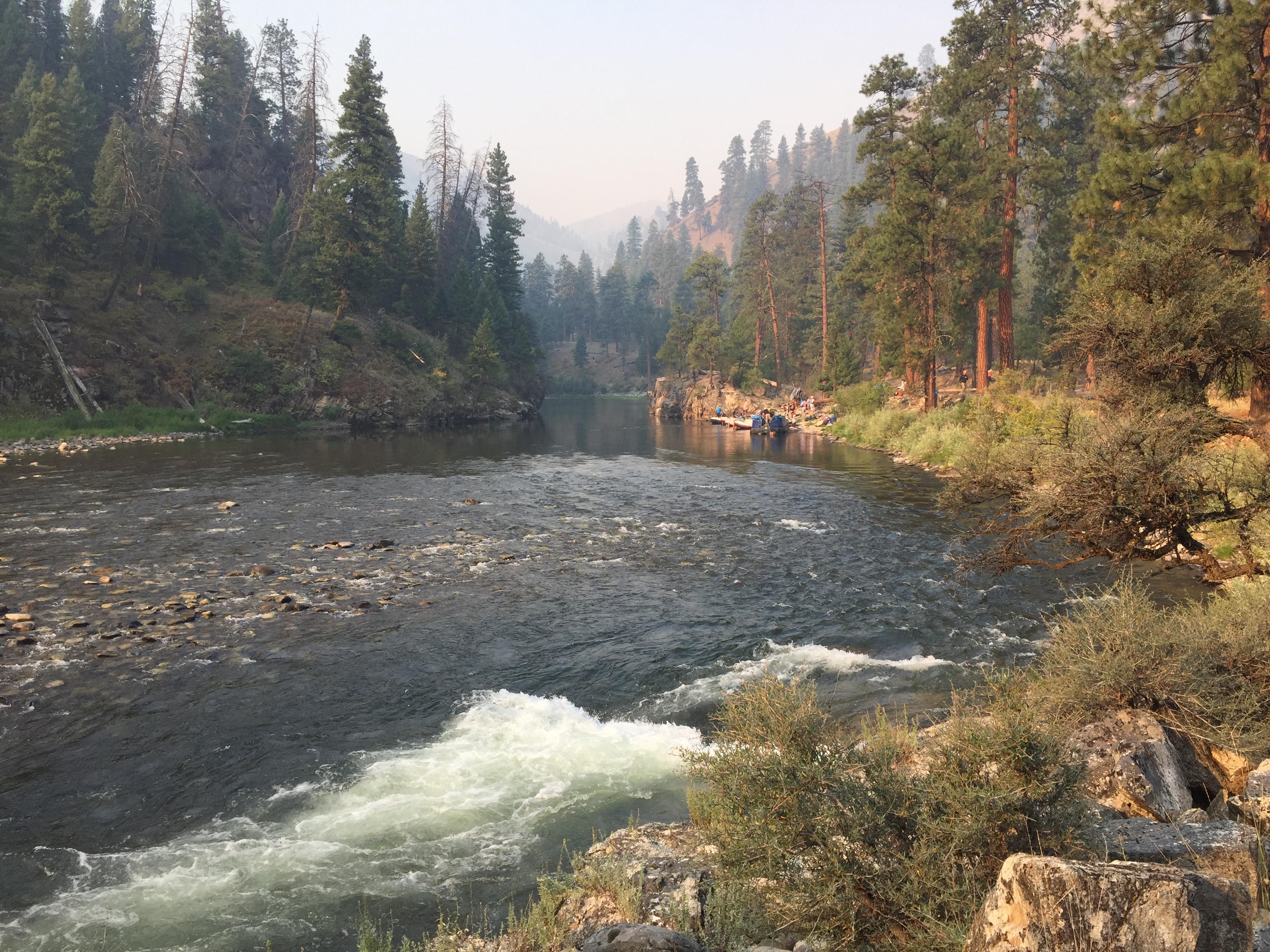
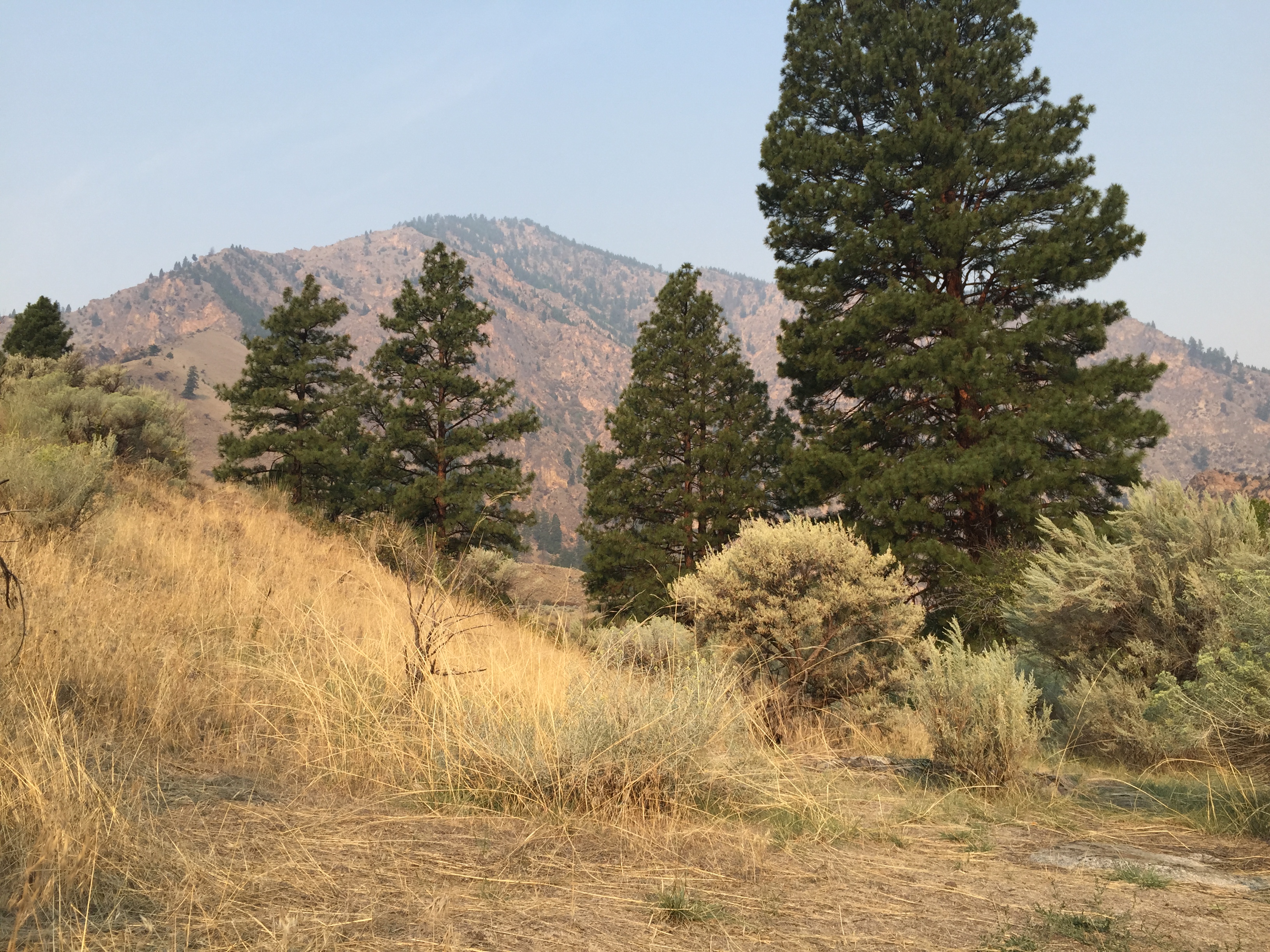
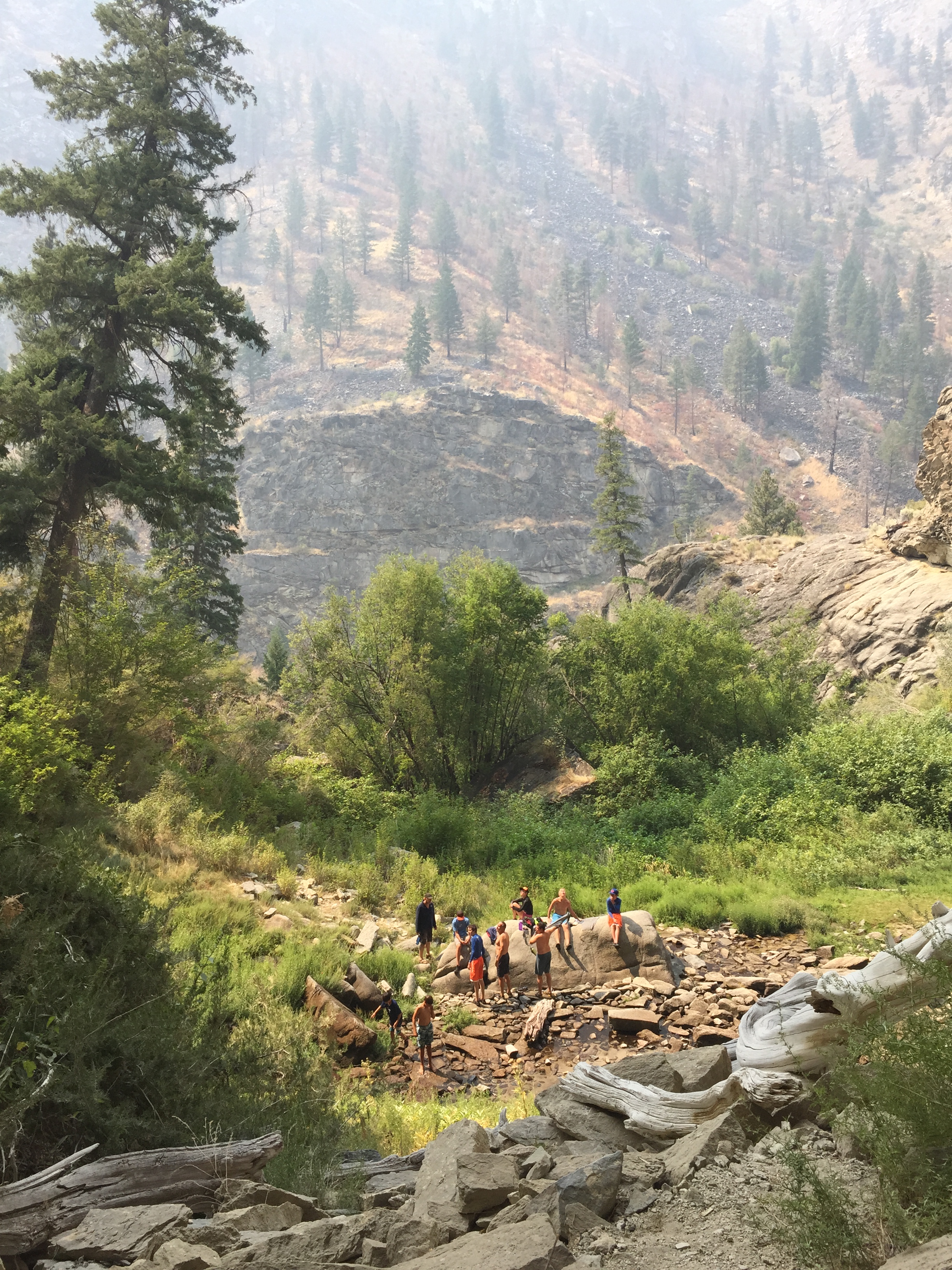
I have lots of blog post ideas floating through my head, but don’t have the time at the moment to write any of them. But I will provide a little something for you all to look at until I get myself together. John and I were lucky enough to join one of his college friends and his family and friends on a 5-day ‘float’ down the Middle Fork of the Salmon River in Idaho. The Middle Fork is in one of the most pristine wilderness areas in the U.S. and there was blessedly no such thing as a cell phone signal anywhere along the route. Here is a little sampler.

I look bigger than the plane. Waiting in 100 degree heat to take off from Boise.
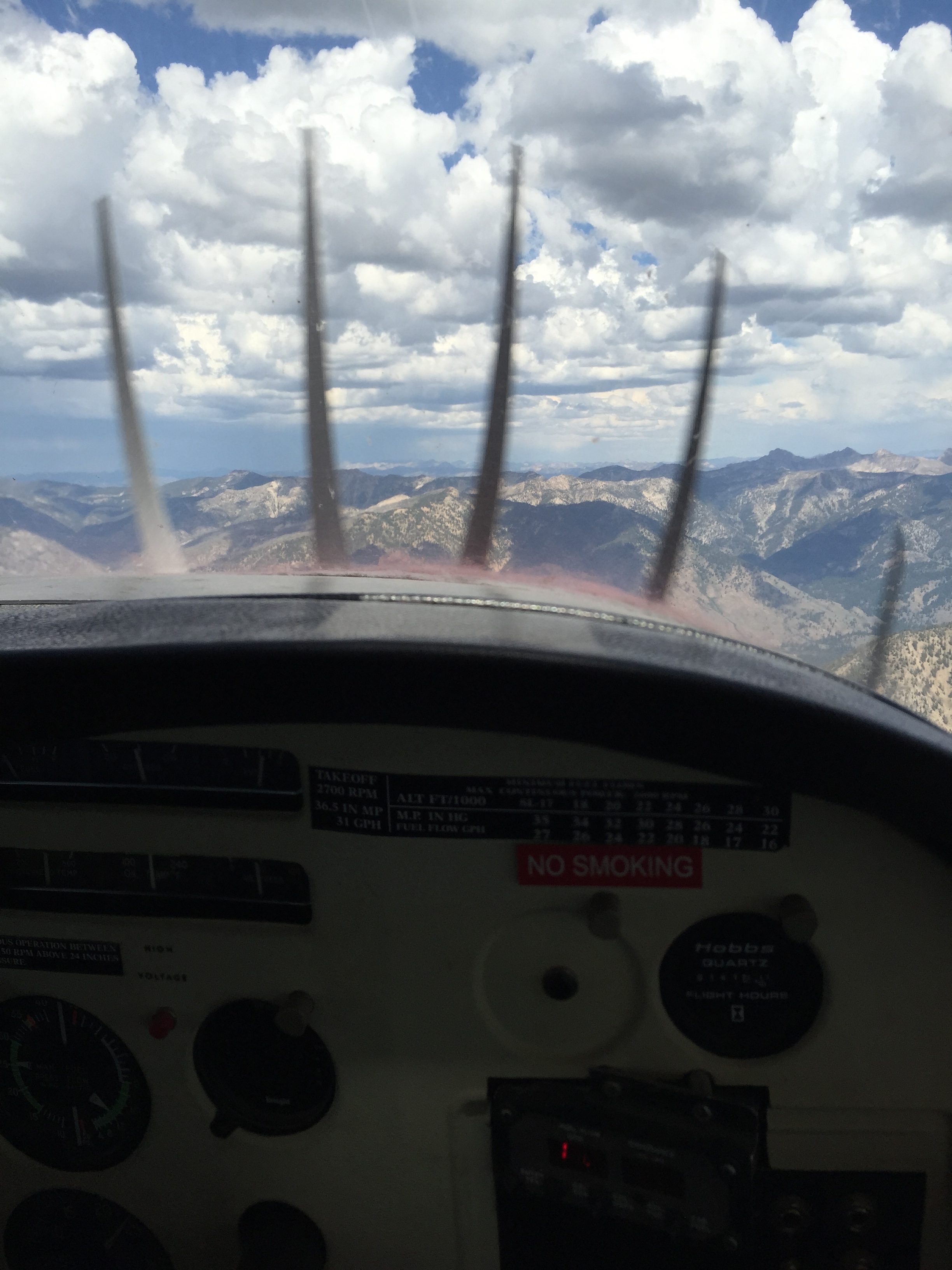
The view from my seat.

IMG_1524

IMG_1551

IMG_1624

IMG_1634

IMG_1637

IMG_1654

IMG_1689

Deconstructing our second night's camp.
Deconstructing our second night’s camp.

IMG_1726

IMG_1753

IMG_1761

IMG_1792

IMG_1839

IMG_1859

IMG_1852

Remembrance of Augusts past

I may have time for another post before we leave on vacation, but in the meantime I am daydreaming about some of our past August trips. More than Italy, France, or any number of other places we have gone in August, the one that continually draws me back and makes me the most wistful for summer vacation is Maine. We haven’t been there since 2012 because of the house project and we are missing it. So much so that we have already booked our house for next summer.  For now, I will leave you with some of the more evocative photos from August 2011 and 2012. (You can also go back to those months in the archives see many more pictures and stories.)

4

5
The harbor in Port Clyde.

6

16f95-amonhegan2

16f96
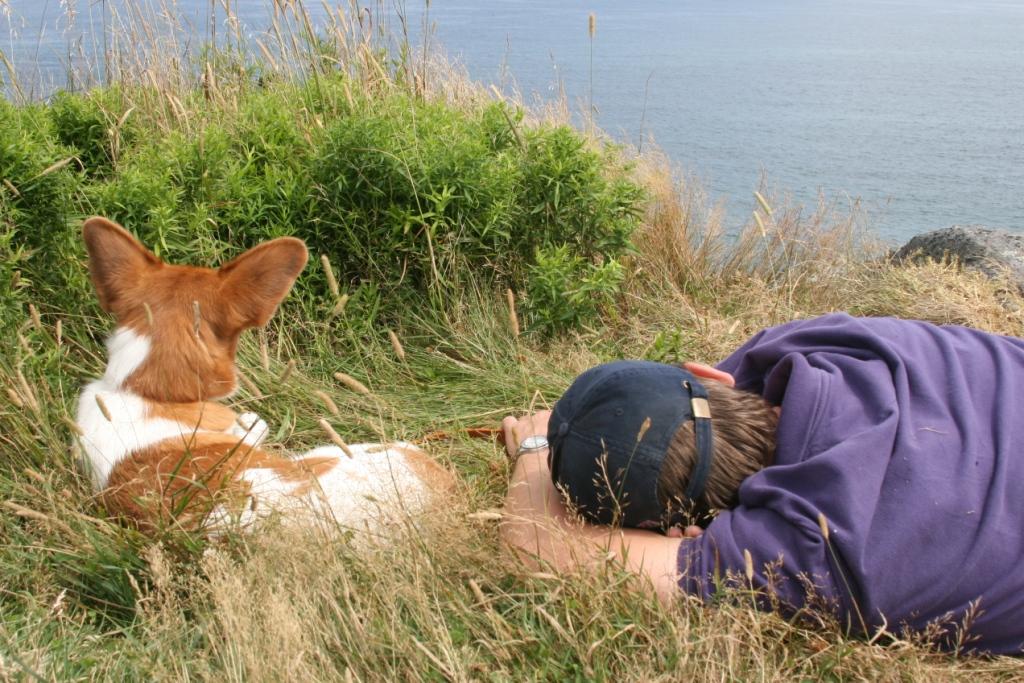
Lucy hates the attention.

16f97

16f98
Sleepy on Monhegan Island.

33bd2-apc28

38e52-asn4

83e39-ahouse32
The kitchen of our rental on Islesboro.

abf8f-mon2

b8b77-amonhegan12
Picturesque laundry on Monhegan Island.
d91ab-acolor11
As I have noted in a few places, my post in 2011 about adult coloring predates all the recent hullabaloo about coloring by a few years.

f1c73-abw4

f5d75-amussels1

f5d76

g7

g8

g9

Barns full of books and fields full of flowers

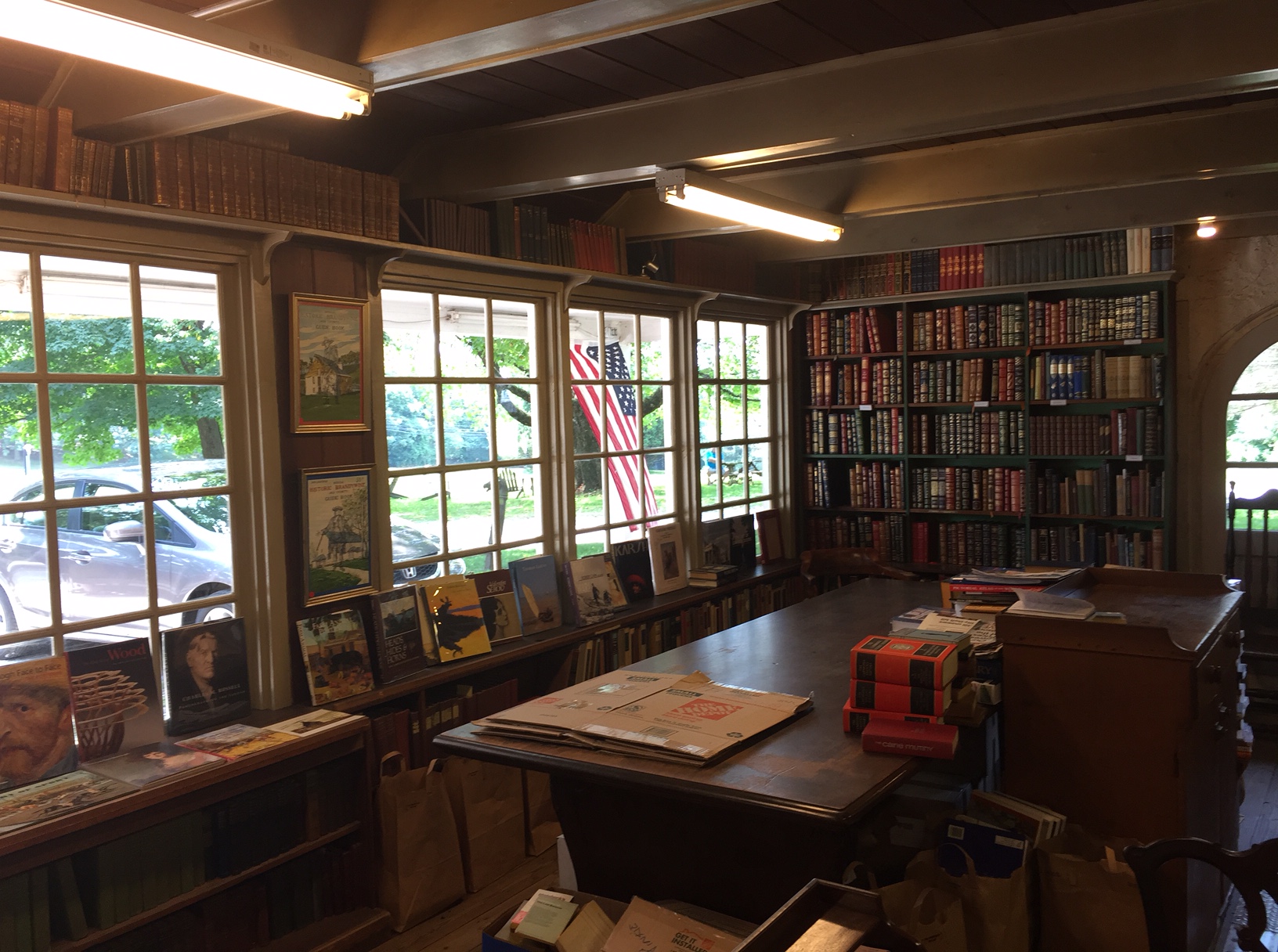
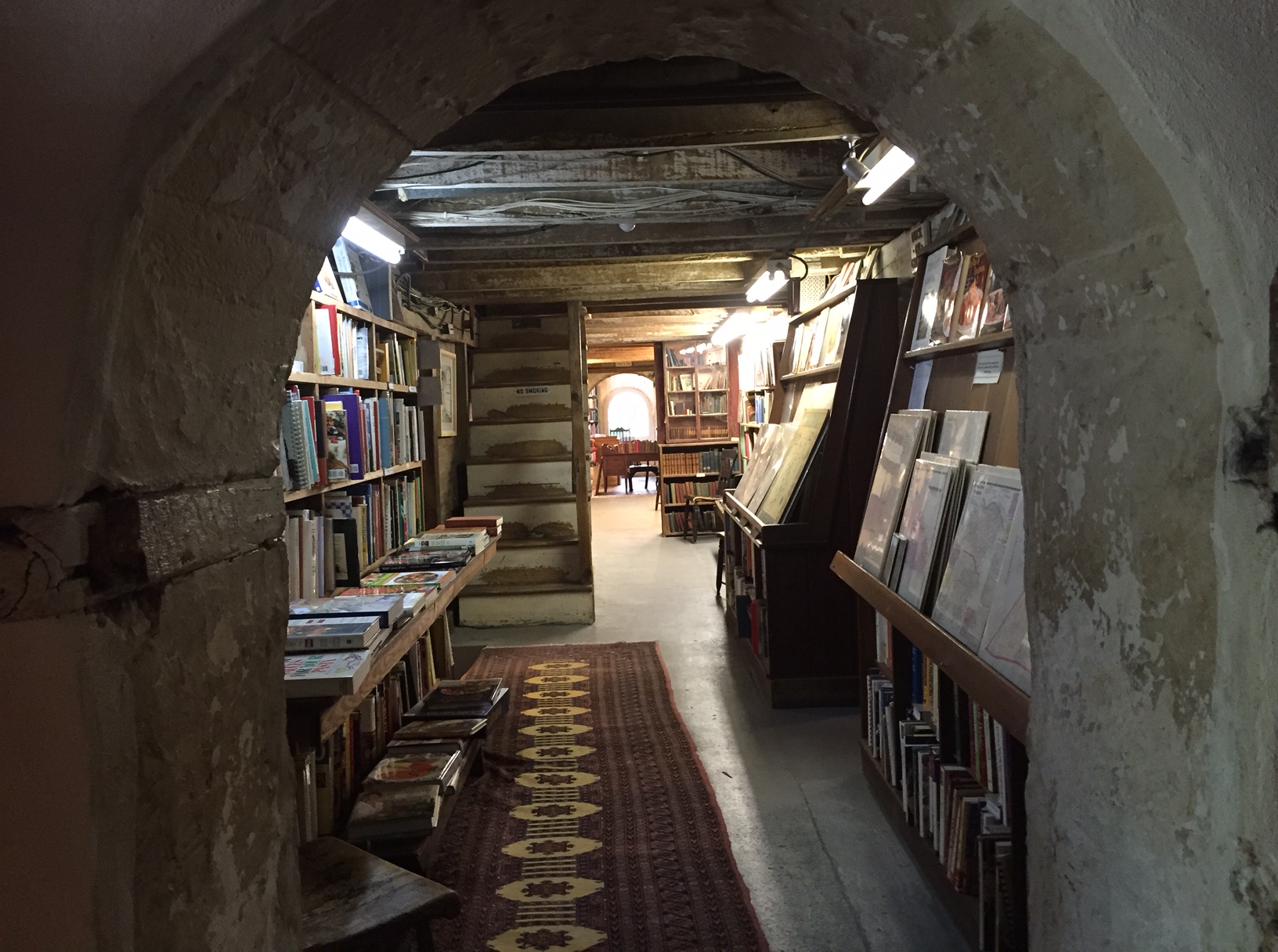
We were up in Buck County, Pennsylvania this weekend and spent the night in Philly.  When I did my research to see which used bookstores I might want to frequent I came across Baldwin’s Book Barn not too far out of Philadelphia in West Chester. It turned out to be a good call. The place is really charming and has a huge inventory. While I didn’t find anything that made me squeal I did leave with 21 books.

On the way to the Book Barn, John realized we were in the general vicinity of Longwood Gardens. He has been there before and loved it, so after adjusting my typical, I didn’t plan it so I don’t want to go attitude, I was really glad we went. Through John I have become a big fan of gardens, and not just as places to read. After a lunch in the cafe we had a lovely wander (and I got a chance to hear the pipe organ). We didn’t take many/any pictures of many flowers but he meadow was sure enticing.

IMG_1411 (2)

IMG_1403 (2)
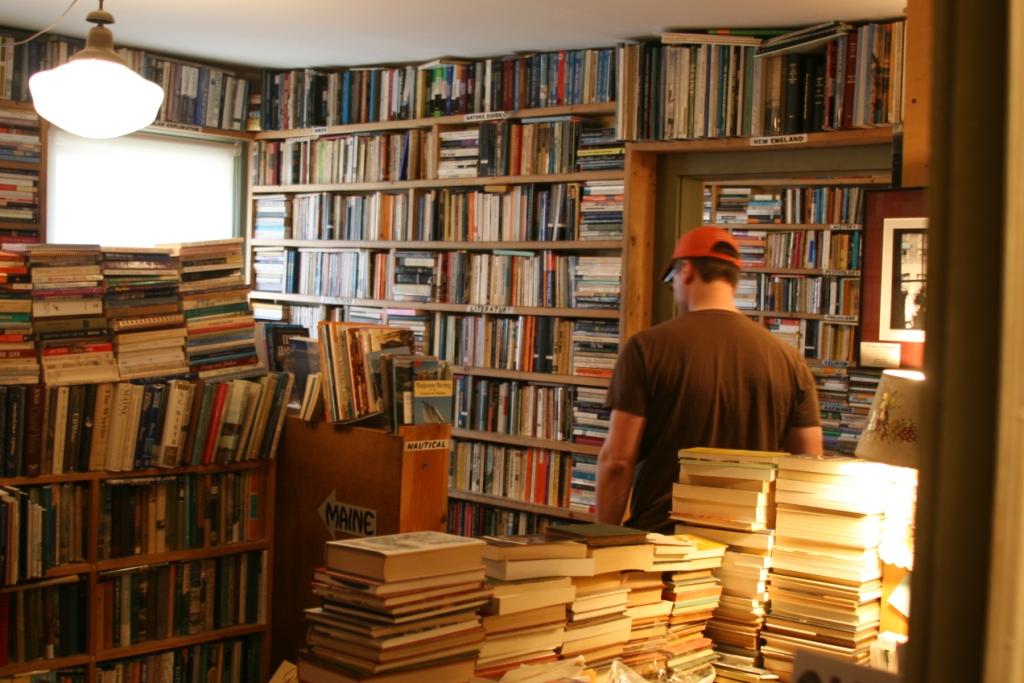
We spent at least an hour at the Book Barn but I was hardly able to scratch the surface.
IMG_1408 (2)
I ended up buying 21 books. Some Sarton, Collette, and lots of stuff I know nothing about.
IMG_1407 (2)
Happily I could stand up straight in the fiction section.
IMG_1409 (2)
The front flap made it sound pretty good, but I would have gotten it anyway given the title.

IMG_1483 (2)

IMG_1486

Forget the hype, read the book

GSAWBy now most of you are probably tired of hearing about Go Set a Watchman. Just a week ago I was mad as heck that news organs were putting spoilers in headlines. Since then Simon and I spent some time on The Readers talking about the hype (not the spoilers) and our feelings about the then impending release of the book and whether or not we were going to read it. Also, since then I have purchased the book and managed to read it within 24 hours. As I was in the middle of reading it, Simon further articulated why he wasn’t going to read it. His various reasons weren’t necessarily wrong, but having read the book now, all I can say is he is missing out on something.
Is the book a literary train wreck?
No. Could it use some editorial help? Yes, but this unedited draft is so much better than  many books that pass for good these days. In fact, this might have been the talking point that most annoyed me on social media in the past week. Suddenly everyone and their dog was an expert on writing. To be perfectly honest, I didn’t even think about it needing an editor until the last 50 pages or so. After reading the book, I feel like Tweets about how badly Harper Lee needed an editor had much more to do with know-it-all me-too-ism of the Tweeter and less to do with the book.

Isn’t Harper Lee being exploited?
I have a very simple–and admittedly simplistic–take on this point. Either Harper Lee is lucid and mentally in control of her affairs and allowed the publication or she isn’t. But if indeed she isn’t, then is she lucid enough to find any of this distressing? And I think the notion that artists should be able to control their legacy after their deaths is unrealistic. If you don’t want your juvenalia or correspondence published, you should burn it. If you are enough of an icon that people are going to care about that kind of stuff, you best burn it while you have the chance. The beloved Willa Cather didn’t want her correspondence published? Well she should have destroyed it because she is important enough that fans and scholars want to know more about her and her work. Why let something outlive you if you don’t want it to live? If we find a Mozart sonata he didn’t want published do we say “oh no, no one is allowed to play this because Mozart didn’t want us to”? Or what if we find a sketch book of Da Vinci’s that is marked “Private-keep out”? Do we not look at it?

Is it just a different version of To Kill a Mockingbird?
No. Not even close. Lee uses the same characters, she uses the same setting, she uses roughly the same period of time, and she references the trial that ended up in TKAM. But everything else is different. It really shouldn’t be seen as a sequel but I think it can actually work as a sequel if one doesn’t get too nitpicky about it.

Will it make me not like my favorite characters in To Kill a Mockingbird?
This is perhaps the one thing that has most readers worried about reading Go Set a Watchman. By now you probably have all discovered the main spoiler of the book. It is almost impossible that you haven’t given the cynical use of spoilers in headlines by most news organizations. But I still am not going to say what it is. But I will say this, in GSAW you will end up not liking a character you liked in TKAM. Will that dislike ruin your love of TKAM? I doubt it. TKAM is a wonderful, wonderfully written book that was inspiring to so many of us. Will it change the way you think about TKAM? I sure as hell hope so, but more on that in a minute.

The MS is so old, isn’t it stale?
No. Given the events in South Carolina recently and the discussions around racism and the Confederate battle flag, this book could not be more topical. In fact, I would say the book is maddeningly, and sadly far too topical. Almost all of the parts that deal with racism and how it was playing out in the courts and in the South are relevant not just to the issue of race but also to marriage equality.

Can I call myself a reader if I don’t read it?
Not really. I say that with tongue-in-cheek and with a wink, but there is some truth to it. There are certainly works of literary greatness that I know I don’t want to read, and this is no literary masterpiece, so why do I think you need to read it? Because TKAM is not just a good book it is a cultural icon and had an effect that went far beyond literary circles. To not be interested in what else was going on in the head of the author of that work doesn’t really fit the profile of a true reader. But if you don’t find that convincing how could a true reader not be curious about the writing process and how this early, rejected draft turned into what became one of the masterpieces of the 20th century? How can you not find that interesting?

Why was draft rejected?
Of course I don’t know the answer to this, but I am pretty damn sure it was not because the book was irredeemably flawed or beyond the help of an editor. However, one may feel about the quality of the text, there is no way that this can be the case. Fifty percent of the ‘properly edited’ novels published in the past 50 years are more flawed than this one. No, the reason this book was rejected was that the country wasn’t ready for it. Lee clearly had race on her mind when she wrote both GSAW and TKAM. Growing up in the deeply racist, Jim Crow South, it is clear that Lee wanted to say something about the hate she witnessed. Written in the 1950s, GSAW was way too militantly anti-racist to have found much of an audience. (One could argue that both of Lee’s novels, despite their outwardly anti-racist content, still evince the author’s own vestiges of racism or white privilege, but that is an essay I am not qualified to write.)

Even if it had been a literary masterpiece there is no way a book that so explicitly calls out the haters was going to be well received at the time. In fact, the explicitness of text is one of the things that keeps the book from being better than it is. Not because Lee shouldn’t have been so pointed in her criticism of racism but because the way she does it felt a bit like a breathless undergraduate railing against evil in a college newspaper. In places it goes from narrative to screed. As both TKAM and parts of GSAW show, Lee is a gifted writer. Her editor could have helped her turn Watchman into something pretty amazing. But he and probably everyone else in the white publishing world back then didn’t want to touch the issue in such a head on manner. In retrospect it is so clear why they, and the country, would prefer the much warmer TKAM. It doesn’t really deal with race head on, it waters down the issue into a more abstract focus on justice and due process that white Americans could feel better about than confronting their own racism.

There is no doubt in my mind that To Kill a Mockingbird was an important book to help ease the country along the path to a being a more just, less racist place. But to do so it had to soft-pedal the issue and sitting here now in 2015 almost 60 years after Go Set a Watchman was rejected, race relations haven’t changed nearly as much as they need to. It’s time we set aside our sentimental, happy, warm, righteous love of Atticus Finch and To Kill a Mockingbird. It’s a sign of white privilege that we were able to see it that way in the first place.