Reskilling during the pandemic

One of the ways we have passed time during the lockdown has been to watch YouTube videos on the big screen in our family room. I love watching instructional films from the 1940s and 1950s (John less so.) From videos for young women on how to look pretty and have lots of “pep”, to how to make a tuna rarebit sandwich using your gas oven, to the dangers of being killed by a homosexual (ah, giddy times). And one of my personal favorite sub-genres are old films about office procedures and etiquette. These comport with my officephilia, and love of the golly, gosh, keen vocabulary of the era.

(I can’t mention these vintage films without talking about Our Daily Bread, a two-part look at how commercial bread products were made in England in 1962. It is fascinating on so many levels, and it elevates the whole process to biblical significance. I’ve watched it multiple times. Part I is here, Part II is here.)

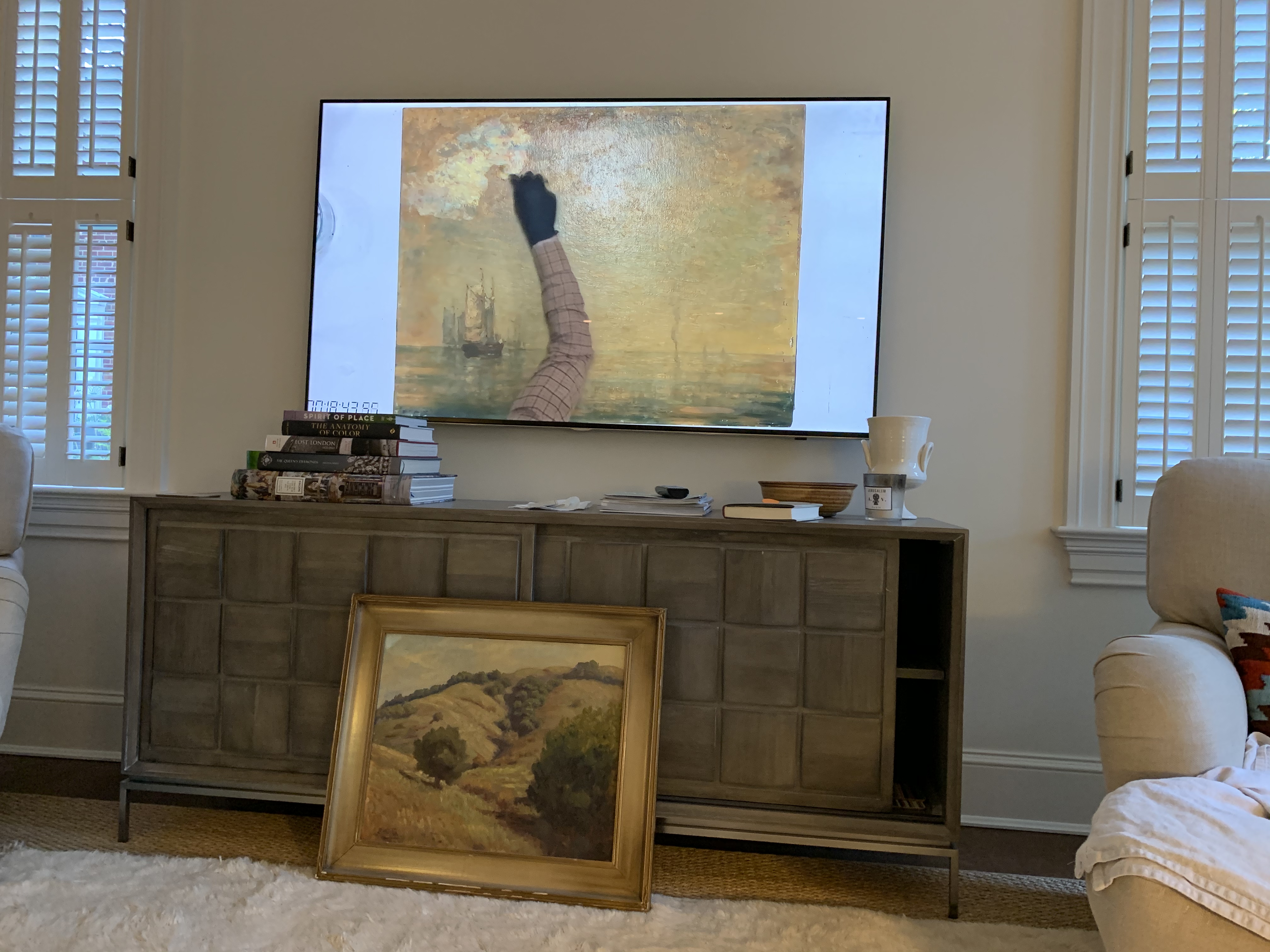
We’ve also watched videos about interior design, architecture, and gardening. But then we stumbled across videos showing art restoration. To my mind, the most interesting and entertaining of these are those posted by Baumgartner Restoration in Chicago. They are particularly fascinating because Julian Baumgartner shows an amazing mix of scientific and art history knowledge, artistic talent and fine motor skills, and a not insignificant number of “that’s how they do that” moments. His studio is as meticulously tidy as his work, and he oozes oceans of calm and patience. (I’d be lying if I said I didn’t have a bit of a crush on him, but that is neither here nor there.)

The video above shows an amazing range of skills Julian employs to restore a painting. The video below, on the other hand, dwells on the satisfying, so, so, satisfying aspects of watching someone clean a really dirty painting.

And it was the cleaning aspect of these videos that really caught my imagination, not only because it is so satisfying to watch, but because it is the one thing that Julian does that I would be capable of doing. I have terrible motor skills and like destroying more than I like creating. Not that cleaning a painting is destroying, but just like I prefer weeding to planting, it’s taking something away to make it better.

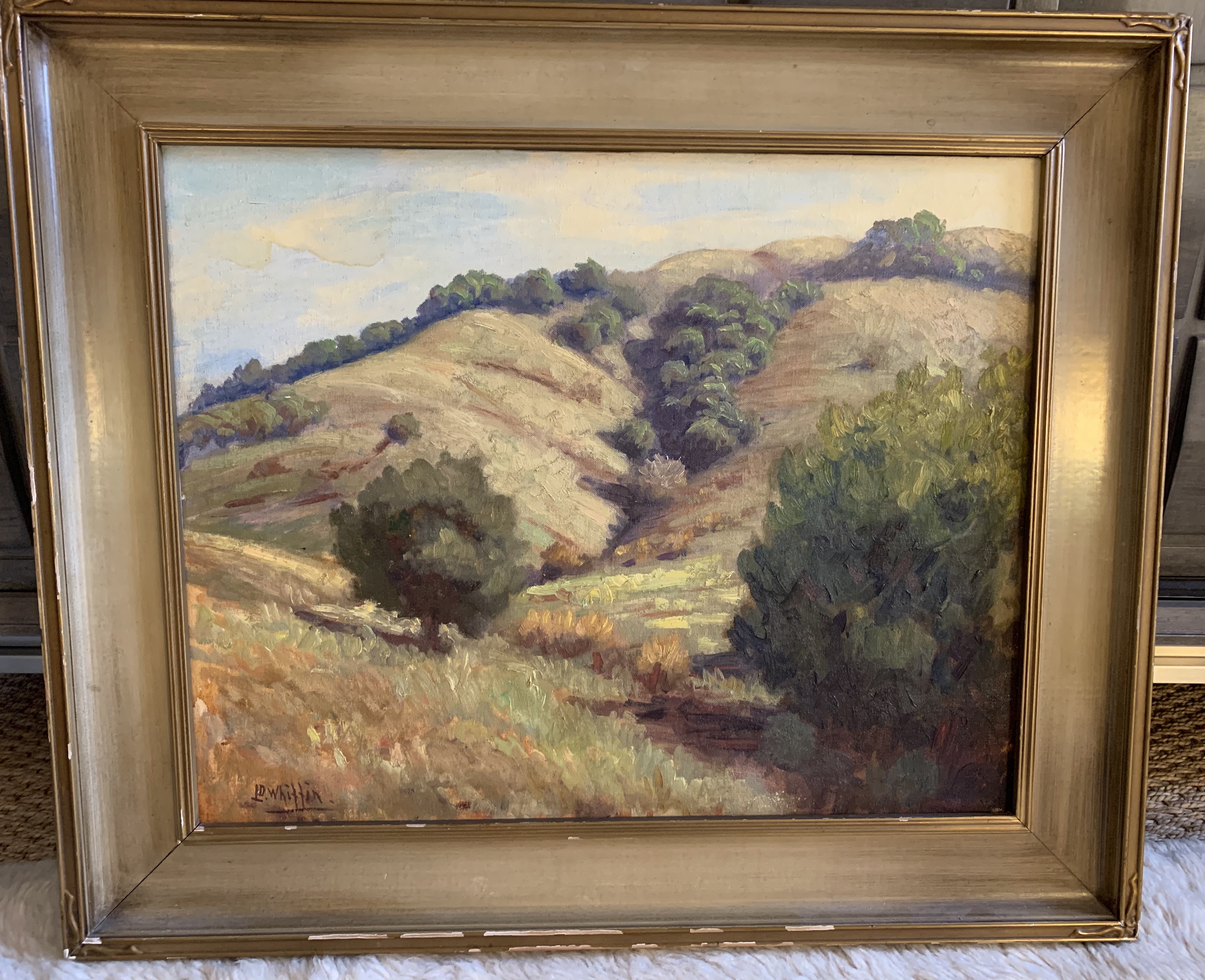
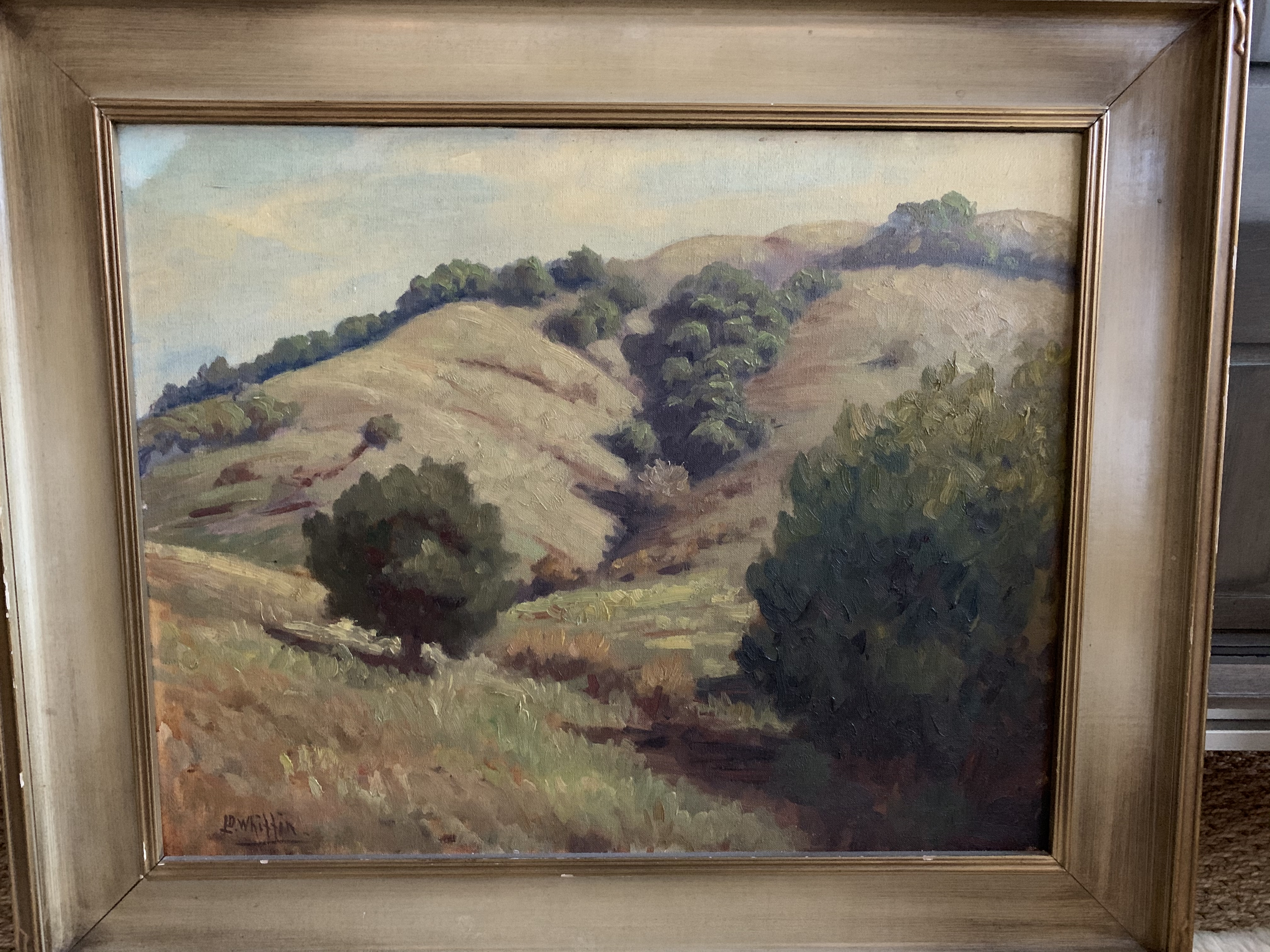
And so, with a half dozen Baumgartner videos under my belt, I was compelled to retrieve a painting we had in the basement that I knew was quite dirty. It was a landscape John purchased online a few years ago that shows the area in northern California where he grew up. It helped that our friend Sarah, with her 30-year old art history degree, was watching with us. She said if I was going to try anything, I should use saliva not water. Julian uses various solvents to clean paintings and remove old varnish based on the chemistry of what is on the painting, but for me, not having that knowledge, and believing that the painting I wanted to clean probably didn’t have discolored varnish on it, I decided that spit would be my only solvent.

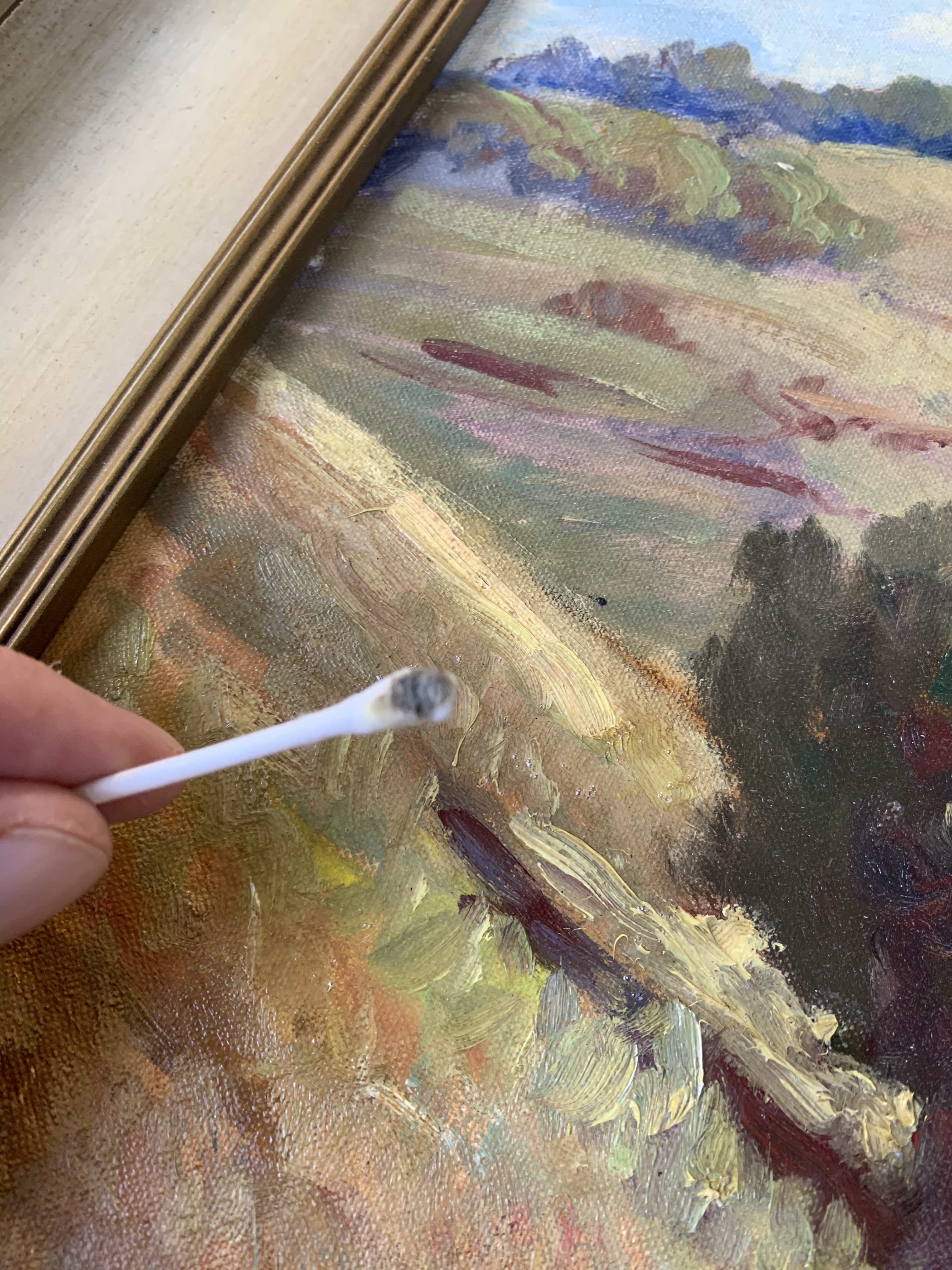
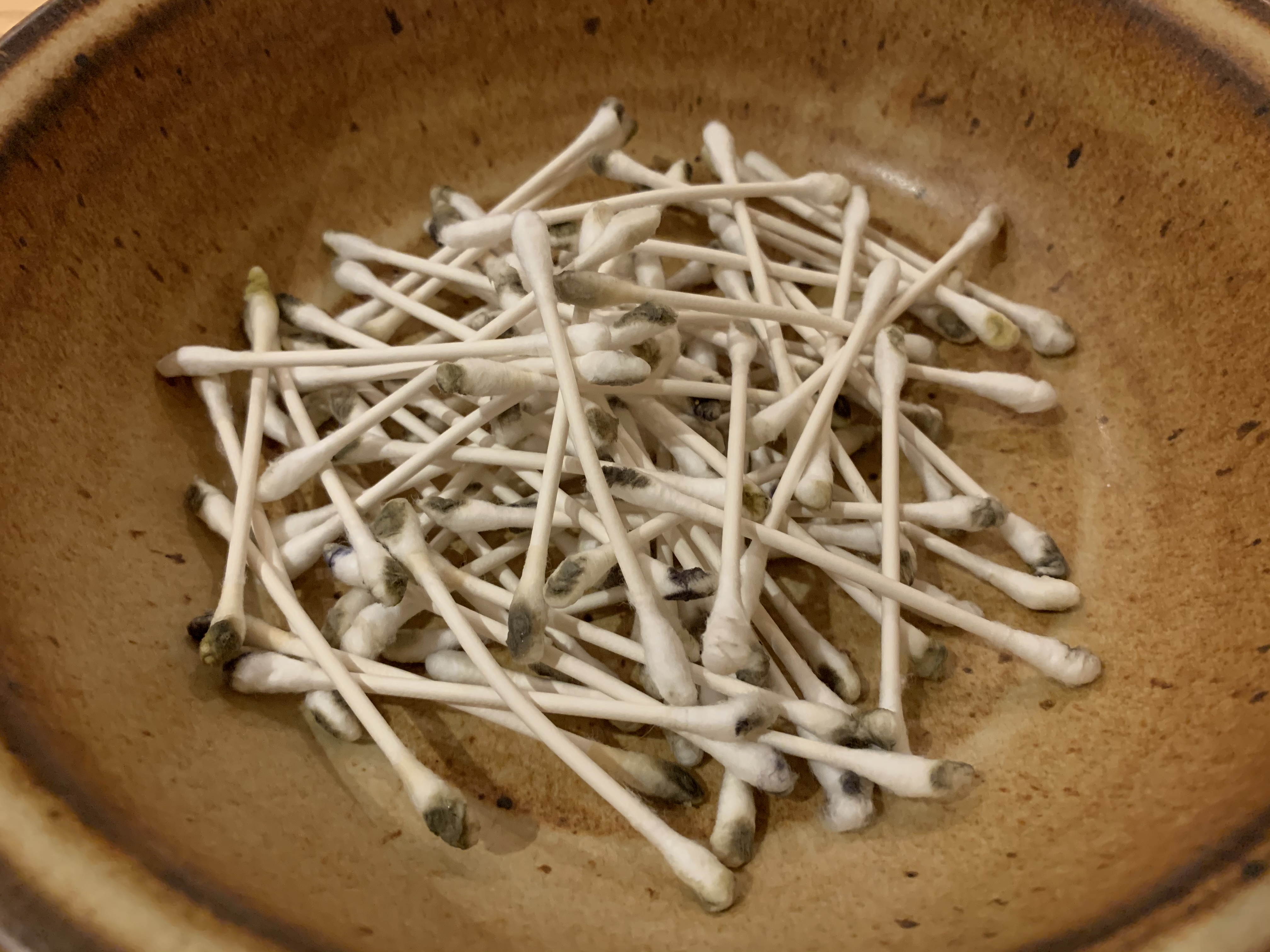
And, oh my God, it was satisfying. Just Q-tips and saliva. At first I wet the Q-tip in my mouth before swabbing the painting. But when I was about a third of the way finished, I discovered that spitting on the painting and then using swabs on the wet area was much faster and way more effective. (Of course, your results may vary, and I am no expert, so I offer no advice or suggestions for your own paintings. You should rely on expert help before embarking on any such project. And see your dentist twice a year.)
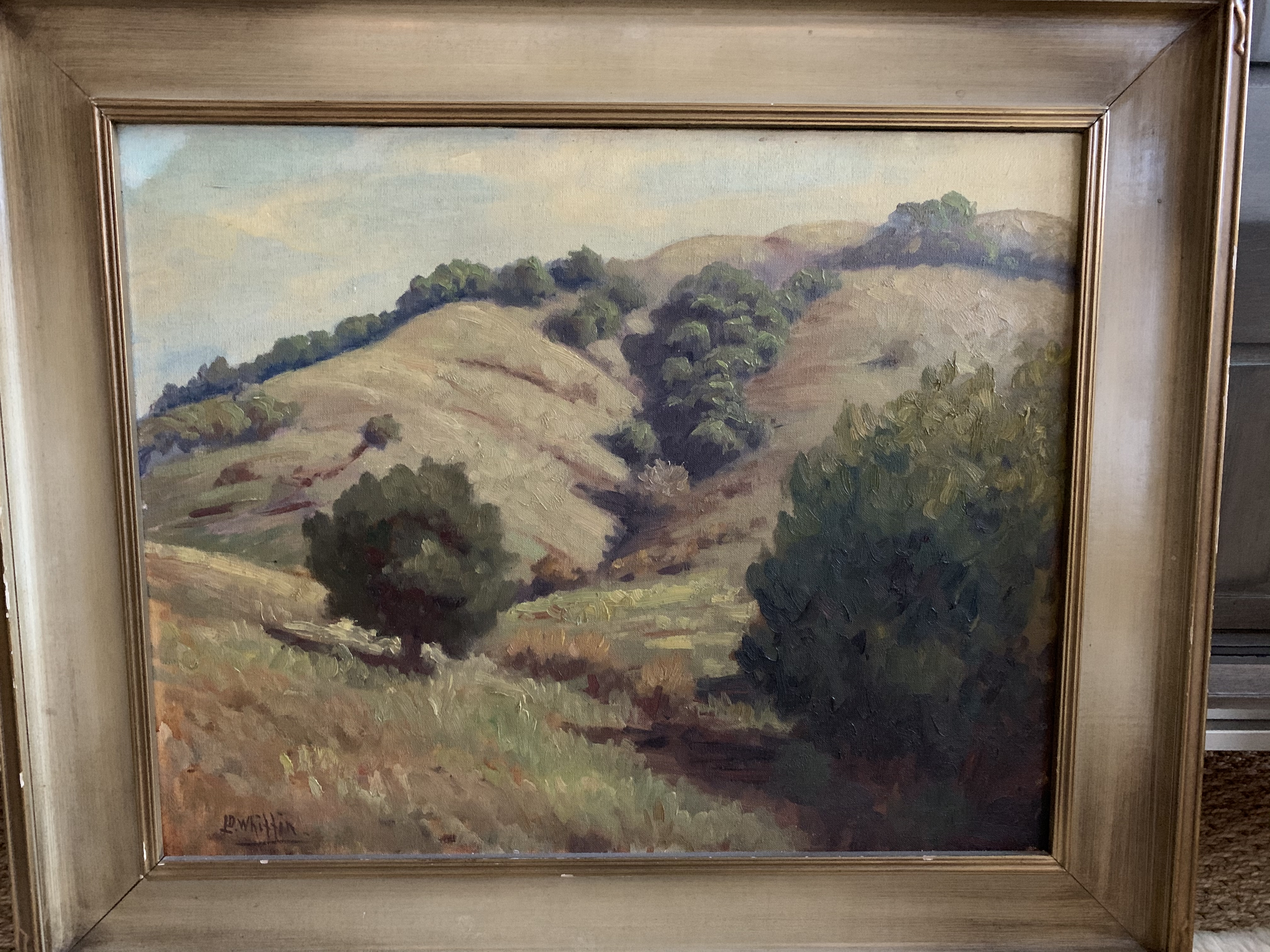
The dirty painting with just a bit of the upper left corner cleaned.
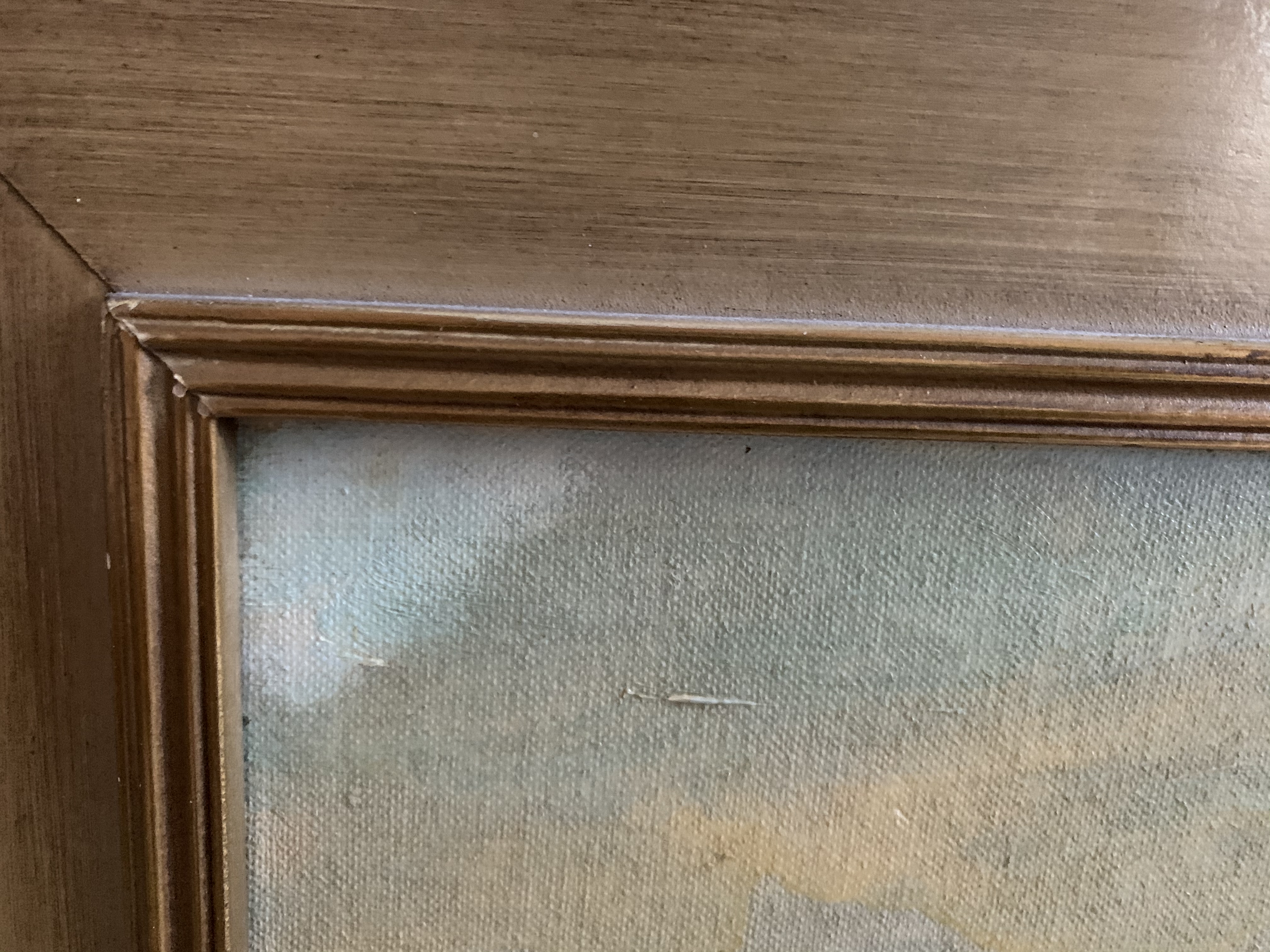
It’s a painting on that canvas board that they gave you in junior high art class, not actual canvas.
Working at the feet of the master.
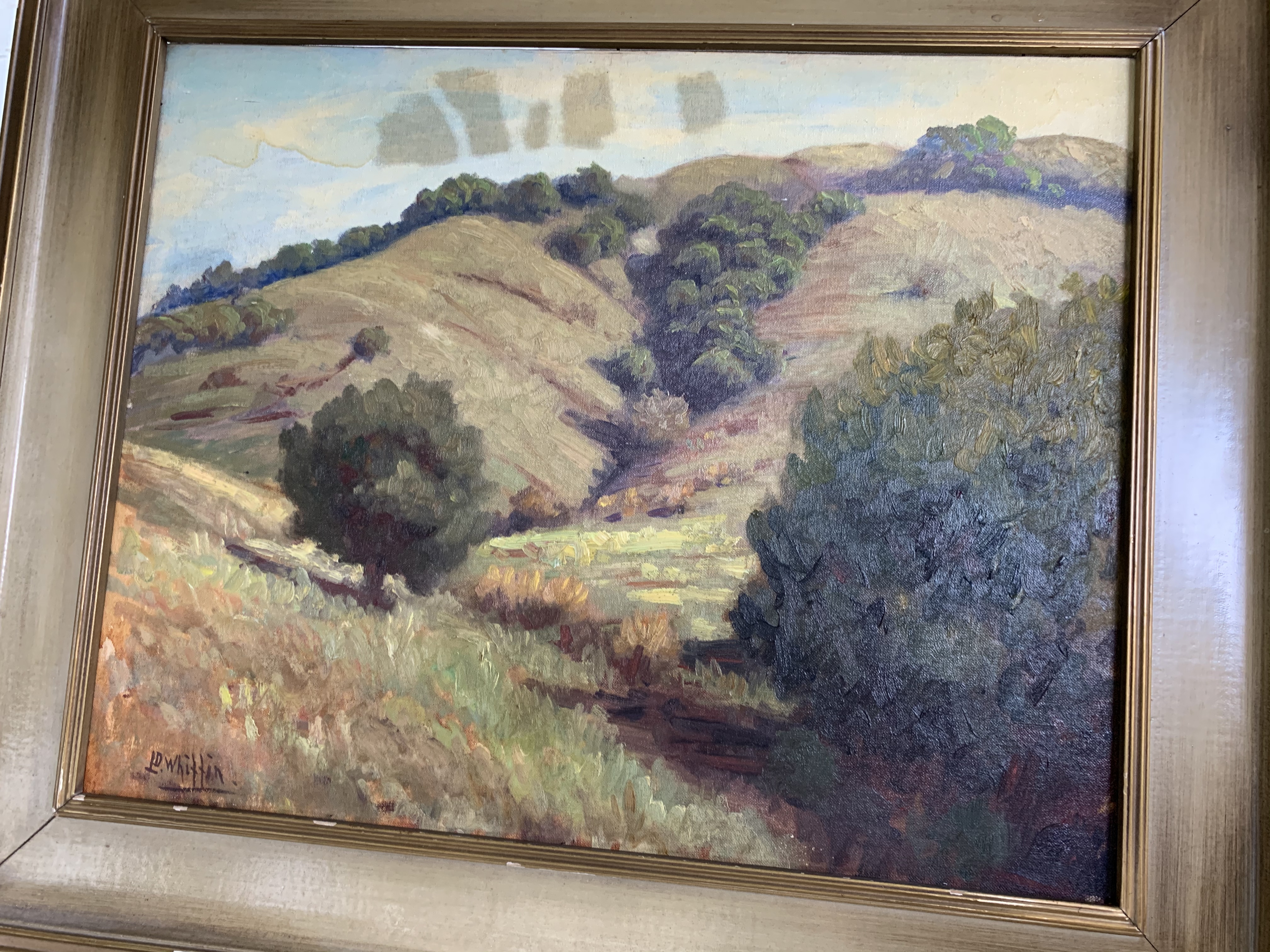
Turns out the sky was blue.
I left a few bits of sky for the end as a reminder of my progress.
The cleaning completed.
And the dirty painting again for contrast.

I really enjoyed doing this. It was so calming and so satisfying to see my progress. I eventually went around the house looking for paintings that might be dirty. Unfortunately, the others we own barely even have dust on them. It makes me want to buy dirty paintings just so I can clean them.

Maybe Baumgartner could start a fantasy camp for people with no skills who want to clean paintings. Or maybe he could buy and resell paintings of little significance that would benefit from a little saliva. He could package them with swabs and sell them as a kit.
The Completist Awakens

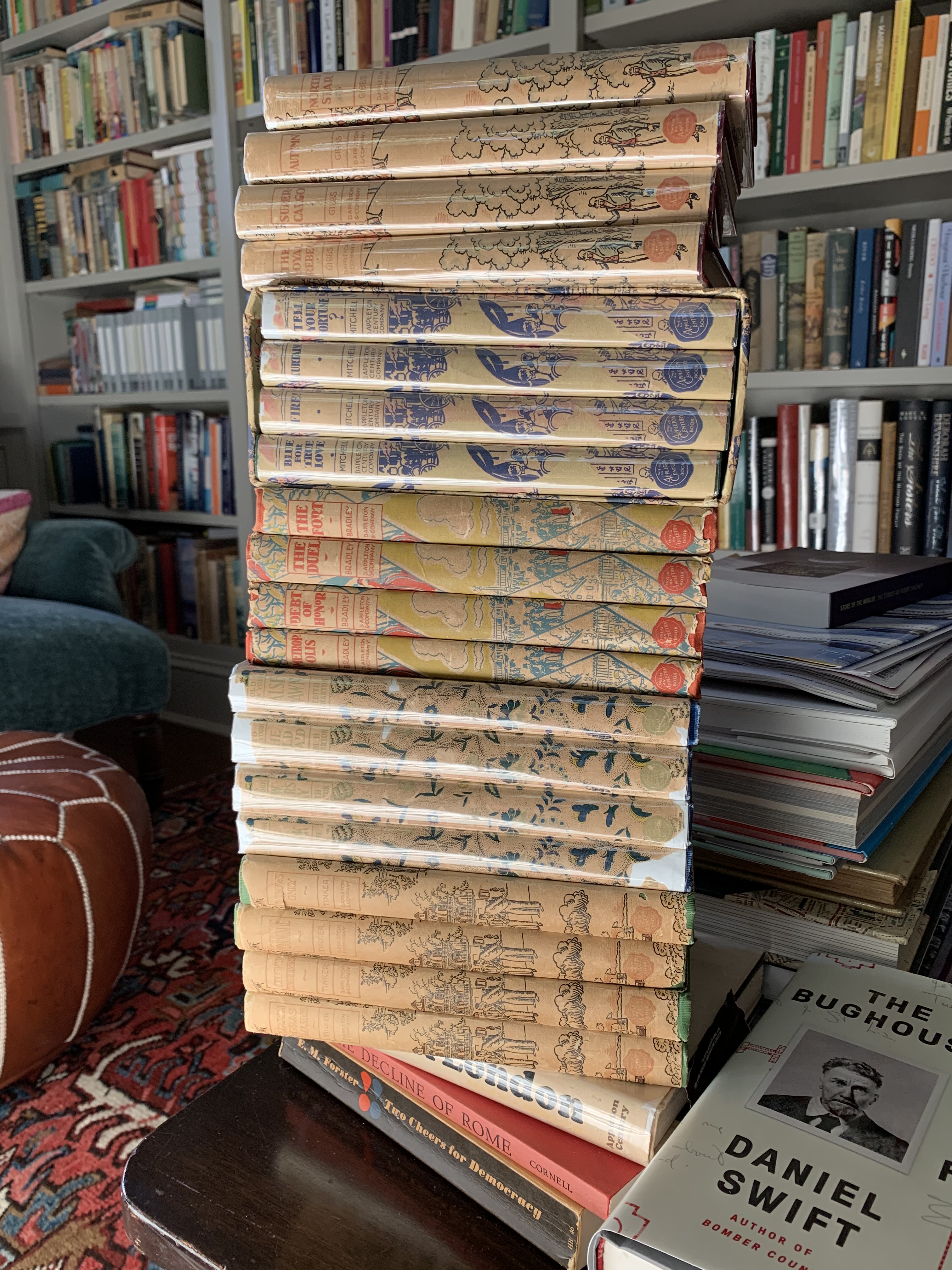
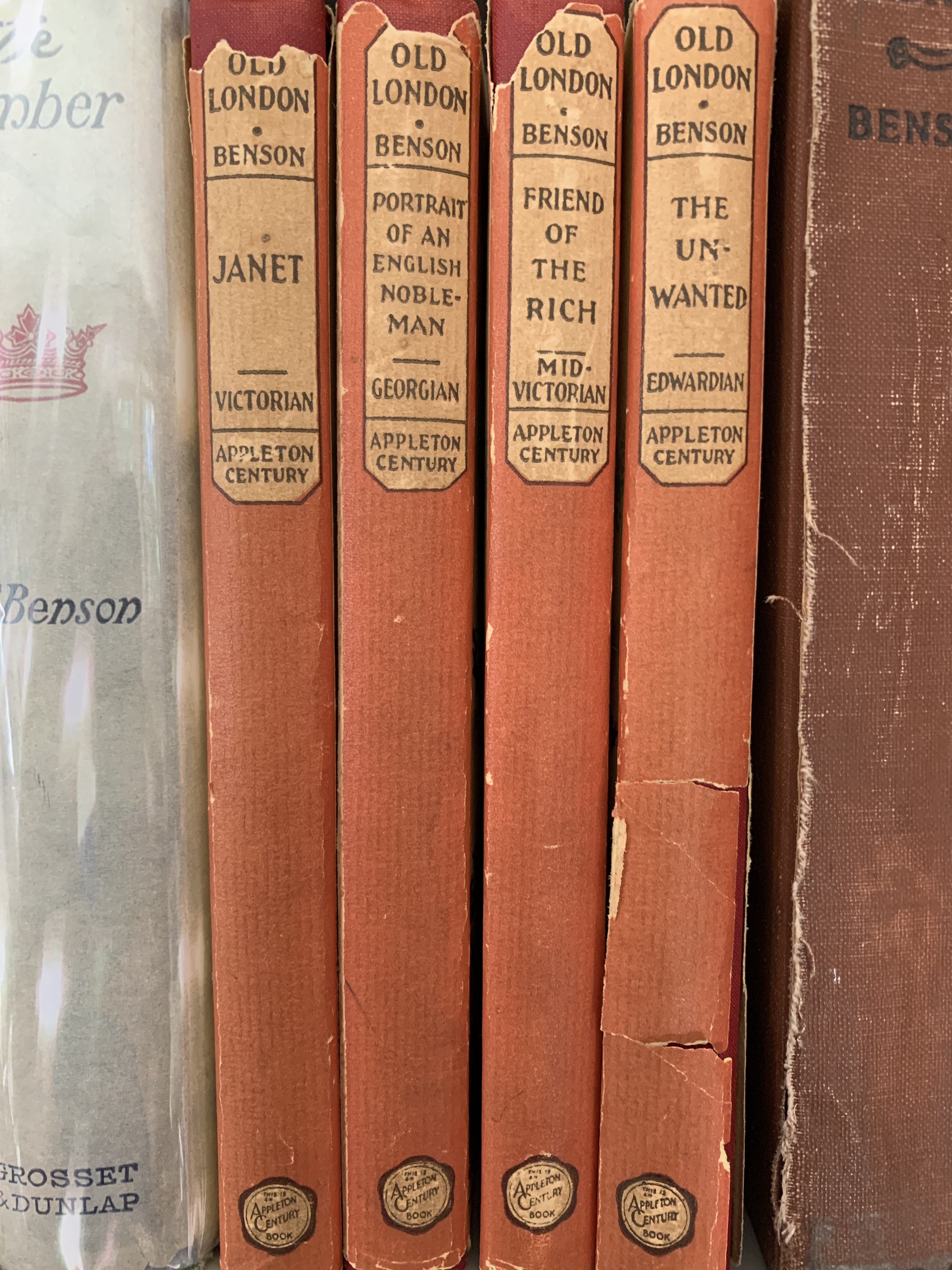
I’ve had this set of E.F. Benson novellas for quite a few years. Originally I only had one of them, realized it was part of a set, and went online to find a complete set (and then donated the single volume). Until a few weeks ago, I had only read one of the volumes (Friend of the Rich), which I enjoyed, but for some reason never picked up the others. When I decided to give the other three a go recently, I enjoyed each of them.

I’m a bit embarrassed that these are out of order.

Each volume depicts a little slice of life of “Old London” in a different era. Georgian, Victorian, Mid-Victorian, and Edwardian. These are not highly descriptive of London itself. In fact, now that I think of it, there isn’t much in the way of description of the locale at all. In the way that Benson does so well, he focuses primarily on the conventions and foibles of class, each volume with a sly twist.

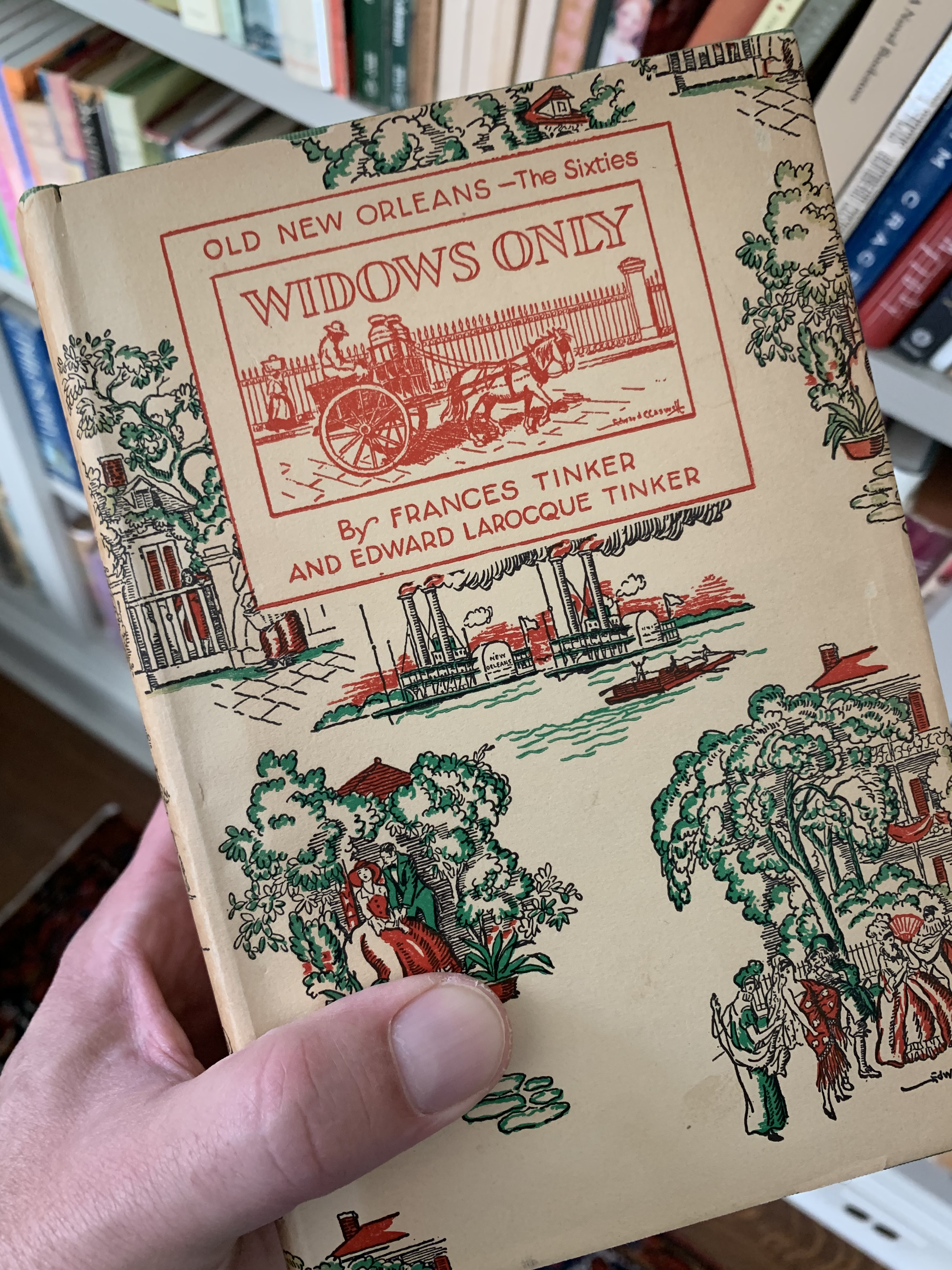
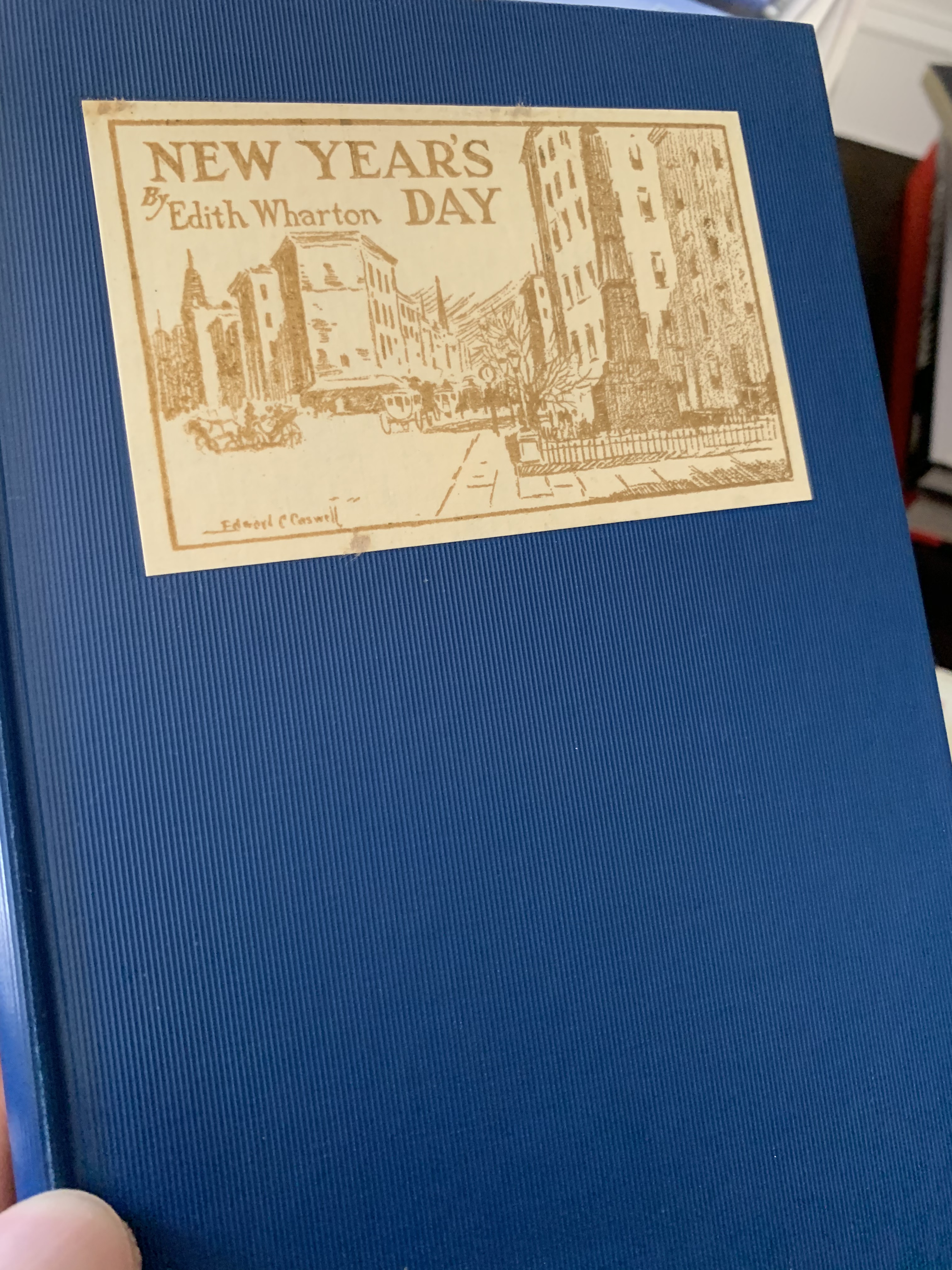
But the real news was an advertisement I noticed on the back flap of the second volume. Not only did E.F. Benson write this Old London series but Edith Wharton wrote an Old New York series? And like the Benson set, each volume was set in a different decade.

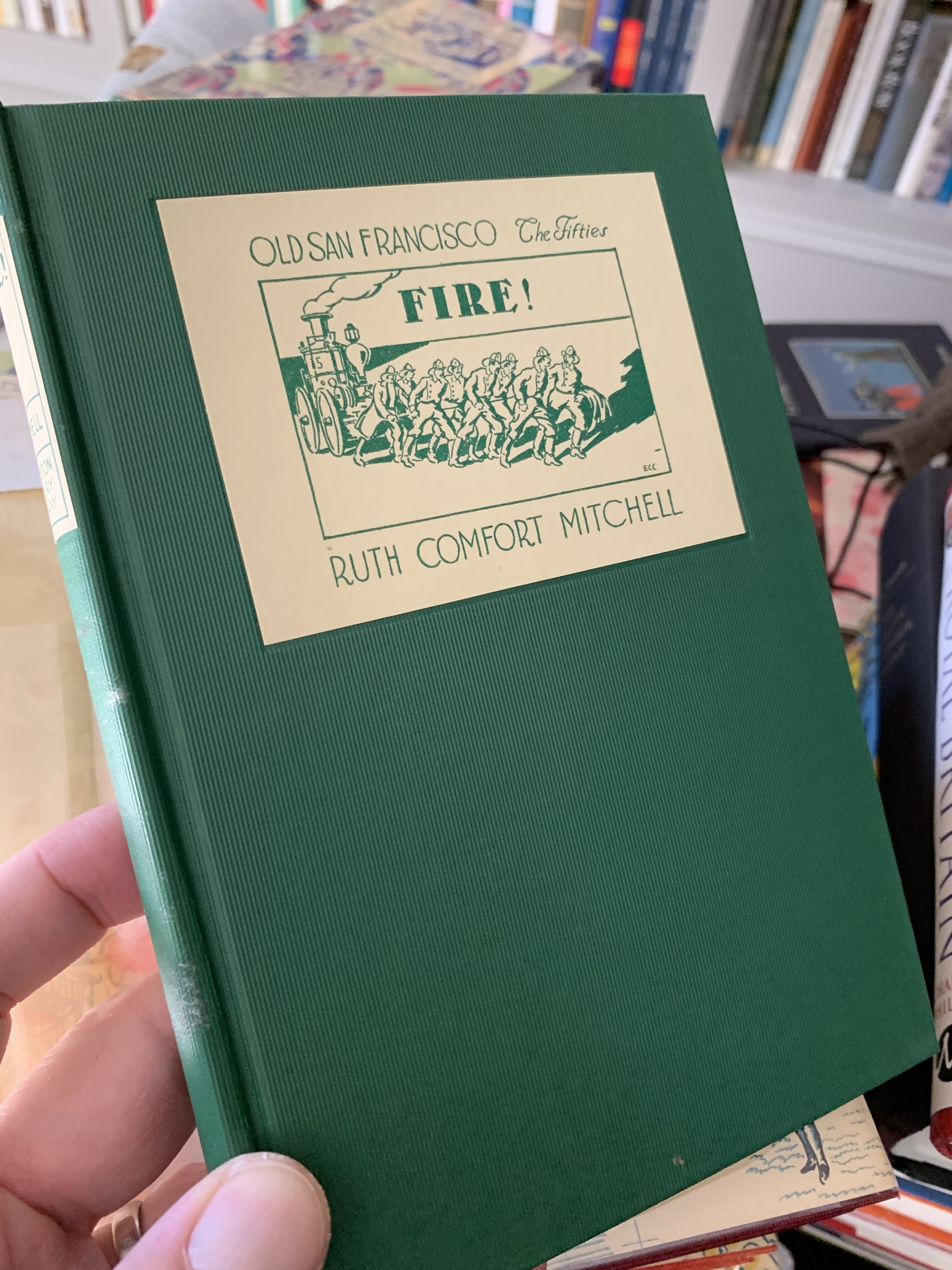
I fully intended to to go online and see if I could find the Wharton set. But then, on another back flap I encountered even more Old [Inset City] sets. All by authors I had never heard of, but the long dormant completist in me suddenly sprang to life.

Much to my delight I was able to find complete sets for each city at fairly reasonable prices. If you are so inclined, there are lots of onesies/twosies out there, but there are also a fair number of full sets available. I even got two sets with their original box. You might think I’m crazy, but I don’t actually like boxed sets or boxed books (like Folio Society volumes). I don’t like the way they look on the shelf. To me they ruin the look of a shelf of “normal” books. I tried to get all deboxed (it’s a word now) sets, but when comparing price and condition, I had to bite the bullet and get two sets with the boxes.

The Chicago series (third from top or bottom) also has a slip case.

It’s a good thing they didn’t do more cities.

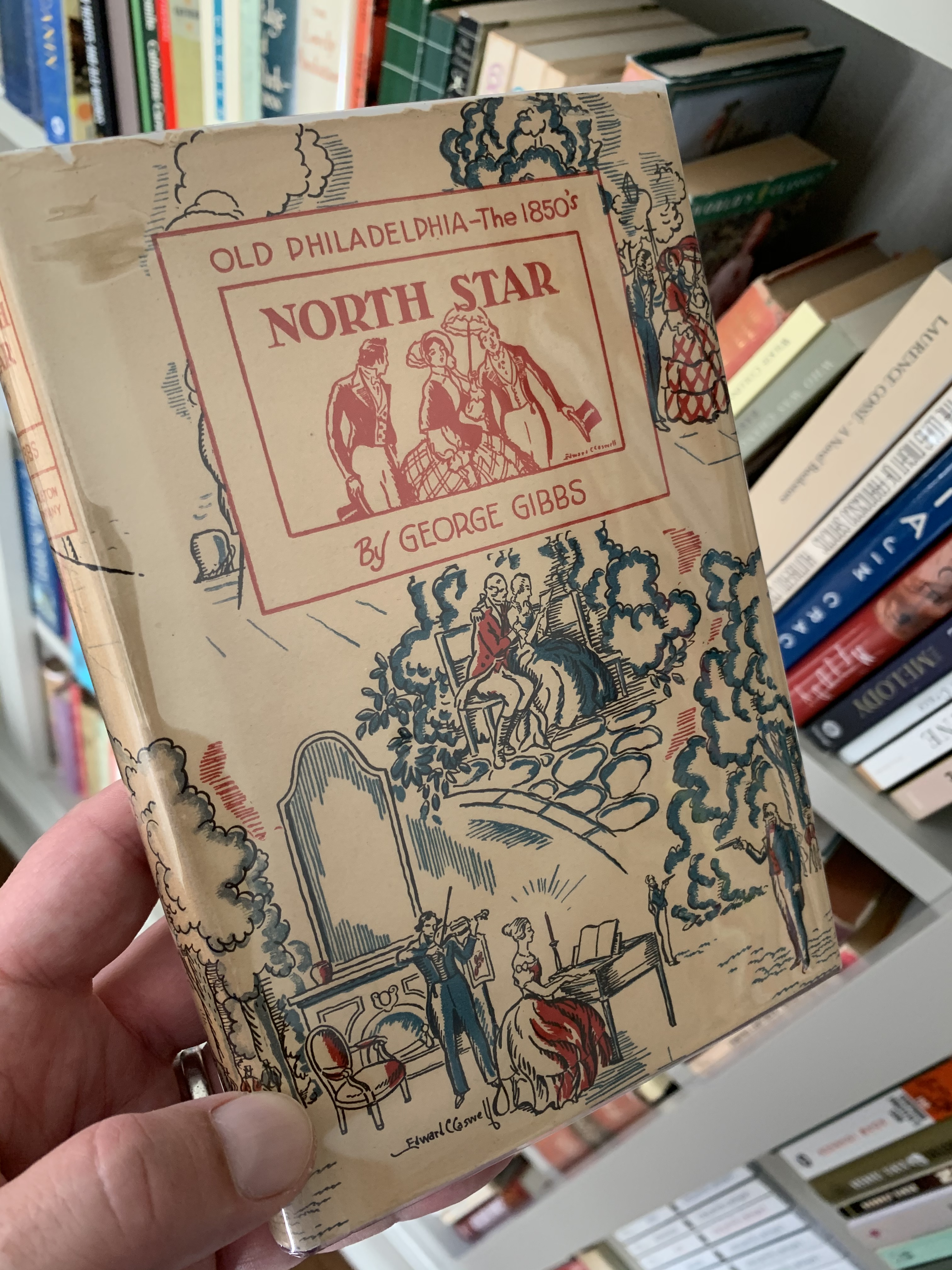
Some of them are nicely covered in plastic. (Something Frances of Nonsuch Book was going to come over and show me how to do until Covid made that impossible.) These are pretty even without the dust jackets.

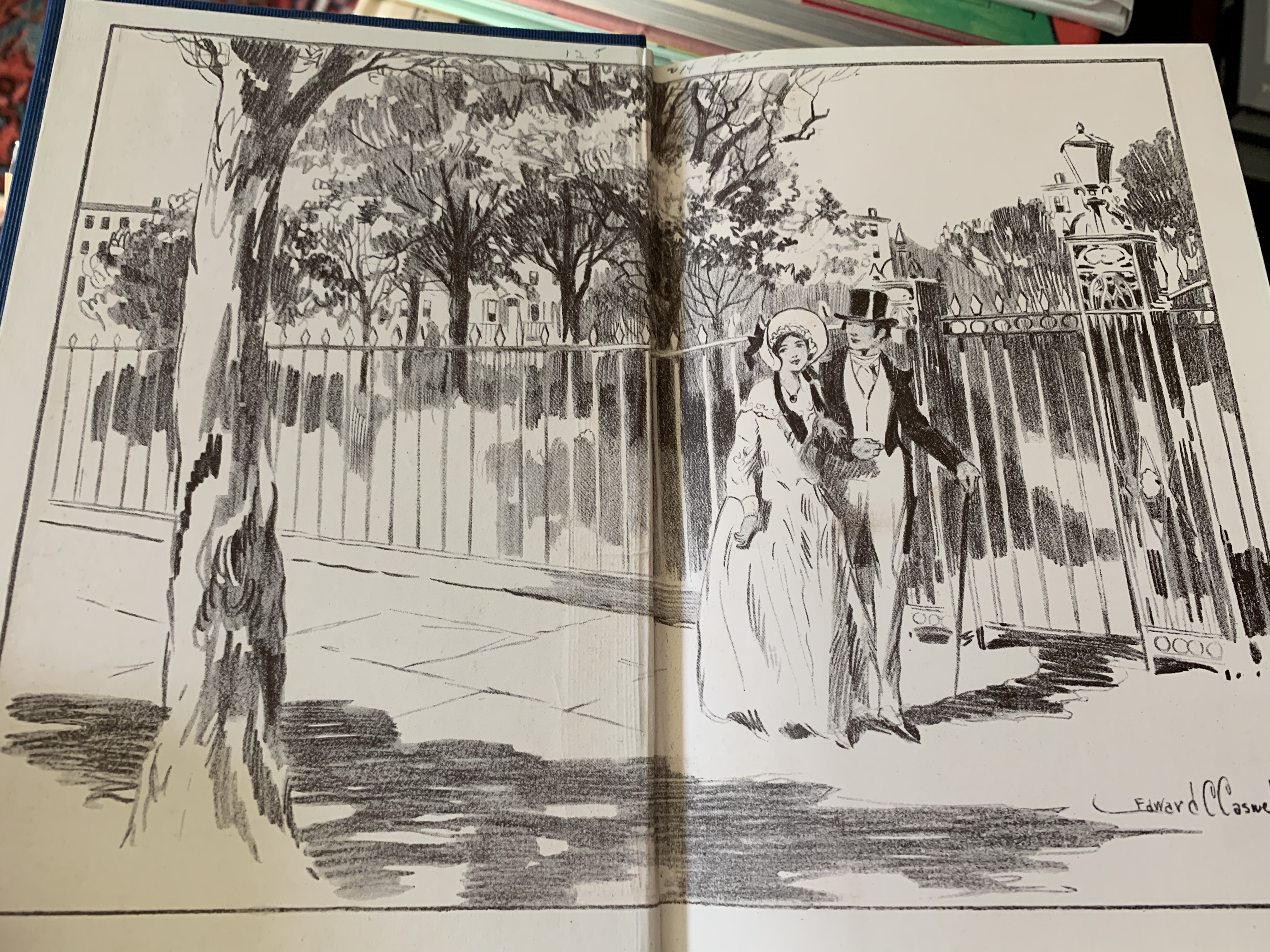
They also each have illustrated endpapers. The Benson series was illustrated by Reginald Birch, with the rest by Edward C. Caswell.

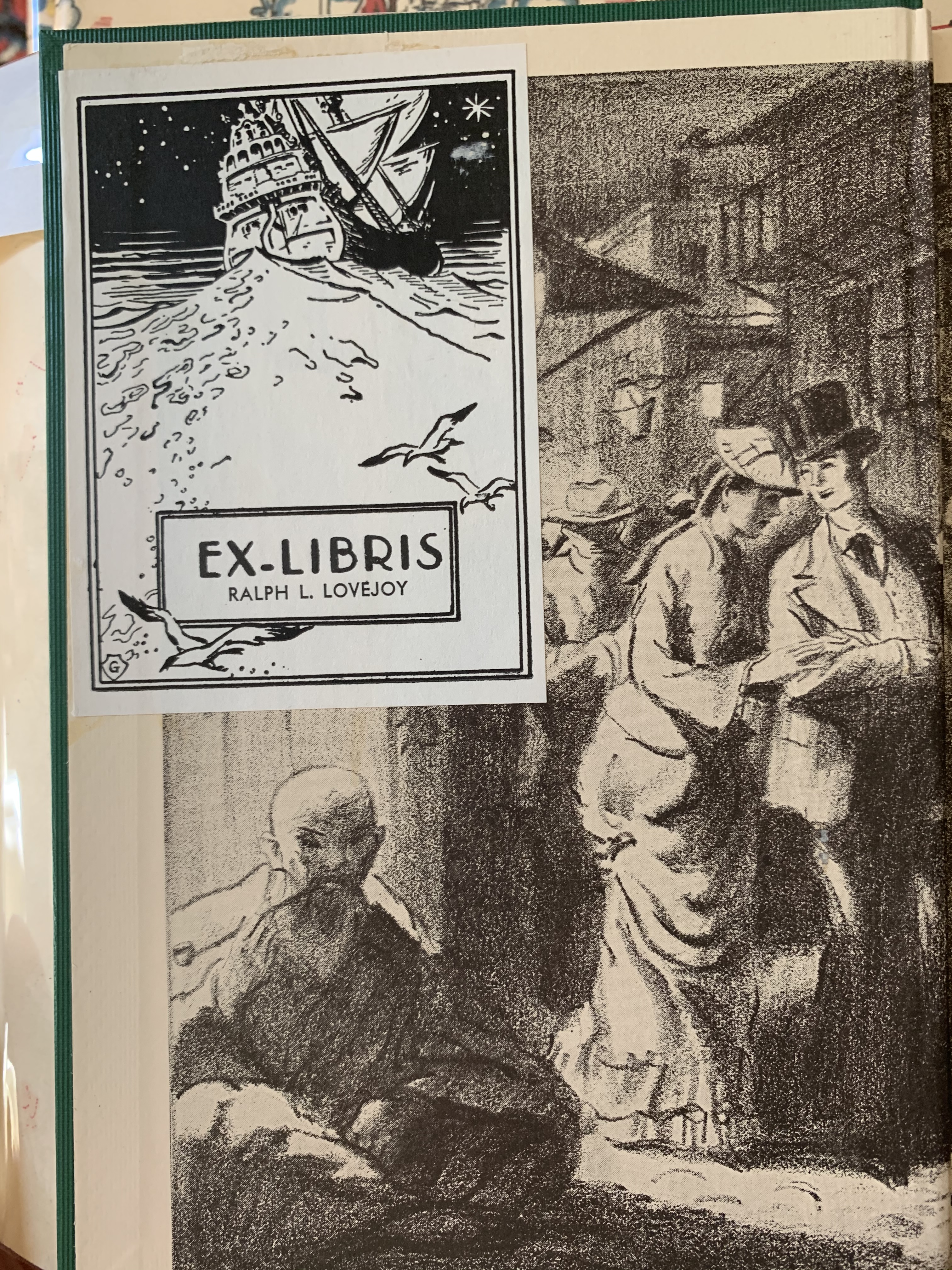
And two sets came with lovely bookplates. But they beg the question about bookplate usage with illustrated endpapers. Especially in this case where the front and back each have different images. (Incidentally, I just looked up Claire H. Keeney. He was a man, and a playwright. Check this out. And this, appears to by Ralph L. Lovejoy.)

And I loved coming across this inscription that appeared in each of the four volumes in the New Orleans set.

After a serious book cull in 2014 when I got rid of lots of books and book sets that at one point I just had to collect and own, I was a bit shocked at my buying binge. But I’m interested in reading these and not just looking at them so maybe it isn’t as crazy. (It turns out that I actually already owned the Wharton series in a single modern volume and had even read them. Time to give them another go.)

It’s possible I might try and read them all before the end of the month in observance of Novellas in November, but I may have other fish to fry. We’ll see.

Monica Dickens Obliterates Covid

I discovered Monica Dickens over a decade ago because of the Persephone reissue of Mariana which I liked well enough that she became one of those authors I buy whenever I find her titles. Having written about 30 novels for adults, her books are somewhat easy to find in secondhand shops. I found this one several years ago at The Strand in New York City for $2 on one of the carts outside along East 12th Street. The old Book Club edition I found had no cover, so I really had no idea what I might find in the middle–this one didn’t even have a copyright date. When I’m hunting for used books in bargain bins (remember that in the Before Times?) I rarely Google anything. I’m always too worried people are taking books that should rightly be mine. I’ve developed a very quick scanning method where I run my hand over each spine (remember touching things in public?) to make sure my eyes stay focused on one row so I don’t get distracted and miss something along the way.

Of course collecting an author’s catalog without discernment means that books can sit on the TBR for many years before I crack them open. Especially those without any sort of identifying blurb on the outside. Such was the case with No More Meadows until a few nights ago when I was in my library trying to figure out what to read next.

Covid has shifted my interests even more towards dusty old books and away from anything new. Regular readers of Hogglestock will wonder how that could be possible, but it is. Just like I spent the first eight months of lockdown feeling like every day was a snow day or a holiday, making and eating every kind of comfort food I could think of, I have doubled down on my propensity for fiction I am fairly confident I can count on. Which for me, means something with a bit of age. I’ve realized that my thirst for descriptions of times gone by has morphed into a quest for reading that has no relationship with the 21st Century. What a shitty century it has been.

And with that, No More Meadows could not have been more perfect. I mean, it’s early 1950s and Christine works in the book section of a London department store. For those of us who can barely remember a time (especially in the US) when department stores sold books, imagine a time when they did and were actually staffed by five or so employees at a given time. I mean it feels one step away from brown paper packages tied up with string. Add a quirky father, three dogs, and a feisty, supportive, spinster aunt and things really start to fall into place.

As soon as Vinson, the uniformed U.S. Navy officer chats her up in a park you kind of know where this book is headed. As much as I wanted her to stay in London for my reading pleasure, Christine’s move to the U.S. becomes fascinating in its own way. Through Christine’s British eyes, Dickens describes America in the 1950s with anthropological detail that would have set off fact-checker alarms had it not been a contemporary account. Studying a period photograph can illuminate how people lived in a given time but still leave us wondering how people actually moved through, and interacted with those spaces. I’m constantly wanting to time travel (always backwards) to see how people really lived during various periods. Here Dickens does it brilliantly and in great service to the plot.

What made this trip back to the 1950s even more satisfying for me was that Christine’s life in the U.S. takes place in and around Washington DC. I often think about how this city functioned during different periods. I’m not talking official Washington–although we do get a look inside the social milieu of an aspiring naval officer–but how one actually existed in three dimensions. Descriptive fodder for the the historian/urban planner me who looks at the built environment and how people managed “back in the day”. And unlike some more recent novels set in DC, none of the place names or local detail come off as fake or name droppy. It really is a wonderful description for the historical record.

But this is fiction after all, once you pull the historical details out what’s left? Quite a lot. An exploration of relationship dynamics, families, and personal fulfillment. It would definitely stand on its own without my fascination for period detail, but the detail is part of the story. Enforced conformity, suburban ennui, hopelessness, fear, it’s all baked in.